
Soffit and Fascia Repair in Pittsburgh, PA
Rotted soffit and fascia replaced, vented for a dry attic and wrapped to last through Pittsburgh winters.
- Five star Google reviews
- BBB A+ rated
- AtlasPro+ Platinum Select
- PA HIC# PA174918
Protect the Edge of Your Roof
Soffit and fascia close off the edge of your roof. The fascia board carries your gutters and seals the roof edge, and the soffit underneath lets your attic breathe while keeping animals out. When either one rots or pulls loose, water, ice and pests find a way in. Malick Brothers Exteriors repairs and replaces soffit and fascia on homes across Pittsburgh, the North Hills and the surrounding suburbs.
- Free inspection and written estimate
- Rotted wood replaced, not covered up
- Vented soffit for a drier attic
- Roof, fascia and gutters from one company
Hundreds of five star Google reviews. Licensed and insured. Pennsylvania Home Improvement Contractor Registration Number: PA174918.
Call for an Estimate
(412) 616-0191
Get Your Free Soffit and Fascia Estimate
Tell us what you're seeing along your roofline and we'll schedule a free inspection.
Licensed, Insured and Trusted


One Company for Your Whole Roofline
Malick Brothers Exteriors is a family owned roofing and exterior company, born and raised in West View and based at 500 Perry Highway. Soffit and fascia sit right where the roof, gutters and walls meet, so problems there rarely stay in one place. Because we also install roofs, gutters and siding, we fix the cause instead of just the board you can see.
Your project is handled by our own team, from the first visit with Ryan or Brandon to the crew on the ladder, with photo updates during the work and a full cleanup before we leave.
- Licensed and insured, PA HIC# PA174918
- Hundreds of five star Google reviews
- BBB A+ rating, free written estimates
What Soffit and Fascia Actually Do
Fascia is the long board that runs along the edge of the roof, where your gutters attach. It closes off the ends of the rafters and gives the roof a clean finished edge. If the fascia rots, gutters pull away and water runs behind them into the wall.
Soffit is the panel on the underside of the overhang. Vented soffit pulls fresh air into the attic, which works with the roof vents to keep the attic dry in summer and helps limit ice along the eaves in winter. Solid, sagging or broken soffit can trap moisture and leave openings for squirrels, birds and insects.
Read more about what soffit vents are and how they work.
Signs Your Soffit and Fascia Need Repair
Damage at the roof edge is easy to miss from the ground. Look for these signs along your roofline:
- Peeling paint, soft spots or rot on the fascia boards
- Gutters that sag, pull away or spill water behind them
- Soffit panels that are sagging, cracked, stained or missing
- Water stains on the siding just below the roof edge
- Birds, squirrels, bats or insects nesting in the overhang
- Thick ice building up along the eaves in winter
- Mildew or a damp smell in the attic
Our guide explains how to spot soffit and fascia damage in Pittsburgh homes.
Why Rooflines Rot in Pittsburgh
The edge of the roof takes the worst of Pittsburgh weather. Clogged or undersized gutters back water up against the fascia. Snow melts during the day and refreezes along the eaves at night, and that ice pushes water under the shingles and into the wood. After a few winters, bare or poorly painted boards soften and start to rot.
Older homes in the city and the boroughs often still have their original wood soffit and fascia, sometimes with built in box gutters tucked into the roof edge. Once water gets in, the damage can spread along the whole overhang. In Bellevue, we sealed a home's box gutters with a silicone coating to stop that kind of leak.
- Rotted boards cut out and replaced with new wood
- Sound fascia covered with low maintenance metal trim
- Gutters rehung on solid backing
Gutters giving you trouble too? See our gutter installation service.
Our Soffit and Fascia Repair Process
-
Free inspection
We check the fascia, soffit, gutters and roof edge and photograph any damage.
-
Written estimate
You get a clear estimate for repair or full replacement, with your options.
-
Protect your property
We cover landscaping and set up ladders and staging safely.
-
Remove damaged material
Gutters come down where needed and rotted wood is cut out.
-
Install new soffit and fascia
New boards, vented soffit and trim go up, then the gutters are rehung.
-
Cleanup and walkthrough
We haul away debris, sweep for nails and walk the roofline with you.
Roofline Work From Start to Finish
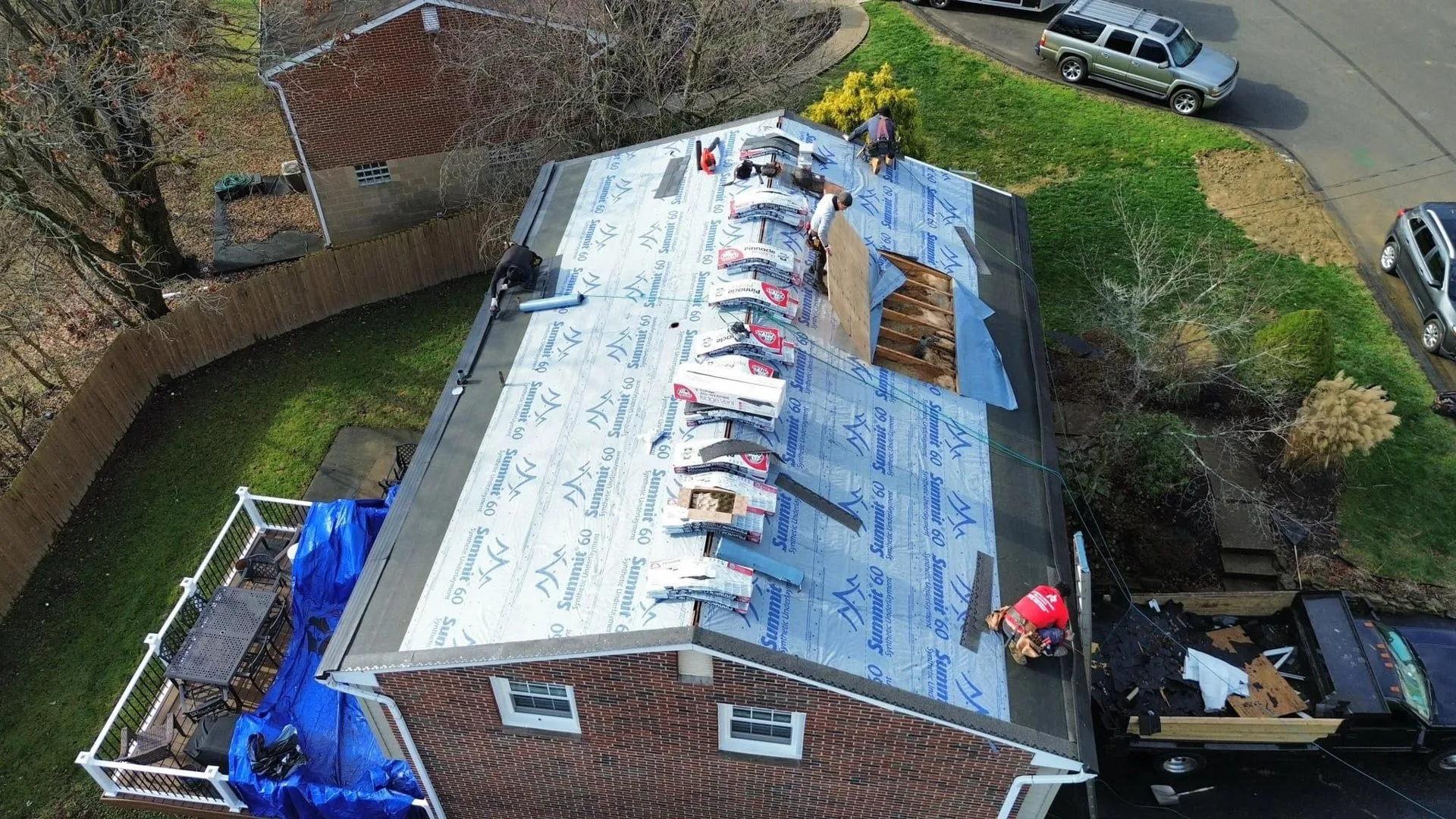
Roof edge exposed and prepped
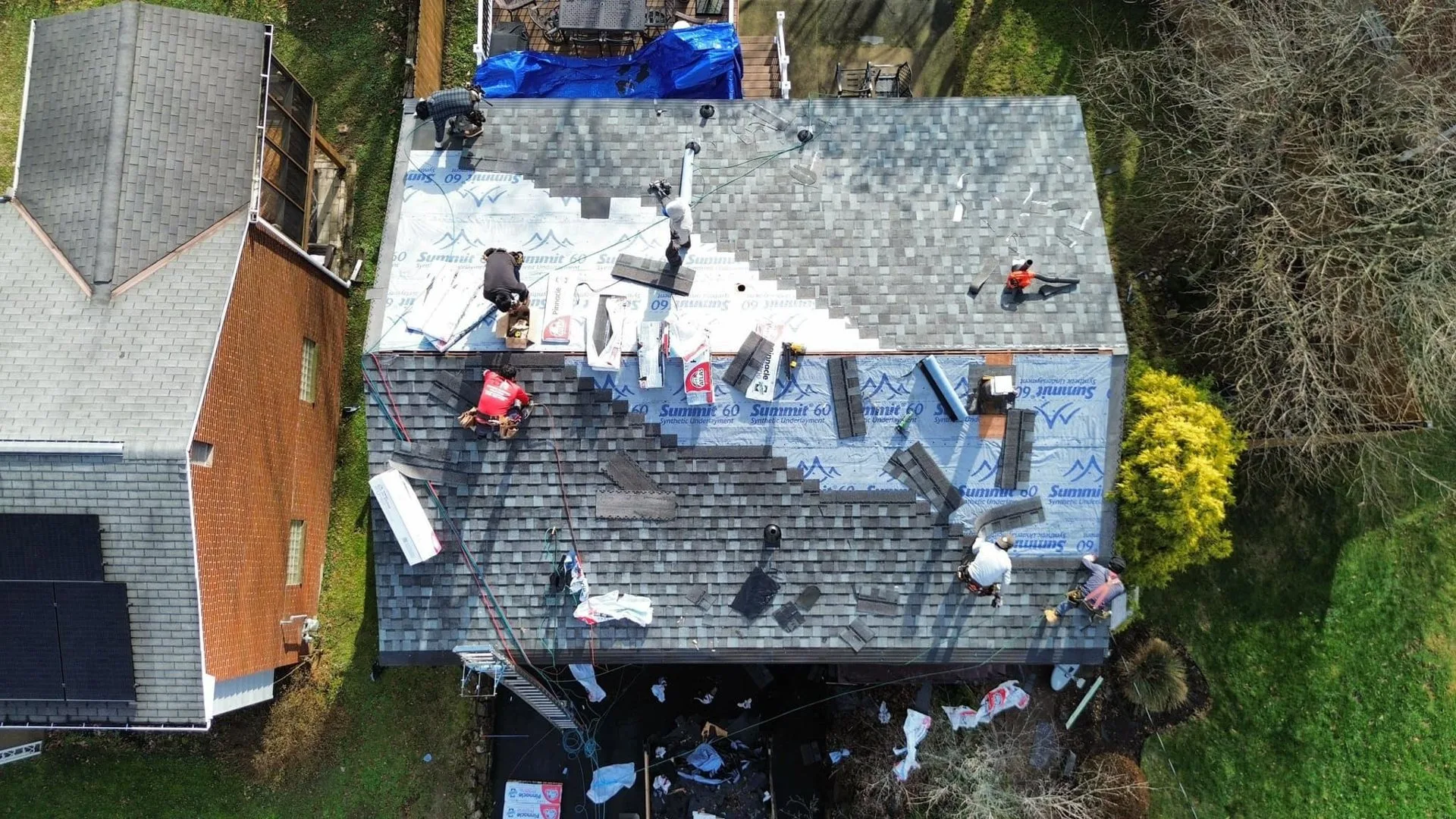
New underlayment run out to the eaves
Pittsburgh church finished with new soffit, fascia and gutters
Soffit and Fascia Options
The right material depends on your home, what is already there and how much upkeep you want. We walk you through the choices during your free estimate.
Vented Soffit
Vented panels let fresh air into the attic while keeping out birds and insects. White soffit is our most common choice, and it never needs paint.
Metal Fascia Wrap
Sound fascia boards are wrapped in .024 gauge formed metal that sheds water and never needs paint, for a crisp, clean roof edge.
Wood Repair and Replacement
When the wood is soft, we cut it out and install new boards first. On older homes with detailed trim, new wood can keep the original look.
Rotting Roofline? Call for a Free Estimate
(412) 616-0191
What Every Soffit and Fascia Job Includes
Covering rotted wood only hides the problem. Every job we do includes these steps.
Rot Found and Replaced
We probe the boards and replace soft wood before anything new goes on.
Clear Attic Airflow
Vented soffit is kept open so air can move up into the attic.
Sealed Against Pests
Gaps and holes in the overhang are closed so animals can't get in.
Gutters Rehung Right
Gutters go back on solid fascia, sloped toward the downspouts.
What Affects the Cost of Soffit and Fascia Repair?
No two rooflines are the same, so we price soffit and fascia work after an inspection instead of guessing over the phone. These are the factors that move the number most:
- Feet of roof edge that need work
- How much wood is rotted and must be replaced
- Soffit and fascia material you choose
- Whether gutters have to come down and go back up
- Number of stories and access around the house
- Detailed trim, box gutters or other older home features
Your written estimate lists each item. If the roof itself needs attention, our roof repair service can be added to the same project, and new siding can be matched to your new trim.
Protected Before, During and After the Work
Every soffit and fascia job is covered by our labor warranty on the workmanship, plus the manufacturer warranty on the materials we install. We explain exactly what is covered in your estimate.
If wind, hail or a fallen limb tore up your roof edge, your homeowners insurance may cover part or all of the repair. We document the damage with photos and a detailed report and work with your adjuster. Combining soffit and fascia with a larger project? Ask about flexible financing through a trusted regional lender.
- Labor warranty plus manufacturer warranty
- Storm damage documentation for your claim
- Flexible financing through a regional lender

Recent Rooflines Around Pittsburgh
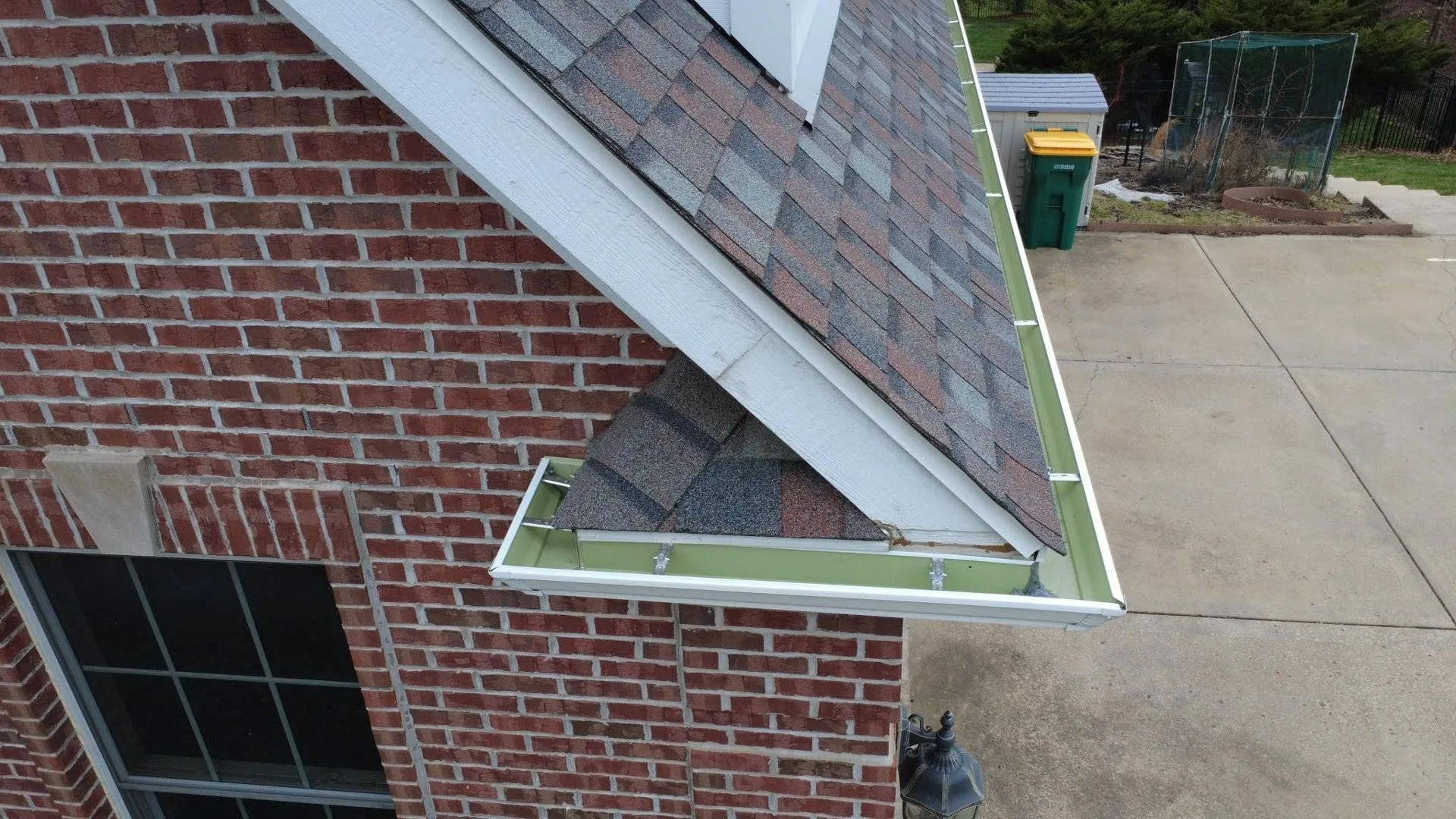
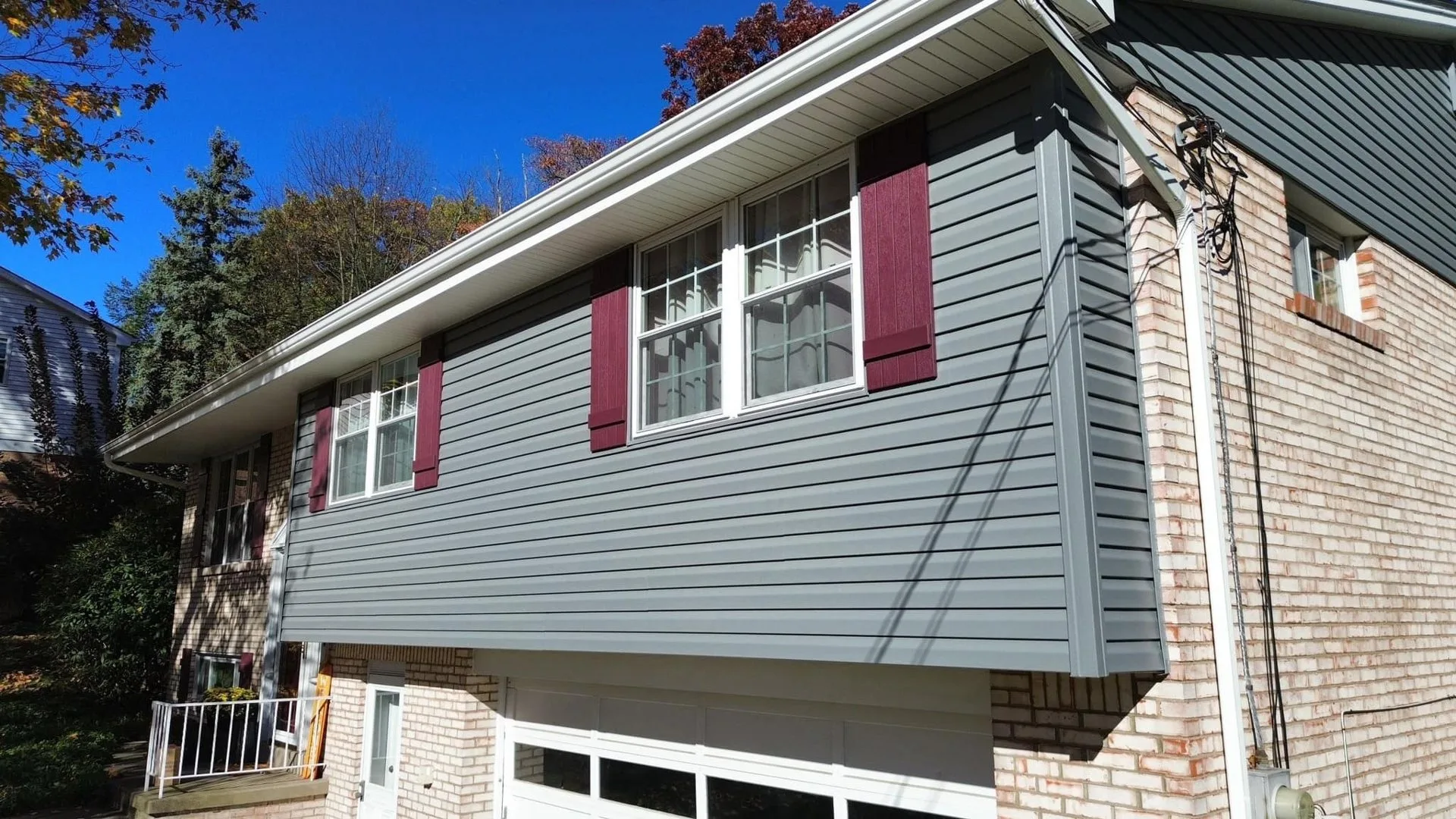
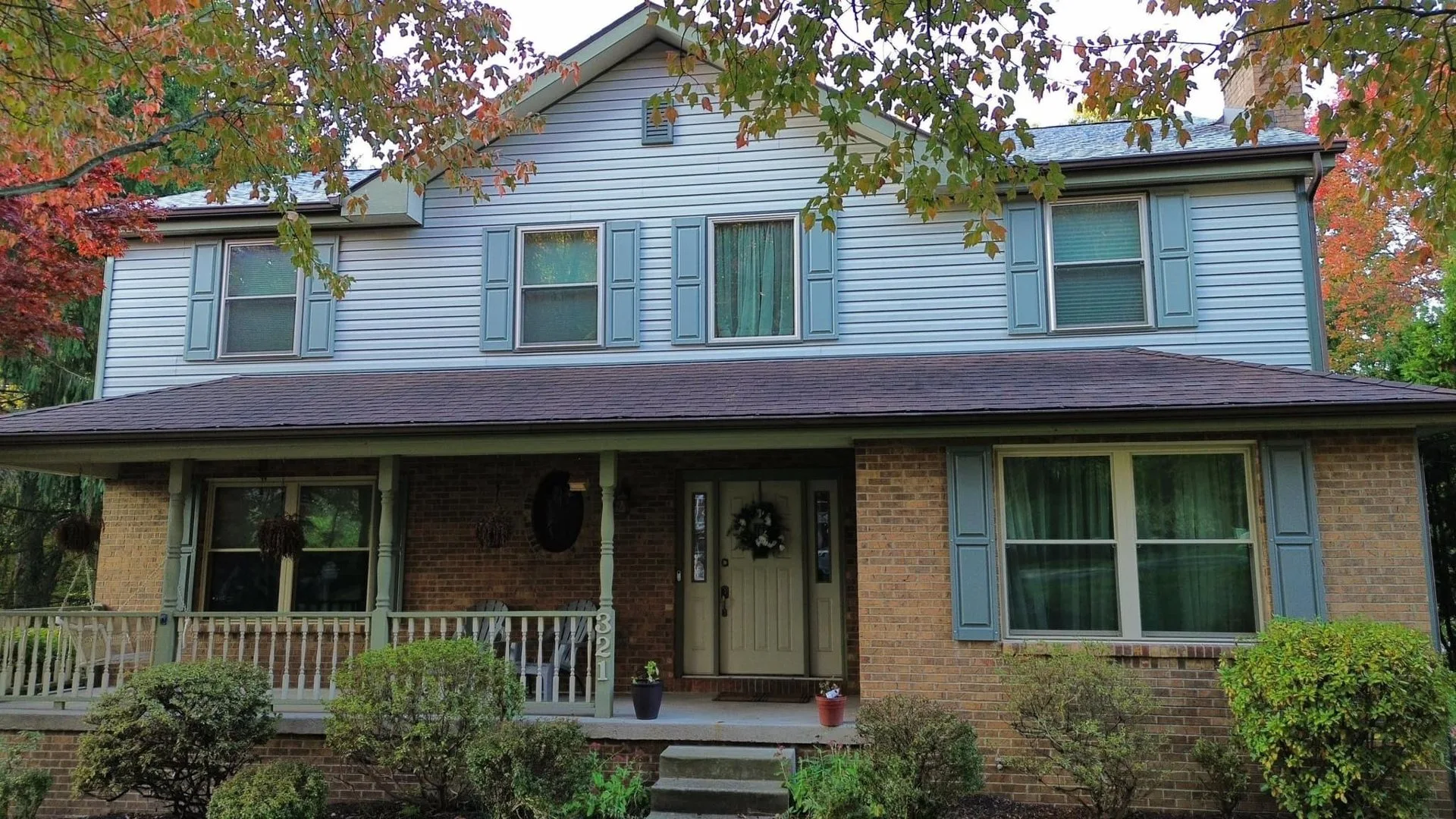
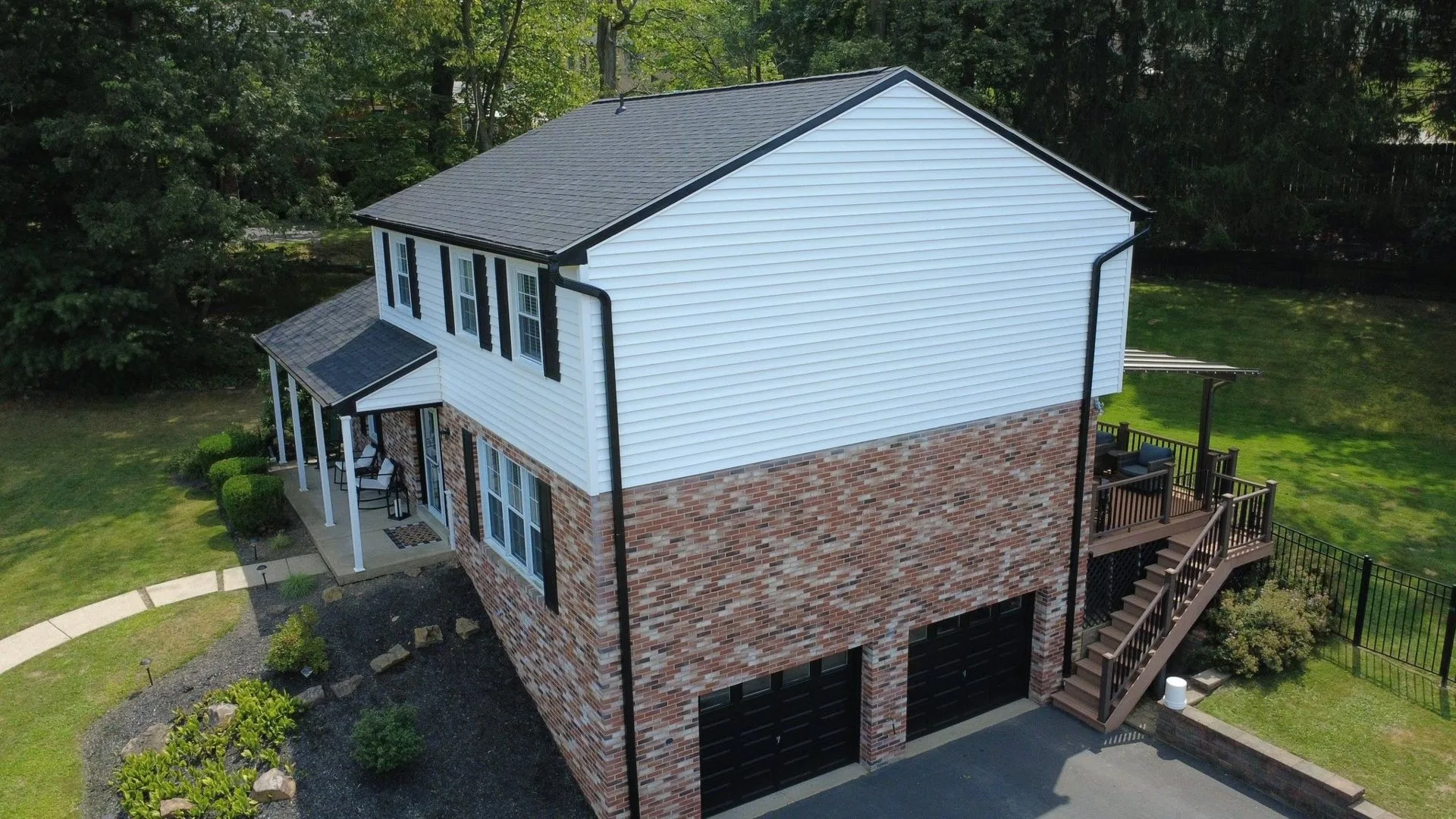
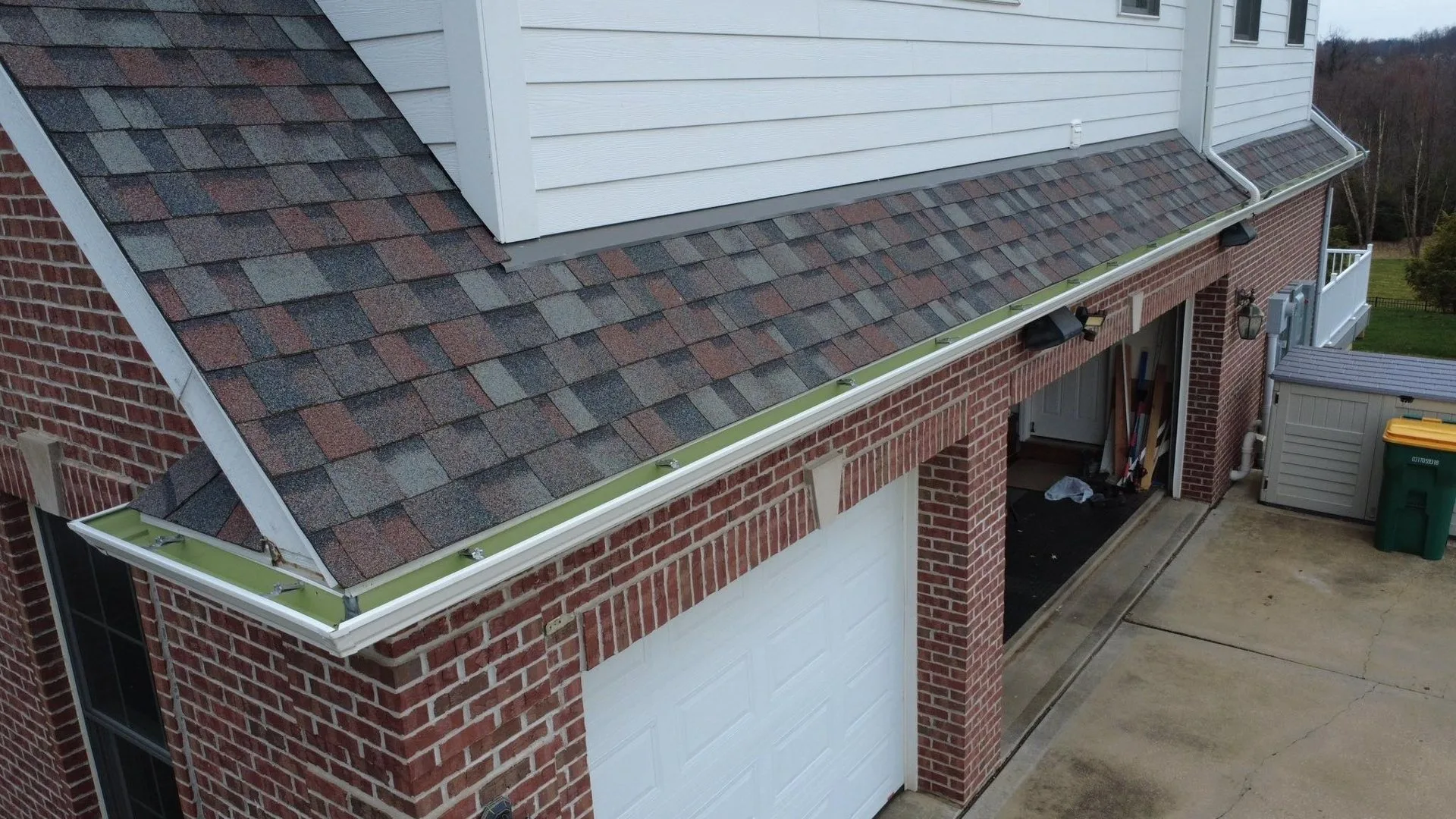
Finished rooflines from recent Malick jobs, including new soffit, fascia and gutters. Click any photo to see it full size.
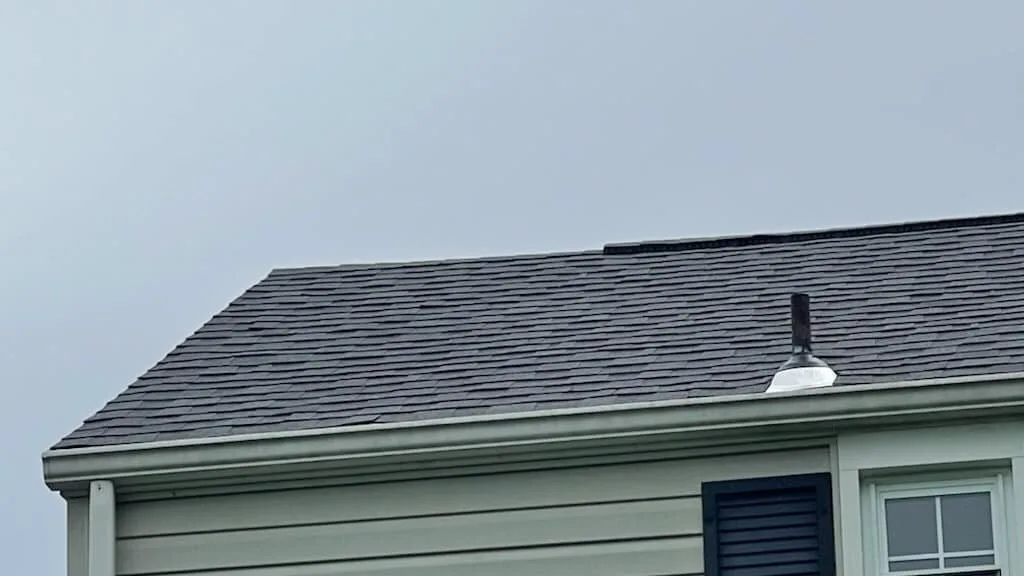
August 2022 Project
Soffit and fascia work finished by our crew, August 2022.
October 2024 Project
Soffit and fascia work finished by our crew, October 2024.
October 2024 Project
Soffit and fascia work finished by our crew, October 2024.
August 2025 Project
Soffit and fascia work finished by our crew, August 2025.
March 2025 Project
Soffit and fascia work finished by our crew, March 2025.
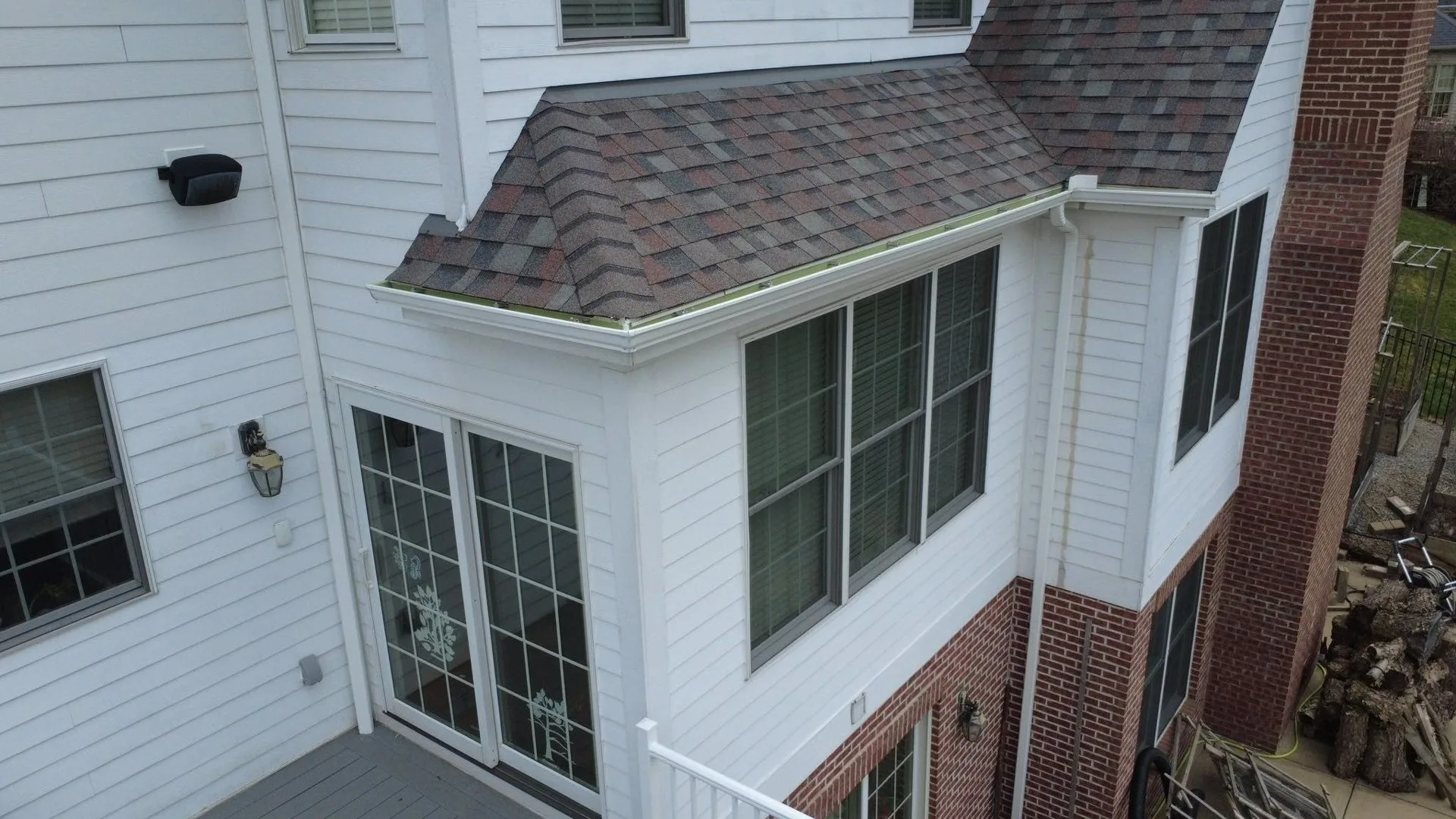
March 2025 Project
Soffit and fascia work finished by our crew, March 2025.
What Our Customers Say About Our Exterior Work
Short excerpts from our Google reviews. Read all of our reviews on Google.

Malick Brothers did an awesome job on both our front and back porches. We had them add soffit, fascia, new gutters and downspouts...
Sandy Kaminski
I’ve had a really tough few weeks and a recent storm bent the fascia on my roof, causing it to flap in the wind and keep me up at night. Felt like a Murphys law moment...
Jacob Newman
These guys did a great job! We recently had our roof replaced and gutters installed by another company...
Jeff London
We had wind damage on the side of our house, and Corey and Ricky came out within a matters of days to fix fascia that was hanging high above electrical wires...
JohnGigliotti
Soffit and Fascia Repair Across Pittsburgh
Recent roofline projects include new soffit, fascia and gutters on a Pittsburgh church, a home in Ross Township and a multi unit building in Baden.
From our home base at 500 Perry Highway, we repair and replace soffit and fascia throughout Pittsburgh, the North Hills and nearby communities in Allegheny, Beaver, Butler and Washington counties, including:
Soffit and Fascia Questions
Straight answers to the questions homeowners ask us most about their roofline.
What is the difference between soffit and fascia?
Fascia is the vertical board along the edge of the roof that your gutters attach to. Soffit is the panel underneath the overhang that closes it off and, when vented, lets air into the attic.
How do I know if my soffit or fascia needs to be replaced?
Common signs are peeling paint, soft or rotted wood, sagging gutters, stains on the siding below the roof edge, sagging or missing soffit panels, and animals getting into the overhang. Our free inspection checks the whole roofline.
How much does soffit and fascia repair cost in Pittsburgh?
Cost depends on how many feet of roof edge need work, how much wood is rotted, the material you choose, whether the gutters must come down and how tall your home is. Your free written estimate lists every item.
How long does soffit and fascia repair take?
It depends on how much of the roofline needs work. A small section can be a quick repair, while a full house or a job that includes new gutters takes longer. Your estimate includes a realistic timeline for your home.
Should fascia be covered with metal?
Covering sound fascia with .024 gauge metal cuts down on painting and protects the wood. It should never go over rotted wood, because that traps moisture. We replace soft boards first, then wrap the fascia.
Do soffit vents help with ice along the eaves?
They help. Vented soffit brings cool air into the attic, which works with roof vents and insulation to keep the roof deck cooler. Soffit vents alone won't stop every ice problem, so we look at the whole roof during your inspection.
Why are animals getting into my soffit?
Squirrels, birds, bats and insects use gaps, loose panels and rotted corners to get into the overhang and attic. New soffit and repaired fascia close those openings.
Should I replace soffit and fascia when I get a new roof or gutters?
It's often the best time. The gutters already come down for a new roof or gutter job, so replacing damaged soffit and fascia at the same time saves taking them off twice.
Does insurance cover soffit and fascia damage?
If the damage came from a covered event such as wind, hail or a fallen limb, insurance may cover the repair. Rot from age or long term leaks usually isn't covered. We document storm damage and work with your adjuster.
Are you licensed and insured?
Yes. Malick Brothers Exteriors is fully licensed (PA HIC# PA174918) and carries comprehensive insurance that protects our crew and your property.
Schedule Your Free Soffit and Fascia Estimate
Tell us what you're seeing along your roofline and we'll schedule a free inspection and written estimate. Prefer to talk? Call (412) 616-0191.