Frequently Asked Questions
How much should a TPO roof cost?
The cost of a TPO roof typically ranges from $5 to $8 per square foot, depending on factors like the roof's size, complexity, and the contractor's experience. It's best to get a detailed estimate for an accurate price.
What are the disadvantages of TPO roofing?
The disadvantages of TPO roofing include its susceptibility to punctures, limited color choices leading to potential heat absorption, and a shorter lifespan compared to other roofing materials. Additionally, its performance can vary significantly between manufacturers.
Is TPO roofing worth it?
The value of TPO roofing is significant due to its durability, energy efficiency, and cost-effectiveness. It is a reliable choice for both residential and commercial applications, making it worth the investment for long-term performance.
What is the life expectancy of a TPO roof?
The life expectancy of a TPO roof typically ranges from 15 to 30 years, depending on factors such as installation quality, maintenance, and exposure to environmental conditions.
What factors influence TPO roof pricing?
The factors that influence TPO roof pricing include material quality, installation complexity, roof size and slope, geographical location, and any additional features such as insulation or accessories needed for the roofing system.
How does TPO roofing compare to other materials?
TPO roofing offers superior energy efficiency and UV resistance compared to other materials like EPDM and PVC. It is lighter and easier to install, making it a preferred choice for both residential and commercial applications.
What maintenance is required for TPO roofs?
Maintenance for TPO roofs includes regular inspections for damage, cleaning debris from the surface and drainage areas, checking for any seams or flashing issues, and ensuring that all penetrations are properly sealed to maximize longevity and performance.
Can TPO roofing be installed over existing roofs?
TPO roofing can be installed over existing roofs, provided the underlying materials are in good condition and meet local building codes. This method can save time and costs while minimizing waste. However, a professional assessment is recommended.
What warranty options are available for TPO roofing?
The warranty options available for TPO roofing typically include manufacturer warranties ranging from 10 to 30 years, depending on the specific product and installation, covering defects and workmanship.
How energy-efficient is TPO roofing in Pittsburgh?
The energy efficiency of TPO roofing in Pittsburgh is notable, as its reflective surface helps reduce heat absorption, keeping buildings cooler and lowering energy costs during the warmer months.
What are common issues with TPO roofs?
Common issues with TPO roofs include punctures, poor seams, UV degradation, and thermal expansion, which can lead to leaks or reduced lifespan. Regular maintenance and inspections can help mitigate these problems.
How do I choose a TPO roofing contractor?
Choosing a TPO roofing contractor involves researching their experience, verifying licenses and insurance, checking customer reviews, and requesting detailed estimates. Ensure they have specialized expertise in TPO installation for quality and durability.
What colors are available for TPO roofing?
The colors available for TPO roofing include white, grey, and tan, allowing for customization to suit both residential and commercial building aesthetics effectively. These options also contribute to energy efficiency by reflecting sunlight.
Is TPO roofing suitable for flat roofs?
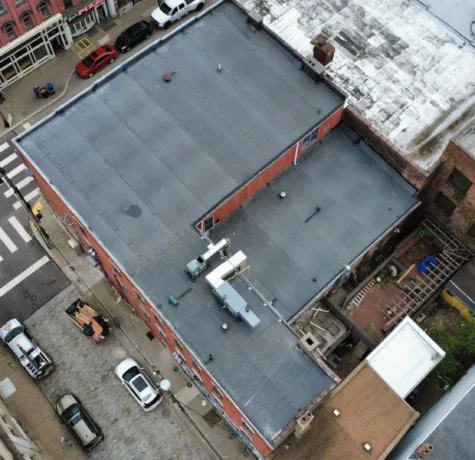
TPO roofing is indeed suitable for flat roofs. Its reflective surface helps reduce energy costs, while its durability makes it a reliable choice for long-term flat roofing solutions.
How can I extend my TPO roofs lifespan?
To extend your TPO roof's lifespan, regular maintenance is essential. This includes inspections for damage, cleaning debris, and promptly addressing any issues to prevent leaks and deterioration. Additionally, consider applying protective coatings as needed.
What installation methods are used for TPO roofing?
The installation methods used for TPO roofing include mechanically attached, fully adhered, and ballasted systems. Each method provides a secure fit and durability, making TPO roofing suitable for various commercial and residential applications.
Are there eco-friendly options for TPO roofs?
Eco-friendly options for TPO roofs do exist. Many manufacturers offer TPO membranes that are made from recycled materials and are fully recyclable at the end of their lifespan, making them a sustainable choice for roofing.
How does TPO roofing perform in extreme weather?
TPO roofing performs well in extreme weather conditions due to its reflective properties, durability, and resistance to UV radiation. It can withstand high temperatures and heavy rain, making it an excellent choice for a variety of climates.
What should I know about TPO roof repairs?
TPO roof repairs involve addressing issues with thermoplastic olefin roofing materials, known for their energy efficiency and durability. It's crucial to regularly inspect for damage, ensure proper sealing, and use compatible materials for effective repairs.
What are the advantages of TPO roofing?
The advantages of TPO roofing include its energy efficiency, cost-effectiveness, and durability. TPO is lightweight, reflective, and resistant to UV rays and chemical exposure, making it a popular choice for both residential and commercial roofing applications.