Frequently Asked Questions
Is rubber roofing a good idea?
Rubber roofing is a good idea due to its durability, cost-effectiveness, and resistance to extreme weather conditions. It provides excellent waterproofing and can last up to 50 years with proper maintenance, making it a reliable choice for homeowners.
What does rubber roofing look like?
Rubber roofing typically looks like a flat, seamless, and smooth surface. Available in various colors and textures, it can mimic traditional roofing materials, providing an attractive and durable option for both residential and commercial buildings.
What are the benefits of rubber roofing?
The benefits of rubber roofing include durability, weather resistance, and low maintenance requirements. It effectively insulates and is energy-efficient, making it a cost-effective choice for homeowners looking for long-lasting roofing solutions.
Is rubber roofing durable for homes?
Rubber roofing is a highly durable option for homes. It is resistant to extreme weather conditions, UV rays, and other environmental factors, making it a long-lasting choice that can provide excellent protection for your home’s exterior.
How long does rubber roofing last?
The lifespan of rubber roofing typically ranges from 20 to 30 years, depending on the quality of the materials used and maintenance practices. Proper installation and care can extend its durability even further.
Can rubber roofing withstand extreme weather?
Rubber roofing is designed to withstand extreme weather conditions. It is highly durable, resistant to extreme temperatures, heavy rainfall, and even hail, making it an excellent choice for various climates and ensuring long-lasting protection for your home.
What maintenance is needed for rubber roofing?
Maintenance for rubber roofing includes regular inspections for cracks or tears, cleaning debris, and ensuring proper drainage. It's also important to address any punctures promptly and apply UV protectants periodically to extend its lifespan.
Is rubber roofing environmentally friendly?
Rubber roofing is environmentally friendly because it is made from recycled materials, reducing waste and promoting sustainability. Additionally, its durability leads to fewer replacements, minimizing the environmental impact over time.
How much does rubber roofing cost?
The cost of rubber roofing typically ranges from $5 to $12 per square foot, depending on factors such as material quality, installation complexity, and geographical location. It's advisable to obtain estimates from local contractors for accurate pricing.
Can rubber roofing be installed over shingles?
Rubber roofing can indeed be installed over existing shingles. However, it's essential to ensure the shingles are in good condition and that the installation follows proper guidelines to prevent moisture and structural issues.
What colors are available for rubber roofing?
The colors available for rubber roofing include black, gray, and white. Some manufacturers also offer custom colors to match your home’s design, allowing for greater aesthetic flexibility while maintaining durability.
Is rubber roofing suitable for flat roofs?
Rubber roofing is indeed suitable for flat roofs. Its durability, flexibility, and resistance to water make it an ideal choice for effectively managing flat surfaces and preventing leaks.
How does rubber roofing compare to shingles?
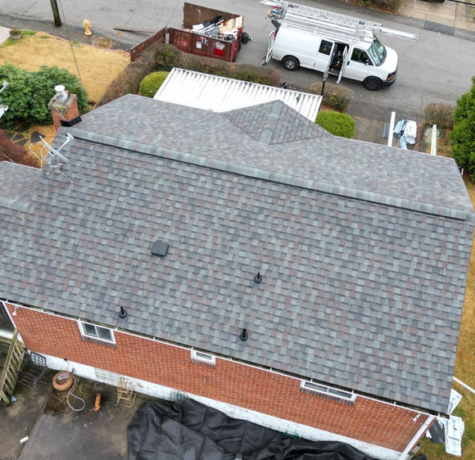
Rubber roofing and shingles differ significantly in durability and maintenance. Rubber roofing typically lasts longer and requires less upkeep, while shingles may be more susceptible to weather damage but offer a more traditional aesthetic for residential homes.
What are common issues with rubber roofing?
Common issues with rubber roofing include punctures, seams that can separate, and UV damage, which may lead to leaks or deterioration over time. Regular maintenance and inspections can help mitigate these problems.
Is rubber roofing fire resistant?
Rubber roofing is generally fire resistant, as it is made from materials that can withstand high temperatures. However, the level of fire resistance may vary depending on the specific product and installation. Always check manufacturer specifications for details.
How is rubber roofing installed?
Rubber roofing is installed by first preparing the surface and ensuring it's clean and dry. Then, large sheets of rubber membrane are laid down, adhered with special adhesives or fasteners, and seams are sealed to prevent leaks.
What warranties are available for rubber roofing?
The warranties available for rubber roofing typically include manufacturer's warranties and installation warranties. Manufacturer's warranties cover defects in materials, while installation warranties ensure that the installation meets industry standards, offering peace of mind for homeowners.
Can rubber roofing be recycled?
Rubber roofing can be recycled. Many recycling facilities accept it, allowing it to be repurposed into new products, helping reduce waste and environmental impact.
What sizes do rubber roofing sheets come in?
Rubber roofing sheets come in various sizes to accommodate different roofing projects. Typically, they are available in widths of 3 to 10 feet and lengths ranging from 10 to 50 feet, allowing for flexible installation options.
How does rubber roofing perform in cold climates?
Rubber roofing performs well in cold climates due to its flexibility and durability. It remains pliable at low temperatures, preventing cracking and damage while effectively insulating against cold weather.
Is rubber roofing suitable for commercial buildings?
Rubber roofing is indeed suitable for commercial buildings. It provides excellent durability, weather resistance, and energy efficiency, making it a practical choice for flat or low-slope roofs commonly found in commercial properties.
How to repair rubber roofing leaks?
Repairing rubber roofing leaks involves cleaning the affected area, applying a rubber roofing sealant, and reinforcing with a patch if necessary. Ensure the surface is dry before sealing for optimal adhesion and effectiveness.
What types of rubber roofing materials are available?
The types of rubber roofing materials available include EPDM (ethylene propylene diene monomer), TPO (thermoplastic olefin), and PVC (polyvinyl chloride). Each offers unique benefits, such as durability, energy efficiency, and ease of installation, making them suitable for various roofing applications.
Can rubber roofing be painted?
Rubber roofing can be painted. However, it's essential to use the correct type of paint specifically designed for rubber surfaces to ensure durability and proper adhesion.
How does rubber roofing affect home value?
The impact of rubber roofing on home value is significant. High-quality rubber roofing can enhance curb appeal, improve energy efficiency, and lower maintenance costs, all of which can positively influence potential buyers’ perceptions and ultimately increase property value.
What tools are needed for rubber roofing installation?
The tools needed for rubber roofing installation include a utility knife, seam roller, measuring tape, and roofing adhesive. Additionally, you may require a pry bar, trowel, and safety gear for a successful installation.
What is the lifespan of rubber roofing?
The lifespan of rubber roofing typically ranges from 20 to 30 years, depending on the quality of the material and the installation process. With proper maintenance, some rubber roofs can even last longer.
How to clean rubber roofing effectively?
Effective cleaning of rubber roofing involves using a mixture of mild soap and water. Gently scrub the surface with a soft-bristle brush, rinse thoroughly with water, and avoid harsh chemicals that can damage the material.
What is the best brand for rubber roofing?
The best brand for rubber roofing is generally considered to be Firestone. Their EPDM rubber roofing products are known for durability, excellent weather resistance, and a long lifespan, making them a top choice for both residential and commercial applications.
How to choose rubber roofing contractor?
Choosing a rubber roofing contractor involves assessing their experience, checking for proper licensing and insurance, reading customer reviews, and requesting detailed estimates. Prioritize contractors who specialize in rubber roofing to ensure quality workmanship.