
Roof Inspection in Pittsburgh, PA
A free, honest look at your roof with photos of what we find and a straight answer on repair or replace.
- Five star Google reviews
- BBB A+ rated
- AtlasPro+ Platinum Select
- PA HIC# PA174918
Know Exactly What Shape Your Roof Is In
Most roof damage can't be seen from the driveway. Malick Brothers Exteriors is a family owned roofing company, born and raised in West View, that offers free roof inspections to homeowners across Pittsburgh and the North Hills. We check the roof surface, flashing, vents and attic, take photos of what we find and give you a straight answer. Sometimes that means a small repair, sometimes a bigger plan, and sometimes it means your roof is in good shape and you don't need us yet.
- Free roof inspection with no obligation
- Photos of everything we find
- Clear written recommendations
- Storm damage documentation for insurance
Hundreds of five star Google reviews. BBB A+ rated. Licensed and insured. Pennsylvania Home Improvement Contractor Registration Number: PA174918.
Call for an Estimate
(412) 616-0191
Schedule Your Free Roof Inspection
Tell us about your roof and we'll set up a time to inspect it.
Certified, Licensed and Trusted


What a Malick Roof Inspection Covers
A good inspection looks at the whole roof system, not just the shingles you can see. We start on the ground, go up on the roof when it's safe and finish in the attic, where leaks and ventilation problems often show up first.
- Shingles or roofing material for wear, damage and granule loss
- Flashing at chimneys, walls, skylights and dormers
- Pipe boots, vents and other roof penetrations
- Valleys, ridges, drip edge and roof edges
- Gutters, box gutters, downspouts, soffit and fascia
- Attic decking, insulation and ventilation
When to Get Your Roof Inspected
We recommend an inspection at least once a year and after any severe storm. A yearly check catches small problems while they're still cheap to fix. These are the other times a roof inspection is worth scheduling:
- After high winds, hail or a fallen tree limb
- When you see a water stain or damp spot inside
- When your roof is around 20 years old
- Before you buy or sell a home
- Before winter, to catch loose shingles and open seams
Wondering if once a year is really needed? Read do you really need a roof inspection every year.
Why Pittsburgh Roofs Need Regular Inspections
Pittsburgh weather wears a roof down quietly. Freeze and thaw cycles work water under shingles and loosen nails a little more each winter. Ice at the eaves pushes water under the first rows. Hail can bruise shingles without knocking them loose, and that damage is hard to spot from the ground.
Many homes here are older, with brick chimneys, dormers, slate and steep pitches that homeowners can't safely check on their own. Our repair division works on slate, tile, flat and shingle roofs and box gutters every week, so we know where each one fails. Tree lined streets mean branches rubbing the roof and gutters full of leaves. An inspection gets eyes on all of it before a small issue turns into rotted decking.
Straight Answers and No Pressure
After the inspection we show you the photos, explain what we found in plain language and give you our recommendation in writing. If something needs attention, you get a free written estimate. There's no obligation, and if your roof is fine, we'll say so.
When we do find a problem, the next step usually falls into one of a few paths. Small, isolated damage is a repair. A worn out roof may be ready for replacement, and as an Atlas Platinum Pro contractor we can offer Atlas's 50 year warranty on complete Atlas roof systems. Problems in the gutters, soffit or fascia are handled by the same team.
Learn more about roof repair, roof replacement and our gutter services.
Our Roof Inspection Process
-
Schedule your inspection
Call or send the form and we set up a time that works for you.
-
Exterior walk around
We look over the roofline, gutters, soffit and fascia from the ground.
-
On the roof
When it's safe, we check shingles, flashing, vents and valleys up close.
-
Attic check
We look for leaks, damp insulation and ventilation problems from below.
-
Photos and findings
We document what we find with photos you can see for yourself.
-
Recommendations
We walk you through your options and a written estimate if work is needed.
What We Look at Up Close
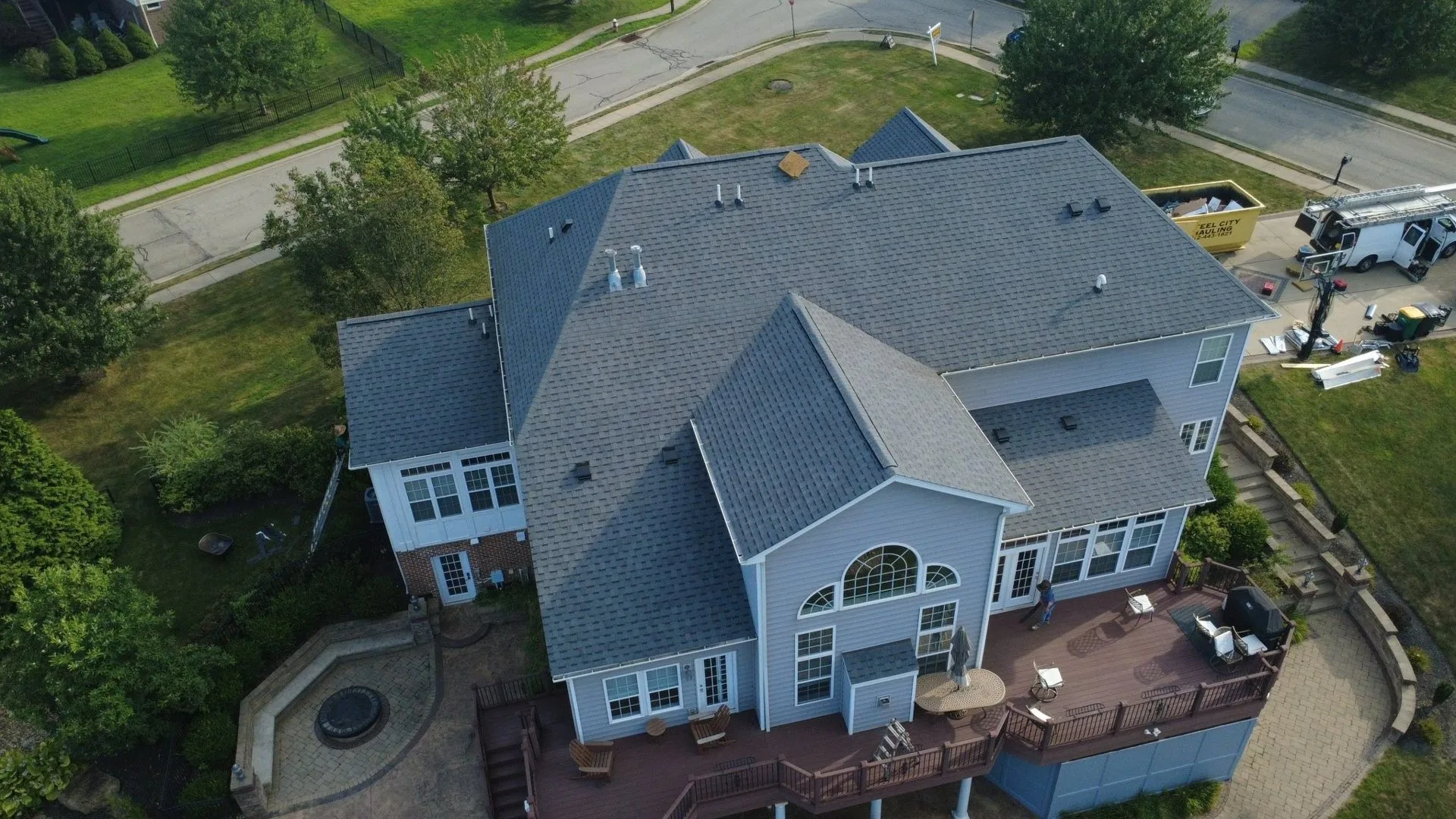
Walking the roof and checking the surface
Checking chimney flashing and seals
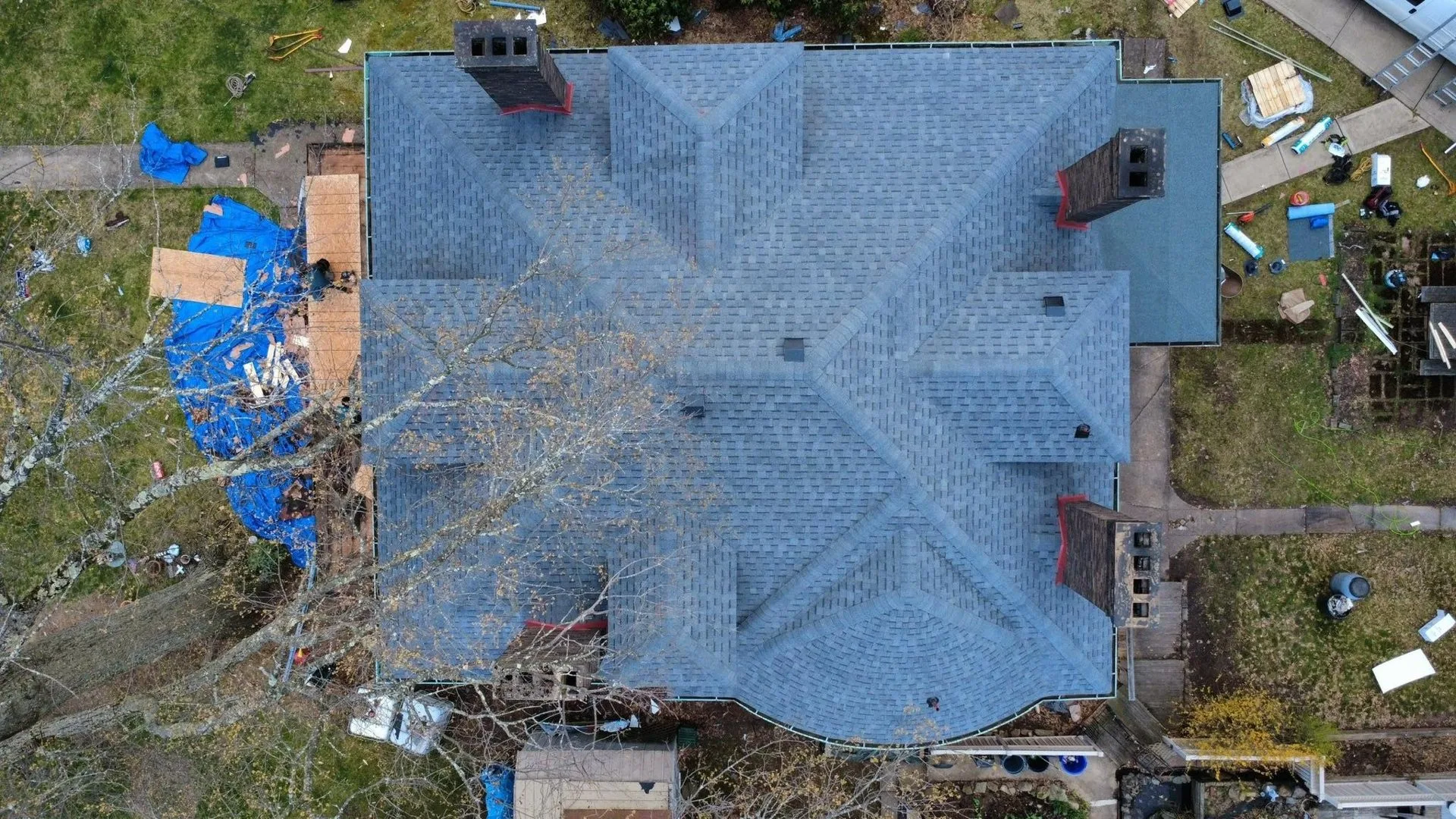
Photos of the whole roof for your records
Inspections for Every Type of Home Roof
Each roofing material wears out in its own way. We know what to look for on the roofs found across Pittsburgh.

Asphalt Shingles
We check for curling, cracking, granule loss, lifted tabs and hail bruising, plus the flashing and boots around them. Learn more about asphalt shingles.
Metal Roofing
We look for loose or backed out fasteners, worn seals, damaged panels and flashing that has pulled away. Learn more about metal roofing.
Slate Roofing
Slate can last a very long time, but cracked or slipped slates and worn flashing need attention before water gets in. Learn more about slate roofing.
Not Sure About Your Roof? Get a Free Inspection
(412) 616-0191
What Every Malick Brothers Roof Inspection Includes
An inspection is only useful if you understand the results. Here is what every homeowner gets from us.
Complete Roof Check
Roof surface, flashing, vents, valleys, edges, gutters and drainage.
Attic Inspection
We check the underside of the roof for leaks, moisture and ventilation issues.
Photos of What We Find
You see the same problems we see, so nothing is left to guesswork.
Honest Recommendations
Repair, replace or leave it alone. We tell you which makes sense and why.
What Does a Roof Inspection Cost?
Nothing. Our roof inspections are free, with no obligation to hire us. If we find something that needs work, the price of that work depends on a few factors:
- What we found and how much of the roof it affects
- Your roofing material
- Damage to decking, insulation or framing
- Roof pitch, height and access
- Whether storm damage is covered by insurance
Catching problems early is the best way to keep repair costs down. Read how much roof repair costs in Pittsburgh and the hidden costs of a leaky roof.
Inspections That Help With Insurance Claims
After a storm, an inspection is the first step in an insurance claim. We document wind and hail damage with photos and a detailed report, work with your adjuster to make sure every damaged area is part of the conversation. Acting quickly matters, since many policies set limits on how long you have to report damage.
If your inspection leads to a repair or new roof, the work is backed by our labor warranty on the workmanship plus manufacturer warranties on the materials. Flexible financing is available through a trusted regional lender.
- Photos and a written report for your claim
- We work directly with your adjuster
- Labor warranty plus manufacturer warranties
Roofs We Have Worked on Around Pittsburgh
Real roofs from our crews in the last year. Click any photo to see it full size.
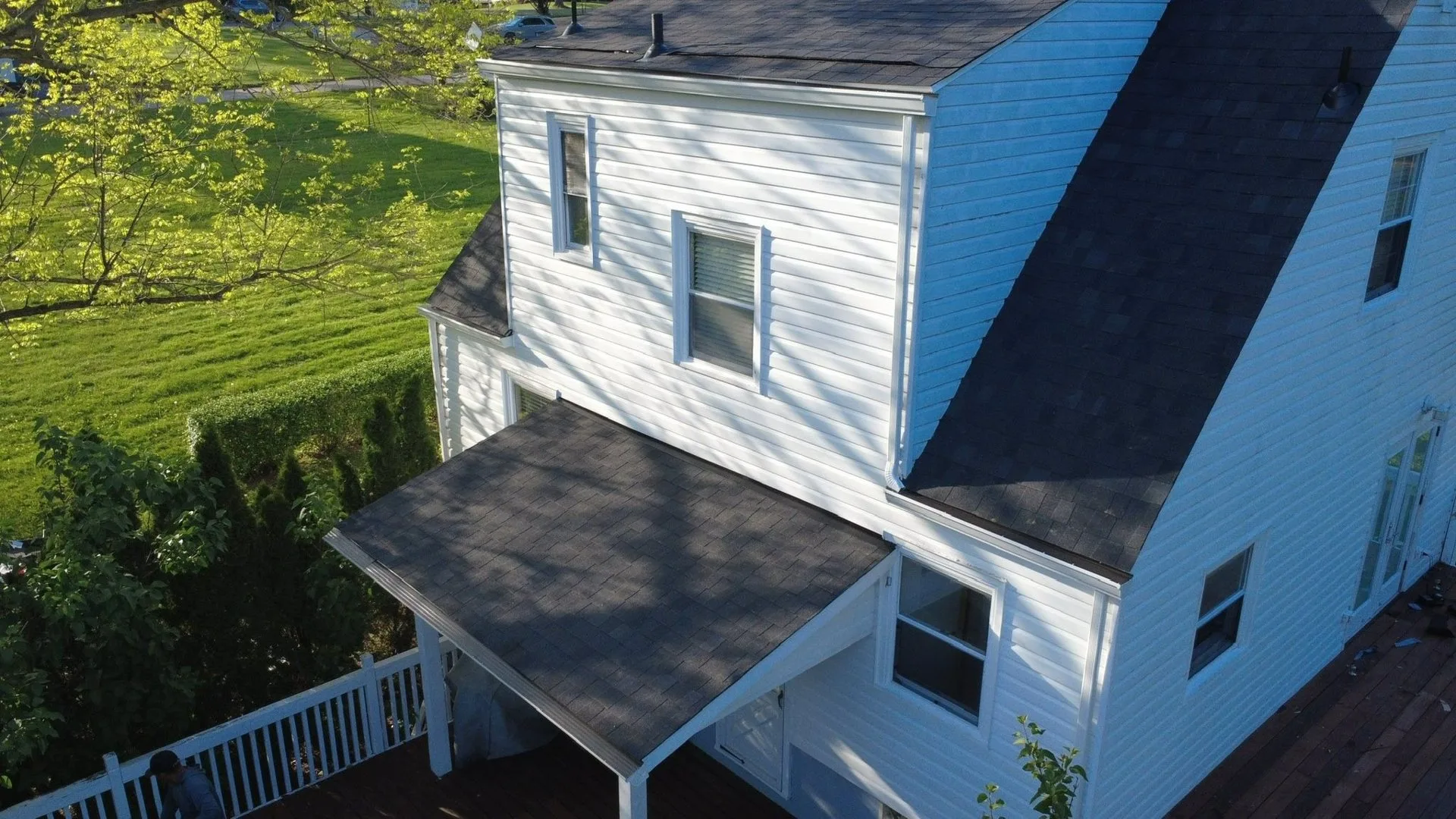
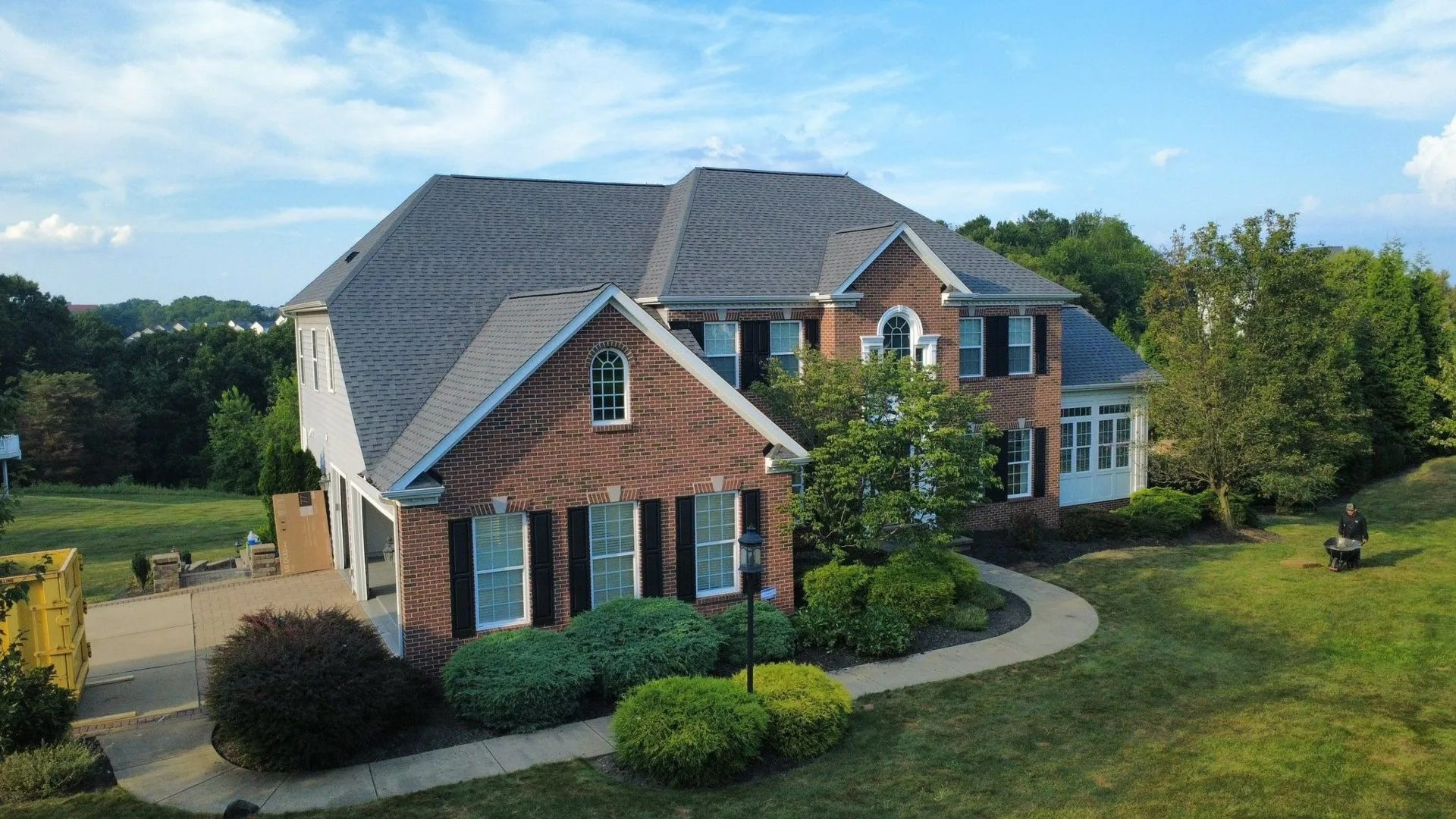
May 2025 Project
A finished roof photographed by our crew after the install, May 2025.
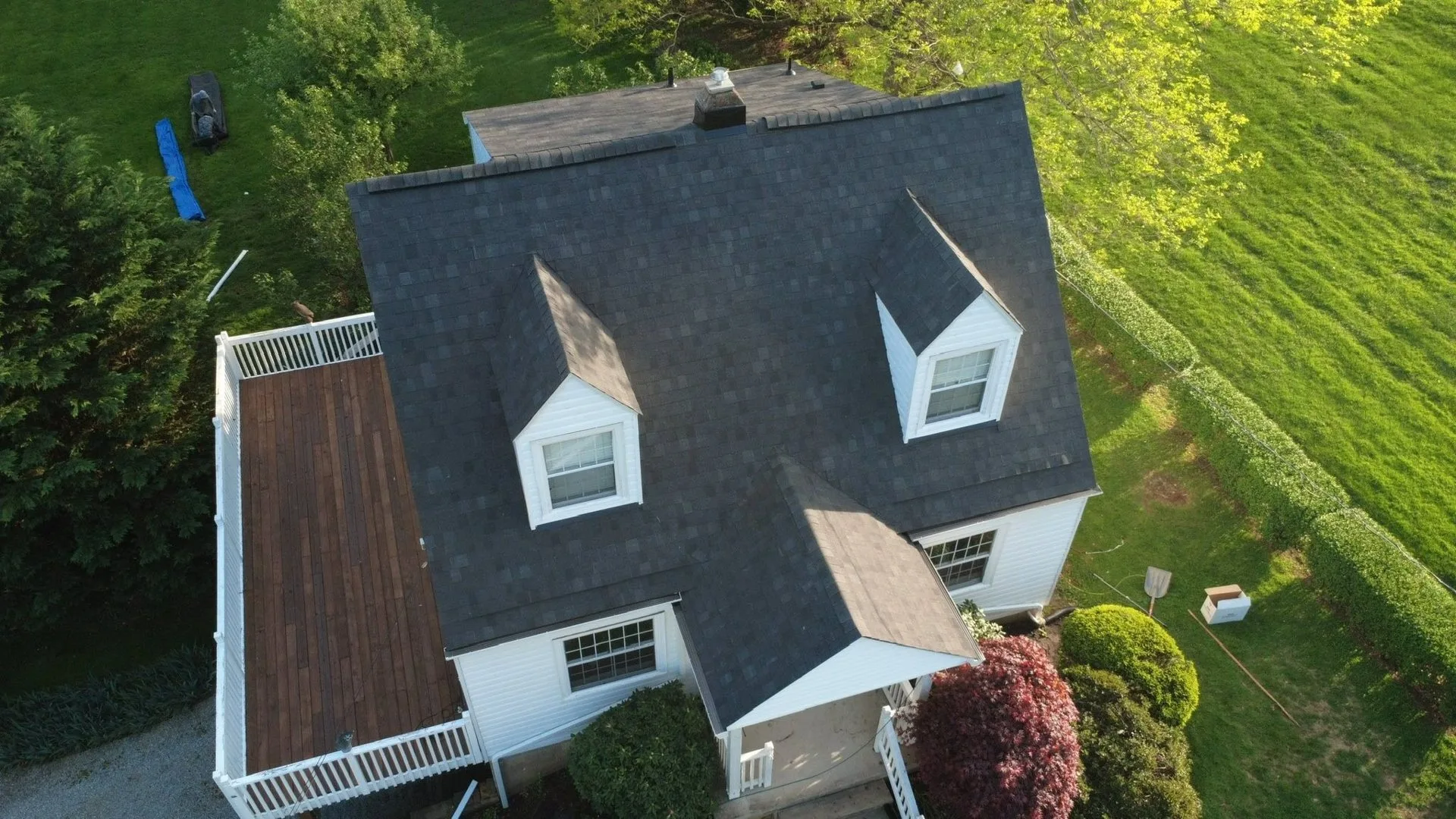
May 2025 Project
A finished roof photographed by our crew after the install, May 2025.
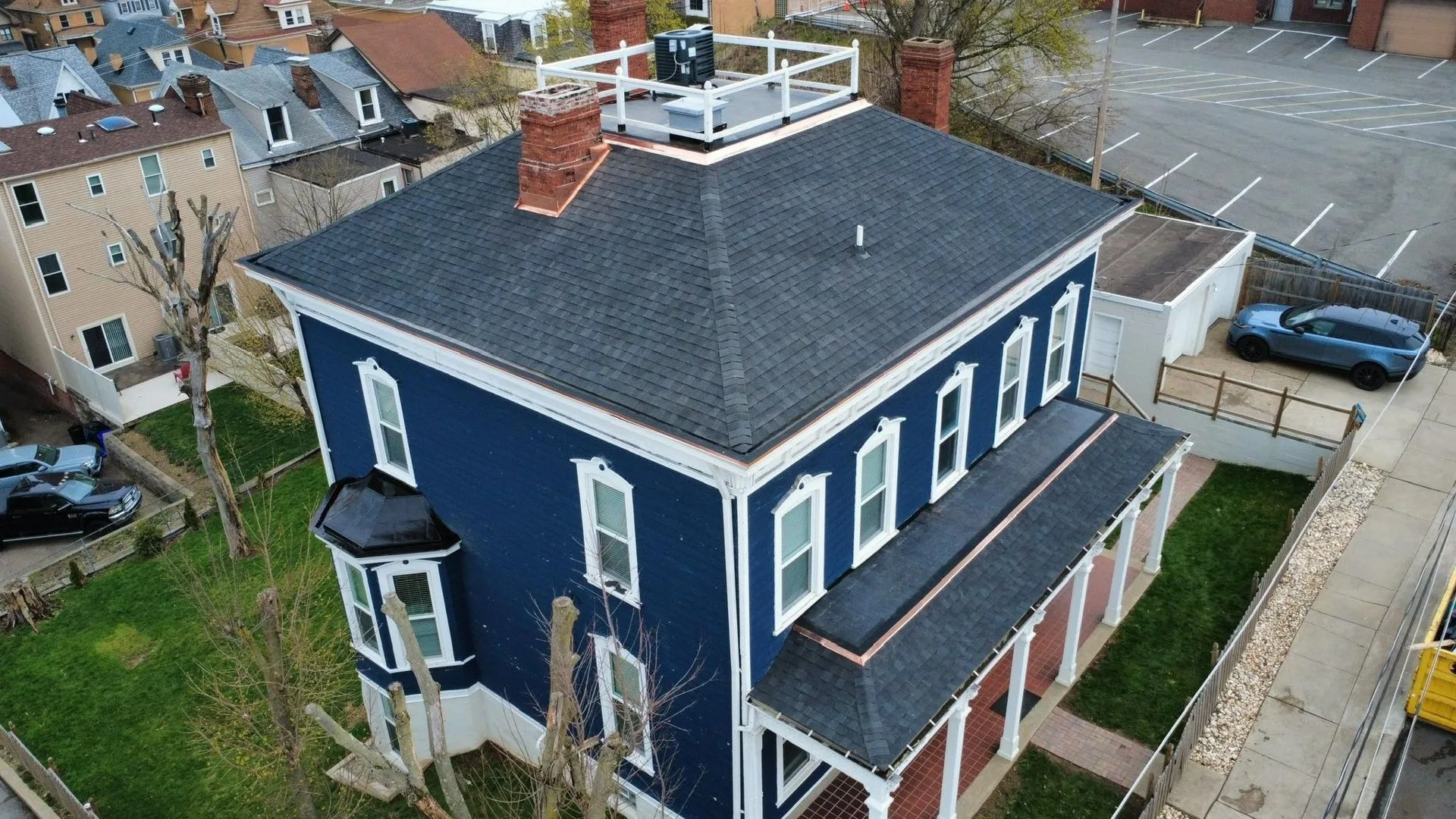
April 2025 Project
A finished roof photographed by our crew after the install, April 2025.
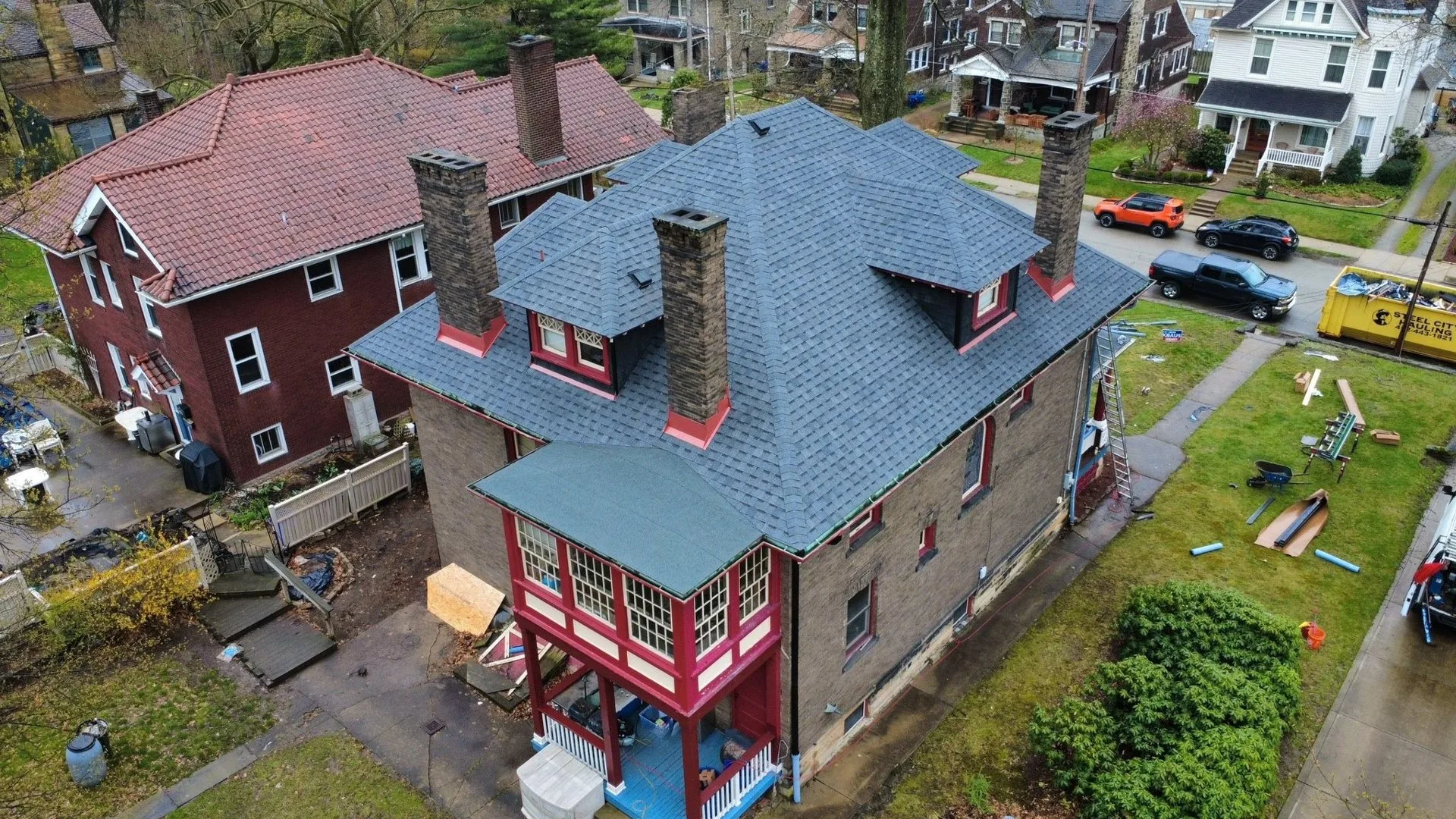
April 2025 Project
A finished roof photographed by our crew after the install, April 2025.
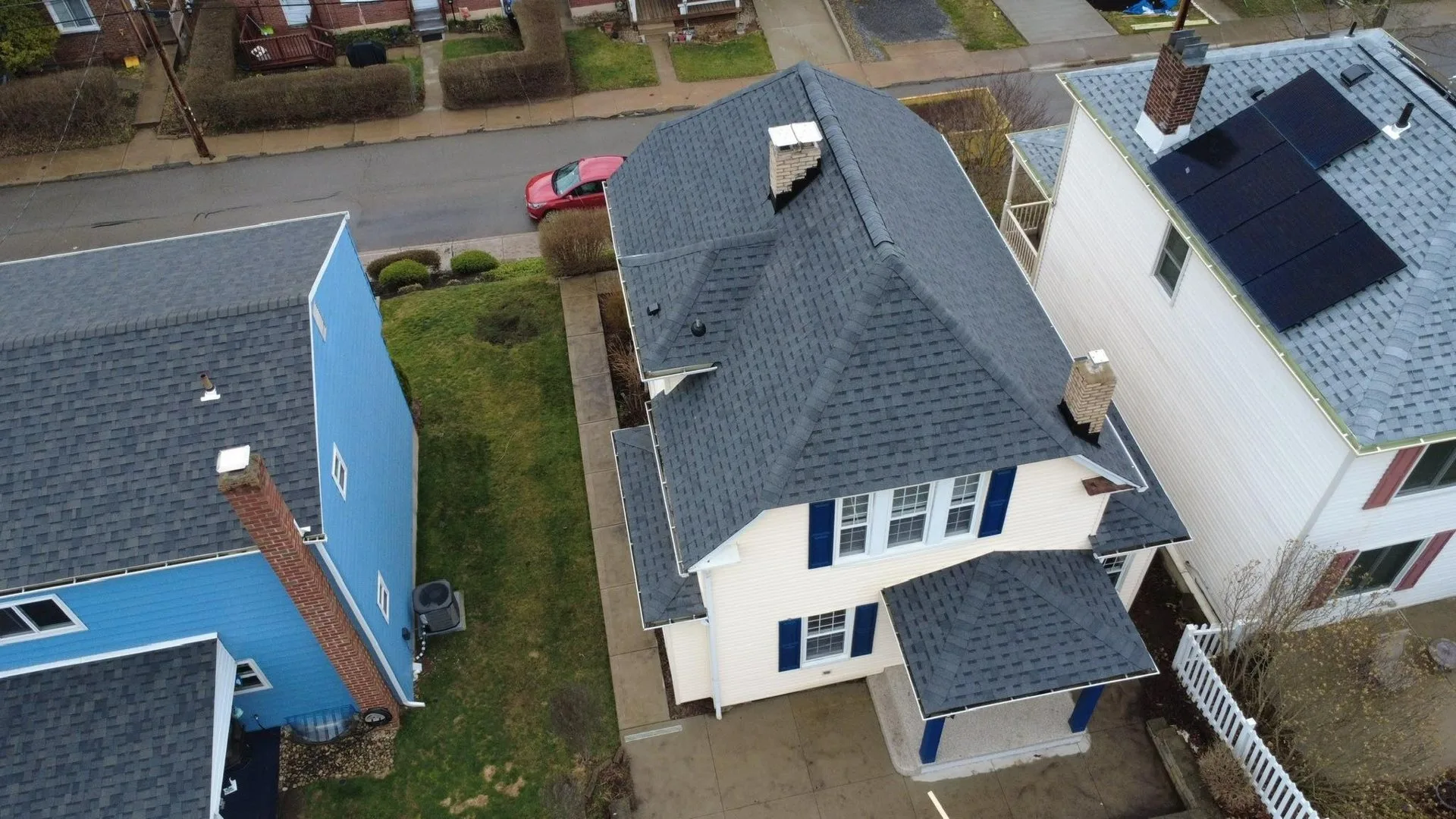
March 2025 Project
A finished roof photographed by our crew after the install, March 2025.
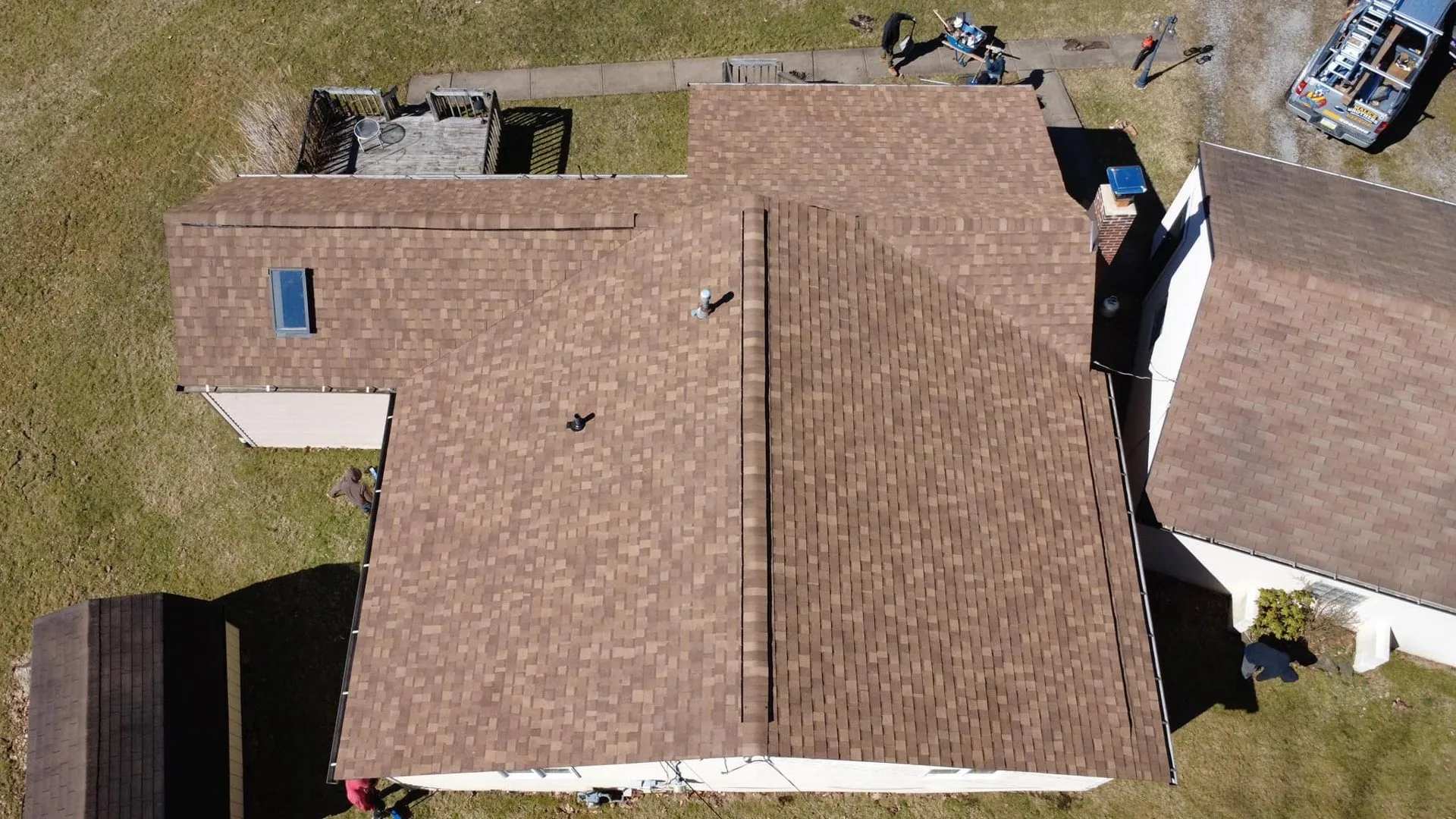
March 2025 Project
A finished roof photographed by our crew after the install, March 2025.
What Pittsburgh Homeowners Say About Us
Short excerpts from our Google reviews. Read all of our reviews on Google.

Malick Brothers are great. They helped us with a roof inspection. We plan to get them to take a deeper look at a rusted stack that needs to be replaced.
Will Ford
From the initial meeting to the final drone pictures of my new roof, I was completely satisfied with the work...
Patricia Huckestein
After multiple estimates I went with Malick. You get what you pay for. Professional, communicative and thorough. Clint was quick to reply and answer any questions I had...
Dan Reese
I recently had a new roof installed by Malick Brothers. Clint and his team did a fantastic job, and I was really impressed with quality of work and attention to detail...
Angelo Miklos
Roof Inspections Across Pittsburgh
Our crews have recently worked on roofs in West View, Ross Township, Bellevue, Emsworth, Ben Avon, Allison Park, Squirrel Hill and Mt. Washington.
From our home base at 500 Perry Highway, we inspect roofs throughout Pittsburgh, the North Hills and nearby communities in Allegheny, Beaver, Butler and Washington counties, including:
Roof Inspection Questions
Answers to the questions homeowners ask us before scheduling a roof inspection.
Is your roof inspection really free?
Yes. Our residential roof inspections are free and come with no obligation. If we find something that needs work, you get a free written estimate.
How long does a roof inspection take?
It depends on the size, pitch and complexity of the roof. We take the time to check the shingles, flashing, vents and attic and photograph what we find, then walk you through it before we leave.
How often should I have my roof inspected?
We recommend at least once a year and after any severe storm. Older roofs and roofs with a history of leaks benefit from closer attention.
What do you check during a roof inspection?
We check the roofing material, flashing, pipe boots, vents, valleys, edges, gutters, soffit and fascia, and the attic for leaks, moisture and ventilation problems.
Can you find storm damage I can't see from the ground?
Often, yes. Hail bruising, lifted shingles and loose flashing are hard to spot from the yard. We get up close when it's safe and photograph what we find.
Will a roof inspection help with my insurance claim?
Yes. Photos and a detailed report give your adjuster a clear record of the damage. We also work with your adjuster throughout the claim.
What happens if you find a problem?
We show you the photos, explain the issue and give you a free written estimate for the repair or replacement. You decide what to do, with no pressure.
Should I get a roof inspection before buying a home?
It's a smart step. A general home inspection may not include a close look at the roof. Knowing the roof's condition helps you plan and avoid surprises after closing.
When is the best time of year for a roof inspection?
Spring and fall are ideal. Spring shows what winter did to the roof, and fall lets you fix problems before snow and ice arrive. We also work all winter, so after any big storm is a good time too.
Are you licensed and insured?
Yes. Malick Brothers Exteriors is fully licensed (PA HIC# PA174918) and insured to protect our crew and your property.
Schedule Your Free Roof Inspection
Tell us about your roof and we'll schedule a free inspection with photos and clear recommendations. Prefer to talk? Call (412) 616-0191.