Commercial Roof Inspection in Pittsburgh, PA
Free commercial roof inspections with a written report and photos for budgeting, insurance and purchases.
- Five star Google reviews
- BBB A+ rated
- AtlasPro+ Platinum Select
- PA HIC# PA174918
Know the Condition of Your Roof Before It Costs You
Most commercial roof problems start small and stay hidden until a ceiling tile drops. A regular inspection finds them while they're still cheap to fix and gives you real numbers to budget with. Malick Brothers Exteriors inspects flat, low slope and metal roofs on commercial buildings across Pittsburgh and the North Hills for free, and gives you a written report of what we found with photos and recommendations.
- Free inspection with no obligation
- Written report with findings and photos
- Flat, low slope and metal roofs
- Storm damage documentation for insurance
Hundreds of five star Google reviews. Licensed and insured. Pennsylvania Home Improvement Contractor Registration Number: PA174918.
Call for an Estimate
(412) 616-0191
Schedule Your Free Commercial Roof Inspection
Tell us about your building and we'll set up a time to inspect the roof.
Certified, Licensed and Trusted



A Straight Answer About Your Roof
An inspection should tell you three things: what condition the roof is in, what needs attention now, and what can wait. That's what we give you, in plain language, without pressure to buy anything.
Malick Brothers Exteriors is a family owned roofing company, born and raised in West View and based at 500 Perry Highway, with a BBB A+ rating. Because we install and repair the same systems we inspect, including MuleHide .060 EPDM, MuleHide 2 ply low slope systems and MuleHide silicone coatings, we know where each one tends to fail and what it takes to fix it.
- Licensed and insured, PA HIC# PA174918
- MuleHide certified flat roofing contractor
- Hundreds of five star Google reviews
When a Commercial Roof Should Be Inspected
We recommend an inspection at least once a year and after any severe weather. In Pittsburgh, spring is the time to catch damage from a winter of snow, ice and freeze and thaw cycles, and fall is the time to clear drains and fix weak spots before the snow comes back.
- Once a year, ideally in spring or fall
- After high wind, hail or heavy snow
- Before you buy, sell or lease a building
- Before budget season, to plan repairs or replacement
- After HVAC or other trades have worked on the roof
- Whenever a stain or leak shows up inside
Buying a property? Read why you shouldn't skip the roof inspection. Fall leaves are another Pittsburgh problem, covered in how fall leaves affect flat commercial roofs.
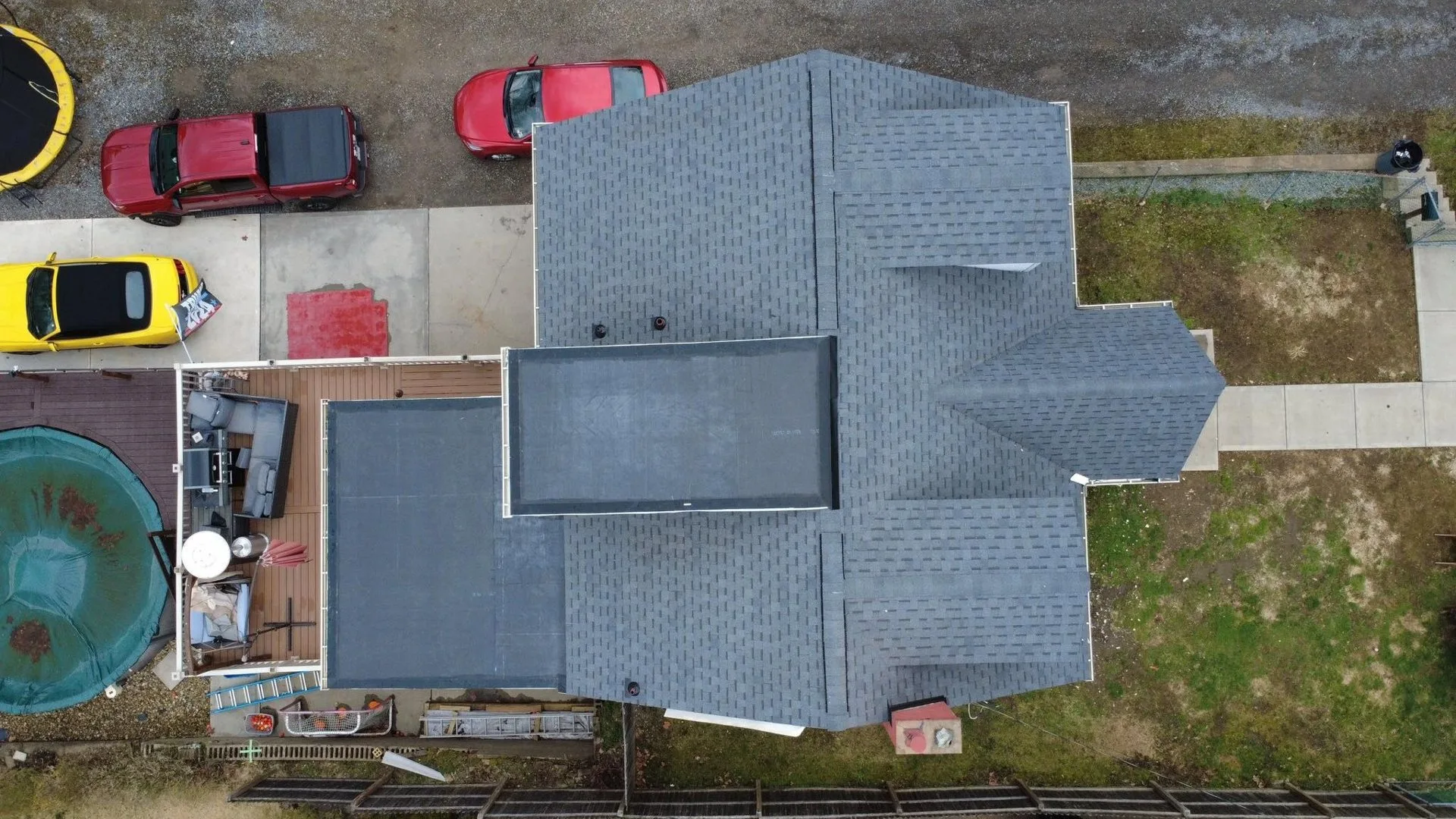
Documentation for Budgets, Insurance and Due Diligence
Every inspection ends with a written report of our findings and recommendations for maintenance or repairs, with photos of each issue. Property managers use it to plan budgets, show owners what is going on overhead and keep a record of the roof over time.
If a storm damaged the roof, the same photos and report support your insurance claim. If you're buying a building, it tells you what you're taking on before you close.
- Overall condition of the roof system
- Problems found, with photos and locations
- Recommended repairs and maintenance, by priority
- Our honest view on repair versus replacement
Managing several buildings? See what a roof asset management plan is.
Inspections for Membrane, Built Up, Coated and Metal Roofs
Each roofing system wears out in its own way, so we look for different things on each one. On TPO, EPDM and PVC, we focus on seams, flashing, punctures and shrinkage at the edges. On built up roofs, we look for blisters, cracks and bare spots. On coated roofs, we check for worn or peeling coating. On metal roofs, we check fasteners, sealant at laps and rust around penetrations.
On every roof, we check drainage. Clogged drains and ponding water cause more flat roof trouble in Pittsburgh than almost anything else. On older buildings we also check box gutters. In Bellevue, we sealed leaking box gutters with a silicone coating.
If we find a problem, our commercial roof repair team can fix it. If the roof is near the end of its life, see commercial roof replacement.
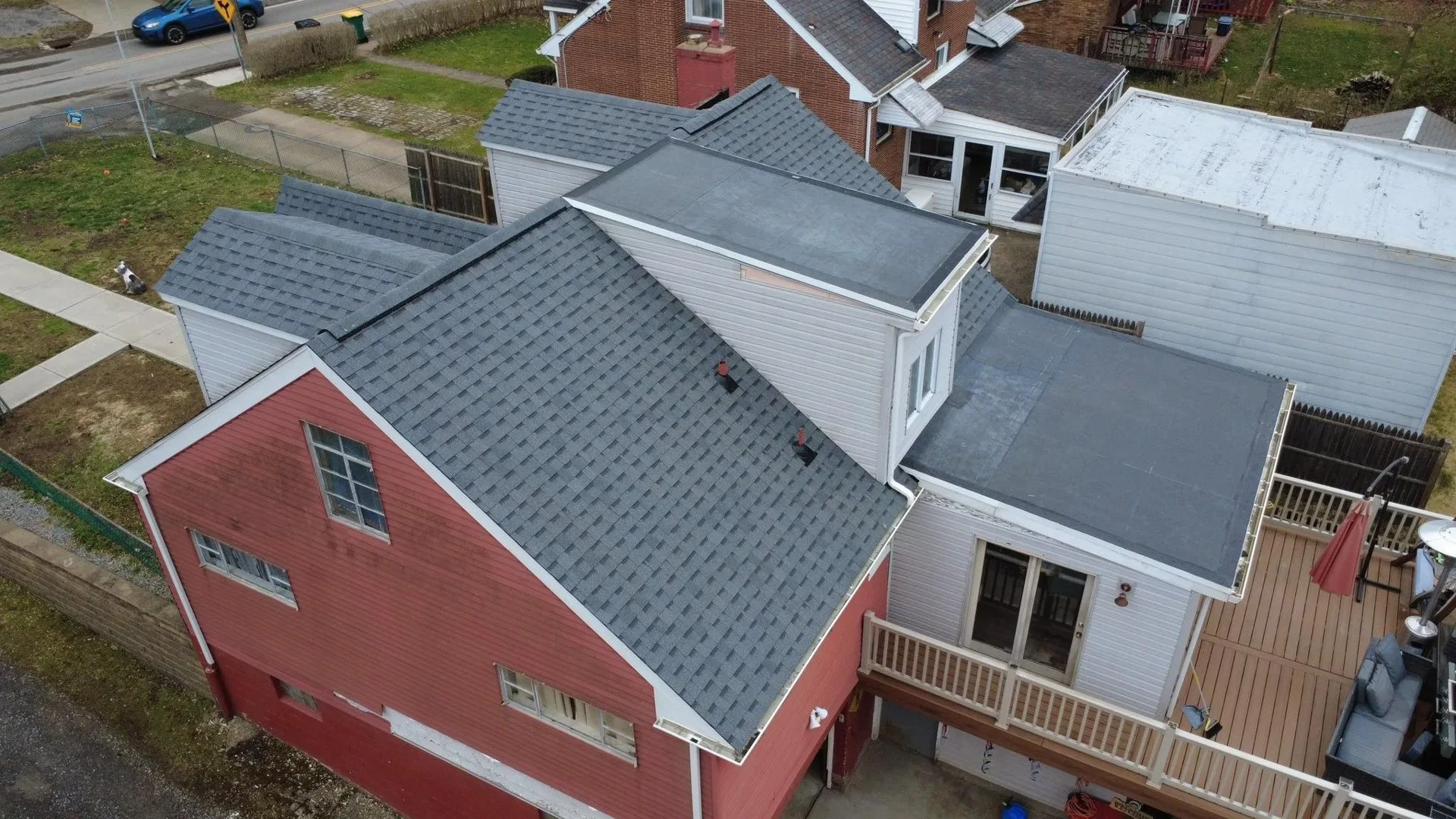
Our Commercial Roof Inspection Process
-
Schedule your free inspection
Tell us about the building, roof access and any known leaks.
-
Check inside first
We look at ceilings, walls and the top floor for signs of water.
-
Inspect the roof
Membrane, seams, flashing, drains, penetrations, edges and rooftop units.
-
Photograph every issue
Each problem is photographed and noted by location on the roof.
-
Written report
Findings with recommendations for maintenance or repairs.
-
Next steps on your terms
Repair estimate, maintenance or replacement planning, with no obligation.
What We Look At on a Commercial Roof
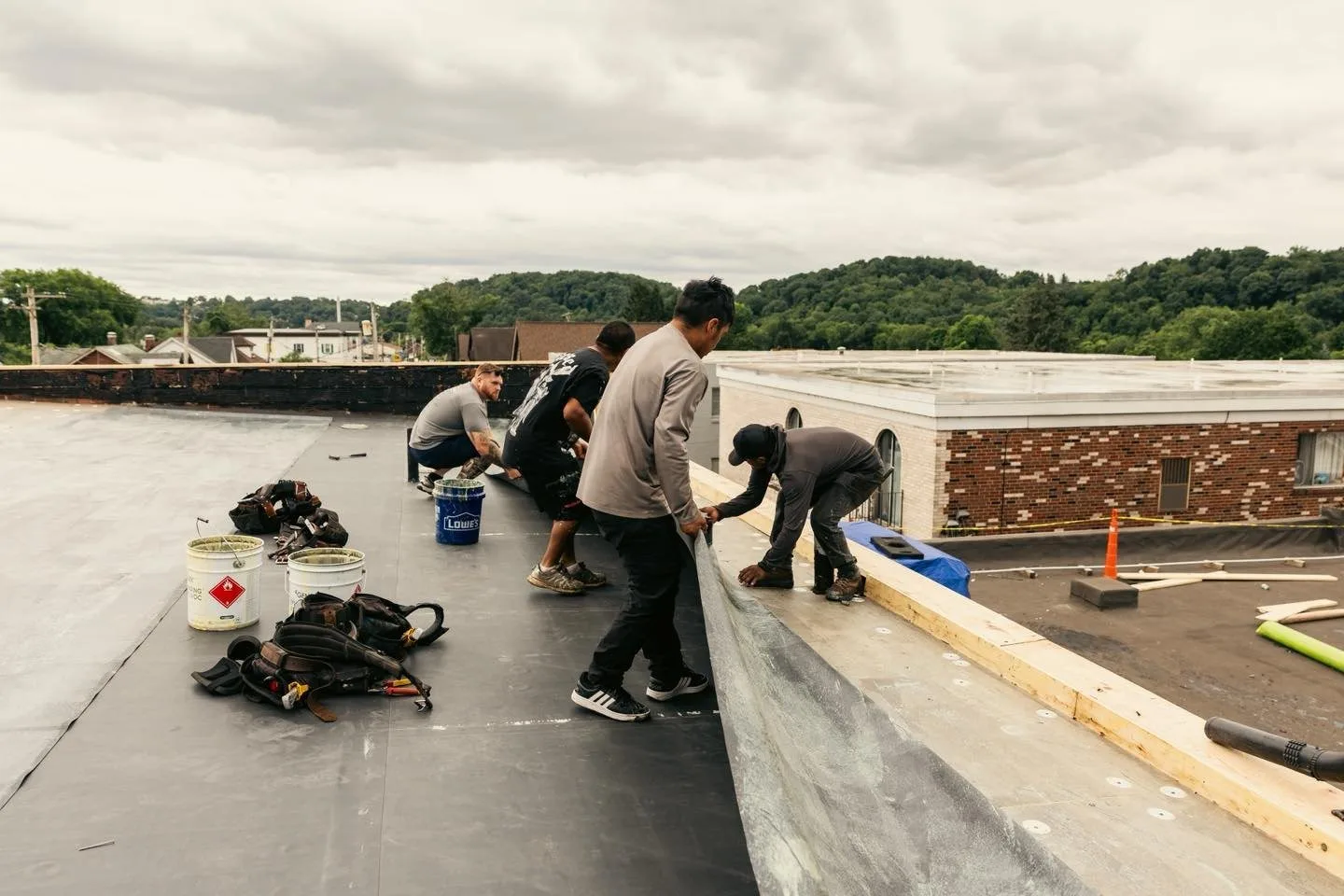
The membrane surface and seams
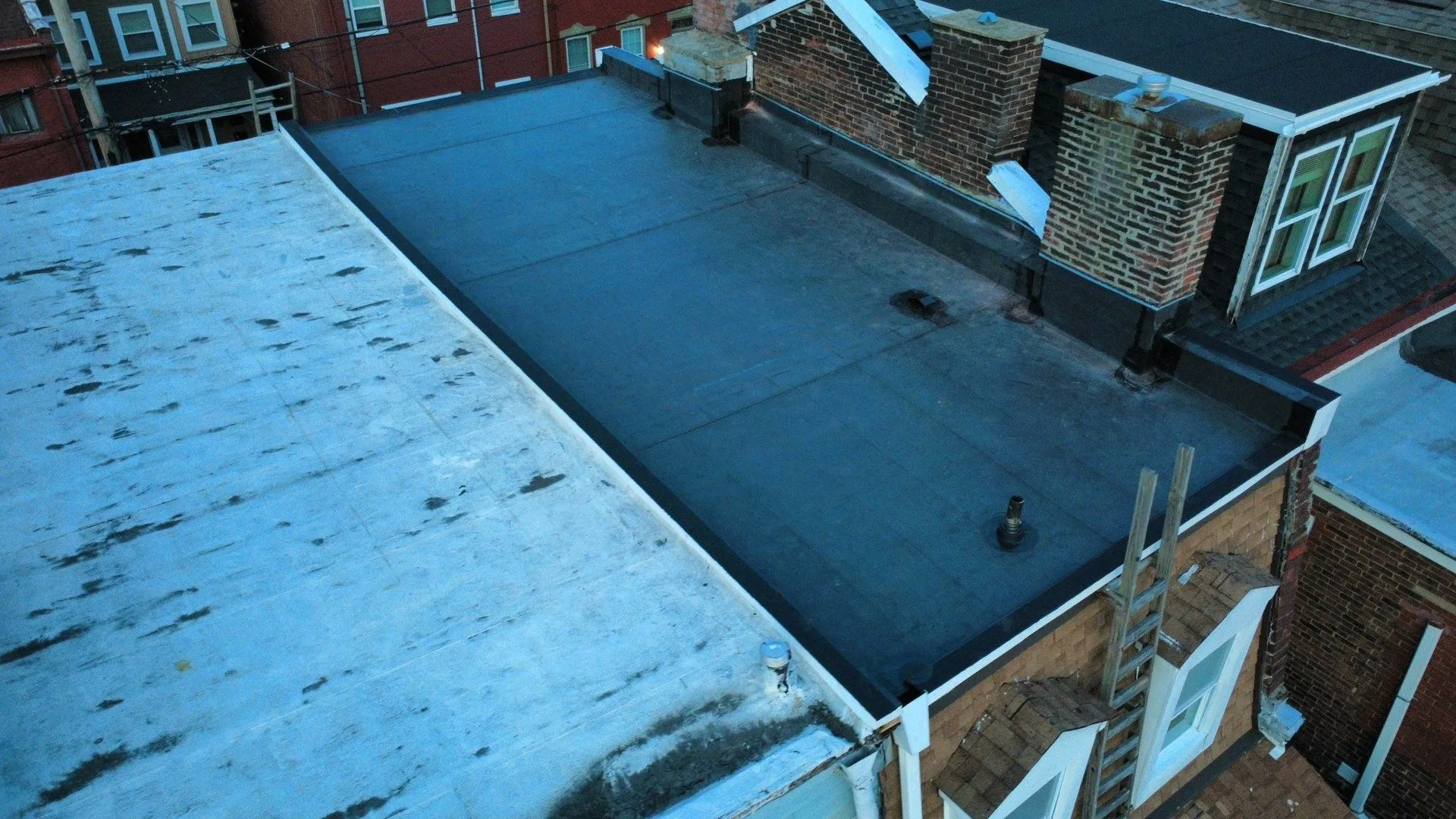
Walls, chimneys and penetrations
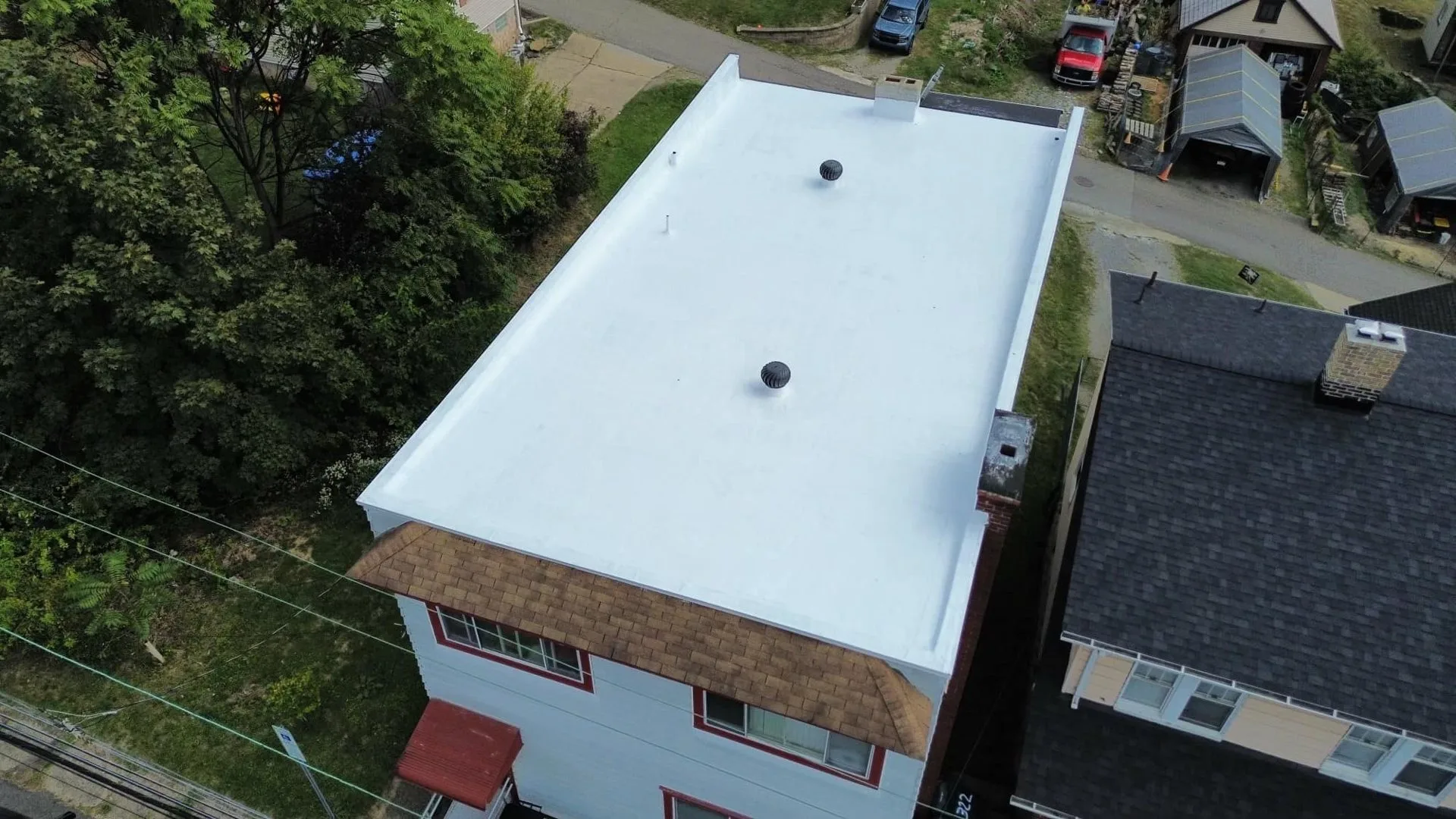
Edges and terminations
What We Look For on Each Membrane
Most flat commercial roofs around Pittsburgh are one of these three membranes. Each has its own warning signs.
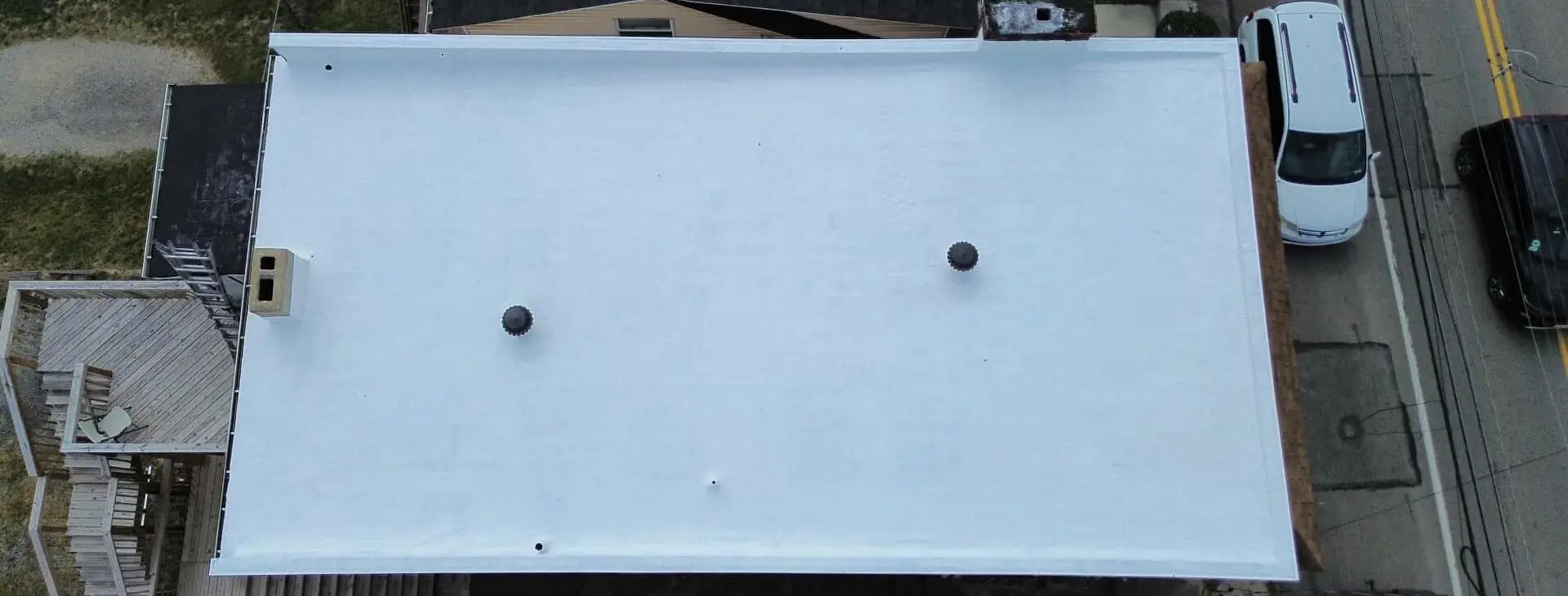
TPO Membrane
We check welded seams, flashing at curbs and walls, and the surface for cracks, punctures or wear around rooftop equipment. Learn more about tpo membrane.
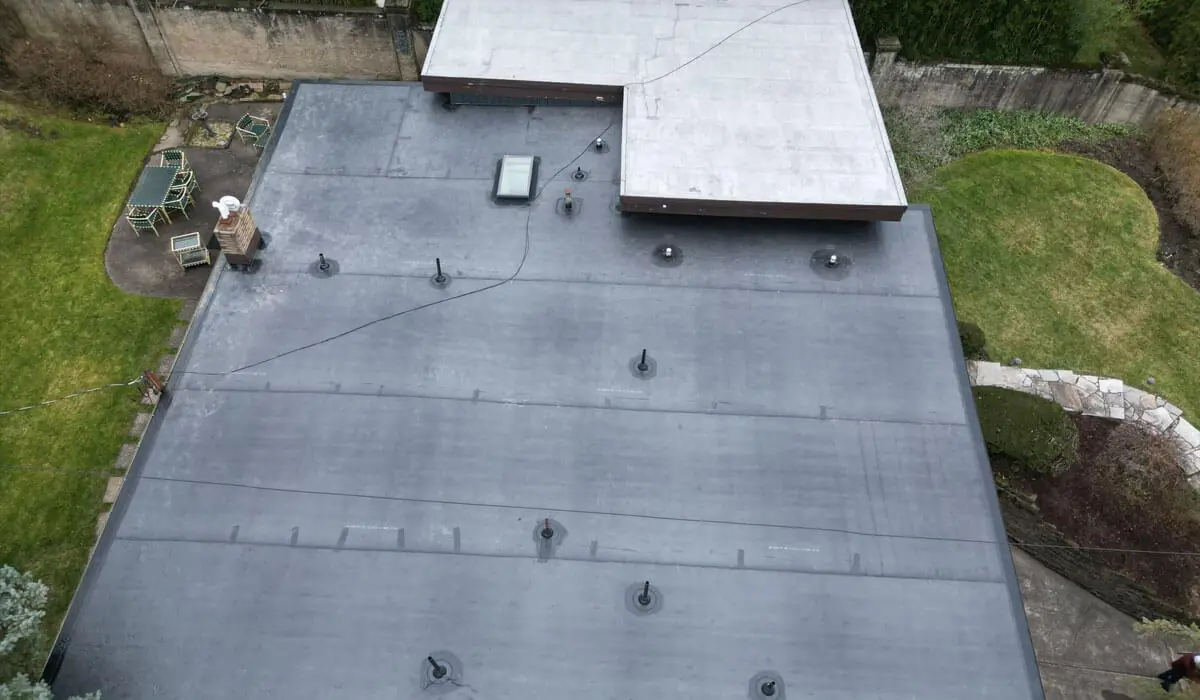
EPDM
We look for seams that are lifting, membrane pulling back from edges and walls, and punctures from foot traffic or debris. Learn more about epdm.
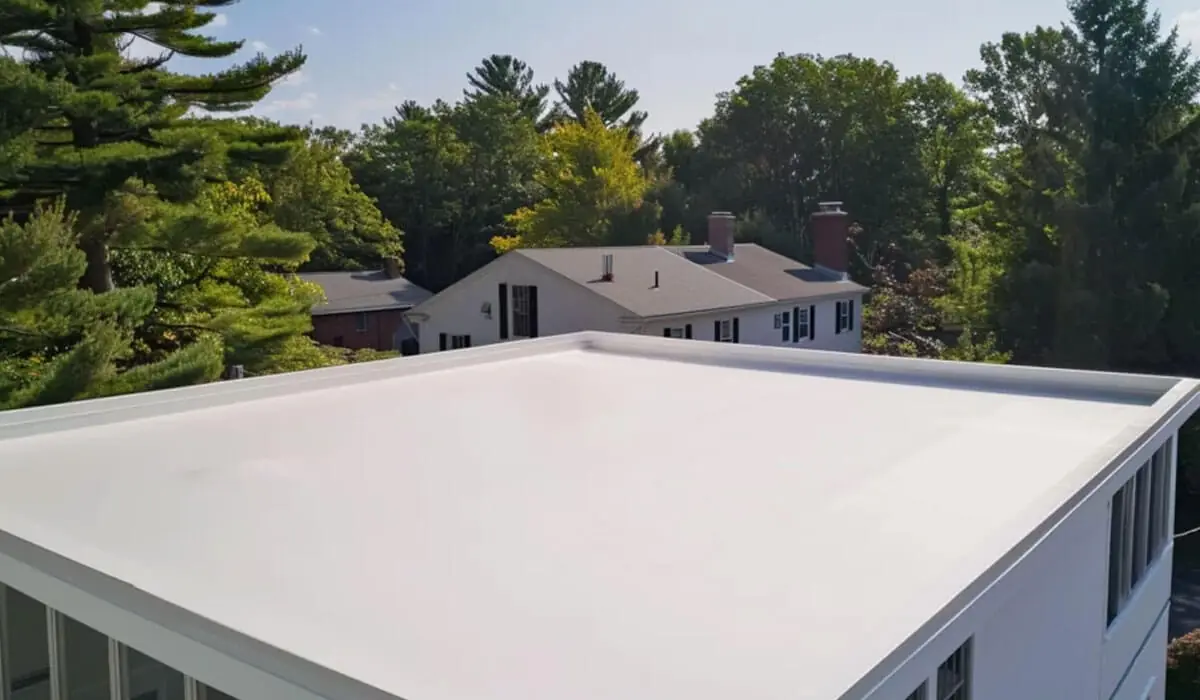
PVC
We check seams and flashing, and look closely around kitchen exhaust and vents where grease and heat can wear the membrane. Learn more about pvc.
Want to Know Where Your Roof Stands? Call for a Free Inspection
(412) 616-0191
What Every Commercial Roof Inspection Includes
A quick look from the ladder isn't an inspection. Every free inspection covers these four areas.
Roof Surface and Seams
The full field of the roof, every seam and any soft, blistered or damaged areas.
Flashing and Penetrations
Walls, parapets, curbs, pipes, vents and rooftop units.
Drainage
Drains, scuppers, gutters and signs of ponding water.
Written Report With Photos
Findings and recommendations you can share with owners or your insurer.
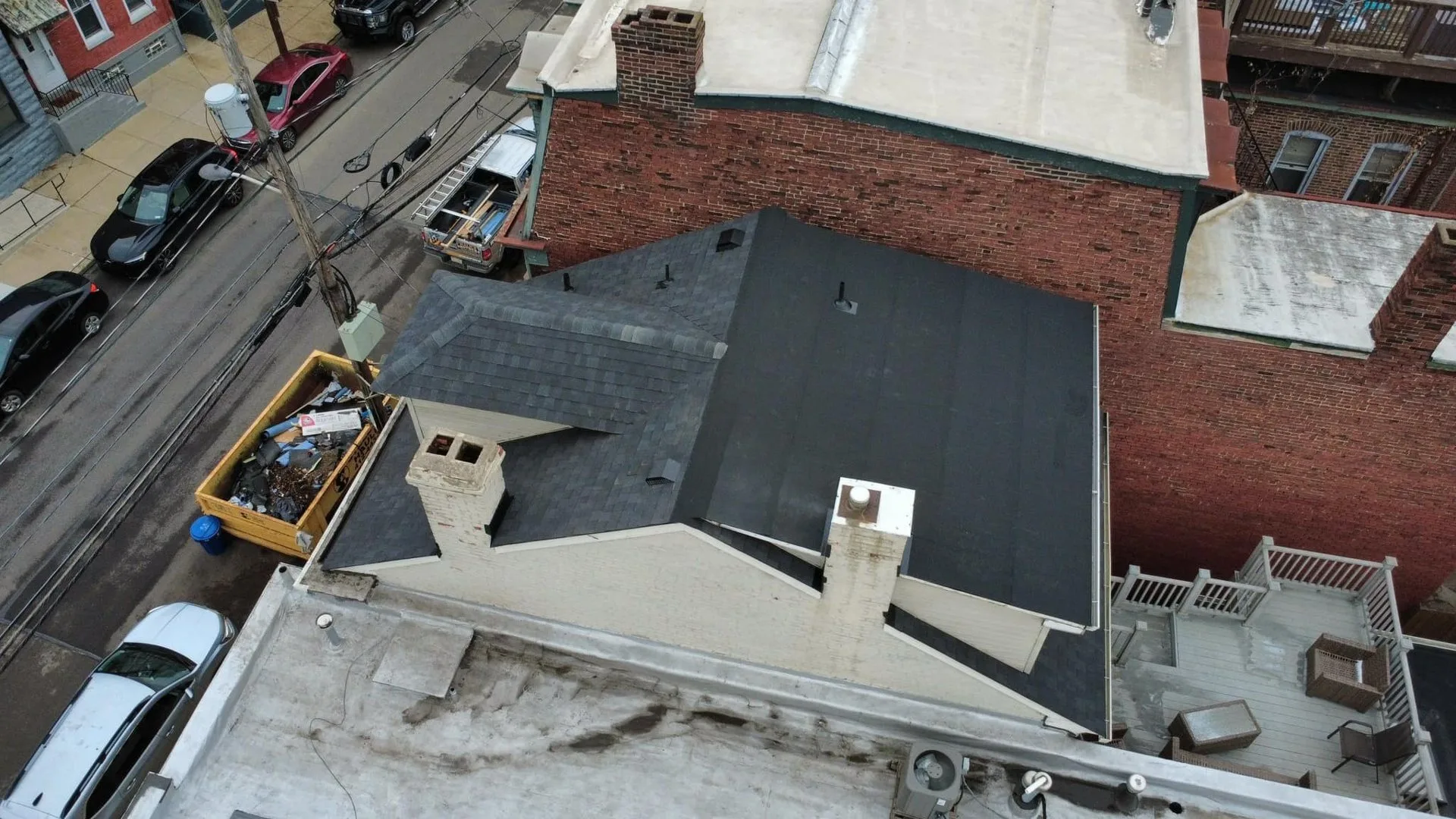
Using Your Inspection to Plan Roofing Costs
The inspection is free. What it finds is what drives your roofing budget. These are the conditions that most affect what your roof will cost to maintain, repair or replace:
- Age and type of the roof system
- How much of the insulation is wet
- Number and condition of seams and flashing
- Rooftop units, curbs and penetrations
- Drainage problems and ponding areas
- Roof size, height and access
With a report in hand, you can fix the urgent items now and budget for the rest. Read why facility managers keep a roof drainage map.
Protect Your Warranty and Your Claim
Many manufacturer warranties expect a roof to be maintained, and a record of regular inspections helps show that it was. When we install or repair your roof, our work is backed by a labor warranty on the workmanship plus any manufacturer warranty on the system.
After wind, hail or a fallen limb, an inspection documents the damage with photos and a written report, and we work with your adjuster through the claim. If the inspection shows larger work is needed, ask about financing through our trusted regional lender.
- Inspection records for your building file
- Storm damage photos and reports for claims
- Help working with your insurance adjuster
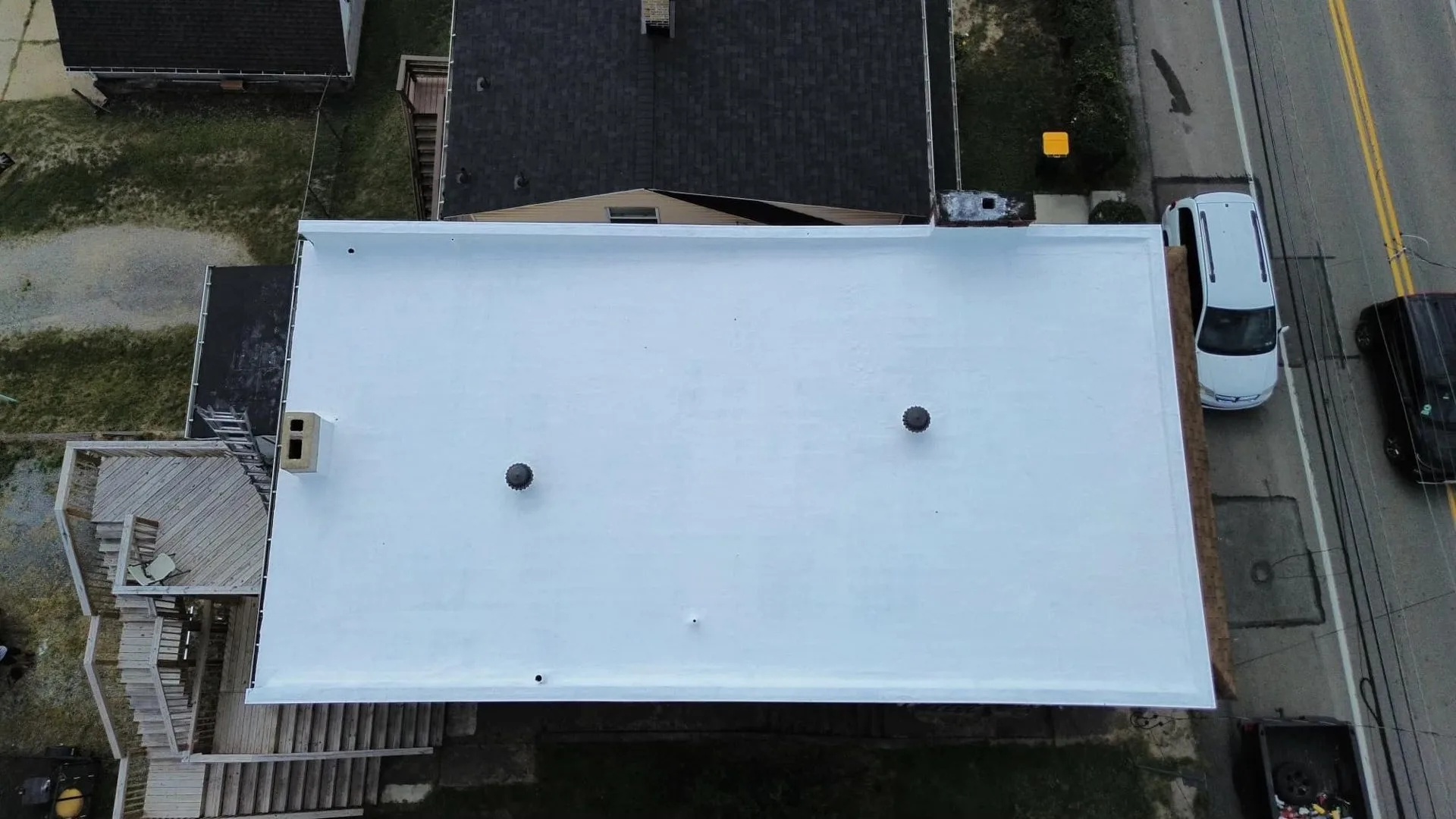
Commercial Roofs Our Crews Have Worked On
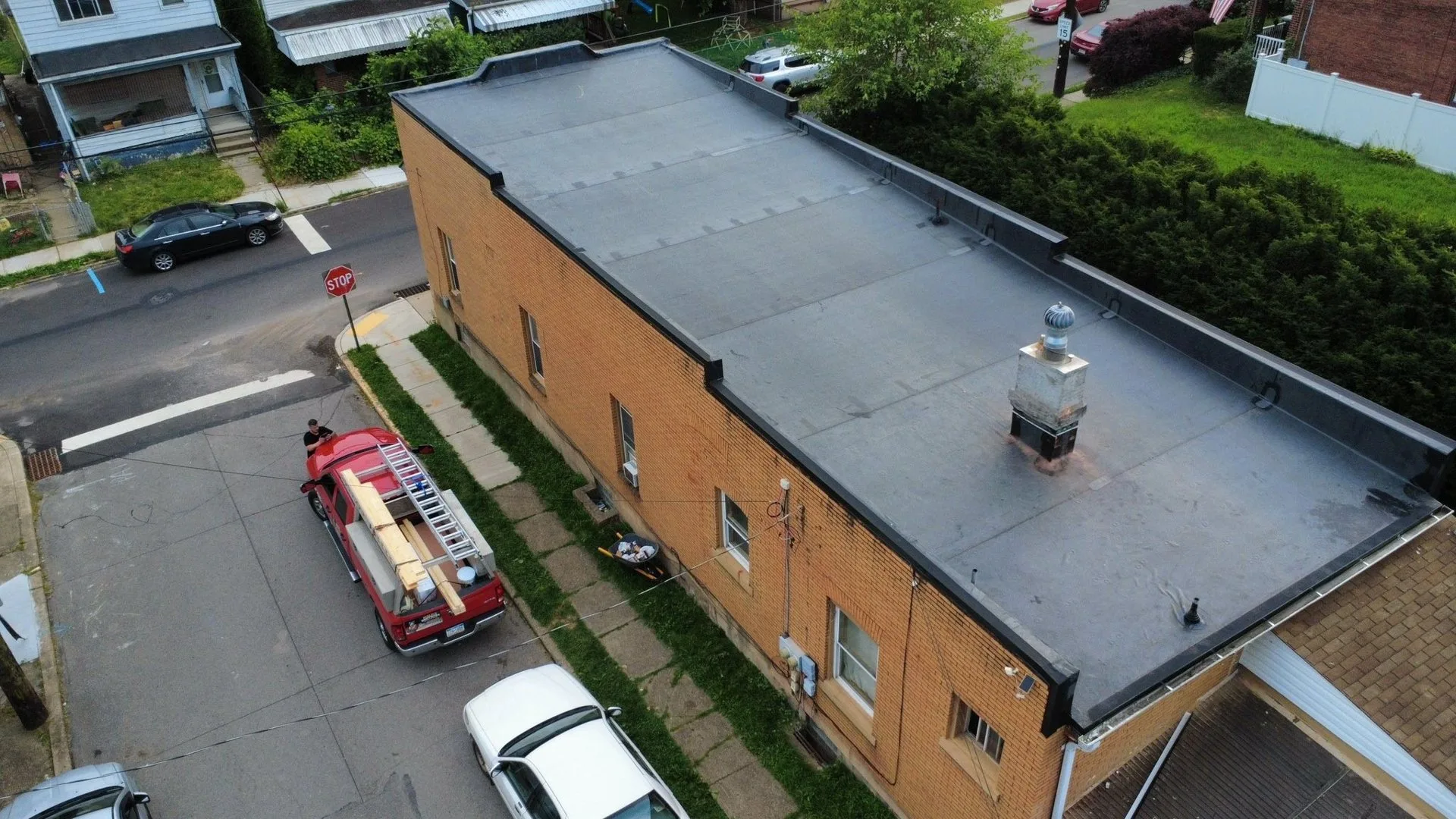
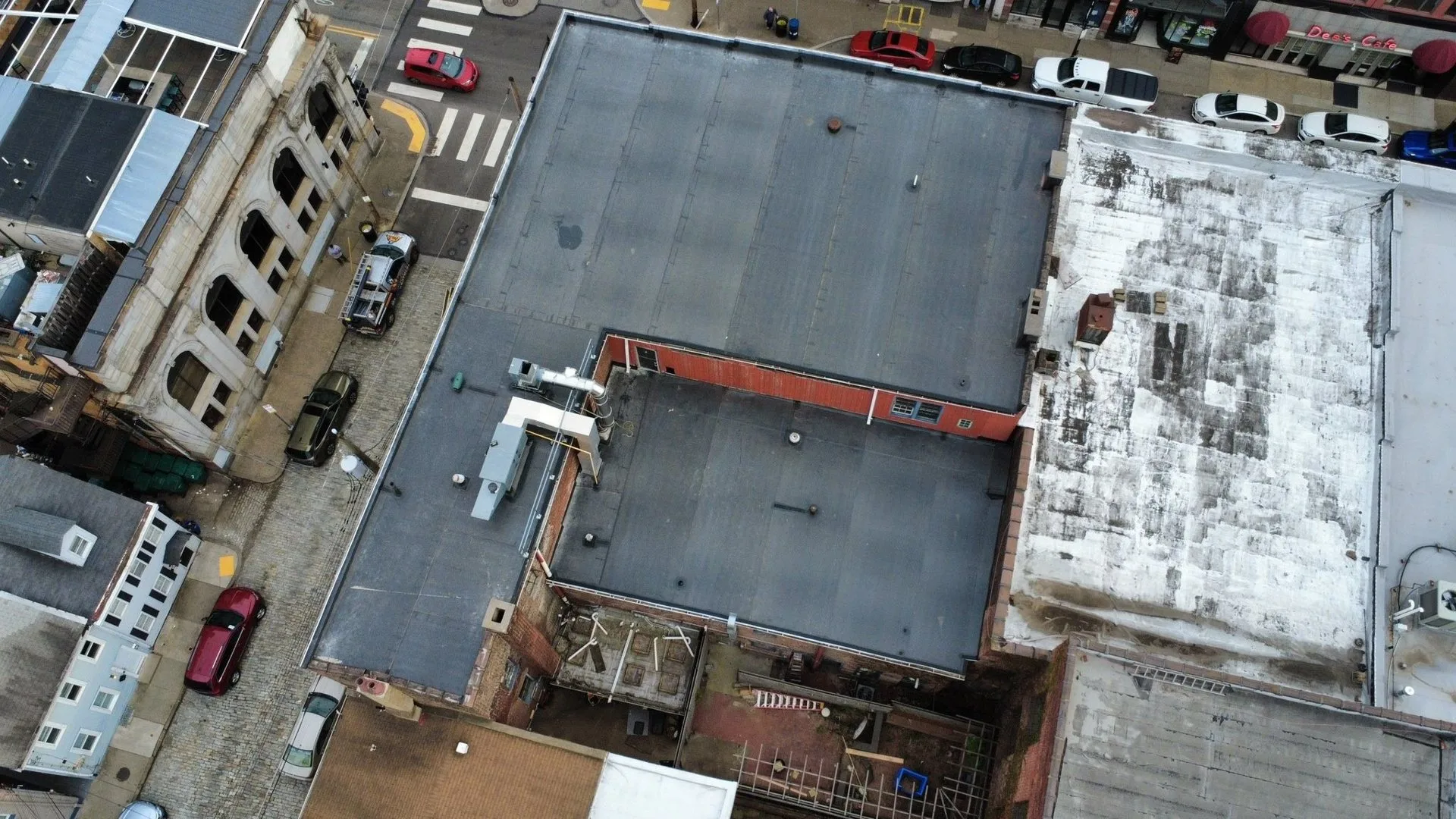
Flat and low slope roofs from our commercial crews around Pittsburgh. Click any photo to see it full size.
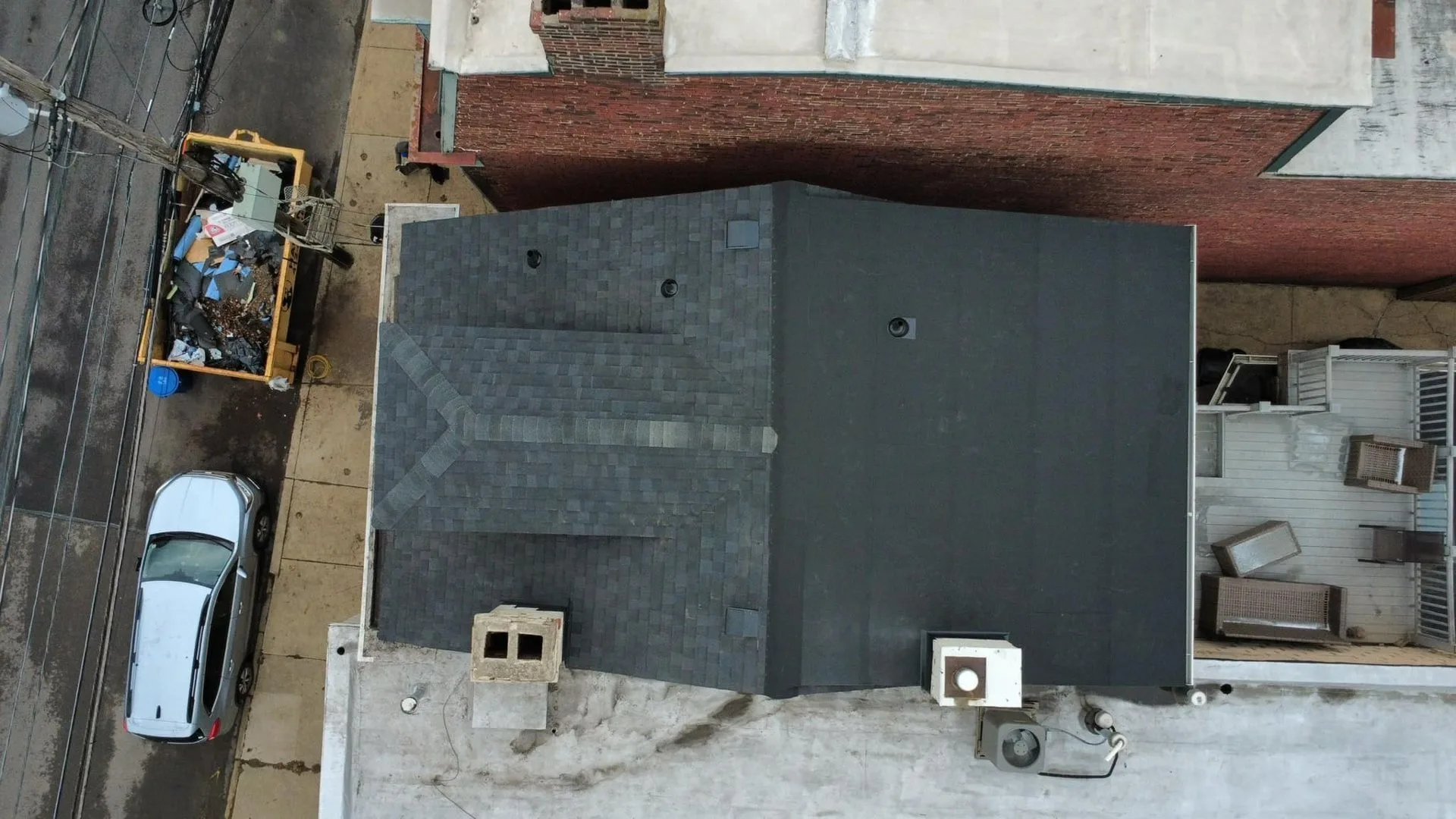
March 2025 Project
A low slope roof completed by our commercial crew, March 2025.
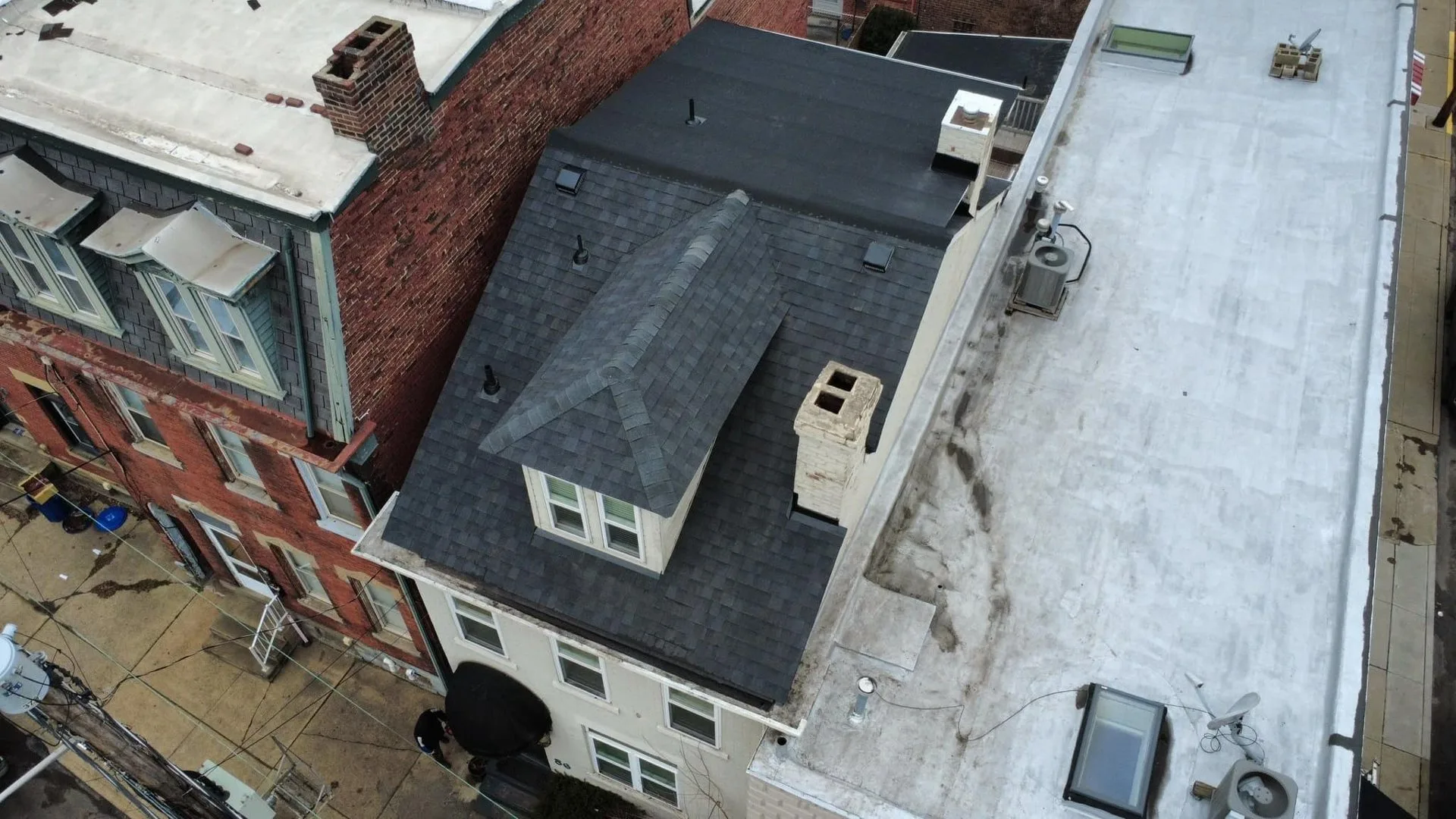
March 2025 Project
A low slope roof completed by our commercial crew, March 2025.
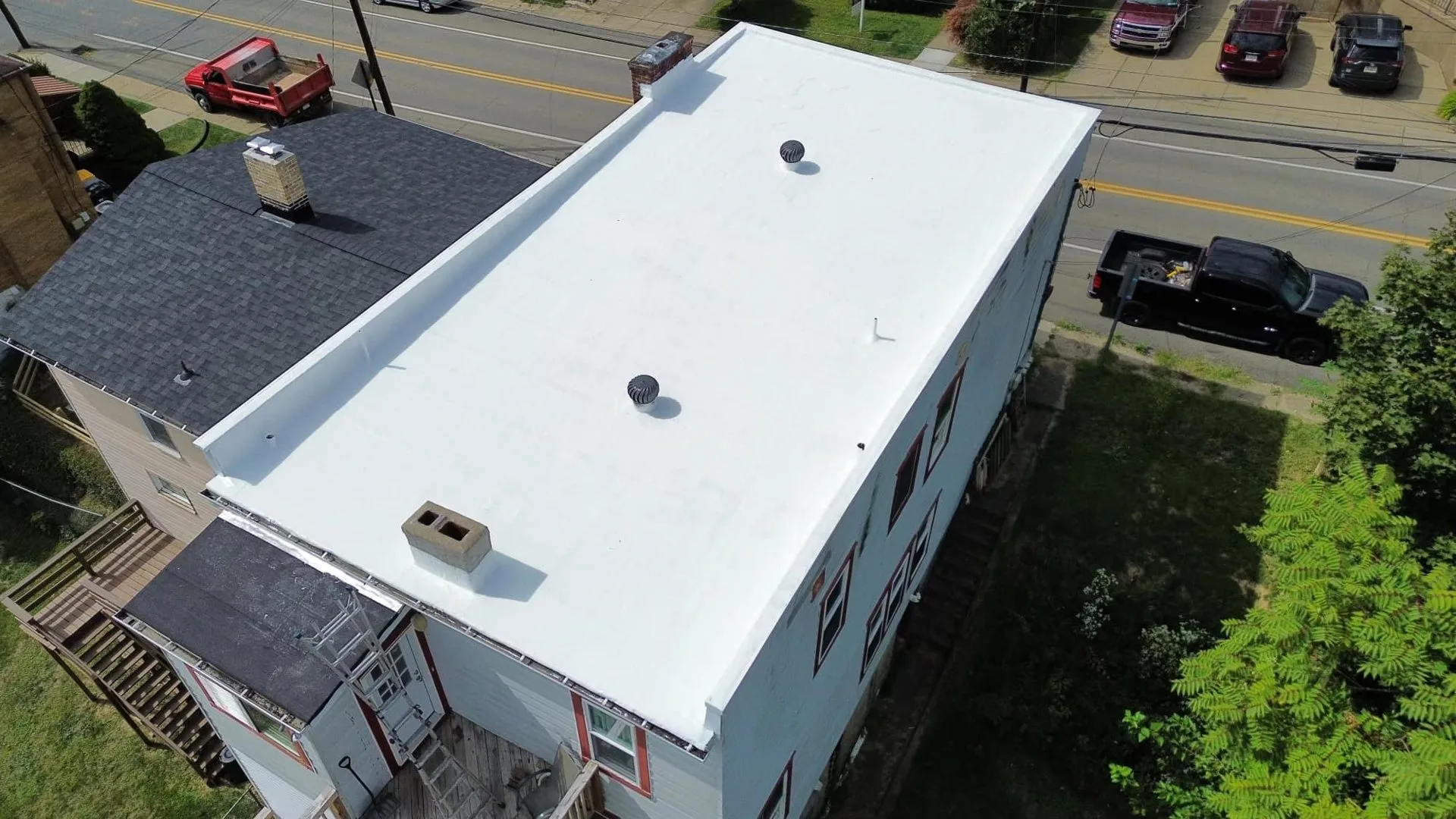
September 2024 Project
A low slope roof completed by our commercial crew, September 2024.
What Our Customers Say
Short excerpts from our Google reviews. Read all of our reviews on Google.

It's very refreshing to work with a prompt, organized company...
Hillary Demmon

I was looking for a locally owned family business online ( close to the Northside) and gave them call. I am so glad they responded and came by before any other company!...
Heidi Holt

I had an issue with my insurance company on the roof of a house I just purchased and needed it done right away...
Shawn Barrett
Commercial Roof Inspections Across Greater Pittsburgh
Our commercial crews have recently worked on Pittsburgh Mirror and Glass, an apartment building in McKees Rocks and low slope roofs in Glenshaw, Observatory Hill and Mt. Washington.
From our base at 500 Perry Highway, we inspect commercial roofs throughout Pittsburgh, the North Hills and nearby communities in Allegheny, Beaver, Butler and Washington counties, including:
Commercial Roof Inspection Questions
Answers to the questions property managers, owners and buyers ask about roof inspections.
Is the commercial roof inspection really free?
Yes. Our inspections and estimates are free and come with no obligation. If you need repairs, you decide whether and when to move forward.
How often should a commercial roof be inspected?
We recommend at least once a year and after any severe weather. Spring and fall inspections work well in Pittsburgh, to catch winter damage and to prepare drains and seams for the next winter.
What does a commercial roof inspection include?
We check the roof surface and seams, flashing at walls and curbs, pipes and rooftop units, drains and ponding, the edges, and the interior below for signs of water.
Do I get a written report?
Yes. You receive a written report with our findings and recommendations for maintenance or repairs, along with photos of the issues we found.
How long does an inspection take?
Large or complex commercial roofs can take longer, and we'll let you know ahead of time.
Do I need to be there?
You don't need to go on the roof, but we need access to it. If you know where leaks or stains show up inside, pointing them out helps us trace them faster.
Should I get a roof inspection before buying a commercial building?
Yes. A roof can be one of the largest costs on a commercial property. An inspection before closing tells you its condition and what work is coming, which can help with negotiations.
Can an inspection help with an insurance claim?
Yes. After a storm, we document the damage with photos and a written report and work with your adjuster. Regular inspection records also show the roof was maintained.
What happens if you find problems?
We explain what we found and give you a written estimate for any recommended repairs. If the roof is near the end of its life, we help you plan a replacement on your schedule.
Are you licensed and insured?
Yes. Malick Brothers Exteriors is licensed (PA HIC# PA174918) and carries insurance that protects our crew and your property. We can provide proof of insurance on request.
Schedule Your Free Commercial Roof Inspection
Tell us about your building and we'll set up a free inspection and written report. Prefer to talk? Call (412) 616-0191.