Frequently Asked Questions
How much does it cost to put a roof on a 2000 sq ft house?
The cost to put a roof on a 2000 sq ft house typically ranges from $8,000 to $20,000, depending on factors such as materials, labor, and the complexity of the installation. For an accurate estimate, it's best to consult with a roofing professional.
How much does it cost to replace 1000 sq ft of roof?
The cost to replace 1,000 square feet of roof typically ranges from $3,000 to $6,000, depending on materials, labor, and any additional repairs needed. For an accurate estimate, it’s best to consult a professional roofing contractor.
How much roof leak cost?
The cost of a roof leak repair can vary widely based on factors such as the extent of the damage and the roofing materials used, typically ranging from $150 to $1,500. For an accurate estimate, we recommend contacting Malick Brothers Exteriors.
What time of year is the cheapest to replace a roof?
The cheapest time of year to replace a roof is typically during the late fall and winter months. During this period, roofing contractors often have lower demand, resulting in potential discounts and more favorable pricing for homeowners.
How much does a 1500 sq ft roof cost?
The cost of a 1500 sq ft roof typically ranges from $5,000 to $15,000, depending on the materials used, complexity of the installation, and specific local labor rates. For an accurate estimate, it’s best to consult with a professional.
What factors affect roof replacement costs?
The factors that affect roof replacement costs include the type of roofing materials selected, the size and pitch of the roof, labor expenses, and any additional structural repairs needed.
How long does roof replacement take?
The duration of roof replacement typically ranges from one to several days, depending on factors like the roof's size, complexity, and weather conditions. Malick Brothers Exteriors will provide a more precise timeline during your estimate.
What materials are best for roofing?
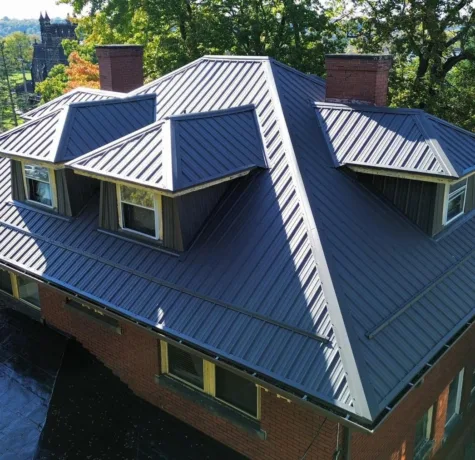
The best materials for roofing include asphalt shingles, metal, slate, and tile. Each offers unique benefits, such as durability, energy efficiency, and aesthetic appeal, making them suitable for various climates and budgets.
How can I estimate roofing costs accurately?
Estimating roofing costs accurately involves evaluating materials, labor, and the roof's size and condition. Getting multiple quotes from reputable contractors, like Malick Brothers Exteriors, can also help ensure you receive a fair assessment.
Are there financing options for roof replacement?
Financing options for roof replacement are available through Malick Brothers Exteriors. We offer flexible plans to help make your roofing project more affordable, allowing you to manage payments while ensuring your home remains protected.
What are warning signs of roof leaks?
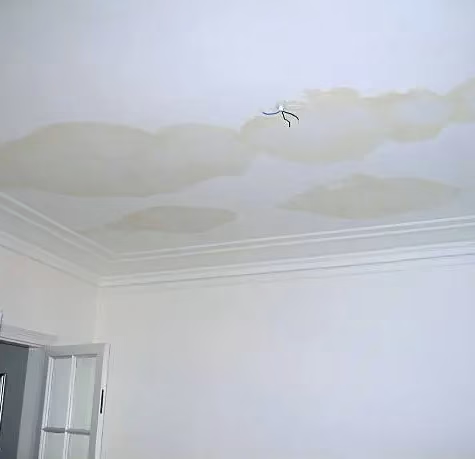
The warning signs of roof leaks include water stains on ceilings or walls, peeling paint, damp insulation, and mold growth. Additionally, look for missing or damaged shingles and visible sagging in the roof structure.
How often should I inspect my roof?
Regular roof inspections are essential for maintaining the integrity of your roof. It’s recommended to inspect your roof at least twice a year, ideally in the spring and fall, and after severe weather events.
What is the average lifespan of a roof?
The average lifespan of a roof varies based on materials and maintenance, typically ranging from 15 to 50 years. Regular inspections and timely repairs can extend its longevity significantly.
Can I replace my roof in winter?
Replacing your roof in winter is possible, but it presents unique challenges. Cold temperatures can affect materials and installation processes, so it's essential to work with experienced professionals who can ensure proper techniques are employed.
What permits are needed for roof replacement?
Permits required for roof replacement typically include a building permit and possibly zoning permits, depending on local regulations. Always check with your local municipality to ensure compliance with specific requirements and codes.
How do weather conditions impact roofing costs?
Weather conditions significantly impact roofing costs. Adverse weather such as rain, snow, or extreme temperatures can delay projects, increase labor costs, and necessitate additional materials, leading to higher overall expenses for roof repairs.
What is the ROI of new roofing?
The ROI of new roofing is significant, often yielding a return on investment of 60-70% upon resale, while also enhancing curb appeal and energy efficiency in the meantime.
Is homeowners insurance covering roof leaks?
Homeowners insurance can cover roof leaks, but coverage often depends on the cause of the leak. It's essential to review your policy or consult with your insurance agent for specifics regarding your coverage.
How to choose a reliable roofing contractor?
Choosing a reliable roofing contractor involves checking their credentials, reading customer reviews, and verifying their insurance and warranties. It's essential to request detailed estimates and ensure they have relevant experience for your specific roofing needs.
What are the benefits of roof warranties?
The benefits of roof warranties include peace of mind, protection against unexpected repair costs, and assurance of quality workmanship. They often cover materials and labor, ensuring your investment is safeguarded for years to come.
How to maintain a new roof efficiently?
Efficiently maintaining a new roof involves regular inspections for damage, cleaning gutters, removing debris, and promptly addressing any repairs. This helps ensure long-lasting protection and performance, safeguarding your investment.
Are there tax credits for roofing upgrades?
Tax credits may be available for roofing upgrades, particularly if they enhance energy efficiency. It's best to consult with a tax professional or check the IRS guidelines to determine eligibility and specific benefits.
What is involved in a roof inspection?
A roof inspection involves a thorough evaluation of your roofing system. This includes checking for leaks, damaged shingles, proper drainage, and assessing the overall condition to ensure it's functioning effectively and safely.
How can I improve roof insulation?
Improving roof insulation involves adding insulation materials like fiberglass, foam board, or spray foam in the attic or between rafters. Sealing leaks and ensuring proper ventilation can also enhance energy efficiency and comfort in your home.
What roofing options are energy-efficient?
Energy-efficient roofing options include cool roofs, which reflect sunlight to reduce heat absorption, and metal roofs, known for their durability and energy-saving properties. Additionally, tile and slate roofs provide excellent insulation, contributing to overall energy efficiency.
What steps are involved in roof replacement?
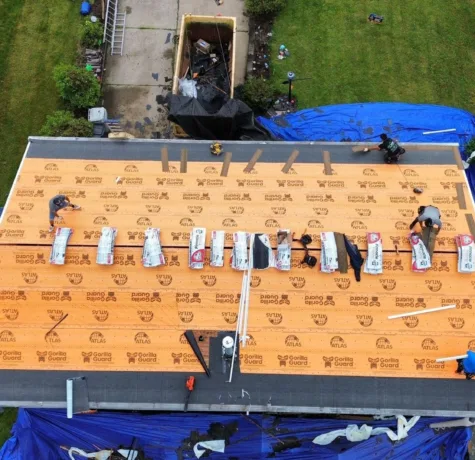
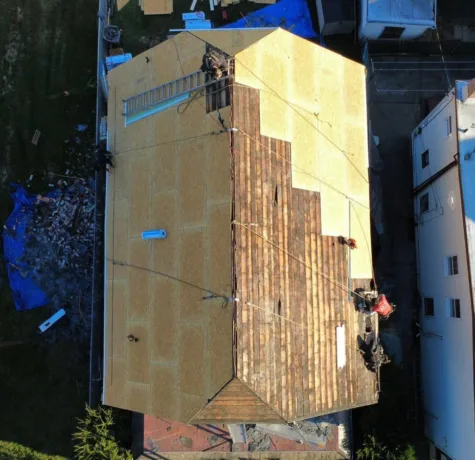
The steps involved in roof replacement include an initial inspection, removal of old roofing materials, repair of any underlying damage, installation of new roof layers, and finally, clean-up and disposal of debris.
How can I prepare for roof work?
Preparing for roof work involves clearing the area around your home, ensuring access to the roof, and securing any outdoor furniture or plants. Additionally, inform your neighbors of potential noise and schedule work during good weather for optimal results.
What do I do about roof damage?
The steps to take regarding roof damage are: assess the damage and take photos, cover leaks with a tarp if necessary, and contact a professional roofing company like Malick Brothers Exteriors for a thorough evaluation and repair estimate.
How to tell if a roof needs repairs?
Determining if a roof needs repairs involves looking for visible signs of wear. Check for missing or damaged shingles, water stains on ceilings, leaks, and excess granules in gutters. If any of these issues are present, it’s time to consult a professional.
What factors influence the cost of roofing materials?
The cost of roofing materials is influenced by several factors, including the material type, quality, and durability, as well as market demand, supplier availability, and installation complexity.