Gutter guards in Pittsburgh make sense on some homes and are a waste of money on others. The difference comes down to the trees over your roof, the pitch of that roof, how your gutters handle a hard rain, and how much you dislike climbing a ladder every October.
We are Malick Brothers Exteriors, a family owned roofing and exterior company in West View in the North Hills. We install 5 inch and 6 inch seamless gutters across Western PA, and we get asked about guards on almost every gutter estimate. This guide gives you the honest version: how each type of guard works, where they fail in our climate, when you should skip them, and what actually drives the cost. If you want a straight recommendation for your own house, our gutter services in Pittsburgh include a free written estimate, and we will tell you if guards are not worth it for your home.
What gutter guards are and what they are supposed to do
A gutter guard is a cover or insert that sits on or in the gutter trough. Its job is to let rainwater into the gutter while keeping leaves, seed pods, twigs, and shingle grit out so the downspouts never clog. When a gutter clogs, water spills over the front edge or backs up behind the fascia board. Over a few seasons that overflow rots fascia and soffit, stains siding, and dumps water against the foundation, which is where a lot of North Hills and South Hills basement leaks start.
Guards do not fix gutters that are pitched wrong, pulling away from the house, or undersized for the roof. On those houses guards hide the symptom and the water still goes where it should not.
Why Western PA is hard on gutters
Pittsburgh is one of the most heavily wooded metro areas in the country. Older neighborhoods in Ross Township, Shaler, Mt. Lebanon, Fox Chapel, and Squirrel Hill sit under mature oaks, maples, sycamores, and locusts. Maples drop helicopter seeds in spring and everything drops leaves from late September into November. Pine and spruce drop needles all year, and needles are the debris that defeats cheap guards.
Then there is the weather. We get a lot of rain, often in short, hard bursts in summer, and a freeze and thaw cycle that runs from December into March. Snow on the roof melts during the day, runs into the gutter, and refreezes overnight. Any guard that holds standing water or lets ice build on its surface will have problems here that it would never have in a dry climate.
Types of gutter guards, honestly compared
There are five basic designs. Every brand on the market is a version of one of these.
Screen or mesh guards
A plastic or aluminum screen with openings large enough to see through. It sits on top of the gutter, usually tucked under the first course of shingles or clipped to the front lip. Screens stop whole leaves and twigs well. They do not stop maple seeds, pine needles, or shingle grit, and in heavy tree cover a layer of wet leaves can mat on top of the screen and send water over the edge.
Micro mesh guards
A fine stainless steel or aluminum mesh, usually bonded to a metal frame, with openings small enough to block needles and grit. This is the type we recommend most often for wooded lots because it keeps nearly everything out of the trough. The trade off is that the mesh surface itself needs attention. Pollen, roof grit, and sap can glaze the surface so water sheets over it instead of through it, which is when homeowners say their guards "stopped working." A hose rinse once or twice a year usually fixes it.
Reverse curve or surface tension guards
A solid hood with a curved front edge. Water follows the curve by surface tension and drops through a narrow slot into the gutter, while leaves slide off the front. These are the "helmet" style systems you see advertised heavily. They work well on moderate roof pitches with normal rain. On steep roofs, in the cloudburst style storms we get in July and August, water can overshoot the slot and pour straight off the hood. They also trap small debris in the slot, and the slot can ice over in winter. Reverse curve guards are the most dependent on precise installation of any type.
Foam inserts
A wedge of porous foam pushed into the trough. Water soaks through and debris sits on top. Fine debris works into the foam, it holds water against the gutter, it freezes solid, and it breaks down in sunlight. We do not recommend foam in Western PA.
Brush guards
A long bottle brush of plastic bristles laid in the trough. Large leaves sit on top and blow away in theory. In practice needles and seeds lodge in the bristles and the brush becomes the clog.
| Guard type | Stops leaves | Stops needles and grit | Heavy rain | Winter ice | Our take for Pittsburgh |
|---|---|---|---|---|---|
| Screen or mesh | Good | Poor | Fair | Fair | Fine for light tree cover |
| Micro mesh | Excellent | Good | Good when kept clean | Good | Best fit for most wooded lots |
| Reverse curve | Excellent | Fair | Can overshoot on steep roofs | Slot can ice | Only with the right roof pitch |
| Foam insert | Fair | Poor | Poor | Poor | Not recommended |
| Brush | Fair | Poor | Fair | Poor | Not recommended |
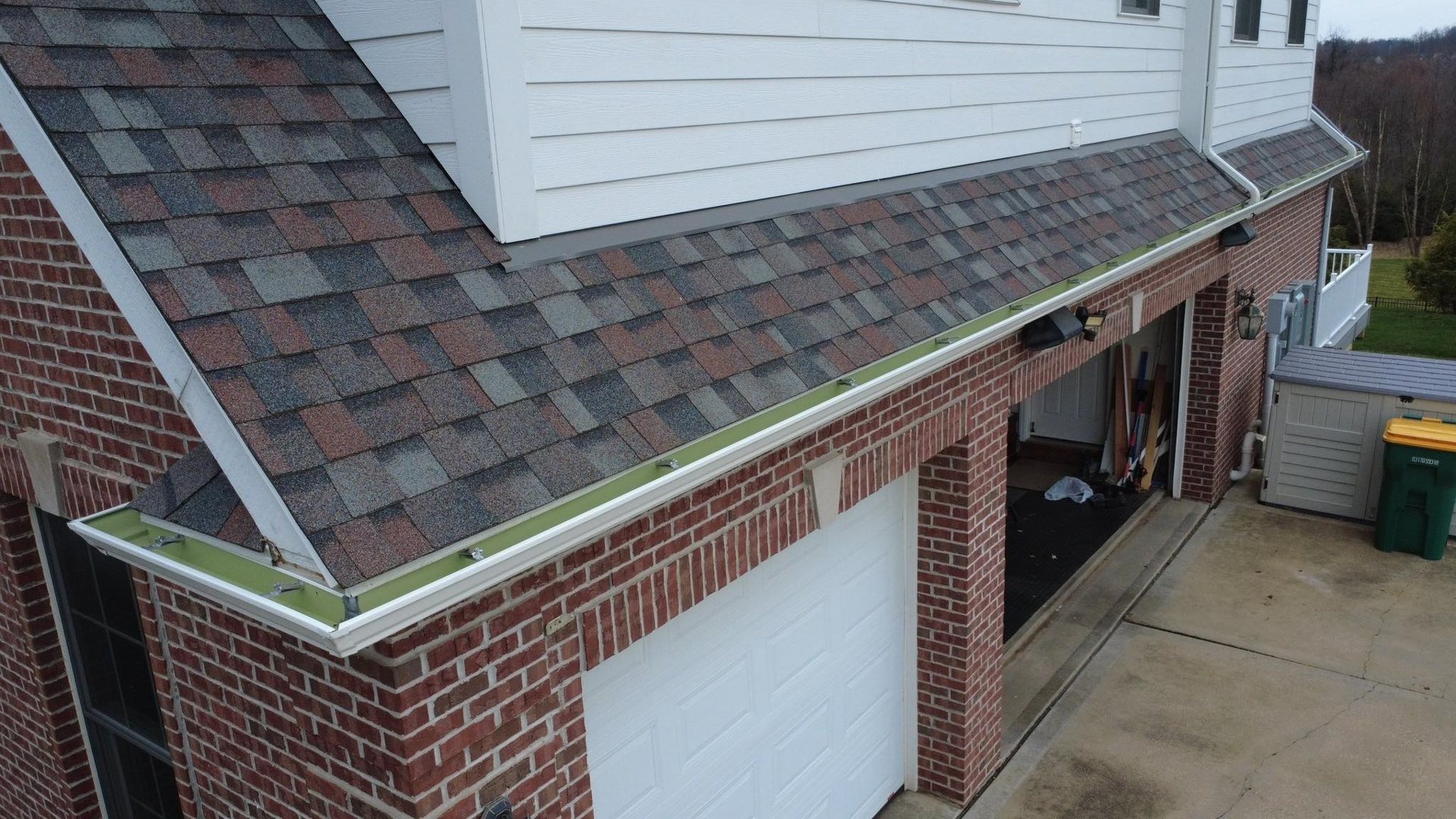
The real benefits of gutter guards for Pittsburgh homes
- Fewer cleanings. A good guard on a wooded lot can take gutter cleaning from three or four times a year down to a quick inspection and rinse. It does not take it to zero.
- Fewer overflows. The main reason we care about guards as a roofing company is the fascia, soffit, and siding damage that follows a clogged gutter. Guards cut that risk when they are installed on gutters that already drain correctly.
- Fewer ladder trips. On a two story house in Ross Township, that is a real safety benefit.
- Fewer pests. Standing water in a clogged gutter breeds mosquitoes, and packed leaves make nesting material for birds and mice in the soffit. Guards help with both.
- Longer gutter life. Dry gutters do not corrode at the seams or sag under wet leaves.
The drawbacks nobody mentions at the sales appointment
- They are not maintenance free. Every guard needs to be looked at in spring and fall. Micro mesh needs a rinse, screens need leaves brushed off, reverse curve slots need to be checked for seed pods.
- They can make a clog harder to fix. When debris does get under a fastened guard, you have to remove sections to clear it.
- They do not stop ice dams. Ice dams form because heat escaping the attic melts snow on the roof, which refreezes at the cold eave. That is an insulation and ventilation problem. A guard neither causes nor cures it, though a guard with ice frozen on top can push meltwater behind the gutter. If you have ice dams, you need a roof inspection, not a gutter product.
- Bad installation does real damage. Guards slid under the shingles can lift the first course and break the seal, screws through the roof deck void shingle warranties, and guards on a sagging gutter just hold a sagging gutter in place.
When gutter guards are not worth it
We tell people to save their money in these cases:
- Few or no trees above the roofline. Newer developments in Cranberry Township and Mars often have young trees that drop almost nothing. Cleaning a gutter once a year is cheaper than any guard.
- Gutters that have never clogged. If you have lived in the house five years and the gutters have stayed clear, there is no problem to solve.
- Single story homes with easy ladder access. A ranch in Allison Park with a walkable roofline is a thirty minute job twice a year.
- Gutters that are failing anyway. Sagging, leaking, undersized, or badly pitched gutters need replacement first. Putting guards on them is money spent twice.
- Steep roofs with heavy pine cover. Reverse curve guards overshoot, screens pass the needles, and even micro mesh needs regular rinsing. Sometimes the honest answer is a 6 inch gutter with larger downspouts and a cleaning schedule.
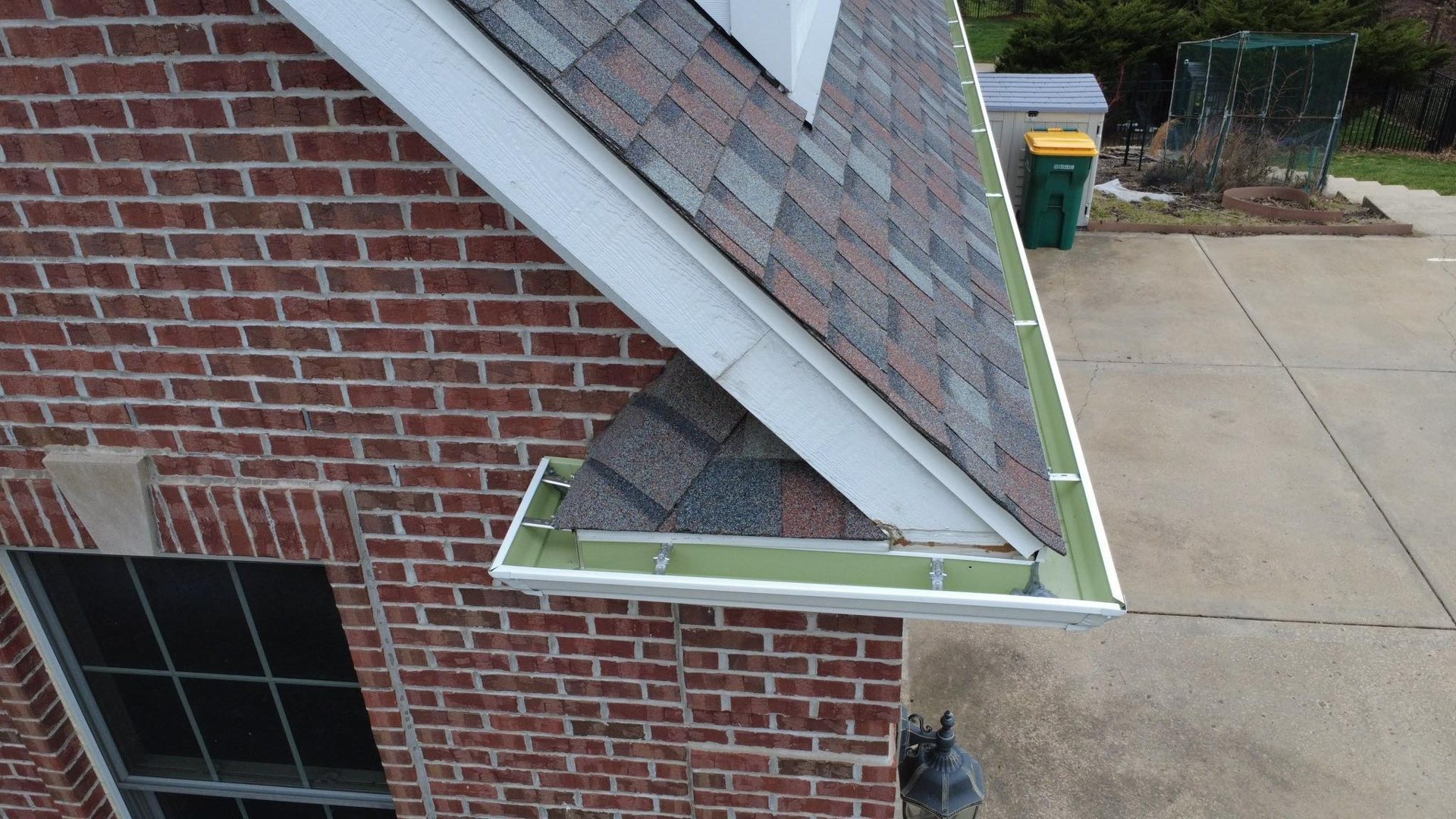
When gutter guards are worth it in Western PA
Guards earn their keep when most of these are true: mature deciduous trees hang over the roof, the gutters have clogged and overflowed more than once, the house is two stories or more, and the roof pitch is moderate so water does not race off the eave. Homes in Fox Chapel, Sewickley, Shaler, and older Ross Township fit this profile. On those houses we recommend a quality micro mesh guard installed on correctly pitched seamless gutters, and we recommend 6 inch gutters on larger roof planes so the system has the capacity to handle a summer downpour even when the mesh is partly glazed.
What drives the cost of gutter guards
We do not quote prices in a blog post because every number you read online is for a different house. These factors set the number on your estimate:
- Guard type and material. Stainless micro mesh on an aluminum frame costs more than aluminum screen, and reverse curve systems cost more than both because of the material and the labor.
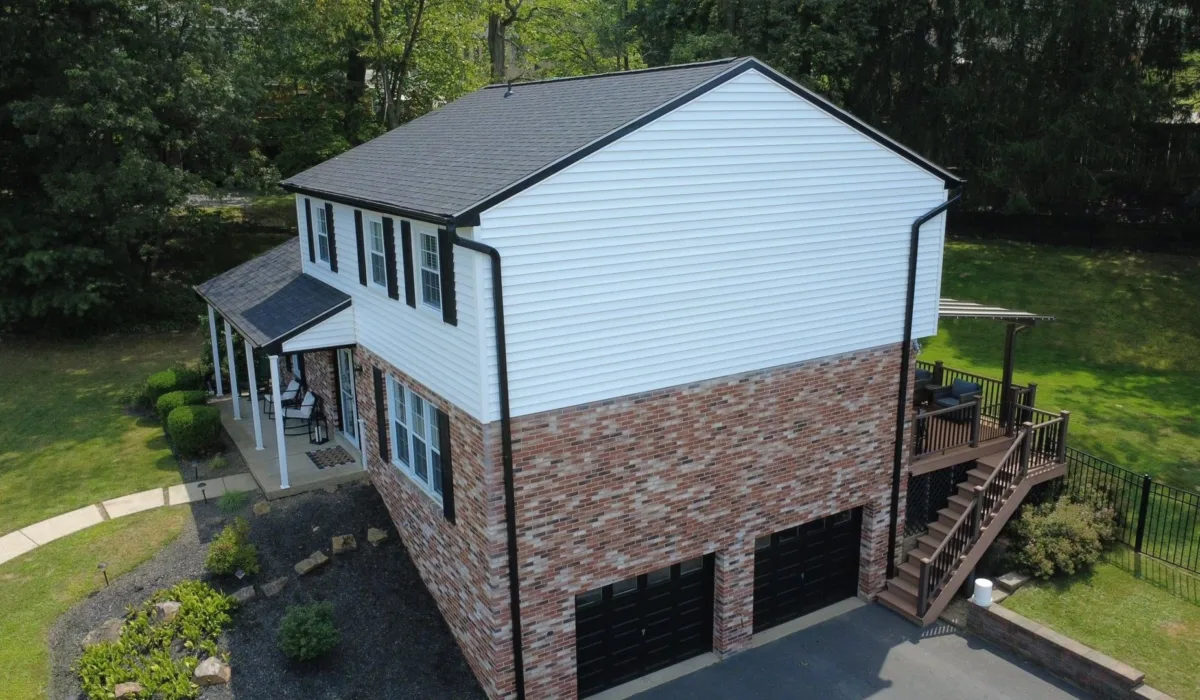
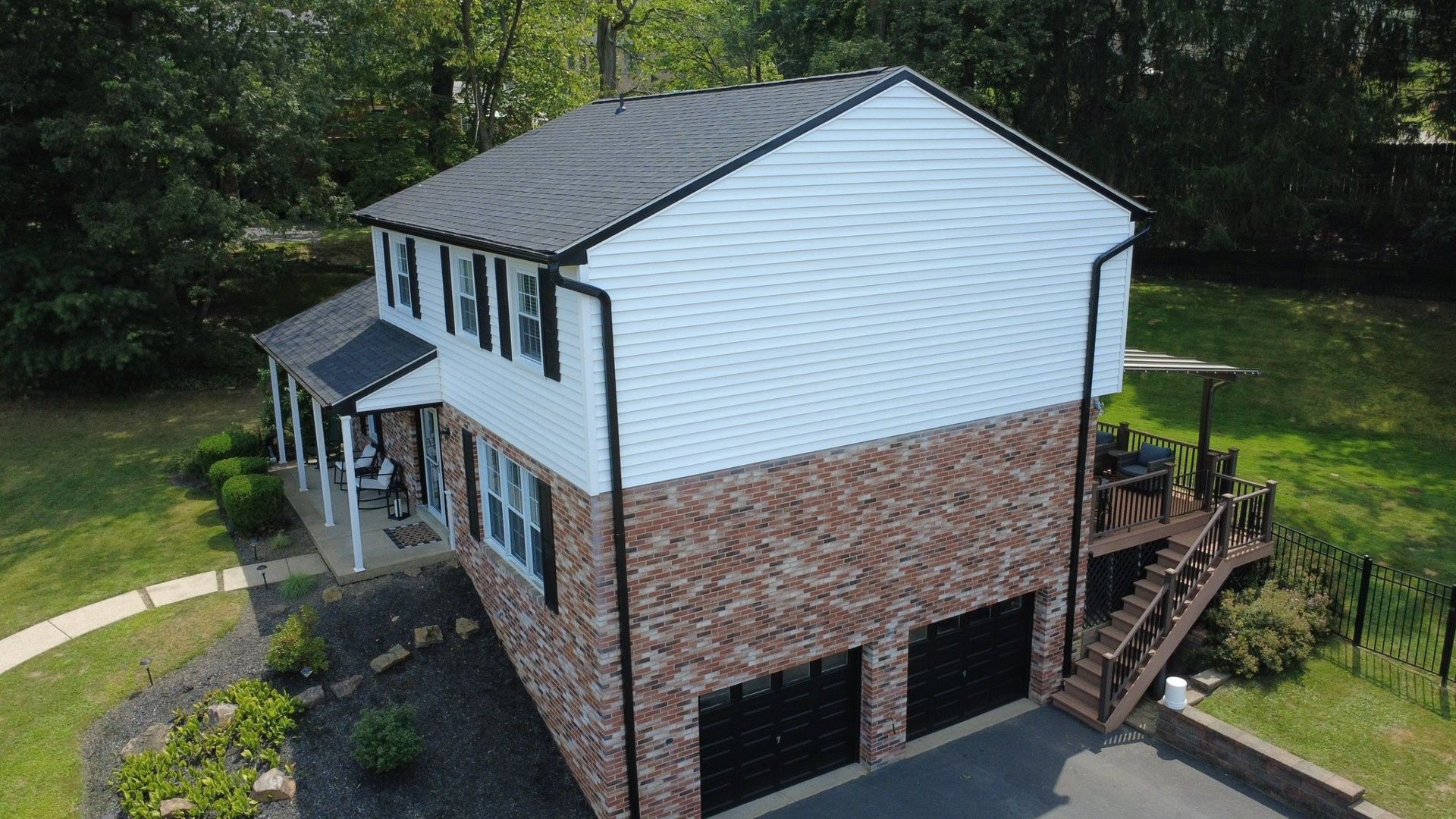
- Linear feet of gutter. A simple ranch may have 120 feet. The 300 foot run of white 5 inch gutters we installed in McCandless is an example of a bigger job.
- Roof height and complexity. Second story work, steep pitches, and many inside corners take more time and safety setup.
- Condition of the existing gutters. If the gutters need to be re pitched, re hung, or replaced with new seamless aluminum, that is part of the estimate.
- Fascia and soffit repair. Rotted fascia has to be replaced before anything is hung on it. Our soffit and fascia crew handles that on the same job.
Our estimates are free, written, and itemized so you can see those pieces separately. If a guard is not a good fit for your house, the estimate will say so. We offer financing for larger gutter and roofing projects.
How to choose an installer in Pittsburgh
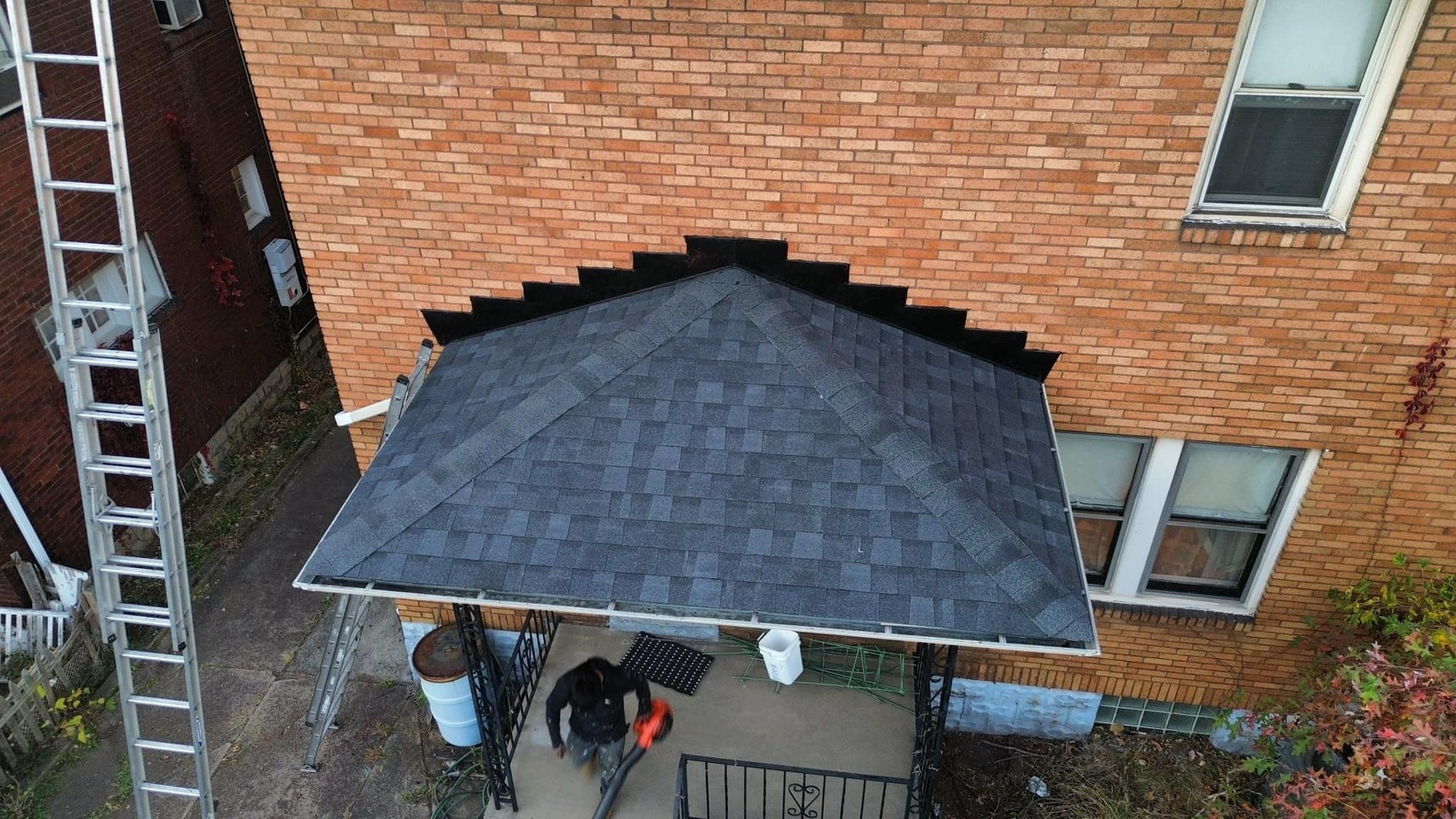
A guard is only as good as the gutter under it and the person who hung it. Check that the contractor holds a current Pennsylvania Home Improvement Contractor registration (you can look up any company at the PA Attorney General HIC search; ours is PA174918), carries liability and workers compensation insurance, and will put the guard type, linear footage, fastening method, and warranty terms in writing. Ask whether the guard fastens under the shingles or to the gutter itself, and ask what happens if a section clogs.
Malick Brothers Exteriors is BBB A+ accredited, family owned, and based at 500 Perry Highway in West View. As a full exterior company we can replace rotted fascia, hang new 5 or 6 inch seamless gutters, and handle the roof edge on the same visit.
Frequently asked questions about gutter guards in Pittsburgh
Do gutter guards work in heavy rain?
Good micro mesh and screen guards handle normal Pittsburgh rain. In cloudburst storms any guard can overshoot if the roof is steep or the mesh is glazed with pollen and grit, and reverse curve guards overshoot most. A clean surface and 6 inch gutters on large roof planes give the system the capacity it needs.
Do gutter guards cause ice dams?
No. Ice dams come from attic heat melting roof snow that refreezes at the cold eave, an insulation and ventilation issue. Ice can build on a guard surface and push meltwater behind the gutter, but the fix is in the attic and at the roof edge, not in the gutter.
Can guards be installed on my existing gutters?
Usually, as long as the gutters are sound, pitched correctly, and fastened to solid fascia. We check all three first. Sagging or leaking gutters should be replaced with seamless aluminum before any guard goes on, which costs less in the long run than guarding a failing system.
Which type of gutter guard is best for Pittsburgh?
For most wooded lots in the North Hills and the city, a quality micro mesh guard on a metal frame is the best balance of debris protection, rain handling, and winter performance. Screens suit light tree cover. We do not recommend foam or brush inserts, and reverse curve only when the roof pitch suits it.
Do I still have to clean gutters with guards?
Yes, just far less often. Plan on a check after the leaves drop and again in spring, plus a yearly rinse of micro mesh. Anyone who promises you will never touch your gutters again is selling, not advising.
How long do gutter guards last?
Aluminum and stainless steel guards on a metal frame typically last as long as the gutters when installed correctly. Plastic screens, foam, and brush inserts break down within a few years in our freeze and thaw climate. Fastening method and fascia condition matter as much as the material.
Get an honest answer for your house
If you are tired of cleaning gutters or have watched water pour over the edge in a storm, we will look at the trees, roof pitch, gutters, and fascia and give you a free written estimate that says plainly whether guards are worth it for your home. Contact Malick Brothers Exteriors to schedule your gutter estimate anywhere in the Pittsburgh area.