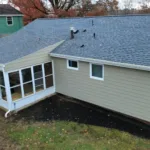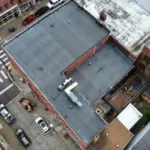
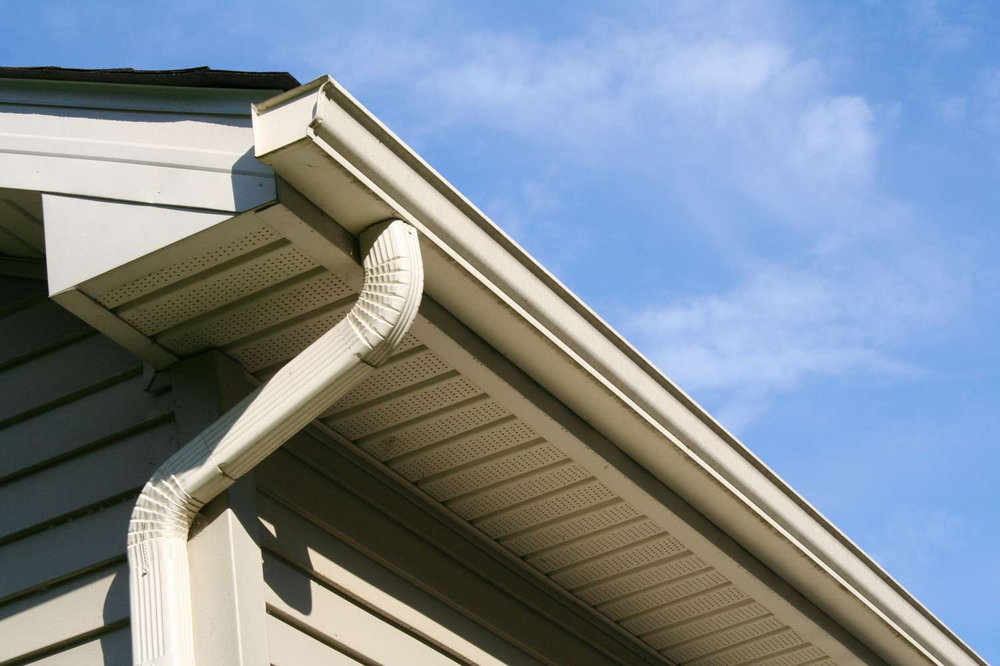
Homeowners often overlook their gutters until something goes wrong. A heavy rainstorm hits, water cascades down the side of the house, and suddenly the importance of those aluminum channels becomes crystal clear. The question of whether are gutters part of roofing comes up frequently during home inspections, insurance claims, and roof replacement discussions. Understanding this relationship can save you money and protect your investment.
Are Gutters Considered Part of the Roof?
Yes, gutters are considered an essential component of the overall roofing system. While they technically sit at the edge of your roof rather than on top of it, they work in tandem with your shingles, underlayment, and flashing to create a complete water management solution. Think of your roof as the primary barrier that sheds water, and your gutters as the collection system that carries that water safely away.
The relationship between roof and gutter systems is interdependent. Without functioning gutters, even the best roof will fail to protect your home from water damage. Rainwater would simply pour off the roof edge, pooling around your foundation and splashing against siding. This is why commercial gutter systems are engineered to handle significantly higher volumes of water than residential options.
What Is Considered a Roofing System?
A roofing system encompasses all the components that work together to protect a building from weather elements. This includes structural elements like decking and rafters, protective layers such as underlayment and shingles, ventilation components, flashing around penetrations, and drainage elements including gutters and downspouts.
The main components include the roof deck, underlayment, shingles, flashing around chimneys and vents, ridge caps, and the gutter system. When one component fails, it often affects the others. A clogged gutter can cause water to back up under shingles and rot the roof deck.
How Gutters Protect Your Entire Home
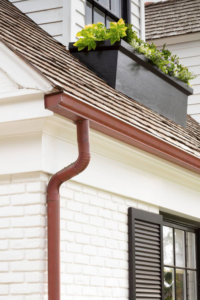
Gutters do far more than catch rainwater. When functioning properly, your roof and gutter systems direct thousands of gallons of water away from vulnerable areas each year. Without this protection, you face foundation cracks, basement flooding, soil erosion, and exterior damage.
Foundation protection stands out as one of the most critical functions. Water pooling near your foundation causes the soil to expand and contract, leading to cracks and structural shifting over time. Gutters channel water through downspouts that deposit it several feet away from the house.
Key Protection Areas
| Area Protected | How Gutters Help | Consequence of Failure |
|---|---|---|
| Foundation | Directs water away from base | Cracks, settling, basement leaks |
| Fascia Boards | Prevents water from backing up | Wood rot, pest infestations |
| Siding | Stops splash-back damage | Staining, warping, mold growth |
| Landscaping | Controls water flow | Erosion, plant damage, flooding |
Are Gutters Included in Roof Replacement?
Gutters are typically not automatically included in a standard roof replacement. Most roofing contracts cover shingles, underlayment, flashing, and sometimes drip edge. However, many homeowners choose to replace both systems simultaneously for good reason. It makes practical and financial sense to address both components while contractors are already working at the roofline.
During a roof replacement, your existing gutters face potential stress. Debris falls into them, ladders lean against them, and workers maneuver around them constantly. If your gutter system shows signs of wear like rust, sagging, or leaks, combining both projects eliminates duplicate labor costs. For those considering this route, understanding The Pros and Cons of Seamless Gutters for Pittsburgh Homes can help inform your decision.
Can a Roof Be Replaced Without Removing Gutters?
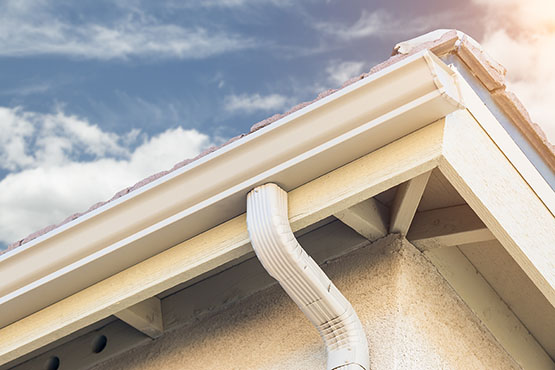
Absolutely. Skilled roofing contractors routinely replace roofs while leaving gutter systems intact. They protect existing gutters with tarps or plywood, avoid placing ladders directly against them, and clean out any debris after completing the job. This approach works well when gutters are in good condition and properly secured to the fascia boards.
However, certain situations make gutter removal advisable. If the fascia boards underneath need repair, gutters must come down temporarily. Contractors who specialize in Pittsburgh roofing and gutters can assess your specific situation and recommend the best approach for your home.
Signs Your Roof and Gutter Systems Need Attention
Recognizing early warning signs prevents small problems from becoming expensive emergencies. Water stains on interior ceilings often indicate roof or gutter issues. Peeling paint near the roofline suggests water is getting where it should not. Sagging gutters cannot effectively channel water and need immediate attention.
Outside your home, look for granules from shingles accumulating in gutters, which signals aging roofing materials. Check for rust spots, holes, or separated seams. Notice whether water spills over gutter edges during rain, indicating clogs or improper pitch.
Commercial vs. Residential Gutter Considerations
Commercial buildings face different challenges than residential properties. Larger roof areas generate substantially more runoff, requiring bigger gutters and more robust drainage systems. Box gutters, internal drains, and scuppers commonly appear on commercial structures rather than traditional K-style gutters found on homes.
Maintenance requirements also differ significantly. Commercial properties often need quarterly inspections due to flat roofs that accumulate debris faster. Property managers dealing with these complexities benefit from contractors experienced in both commercial and residential applications.
Maintaining Your Integrated Roofing System
Proper maintenance extends the life of both your roof and gutters considerably. Clean gutters at least twice yearly, in spring after pollen season and fall after leaves drop. Inspect your roof visually from the ground after major storms. Look for missing or damaged shingles and any visible sagging.
Professional inspections catch problems invisible to untrained eyes. Roofers check flashing seals, ventilation systems, and the condition of underlayment. They examine how gutters attach to fascia and whether downspouts adequately move water away. According to GAF Roofing, scheduling these inspections twice annually significantly reduces unexpected failures.
Making the Right Decision for Your Home
Every home presents unique circumstances. Age, climate, surrounding vegetation, and existing conditions all influence whether to replace gutters during roof work. Get multiple opinions before committing to a project. Ask contractors specifically about their approach to protecting or replacing gutters.
Consider the long-term picture rather than just immediate costs. Replacing aging gutters alongside a new roof might cost more upfront but prevents future headaches. Your roof and gutters work as partners in protecting everything you have built. When both components function together harmoniously, you stay dry, your foundation stays stable, and your investment stays protected for decades.