Malick Brothers Exteriors delivers top-quality roofing and exterior solutions to protect and enhance your home. Serving Pittsburgh and Southwest PA, we’re committed to craftsmanship and customer satisfaction.
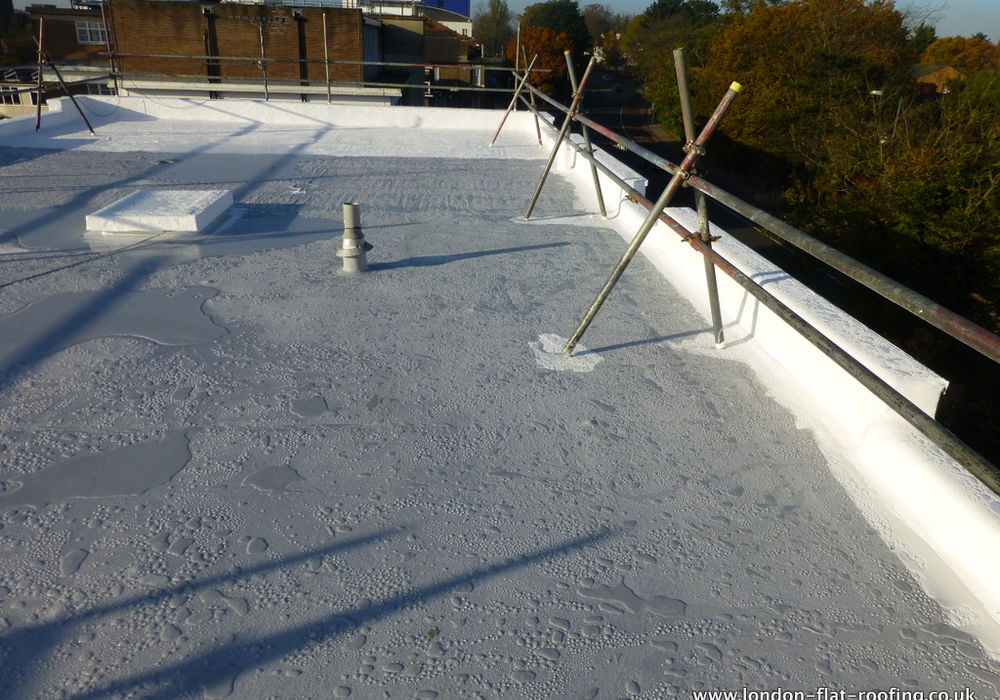
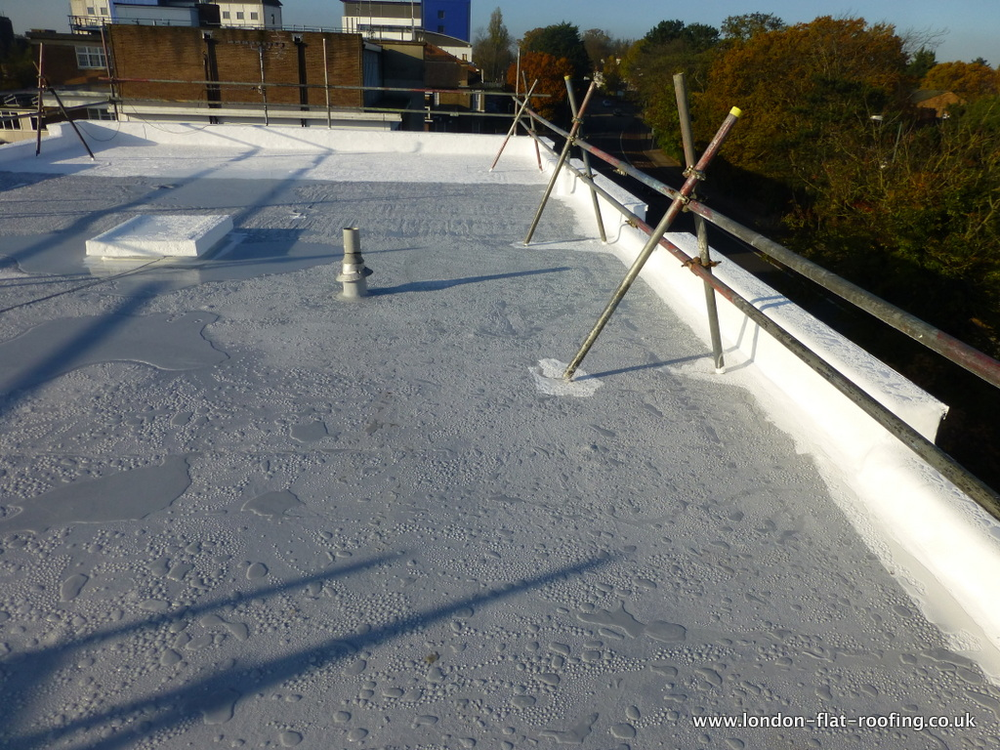
A flat roof can offer a sleek and modern appearance to a building, but it also demands meticulous attention to detail when it comes to drainage. Without proper drainage, flat roofs can be prone to water pooling, leaks, and structural damage. At Malick Brothers Exteriors, we understand the importance of effective drainage systems for flat roofs. In this post, we'll explore the various drainage systems that can help keep your flat roof water-resistant and in optimal condition.
1. Interior Drains:
Interior drains are positioned within the interior of the roof and are connected to a network of pipes that direct water away from the roof. These drains are designed to capture water that accumulates on the roof's surface and channel it down to the building's drainage system. They are effective at preventing water from accumulating on the roof, reducing the risk of leaks and damage.
2. Scuppers:
Scuppers are openings or outlets located at the edge of the roof. They allow excess water to flow out of the roof and onto the ground or a gutter system. Scuppers are a cost-effective and efficient way to manage water on flat roofs and prevent pooling.
3. Gutters:
While gutters are commonly associated with pitched roofs, they can also be installed on flat roofs to help manage water. Gutters collect rainwater and direct it to downspouts that carry the water away from the building. Flat roof gutters can be installed at the roof's edge or internally within parapet walls.
4. Tapered Insulation:
Tapered insulation systems are designed to create a slope on the flat roof, ensuring that water naturally drains towards designated areas, such as interior drains or scuppers. This slope helps prevent water from pooling on the roof, which can lead to leaks and structural damage.
5. Roof Pavers and Decking:
For flat roofs that double as outdoor living spaces or green roofs, roof pavers and decking systems can be installed. These systems incorporate elevated surfaces that create space for drainage channels, allowing water to flow beneath the pavers or decking and reach the drainage system below.
6. Green Roof Systems:
Green roofs are becoming increasingly popular for their environmental benefits. They incorporate vegetation and vegetation layers that can absorb rainwater and reduce runoff. Properly designed green roof systems include drainage layers to manage excess water.
7. Roof Drains:
Roof drains are specifically designed to collect rainwater and divert it away from the roof surface. These drains come in various types, including strainer dome roof drains, siphonic roof drains, and parapet roof drains, each suited for different flat roof designs and requirements.
Regular Maintenance is Key:
While these drainage systems are crucial for a water-resistant flat roof, regular maintenance is equally important. Inspecting and cleaning drains, scuppers, gutters, and ensuring that the roof's slope remains consistent are essential to prevent water-related issues.
Mastering flat roof drainage is essential for maintaining the longevity and integrity of your flat roof. The choice of drainage system depends on the specific requirements of your building and the local climate. At Malick Brothers Exteriors, we have the expertise to assess your flat roof and recommend the most suitable drainage system to keep your roof water-resistant and in optimal condition.
Designing a flat roof drainage system involves planning for adequate water flow using interior drains, scuppers, and proper slope. Ensure the roof has a slight pitch towards drainage points and consider local weather conditions for optimal performance.
Does a flat roof need drainage?
Flat roofs require effective drainage systems to prevent water accumulation. Without proper drainage, standing water can lead to leaks, structural damage, and reduced lifespan of the roofing materials. Therefore, drainage is essential for maintaining a flat roof's integrity.
How do flat roofs drain water?
Flat roofs drain water through various systems such as interior drains, scuppers, and perimeter gutters that efficiently channel water away from the roof's surface, preventing pooling and potential damage.
What is the best drainage system for a flat roof?
The best drainage system for a flat roof typically includes a combination of interior drains, scuppers, and gutter systems, designed to effectively channel water away and prevent pooling, ensuring the roof remains water-resistant and durable.
Is it ok for water to sit on a flat roof?
Water sitting on a flat roof is not ideal. Prolonged water accumulation can lead to damage, leaks, and structural issues, so proper drainage systems are essential to prevent stagnation and maintain the roof's integrity.
What materials are best for flat roof drainage?
The best materials for flat roof drainage include PVC, TPO, and EPDM membranes, as they provide excellent durability and water resistance. Additionally, metal components like aluminum or copper are ideal for scuppers and gutters, ensuring efficient water management.
How do I maintain flat roof drainage systems?
The maintenance of flat roof drainage systems involves regular inspections to clear debris, checking for clogs in drains and gutters, and ensuring proper water flow. Additionally, seal any leaks promptly to maintain an effective drainage system.
What problems arise from poor flat roof drainage?
Poor flat roof drainage can lead to significant problems, including water pooling, which may cause leaks, structural damage, and increased wear on roofing materials. This often results in costly repairs and a shorter roof lifespan.
How to choose flat roof drainage solutions?
Choosing flat roof drainage solutions involves assessing your roof's design, climate conditions, and water flow requirements. Consider options like interior drains, scuppers, or gutters, and consult with a roofing expert to find the best fit for your needs.
Are there eco-friendly flat roof drainage options?
Eco-friendly flat roof drainage options do exist. Solutions like green roofs incorporate natural vegetation, helping with water absorption and reducing runoff, while innovative systems utilize rainwater harvesting for reuse, promoting sustainable practices for managing excess water.
How does slope affect flat roof drainage?
The slope significantly influences flat roof drainage. A sufficient slope ensures water flows towards the drainage systems, preventing pooling and potential water damage, thus enhancing the roof's longevity and effectiveness.
What are the costs of flat roof drainage systems?
The costs of flat roof drainage systems vary based on factors such as the size of the roof, chosen materials, and system complexity. Generally, homeowners can expect to spend between $1,500 and $5,000 for installation and materials.
Can a flat roof drain without gutters?
Flat roofs can drain effectively without gutters by utilizing interior drainage systems, like drains and scuppers, which direct water away from the roof surface. This approach can prevent water pooling and potential damage.
How often should flat roof drains be cleaned?
Flat roof drains should be cleaned at least twice a year, preferably in spring and fall, to prevent clogs and ensure proper drainage. Regular maintenance will help extend the life of your roof and prevent water damage.
What is the lifespan of flat roof drainage systems?
The lifespan of flat roof drainage systems typically ranges from 10 to 30 years, depending on the materials used and maintenance practices. Regular inspections and timely repairs can significantly extend their durability and functionality.
How to troubleshoot flat roof drainage issues?
Troubleshooting flat roof drainage issues involves checking for blockages in drains and scuppers, verifying proper slope, and inspecting seams and membranes for leaks. Regular maintenance can greatly reduce these problems and ensure efficient water flow.
What design features enhance flat roof drainage?
The design features that enhance flat roof drainage include proper slope for optimal water runoff, strategically placed internal drains or scuppers, and high-quality waterproof materials that minimize standing water, ensuring a robust and effective drainage system.
How do seasonal changes impact flat roof drainage?
Seasonal changes significantly impact flat roof drainage. In winter, snow and ice accumulation can obstruct drainage systems, leading to potential leaks or water pooling, while heavy rain in spring can overwhelm inadequate systems, necessitating effective drainage solutions.
What regulations apply to flat roof drainage systems?
The regulations that apply to flat roof drainage systems include local building codes, industry standards, and guidelines set by organizations such as the American Society of Civil Engineers (ASCE) and the National Roofing Contractors Association (NRCA), ensuring proper installation and drainage performance.
Can flat roof drainage systems prevent leaks?
Flat roof drainage systems can prevent leaks by effectively managing water runoff and minimizing water accumulation on the roof surface. Properly designed systems, such as interior drains and scuppers, ensure that water flows away, protecting the integrity of the roofing material.