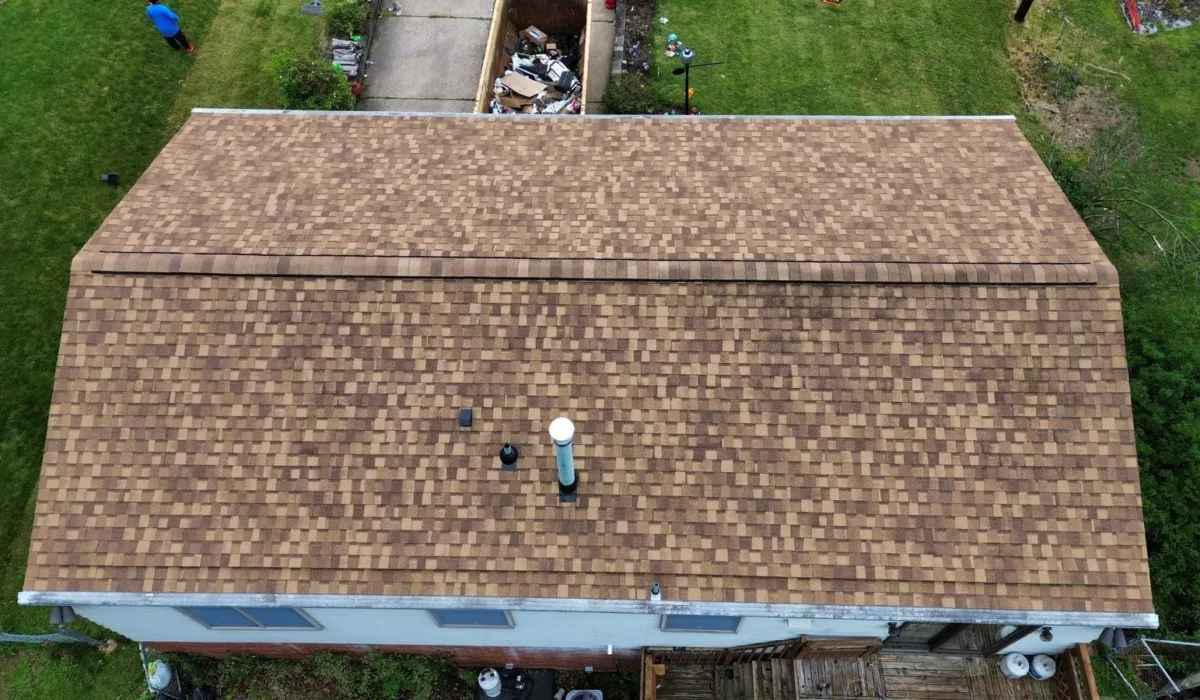
Does homeowners insurance cover roof leaks? Sometimes. A standard homeowners policy pays for a roof leak when a sudden, accidental event that the policy lists as a covered peril caused it. Wind tearing shingles off during a spring storm, hail punching through the roof surface, a tree limb coming down on the ridge, or ice and snow load collapsing part of a roof all fall into that group. A leak that developed because the roof is old, the flashing rusted through, or the gutters sat clogged for three seasons is treated as wear and tear or neglected maintenance, and most policies exclude it.
We are Malick Brothers Exteriors, a family owned roofing company in West View. We handle roof repair in Pittsburgh every week, and many of those calls start with this question. This guide explains how insurers decide, what the adjuster looks for, how to document a leak, when to call a roofer before your agent, and how we inspect and photograph a roof for a claim. We are roofers, not adjusters, so nothing here is a promise about how your carrier will decide. Your policy language controls.
Sudden Damage vs. Wear and Tear: The Line Insurers Draw
Nearly every roof leak claim comes down to one question: was the damage sudden and accidental, or did it build up over time? Insurers cover the first and exclude the second. The table below shows how common Pittsburgh leak causes usually sort out.
| Cause of the leak | Usually treated as | Why |
|---|---|---|
| Wind lifts or tears off shingles in a storm | Covered peril | A dated weather event caused sudden damage |
| Hail bruises or cracks shingles | Covered peril | Sudden impact damage, often confirmed by local storm records |
| Tree or large limb falls on the roof | Covered peril | Sudden and accidental |
| Weight of ice and snow damages the structure | Often covered | Listed in many policies, check yours |
| Ice dam leak on a roof with poor attic ventilation | Gray area | Some carriers cover resulting interior damage, many treat the root cause as maintenance |
| Shingles past their service life, granule loss, curling | Excluded | Wear and tear |
| Rusted or cracked flashing, dried out pipe boots | Excluded | Gradual deterioration |
| Clogged gutters backing water under the shingles | Excluded | Neglected maintenance |
| Bad installation by a prior contractor | Excluded | Workmanship, not a peril |
Dwelling coverage pays for the roof and structure. Personal property coverage pays for the couch and the television a covered leak ruined. If the house is unlivable during repairs, loss of use coverage can pay for temporary housing. All of it sits behind your deductible, which you pay first.
Why Pittsburgh Roofs Make This Harder
Much of the housing in the North Hills, the city neighborhoods and the river towns dates from the 1920s through the 1960s. Many of those roofs have been shingled two or three times, and some still carry slate or a low slope section over a porch. Our weather adds freeze and thaw cycles from November through March, wet springs with strong winds, and summer thunderstorms that drop hail on one neighborhood and miss the next.
That combination creates mixed cause leaks. A storm lifts a few shingles, but the shingles were already brittle at 25 years old. Ice backs up under the eave, but the attic had no baffles. The adjuster will separate the sudden part of the damage from the gradual part, and the roof's condition before the storm shapes how much of the claim gets approved.
Roof age also affects the payout. Many carriers write older roofs on an actual cash value basis, which subtracts depreciation, rather than replacement cost value, which pays to replace the roof with like materials. Some policies switch to actual cash value once a roof passes a set age. Ask your agent which basis applies to your roof before you need it.
What Adjusters Look For on the Roof
An insurance adjuster is checking whether the physical evidence matches a sudden event on the date you reported. On a Pittsburgh shingle roof, that usually means:
- Creased, lifted or missing shingles with a fresh tear line, which points to wind, versus shingles that slid out because the seal strip failed with age.
- Hail hits that show random round bruises with a soft spot under the mat, versus uniform granule loss across the slope, which is wear.
- Collateral damage on gutters, downspouts, screens and siding that confirms hail or wind on the same date.
- The condition of flashing, pipe boots and valleys, since a leak at any of these is often ruled maintenance.
- Interior staining. A fresh stain with a wet edge after a dated storm supports the claim. Layered rings of old staining suggest the leak predates the event.
- Whether you took reasonable steps, such as a tarp, to stop further damage after you found the leak.
Adjusters also pull weather data. If you report wind damage on a date with no recorded storm in Allegheny County, expect questions.
Documenting a Roof Leak the Right Way
Documentation decides more claims than argument does. Start the moment you find water.
- Photograph the interior damage first: the ceiling stain, wet drywall, floor and any damaged belongings, with wide shots and close shots.
- Note the date and time and what the weather was doing. Save any weather service reports for that storm.
- Move belongings out of the water and put down buckets or plastic. Mitigating damage is a policy duty.
- Do not climb on a wet or damaged roof. Photograph the exterior from the ground, including shingles or debris in the yard.
- Call a roofer for an inspection and a tarp if water is still coming in. Keep every receipt, since emergency repairs are usually reimbursable under a covered claim.
- Check your declarations page for your deductible and whether the roof is on replacement cost or actual cash value.
- Report the claim and give the carrier the roofer's written report and photos.
- Be present for the adjuster visit, or have your roofer there, so nothing is missed.
Pull together any maintenance records: the last roof replacement date, repair invoices, gutter cleaning receipts, the inspection report from when you bought the house. A roof with a maintenance history is much easier to defend against a wear and tear denial.
When to Call a Roofer Before You Call Your Insurer
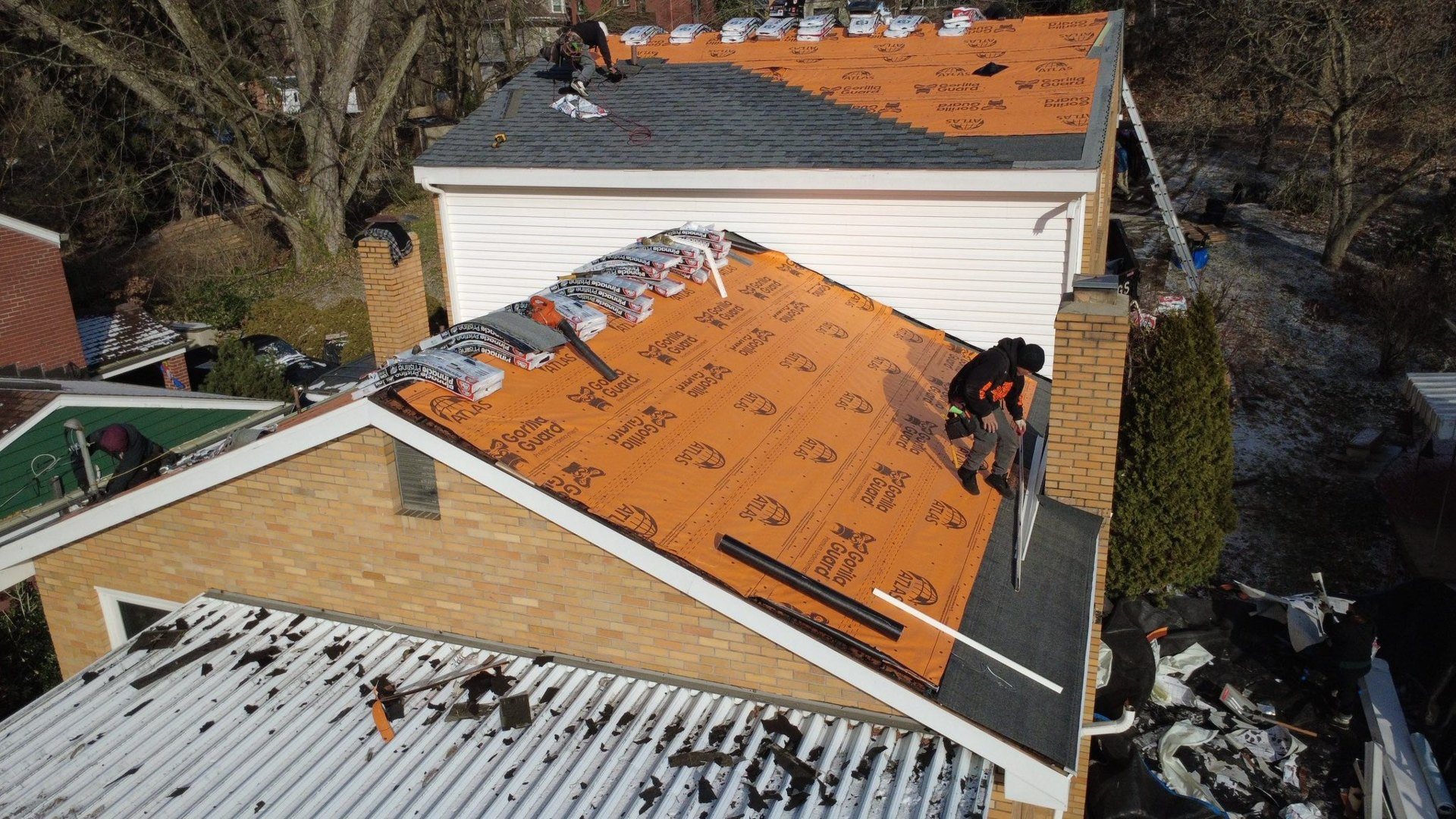
In most cases, call a roofer first. Every claim you open goes on your claims history whether it is paid or denied, and a denied claim for a worn out roof can still affect your renewal. A roofer can tell you within an hour whether the damage looks like a sudden storm event or an old roof that finally gave up. If it is the latter, you skip the claim and go straight to a repair or replacement decision. If it is a storm event, you walk into the claim with photos, a written report and a repair scope in hand.
The exceptions are large, obvious events. A tree through the roof or a collapsed section should be reported to your carrier right away, with a roofer called the same day to tarp the opening.
Be cautious about anyone who knocks on your door after a storm and promises your insurance will buy you a free roof. Pennsylvania requires home improvement contractors to register with the Attorney General, and you can check any contractor on the PA Home Improvement Contractor search. Our registration is PA174918. If you have a dispute with your carrier over a claim, the Pennsylvania Insurance Department runs a consumer help center that takes questions and complaints.
How Malick Brothers Inspects and Photographs a Roof for a Claim
When you call us about a leak that may become a claim, we treat the inspection as evidence gathering, not a sales visit. Our roof inspection for an insurance situation covers:
- A walk of every slope, with photographs of each wind crease, missing tab, hail hit and lifted ridge cap, marked with chalk so they show up in the photo and so the adjuster can find them again.
- Test squares on hail claims, a marked 10 foot by 10 foot section on each slope where we count hits, which is the same method adjusters use.
- Photos of flashing, pipe boots, valleys, chimney and skylight details, with a note on which are storm damaged and which are simply worn.
- Gutters, downspouts, soffit, fascia and siding, since collateral damage there supports the date of loss.
- Attic photos where we have access: the underside of the decking, wet insulation, daylight through the roof, and the ventilation setup.
- Interior photos of every stain and the room it is in.
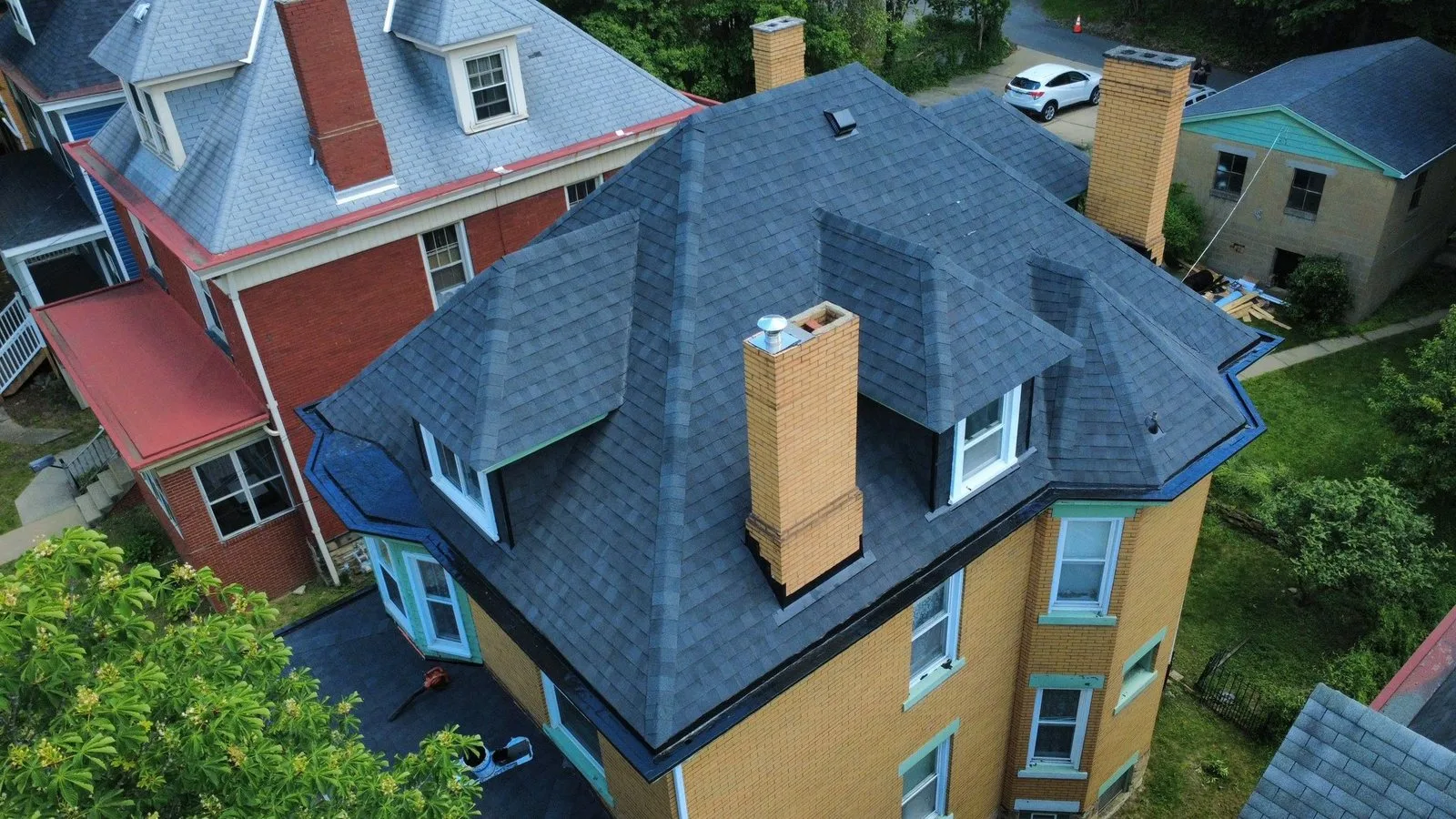
You get a written report with the photo set, our opinion of the cause, and a repair scope. If the claim is approved, we work from the adjuster's scope and flag anything it missed, such as code required ice and water shield or damaged decking. If the claim is denied or the damage is wear and tear, we give you a free written estimate for the repair or roof replacement and you decide. We never promise a claim outcome we do not control.
Keeping Your Roof Claim Ready
A worn roof turns a clean storm claim into a fight over depreciation and pre existing damage, so keep the roof in documented good condition now.
- Have the roof inspected every two or three years and after any major storm, and keep the reports.
- Keep gutters and downspouts clear. Our gutter services include seamless replacement where the old gutters have failed.
- Fix small items, such as a cracked pipe boot or loose flashing, before they become the leak the adjuster blames.
- Ventilate the attic so ice dams stay small and shingles age evenly.
- Store your policy, declarations page and roof installation date where you can find them on a bad night.
If the roof is past its service life, replacing it on your own schedule beats waiting for a storm. We install complete Atlas systems with the Atlas 50 year warranty and offer financing.
Frequently Asked Questions
How do I make a successful roof leak insurance claim?
Document the leak the day you find it with dated photos of the interior and exterior, stop further damage with a tarp or emergency repair and keep the receipts, get a written roofer inspection that identifies a sudden cause, and report the claim promptly with that report attached. Be present for the adjuster visit, and keep your maintenance records ready to counter a wear and tear argument.
Is it normal for a roof to leak in heavy rain?
No. A sound roof should shed any amount of rain. A leak that only shows up in heavy rain usually points to a flashing problem, a valley that cannot carry the volume, wind driven rain under lifted shingles, or gutters overflowing back under the eave. It is a sign the roof needs attention, and it is rarely covered by insurance unless a storm caused the opening.
What is the 25 percent rule for roofing?
Some states and carriers apply a rule that if more than 25 percent of a roof section is damaged, the whole section or roof must be replaced rather than patched. Pennsylvania has no statewide 25 percent rule, but your policy or local code office may have similar requirements. Ask your adjuster how your carrier handles partial damage and shingle matching.
Does a home warranty cover a roof leak?
A home warranty is a service contract, not insurance. Some plans sell limited roof leak coverage as an add on that pays for a small patch repair, usually with caps and exclusions for pre existing conditions and for full replacement. It does not replace homeowners insurance for storm damage. Read the plan's roof section carefully before you count on it.
Will filing a roof leak claim raise my premium?
It can. Claims history is one factor carriers use at renewal, and a paid weather claim may or may not change your rate depending on the carrier and your claim count. That is one reason we suggest a roofer inspection first, so you only file when the damage is clearly a covered event and large enough to justify it.
What if the adjuster says the leak is wear and tear?
Ask for the denial in writing with the reason. Review it against your roofer's report and photos. If the evidence shows a sudden event, you can request a re inspection, provide additional documentation, or ask about an appraisal if your policy includes one. The Pennsylvania Insurance Department also accepts consumer complaints. If the roof is simply worn, a free estimate for repair or replacement is the next step.
Talk to a Pittsburgh Roofer Before You File
If you have water coming in and are not sure whether to call your insurance company, call us first. We will inspect the roof, photograph the damage, and put a written report in your hands you can use either way. Contact Malick Brothers Exteriors to schedule a leak inspection in Pittsburgh and the North Hills.