Frequently Asked Questions
Can you install epdm in cold weather?
EPDM can be installed in cold weather, but it requires careful consideration of temperature limits and proper installation techniques to ensure optimal adhesion and performance. It's best to consult with professionals for best results.
Can you install epdm over epdm?
Installing EPDM over existing EPDM is possible and often done to improve insulation or repair leaks. However, proper surface preparation and adherence methods are essential to ensure a secure and lasting bond.
Can epdm roof be repaired?
EPDM roofs can be effectively repaired. Common issues like punctures, tears, or seams can be addressed using specialized EPDM repair kits or by experienced professionals, ensuring your roof remains functional and durable.
Can you install epdm over metal roof?
Installing EPDM over a metal roof is possible with proper preparation. It requires a suitable underlayment to ensure the EPDM membrane adheres properly and functions effectively, preventing potential leaks and damage.
How to install epdm roofing?
Installing EPDM roofing involves cleaning the surface, applying adhesive or loose-laid methods, positioning the membrane, and securely sealing seams. Ensure proper drainage and follow manufacturer instructions for optimal results.
How to install epdm on a flat roof?
Installing EPDM on a flat roof involves cleaning the surface, applying a primer, rolling out the EPDM membrane, and securing it with adhesive or mechanical fasteners. Ensure proper seams and overlaps for effective waterproofing.
Can epdm roofing be painted?
EPDM roofing can be painted, but it requires the use of special paints designed for rubber materials. Proper surface preparation and the right primer are essential to ensure adhesion and maintain the roofing system's integrity.
What is the best temperature for EPDM installation?
The best temperature for EPDM installation is typically between 45°F and 85°F. Installing within this range ensures proper adhesion and optimal performance of the roofing material.
How long does EPDM roofing last?
The lifespan of EPDM roofing typically ranges from 30 to 50 years, depending on installation quality and maintenance. Regular inspections and repairs can help maximize its durability and performance over time.
Can EPDM be applied in rainy conditions?
EPDM can be applied in rainy conditions, but it is generally recommended to avoid installation when heavy rain is expected. Wet surfaces can hinder proper adhesion and may affect the long-term durability of the roofing system.
What tools are needed for EPDM installation?
The tools needed for EPDM installation include a utility knife for cutting, a roller for adhesion, a caulking gun for sealants, and a broom for surface preparation. Proper safety gear is also essential for a safe installation process.
How do you seal EPDM roofing edges?
Sealing EPDM roofing edges involves applying a compatible adhesive along the edge of the roofing membrane. Ensure the surface is clean and dry, then carefully roll back the edge to apply the adhesive, smoothing it down to create a reliable seal.
Is EPDM suitable for commercial roofs?
EPDM is indeed suitable for commercial roofs. Its durability, weather resistance, and low maintenance requirements make it a popular choice for various commercial roofing applications.
What are the advantages of EPDM roofing?
The advantages of EPDM roofing include its durability, cost-effectiveness, and excellent weather resistance. This makes it ideal for both commercial and residential applications, providing a reliable solution with minimal maintenance requirements over time.
How does EPDM compare to other roofing materials?
EPDM is a highly durable roofing material that offers excellent weather resistance and flexibility, often outlasting other options like TPO or PVC. Its cost-effectiveness and low maintenance requirements make it a popular choice for commercial roofing projects.
Can damaged EPDM be patched easily?
Damaged EPDM can be patched relatively easily. With the right materials and techniques, small tears or punctures can typically be repaired effectively, restoring the membrane's integrity and extending its lifespan.
What maintenance is required for EPDM roofs?
The maintenance required for EPDM roofs includes regular inspections for damage, cleaning debris, and checking for ponding water. Additionally, monitor seams and flashing for wear, and apply a UV protective coating as needed to prolong lifespan.
How do you clean EPDM roofing surfaces?
Cleaning EPDM roofing surfaces involves using a soft-bristle brush and a mild detergent solution, ensuring to rinse thoroughly with water to remove all residue. Avoid harsh chemicals to maintain the roof's integrity.
What colors does EPDM roofing come in?
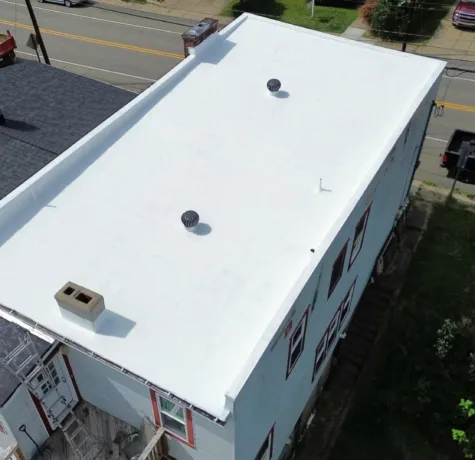
EPDM roofing is available in a range of colors, primarily including black and white. While black is the most common choice for its heat-absorbing properties, white reflects sunlight and can help reduce energy costs.
Is EPDM roofing environmentally friendly?
EPDM roofing is considered environmentally friendly due to its durability and energy efficiency. It reflects sunlight, reducing heat absorption, and is often made from recycled materials, contributing to sustainable building practices.
How do you dispose of old EPDM roofing?
Disposing of old EPDM roofing involves removing it in sections, ensuring that any hazardous materials are handled according to local regulations. The collected material should then be taken to a designated recycling center or landfill that accepts EPDM.
What warranties are available for EPDM roofing?
The warranties available for EPDM roofing typically include manufacturers' warranties ranging from 10 to 30 years, covering material defects, as well as labor warranties that protect against installation issues. Always check specific terms with your provider.
Can you install EPDM over existing shingles?
EPDM can be installed over existing shingles, but it's essential to ensure the underlying surface is clean and structurally sound. Consulting a professional roofing contractor is recommended for the best results.
What are the common EPDM installation mistakes?
Common EPDM installation mistakes include inadequate surface preparation, improper seam sealing, incorrect adhesive application, and neglecting to account for temperature variations. These issues can lead to leaks and reduced roof lifespan if not addressed during installation.
How is EPDM roofing insulated effectively?
Effective insulation of EPDM roofing involves using materials like rigid foam boards or spray polyurethane foam, applied beneath the membrane to enhance thermal resistance and energy efficiency while reducing heat loss.
Can EPDM withstand extreme weather conditions?
EPDM is designed to withstand extreme weather conditions, including heavy rain, hail, and temperature fluctuations. Its durable composition provides excellent resistance to UV rays and ozone, ensuring longevity and reliability in various climates.
Does EPDM require underlayment for installation?
EPDM does not typically require underlayment for installation, as it can be directly applied to a variety of substrates. However, using underlayment may enhance insulation and protect against moisture, depending on the specific project requirements.
What is the cost estimate for EPDM roofing?
The cost estimate for EPDM roofing typically ranges from $3 to $5 per square foot, depending on factors such as installation complexity and the size of the area. For a precise estimate, it's best to consult with a roofing professional.
How often should EPDM roofs be inspected?
EPDM roofs should be inspected at least twice a year. Regular inspections, ideally in spring and fall, help identify potential issues and maintain the roof's longevity and performance.
Can EPDM roofing be customized for projects?
EPDM roofing can be customized for various projects to meet specific needs. This includes tailoring the size, thickness, and color of the membrane, ensuring it aligns perfectly with the project's requirements and design preferences.