A roof that has sheltered your building for two decades has done serious work. By year 20, time, weather, and foot traffic begin to show. The smartest move is to evaluate condition and risk, then plan on your terms rather than after a leak forces your hand. This guide walks through lifespan realities, inspection cues, budgets, insurance, and timing so you can decide with confidence.
What is the life expectancy of a commercial roof?
Most commercial systems land in a 20 to 30 year window, but material, installation quality, climate, and maintenance shift the curve. Single-ply membranes often reach the low to mid-20s when cared for, while metal systems can run far longer. I always remind owners that “expected life” assumes routine inspections and prompt fixes. If your schedule has been reactive, your effective life is usually shorter.
Typical lifespan ranges
- Built-Up Roofing (BUR): about 20–30 years with upkeep
- Modified bitumen: about 15–30 years
- TPO, PVC, EPDM: about 15–30 years depending on thickness and UV load
- SPF (spray foam): about 15–40 years with recoats
- Metal: about 40–70 years when properly detailed
Is 20 years too old for a roof?
Not automatically, but it is the point when risk accelerates. Seams, flashings, and penetrations are the usual weak links, and repeated thermal cycles make them brittle. If you are seeing ponding water or seam repairs creeping up on work orders, build a replacement plan now. Waiting often shifts dollars from planned capital to emergency O&M.
Should a 20-Year-Old Commercial Roof Be Replaced? A quick field test
Walk the roof 24 to 48 hours after a steady rain. If you find dinner-plate sized ponds or larger, you have insulation compression or deck deflection that shortens life. Scan seams at drains, curbs, and parapets for splits, pull-backs, or failed caulk. Check HVAC paths for punctures. If two or more of these show up on a 20-year system, you are in the replacement window.
What to log during a walk
- Depth and size of any ponding areas
- Number and location of seam splits or patches
- Membrane blisters or bubbles, especially near edges
- Condition of flashings and pitch pans at penetrations
Should a 20-Year-Old Commercial Roof Be Replaced? Pittsburgh considerations
Freeze-thaw cycles are hard on seams and flashings. Lake-effect snow adds load, and spring temperature swings stress adhesives. If you operate in or around Allegheny County, plan inspections right after the first freeze and after major wind events. For owners comparing options, schedule a commercial roof inspection Pittsburgh to baseline the system, then budget from facts, not guesses.
Common failure signs around the 20-year mark
By year 20, small issues tend to act in clusters. You might see ponding water in low spots along with blistering where moisture is trapped under a membrane. Flashings crack, seams lift, and fasteners back out, especially on taller buildings that catch more wind. If you have repeated leak calls in the same zones, replacement is often cheaper than serial patching.
Storm and wind damage reality
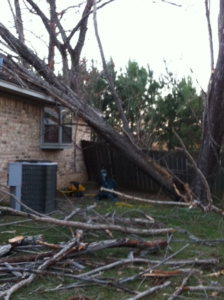
Hail and straight-line winds can bruise, puncture, or peel seams. Even if the roof looks fine from the ground, impacts at drains and around units often hide in plain sight. After a big cell rolls through, get a professional assessment. It is the simplest way to preserve coverage if you do file a claim later.
Repair vs replacement: costs, risk, and timing
Repairs are great for isolated defects, especially on younger roofs. On older systems with widespread wear, repairs become a revolving door. Each patch adds seams and edges that can fail. If your annual leak and repair cost exceeds about 10 to 15 percent of a replacement amortized over its life, it is time to pivot. For a budget primer, see How Much Does a New Roof Cost in Pittsburgh?
A quick cost lens you can use
- Add last year’s leak calls, emergency dries, and patches
- Add interior repairs for ceiling tiles, drywall, and flooring
- Compare against a ballpark replacement amortized over 20–25 years
- If the repair path is catching up fast, plan the replacement
Will insurance pay anything for a 20 year old roof?
It depends on your policy, the cause, and how the carrier values roofs. Insurers generally cover sudden, accidental damage from perils like wind or hail, not age or wear. Some policies pay Actual Cash Value on older roofs, which factors depreciation. Others offer Replacement Cost Value with higher premiums and stricter maintenance expectations. Document inspections and repairs, keep drain photos, and call after significant storms.
What is the depreciable life of a commercial roof?
For tax purposes, roofs on nonresidential property are typically depreciated over 39 years under MACRS when treated as real property improvements. Some improvements can be expensed under Section 179, depending on circumstances and annual caps. Work with your CPA; the tax approach should complement your physical plan, not drive it.
Maintenance that can buy time (and when it cannot)
Good housekeeping extends life, even late in the game. Keep drains clear, remove debris along parapets, and tighten up minor flashing splits before winter. Recoats on SPF and some liquid-applied systems can bridge to a full replacement later. That said, ponding tied to structural deflection or widespread seam failure rarely responds to Band-Aids for long. If safety mats trace a maze of patches, you are living on borrowed time.
Quick reference table: age, red flags, and next steps
| Roof Age | Common Red Flags at This Stage | Typical Next Step |
|---|---|---|
| 10–15 years | Isolated punctures, minor seam lifts | Targeted repairs, add maintenance plan |
| 16–20 years | Ponding, recurring leaks at curbs/drains | Capital plan, scope replacement options |
| 20+ years | Widespread seam failure, blistering, membrane fatigue | Design and schedule replacement |
Local action plan for owners in Pittsburgh
Start with a condition assessment that includes cores, infrared (if needed), and a weighted punch list. If replacement is on deck, align scope with your operations calendar so work happens during lower occupancy or production. For trusted help, discuss 20 year old commercial roof replacement options, confirm commercial roof age Pittsburgh considerations, and book a commercial roof inspection Pittsburgh to validate the timeline. Deciding now avoids emergency premiums later.
External perspective: maintenance improves outcomes
For a concise, third-party primer on inspection and preventive care, this roof maintenance overview from Buildings.com explains how routine checks extend service life and reduce lifecycle cost. It aligns with what we see in the field every day.
Bottom line: make a proactive call
At 20 years, most commercial roofs are living in the red zone. Some will stretch further with disciplined maintenance and small repairs. Many are better served by a planned replacement that resets risk, improves energy performance, and stabilizes budgets. If your roof is showing pooled water, seam splits, or repeated leak calls, move from “watch” to “act.” Start the scoping process now and choose timing that works for your business.
Frequently asked questions
Should a 20-year-old commercial roof be replaced?
Often, yes. Twenty years is the point where cumulative wear at seams and flashings tends to outpace economical repairs. Confirm with a professional assessment and budget accordingly. If you already plan capital upgrades, bundle the roof into that timeline.
Can I keep repairing a 20-year roof?
You can, but weigh the true cost. Add interior damage, downtime, and emergency callout premiums. When repairs become frequent, a planned 20 year old commercial roof replacement is usually cheaper over the next five years.
When is the best time to schedule work?
Warm, dry months speed production and reduce weather delays. In Pittsburgh, spring and early fall often balance temperature and precipitation best. Book early so crews and materials align with your schedule.