


Table of Contents
Metal roofing has become increasingly popular across Western Pennsylvania. Property owners want durability. They want protection from harsh winters. And they want a roof that lasts. If you own a home, warehouse, or commercial metal roofing project in the Pittsburgh area, you have likely encountered two primary options: standing seam and exposed fastener systems. Understanding the differences between these two approaches will help you make the right investment for your building.
Pittsburgh weather does not take it easy on rooftops. Heavy snow, ice accumulation, summer storms, and temperature swings throughout the year all test the limits of roofing materials. When comparing standing seam vs exposed fastener systems, climate performance should be at the forefront of your decision. Both systems use similar materials, but their construction methods create significant differences in longevity, maintenance, and overall value.
Understanding Metal Roofing Systems Pittsburgh Property Owners Choose
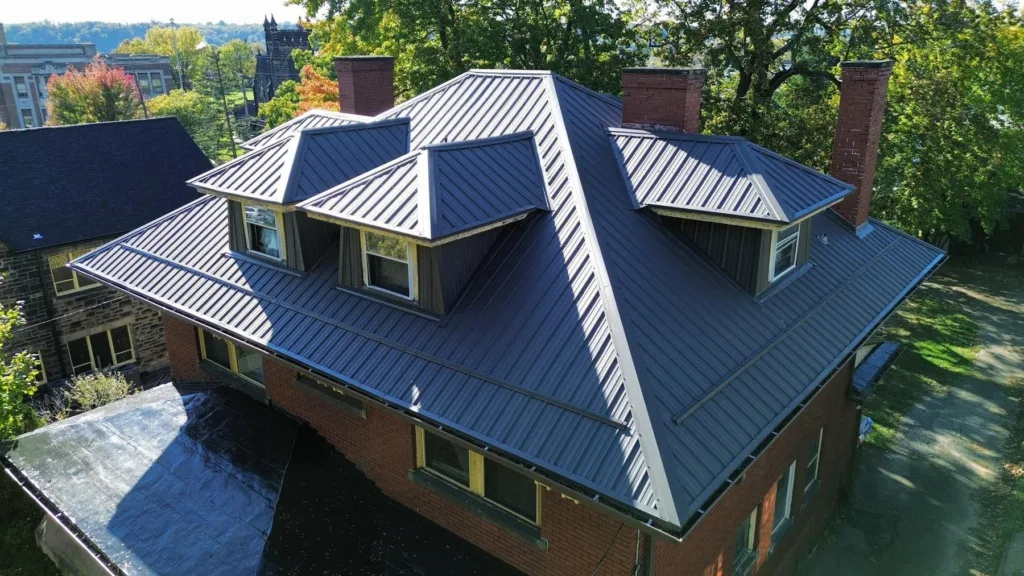
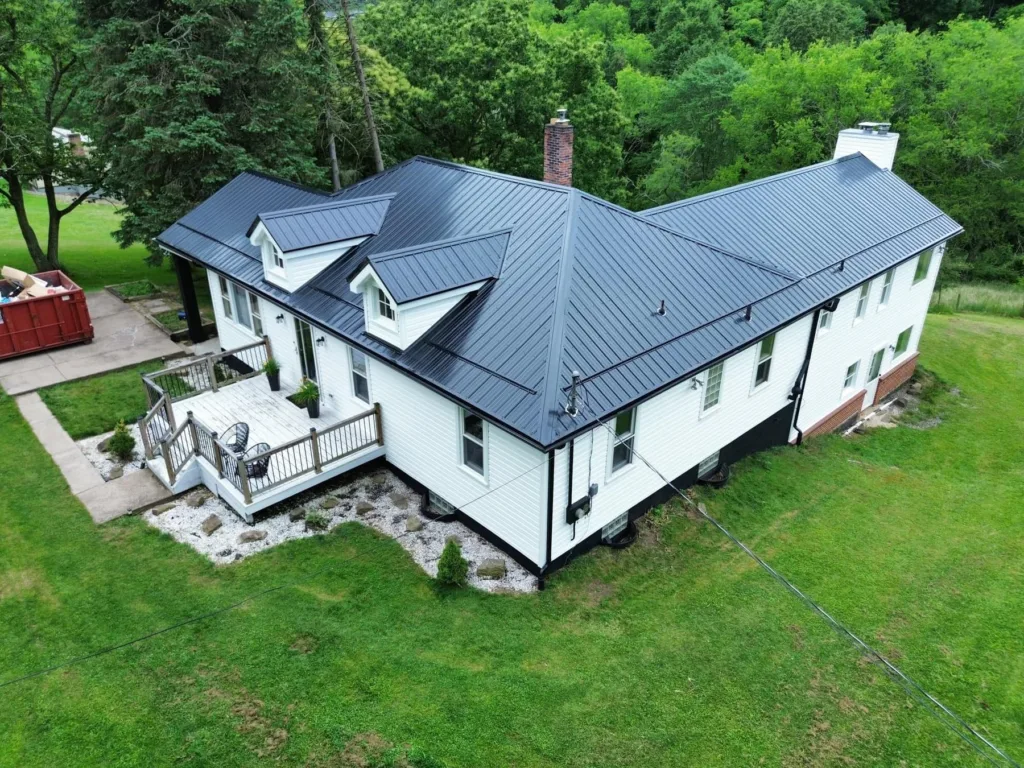
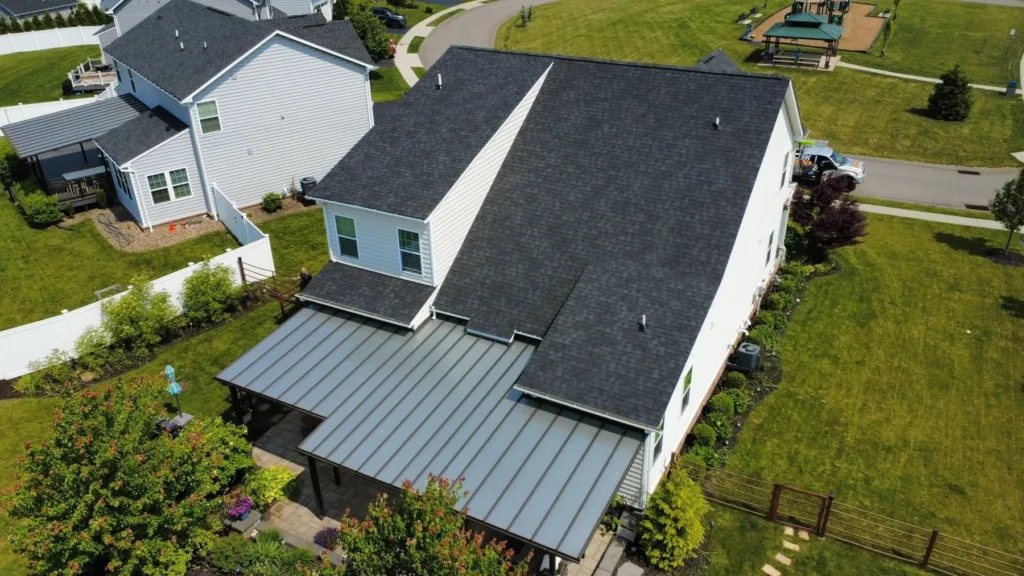
Before diving into specifics, let me clarify what separates these two roofing types. Standing seam metal roofing features vertical panels with raised seams that run continuously from ridge to eave. The fasteners remain hidden beneath these raised seams, creating a sleek appearance while protecting attachment points from weather exposure. This concealed design prevents water infiltration at fastener locations.
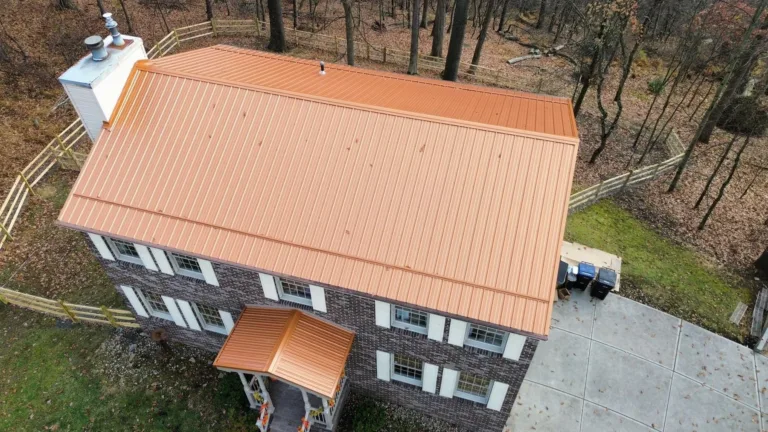
Exposed fastener systems take a different approach. Metal panels are secured directly to the roof deck using visible screws that penetrate through the panel surface. These screws include rubber washers designed to create a weather-tight seal. The installation process is more straightforward, which contributes to lower upfront costs.
Does Standing Seam Have Exposed Fasteners?
No. This is actually the defining characteristic that separates standing seam from other metal roofing systems Pittsburgh contractors install. Standing seam panels attach to the roof structure using specialized clips or brackets hidden beneath the raised seams. You will not see any screw heads on the surface of a properly installed standing seam roof.
This concealment serves a practical purpose beyond aesthetics. Hidden fasteners are protected from UV radiation, rain, snow, and temperature fluctuations. They cannot loosen or degrade from weather exposure. For Pittsburgh buildings facing freeze-thaw cycles throughout winter, this protection matters significantly.
What Are the Disadvantages of a Standing Seam Roof?
Standing seam roofing is not without drawbacks. The most significant barrier for many property owners is cost. You can expect to pay between $8 and $16 per square foot installed, compared to $4 to $6 for exposed fastener systems. Material costs run 40 to 60 percent higher due to thicker metal gauges and precision manufacturing requirements.
Installation complexity also increases expenses. Standing seam requires specialized skills and tools that not every contractor possesses. The interlocking panel system demands precision, and mistakes during installation can compromise the entire roof’s performance. For Pittsburgh buildings with complex roof geometries, these challenges multiply.
Additionally, standing seam panels can be susceptible to oil canning, which creates visible waviness in the flat areas of panels. While this is purely cosmetic and does not affect performance, some property owners find it objectionable. Reputable manufacturers use techniques to minimize this effect, but it cannot be entirely eliminated.
Standing Seam vs Exposed Fastener Metal Roofing for Pittsburgh Buildings: The Weather Factor

Pittsburgh experiences roughly 44 inches of snow annually. Ice storms occur regularly. Summer brings intense thunderstorms with high winds. When evaluating a metal roof comparison for this region, weather resistance becomes paramount.
Standing seam systems excel in harsh conditions. The interlocking panels create an uninterrupted barrier against water infiltration. Metal expands and contracts with temperature changes, and standing seam designs accommodate this movement without stressing fasteners. The smooth surface sheds snow efficiently, reducing ice dam formation.
Exposed fastener roofs face greater challenges. Each screw penetration creates a potential leak point. The rubber washers that seal around fasteners degrade over time from UV exposure and temperature cycling. In Pittsburgh’s climate, these washers may require replacement every 10 to 15 years. Failure to maintain them leads to water intrusion and costly repairs.
How Long Will an Exposed Fastener Metal Roof Last?
With proper installation and regular maintenance, an exposed fastener metal roof typically lasts 20 to 30 years. Some manufacturers and contractors suggest longer lifespans, but this depends heavily on maintenance frequency and local climate conditions. Pittsburgh’s weather patterns place additional stress on these systems.
The limiting factor is not usually the metal panels themselves. Quality steel or aluminum panels with PVDF paint finishes can potentially last much longer. The screws and washers are the weak points. Temperature fluctuations cause metal panels to expand and contract, gradually working screws loose. The rubber gaskets that seal each penetration dry out and crack from sun exposure.
Standing seam roofs typically last 40 to 70 years with minimal maintenance. The concealed fastener design eliminates the primary failure points that shorten exposed fastener roof lifespans. For property owners planning long-term building ownership, this difference significantly impacts total cost of ownership.
Comparing Costs: Standing Seam vs Exposed Fastener for Pittsburgh Buildings
Let me break down the financial picture clearly. Initial costs favor exposed fastener systems by a wide margin. However, lifetime costs tell a different story.
| Factor | Standing Seam | Exposed Fastener |
|---|---|---|
| Material Cost per Sq Ft | $4 – $8 | $2 – $4 |
| Installed Cost per Sq Ft | $8 – $16 | $4 – $6 |
| Expected Lifespan | 40 – 70 years | 20 – 30 years |
| Maintenance Frequency | Annual inspection | Every 5-10 years (fastener replacement) |
| Warranty Coverage | Often includes weathertight guarantee | Limited weathertight coverage |
For commercial metal roofing applications where building owners plan decades of use, standing seam often delivers better value despite higher upfront investment. The reduced maintenance burden and extended lifespan justify the premium.
What Is the Alternative to Standing Seam?
Beyond exposed fastener systems, property owners have other options worth considering. Metal shingles combine traditional aesthetics with metal durability. They can mimic the appearance of slate, wood shake, or tile while offering metal’s weather resistance. Stone-coated steel roofing provides similar benefits with added texture.
Corrugated metal panels represent another alternative, commonly used for agricultural and industrial buildings. These panels feature a distinctive wave pattern and typically use exposed fasteners. They work well for applications where aesthetics take a back seat to function and budget.
For flat or low-slope roofs, single-ply membrane systems like TPO or EPDM may be more appropriate than metal. Your roof’s pitch significantly influences which materials will perform best. Learn more about various options in this detailed guide on Which Commercial Roofing Materials Offer the Best Long-Term Value?
Metal Roofing Systems Pittsburgh: Which Buildings Benefit Most?
The right choice depends on your specific building and goals. Standing seam delivers optimal performance for residential homes, office buildings, retail spaces, and other structures where long-term value and curb appeal matter. The clean lines complement modern architecture while providing superior protection.
Exposed fastener systems make practical sense for agricultural buildings, storage facilities, workshops, and outbuildings. These structures often prioritize function over aesthetics. The lower upfront cost allows property owners to achieve weather protection within tighter budgets.
I recommend standing seam vs exposed fastener analysis for every project. Consider how long you plan to own the building. Factor in maintenance capacity and costs. Evaluate aesthetic requirements. The best decision balances all these elements.
Installation Considerations for Pittsburgh’s Climate
Proper installation determines whether any metal roof reaches its potential lifespan. For Pittsburgh buildings, several factors demand attention. Your contractor should understand local wind and snow load requirements. Pennsylvania building codes specify structural standards that roofs must meet.
Metal gauge matters significantly. Thicker panels resist denting, withstand heavier snow loads, and provide greater wind resistance. For standing seam, 24-gauge steel is common for residential applications. Exposed fastener panels often use thinner 26 or 29-gauge metal, though 24-gauge provides better long-term performance.
Paint systems also affect longevity. PVDF coatings, commonly known by the brand name Kynar, offer superior fade and chalk resistance compared to standard polyester finishes. Quality underlayment and proper flashing around penetrations prevent water intrusion regardless of which system you choose.
Making Your Decision: Standing Seam vs Exposed Fastener for Pittsburgh Properties
After weighing all factors, the choice often comes down to priorities. If you value minimal maintenance, maximum lifespan, and modern aesthetics, standing seam justifies its premium. Pittsburgh’s challenging climate makes the concealed fastener advantage particularly valuable.
If budget constraints are tight and you are roofing a secondary structure, exposed fastener systems provide reliable protection at lower cost. Just plan for regular maintenance and eventual fastener replacement. Understand that you may need a full roof replacement sooner than with standing seam.
Whatever you decide, work with a contractor experienced in metal roofing who understands Pittsburgh’s specific climate demands. Verify they use quality materials from reputable manufacturers. Ask about warranty coverage for both materials and workmanship. For additional research on metal roofing systems, the Sheffield Metals Learning Center provides excellent technical resources.
The right metal roof protects your Pittsburgh building for decades. Take time to make an informed decision, and your investment will reward you with lasting performance through every season Western Pennsylvania throws your way.