Frequently Asked Questions
Does roof need ventilation?
Proper roof ventilation is essential for maintaining the health of your home. Adequate ventilation helps regulate temperature, prevents moisture buildup, and extends the lifespan of your roof, making it a critical component of any roofing system.
How much roof ventilation do I need?
The amount of roof ventilation you need depends on your attic size and the climate. Generally, aim for a ventilation ratio of 1:150 (vent area to attic floor area) to ensure effective air circulation and prevent moisture buildup.
Are roof vents necessary?
Roof vents are necessary for maintaining proper air circulation in your home. They help regulate temperature and humidity, preventing moisture buildup and potential damage, ultimately extending the life of your roof and enhancing your home's energy efficiency.
How much does it cost to vent a roof?
The cost to vent a roof typically ranges from $300 to $1,500, depending on factors like roof size, type of ventilation, and labor costs. For an accurate estimate, it's best to consult with a roofing professional.
Is roof venting necessary?
Roof venting is necessary for maintaining a healthy roofing system. It helps regulate temperature, reduces moisture buildup, and prevents ice dams, ultimately prolonging the life of your roof and enhancing energy efficiency in your home.
Are roof vents required?
Roof vents are essential for maintaining proper ventilation in your roofing system. They help regulate temperature and moisture, preventing damage to your roof and ensuring a healthier home environment.
Why roof ventilation is important?
The importance of roof ventilation lies in its ability to regulate temperature and moisture within the attic, preventing damage to roofing materials and reducing energy costs. Proper ventilation enhances your roof's lifespan and maintains a healthy home environment.
What is the most effective venting system for most roofs?
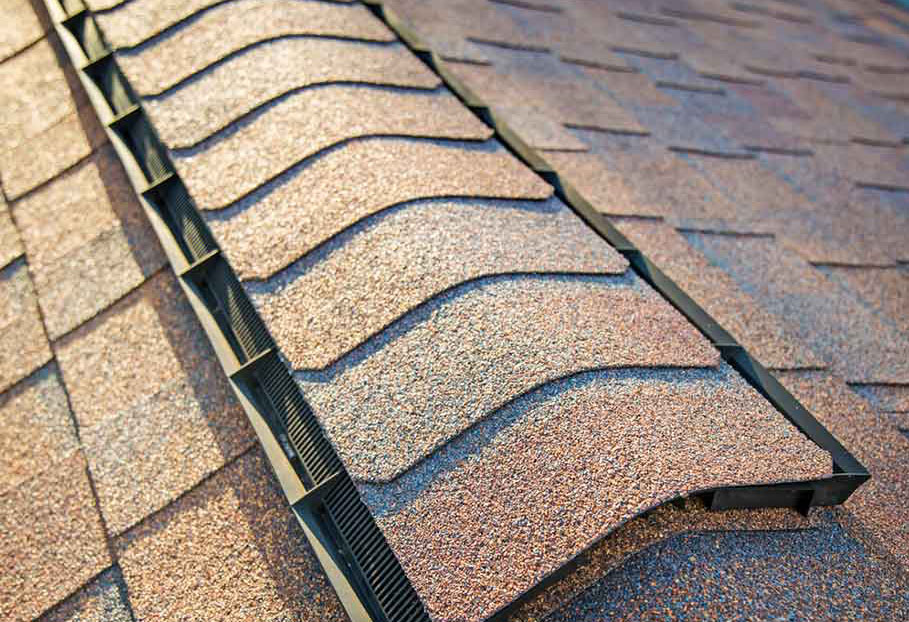
The most effective venting system for most roofs is a balanced combination of ridge vents and soffit vents. This setup allows for optimal airflow, reducing heat and moisture buildup, which is essential for prolonging roof life and enhancing energy efficiency.
Do roof ventilation fans work?
Roof ventilation fans are effective in improving airflow in your attic. They help reduce heat buildup, prevent moisture issues, and extend the lifespan of your roof by promoting optimal ventilation.
Do roof vents work?
Roof vents effectively work to improve air circulation in attics, helping to regulate temperature and moisture levels. This ventilation is essential for prolonging the lifespan of your roof and preventing issues like mold and heat damage.
How much ventilation does a roof need?
The amount of ventilation a roof needs varies, but generally, a ratio of 1 square foot of ventilation for every 300 square feet of attic space is recommended, ensuring proper airflow and temperature regulation.
How much does ventilation roof cost?
The cost of roof ventilation varies depending on factors such as the type of ventilation system, materials used, and installation complexities. On average, homeowners can expect to pay between $300 to $1,500 for proper roof ventilation solutions.
How much ventilation does my roof need?
The amount of ventilation your roof needs depends on its size, design, and local climate; generally, a good rule is to provide 1 square foot of ventilation for every 150 square feet of attic space.
How roof ventilation works?
Roof ventilation works by allowing air to circulate through the attic, helping to regulate temperature and moisture levels. This process prevents heat buildup and reduces the risk of mold and roof damage, ensuring a healthier home.
What roof ventilation is best?
The best roof ventilation typically combines ridge vents, soffit vents, and gable vents. This combination promotes efficient airflow, helping to regulate temperature and moisture levels, thereby extending the lifespan of your roof.
What are the signs of poor roof ventilation?
The signs of poor roof ventilation include excessive heat buildup in the attic, moisture accumulation leading to mold growth, sagging ceilings, and increased energy bills. Additionally, the presence of ice dams in winter can indicate inadequate airflow.
How can I improve my roof ventilation?
Improving your roof ventilation involves ensuring proper airflow through your attic. This can be achieved by installing ridge vents, soffit vents, or turbine vents, and keeping all vents unobstructed for optimal performance.
What types of roof ventilation are available?
The types of roof ventilation available include passive ventilation, such as soffit vents and ridge vents, and active ventilation systems like powered attic ventilators. Each option helps promote air circulation, preventing moisture buildup and maintaining roof health.
When should I consider roof vent installation?
Consider roof vent installation when you notice issues like excess heat in the attic, moisture buildup, or signs of roof deterioration. Proper ventilation can enhance your roof's longevity and overall home health by regulating temperature and moisture levels effectively.
How does weather affect roof ventilation needs?
Weather significantly influences roof ventilation needs. In hot climates, proper ventilation helps dissipate heat, preventing damage and prolonging roof life. Conversely, in colder regions, ventilation reduces moisture buildup, which can lead to ice dams and structural issues.