If you are a homeowner planning to replace your roof in Pittsburgh or one of its nearby suburbs, understanding the permit and inspection process is not just helpful, it is essential. Permits protect you, your insurance coverage and the resale value of your home. This 2026 guide to roofing permits and inspections in Pittsburgh and the surrounding suburbs walks you through the requirements, the steps and the pitfalls to avoid.
Whether you are in Mt. Lebanon, Upper St. Clair, the North Hills or anywhere in Allegheny County, this guide is for you. As a family owned roofing company based at 500 Perry Highway in West View, we work with municipal building departments across the region every week, and the permit step is built into every residential roof replacement we complete.
What Types of Permits Are Required for Roofing Projects?
Any major structural work, including roofing, typically requires a permit under the City of Pittsburgh Department of Permits, Licenses, and Inspections (PLI). According to OneStopPGH, homeowners need to apply for permits when:
- Replacing or altering roofing materials
- Adding a new layer to an existing roof
- Changing the structure or slope
For residential structures, the most common permit types are:
- Building Permit
- Occupancy Only Permit (for commercial and mixed use buildings)
- Minor Alteration Permit (if the home has an existing Certificate of Occupancy)
For a full list, visit the PLI permit guidelines.
Do You Need a Permit to Replace a Roof in Pittsburgh?
Yes, and not just in Pittsburgh. The surrounding suburbs follow similar rules aligned with the Pennsylvania Construction Code Act (Act 45 of 1999). This law incorporates the International Code Council I-Codes as part of the Pennsylvania Uniform Construction Code (UCC).
Permits are often needed even for tear off and re-shingle jobs if structural work is involved, and many municipalities require one for any full replacement. Neglecting this step could result in fines, denied insurance claims or complications when selling the property.
Do You Need a Permit for a Roof in PA?
Most roofing projects in Pennsylvania do require a permit, especially if:
- You are replacing a large portion of the roofing area rather than patching a small section
- Structural decking is being replaced
- Insulation or ventilation systems are upgraded
Always check with your local municipality. Some townships, like Bethel Park and Cranberry Township, may have additional zoning rules. For official guidance, consult the Pennsylvania UCC resource page.
Do not forget that you will also need to work with a contractor who holds a valid Pennsylvania HIC number. This registration with the PA Attorney General Office is a requirement under the Home Improvement Consumer Protection Act. Our registration is PA174918, and you can look up any contractor on the Attorney General website before you sign a contract.
What Can a Homeowner Do Without a Permit in Pennsylvania?
According to state and city guidance, homeowners in Pennsylvania may perform minor repairs without permits, such as:
- Replacing shingles over a small patch
- Cleaning or resealing gutters
- Repairing roof flashing (if not structural)
However, installing a full new roof or changing materials (for example, asphalt to metal) always requires a permit. Better safe than sorry is the best rule of thumb. If you are unsure whether your job counts as a repair or a replacement, a quick call to your borough or township office settles it in minutes.
Roofing Permits Pittsburgh: What the OneStopPGH Portal Offers
OneStopPGH is the City of Pittsburgh centralized digital system for:
- Applying for and renewing permits
- Tracking inspection status
- Reviewing zoning decisions and code enforcement cases
You can create an account to submit applications, schedule inspections or download official documents. If you are a contractor, it is also where you upload your Pennsylvania HIC number for verification.
To begin your roofing permit application, visit the OneStopPGH portal.
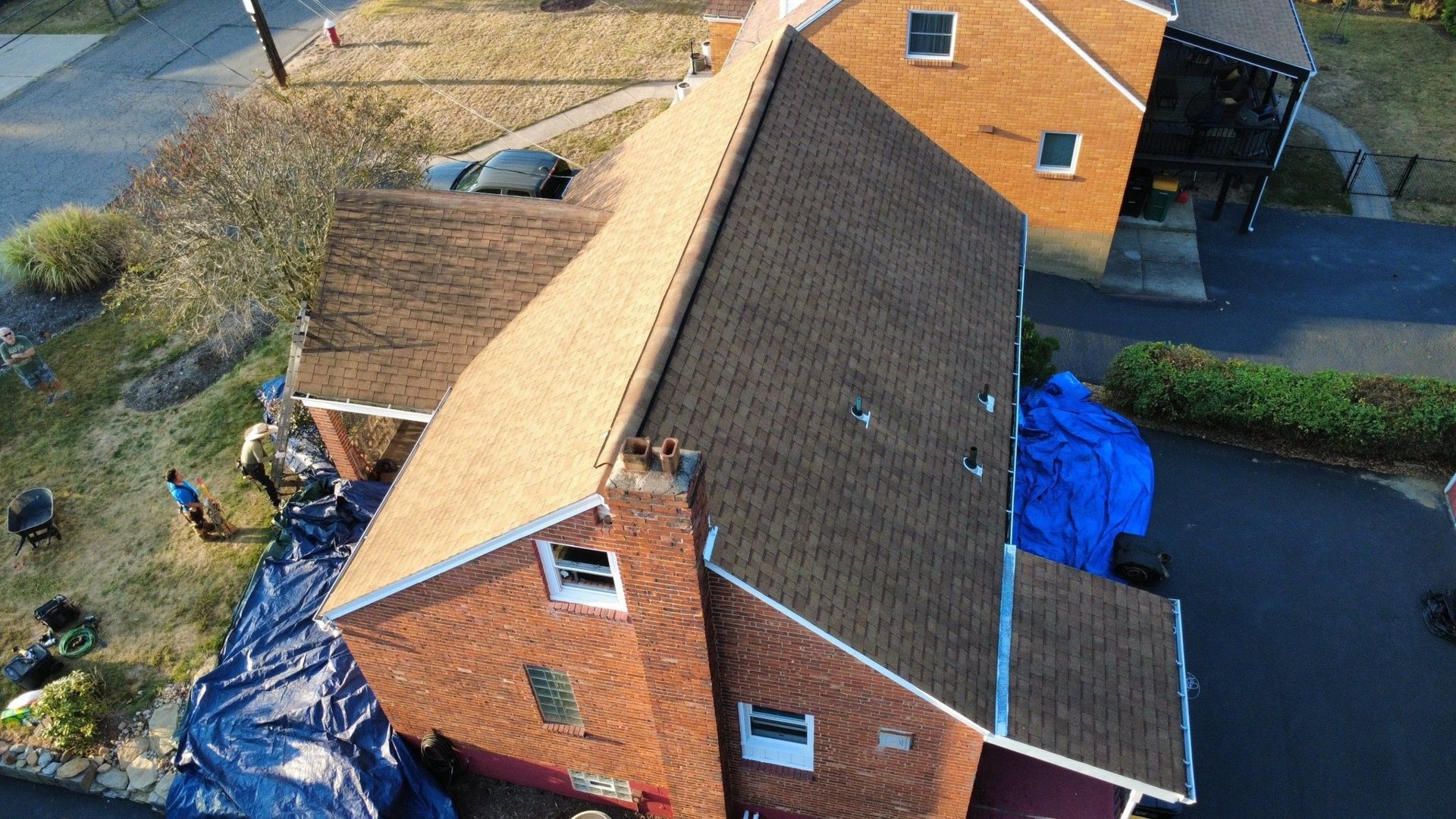
The Permit Process: Step by Step
- Application Submission: Complete online via OneStopPGH or through your local township building department.
- Documentation: Include scope of work, materials and contractor credentials (like the HIC number).
- Review: City officials confirm your project aligns with Pennsylvania roofing regulations and local zoning codes.
- Approval: Permit issued with conditions and an expiration timeline.
- Inspections: Usually required after installation and sometimes mid project.
- Completion and Sign Off: Once the final inspection passes, you receive a completion certificate.
For a deeper look, check out our Essential Roof Replacement Permits and Regulations Guide.
What Building Code Does Pittsburgh Use?
Pittsburgh, like the rest of Pennsylvania, follows the Uniform Construction Code (UCC). The UCC is enforced statewide and adopts standards from the International Residential Code (IRC) and International Building Code (IBC).
Depending on whether your home is single family, multi family or mixed use, your project will fall under:
- IRC (for residential structures up to 3 stories)
- IBC (for all other uses including commercial)
You can learn more at the Department of Labor and Industry UCC site.
Consequences of Skipping a Roofing Permit
Let us be blunt: skipping permits is a mistake. Here is why:
- Fines and Penalties: Unpermitted work can lead to hefty penalties.
- Insurance Denials: Claims related to roofing failures may be rejected.
- Inspection Issues: Future buyers may demand full compliance documentation.
- Liability: If someone gets injured during unpermitted work, you could be liable.
Pennsylvania roofing regulations exist for your protection. Adhering to them ensures your roof performs as expected and keeps your investment safe.
Roofing Permit Fees and Inspections in the Suburbs
Permit fees vary from one municipality to the next. In Pittsburgh they are based on project value. In the suburbs the fee schedule depends on the township or borough:
- Mount Lebanon: Charges a set roofing permit fee published by the municipality
- Upper St. Clair: Fees depend on square footage
- Cranberry Township: May include plan review costs
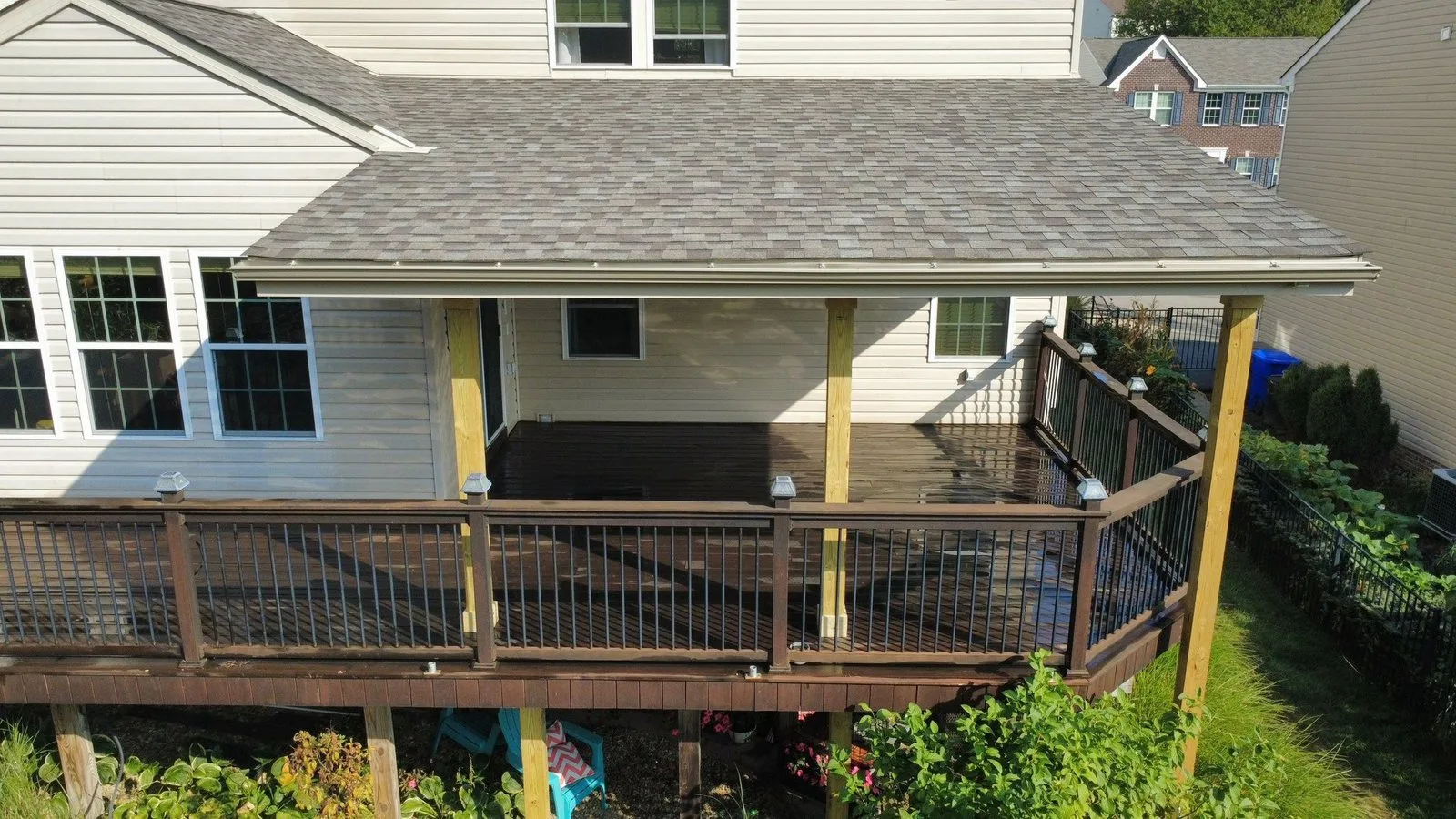
The permit fee is a small line item compared to the roof itself. What drives the real cost of the project is the size and pitch of the roof, how many layers have to come off, whether any decking needs replaced and the shingle system you choose. We cover all of that, including the permit fee, in a free written estimate so there are no surprises.
Each municipality has its own inspection checklist. Typically, one post installation inspection is required to confirm materials, flashing, ventilation and overall safety.
How We Handle Permits and Inspections on a Replacement
When a permit is required for a full roof replacement, we handle the application for you, submit the scope of work and our HIC registration, and coordinate the inspection with the municipality. Our AtlasPro+ Platinum Select certification also means that a complete Atlas shingle system we install qualifies for the Atlas 50 year warranty, and that paperwork pairs well with a passed inspection and a permit on file when it is time to sell. Keep the permit, the inspection sign off and the warranty registration together in one folder.
Frequently Asked Questions
How long does a roofing permit take in Pittsburgh?
Simple residential roofing permits are often reviewed within a few business days once the application is complete, though timing depends on the municipality and the season. Spring and early summer are the busiest periods for building departments across Allegheny County.
Who pulls the permit, the homeowner or the roofer?
Either can apply, but in most cases the contractor pulls the permit because the application asks for the scope of work, the materials and the HIC number. If a contractor asks you to pull the permit yourself, ask why.
Does a roof repair need a permit?
A small patch, a flashing repair or a handful of replaced shingles usually does not. A full replacement, a second layer or any work that touches the decking or structure does. When in doubt, call the building department.
What does the inspector look for?
Inspectors typically confirm the shingles and underlayment match the permit, flashing is installed correctly at walls, chimneys and valleys, ventilation is adequate and the work matches current UCC requirements.
Will an unpermitted roof affect my home sale?
It can. Buyers and their inspectors may ask for permit records, and unpermitted work can delay closing or lead to a request for retroactive permits and inspections.
Pittsburgh Roofing Permits: Summary and Resources
Navigating roofing permits may seem complex, but you do not have to go it alone. By understanding the permit types, local codes and inspection processes, you will avoid costly mistakes and delays.
Here is a recap:
- Always check if your job requires a permit. Most replacements do.
- Use OneStopPGH to streamline your project inside the city.
- Work with a contractor who has a valid Pennsylvania HIC number.
- Reference city and state codes before you begin.
Need help? Reach out to your local municipality or start with the PA UCC page.
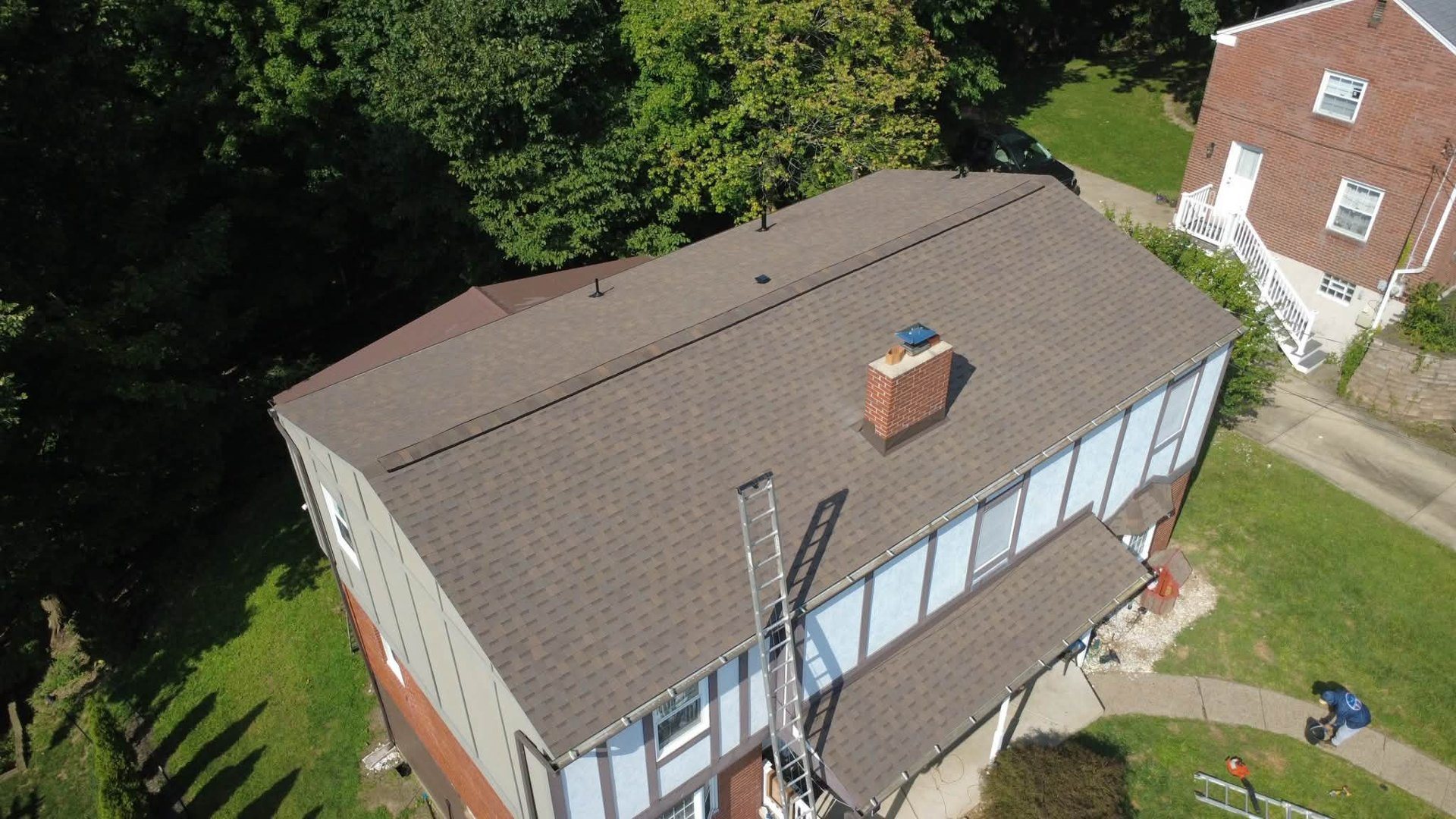
Ready to Take the Next Step?
Contact us at Malick Brothers Exteriors or call 412-616-0191 for a free written estimate. We will walk you through every option, handle the permit and help you stay compliant while protecting your home.