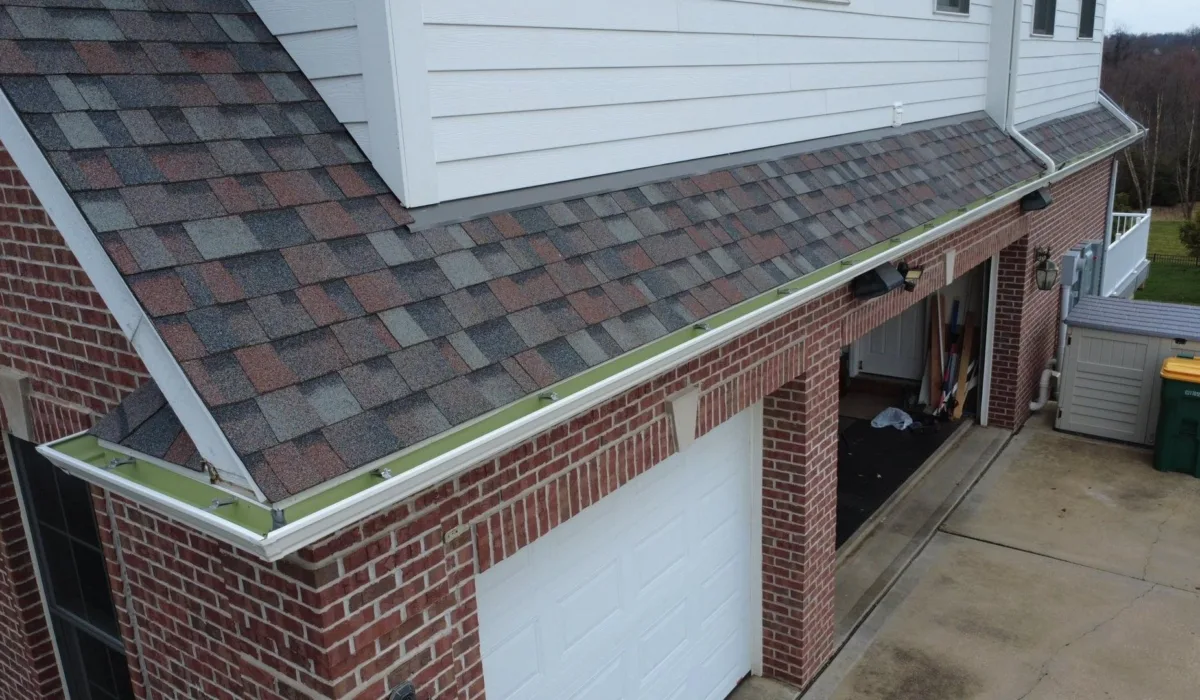
Gutters rarely get the attention they deserve until something goes wrong. A heavy Pittsburgh rainstorm rolls through, water pools near your foundation, and suddenly you realize those old troughs along your roofline are failing. We see this on homes across the North Hills and South Hills every season. The good news is that a little knowledge up front saves you from expensive headaches later. This gutter buying guide walks you through what to consider before you buy, and if you want a crew to measure and install them, our seamless gutter installation page explains how we work.
One thing to say plainly before we start: Malick Brothers Exteriors installs 5 inch and 6 inch seamless aluminum gutters and downspouts, and our repair division relines box gutters. We do not install gutter guards. We still cover guards below because you will hear about them from other companies, and you deserve an honest view.
Why Your Gutters Matter More Than You Think
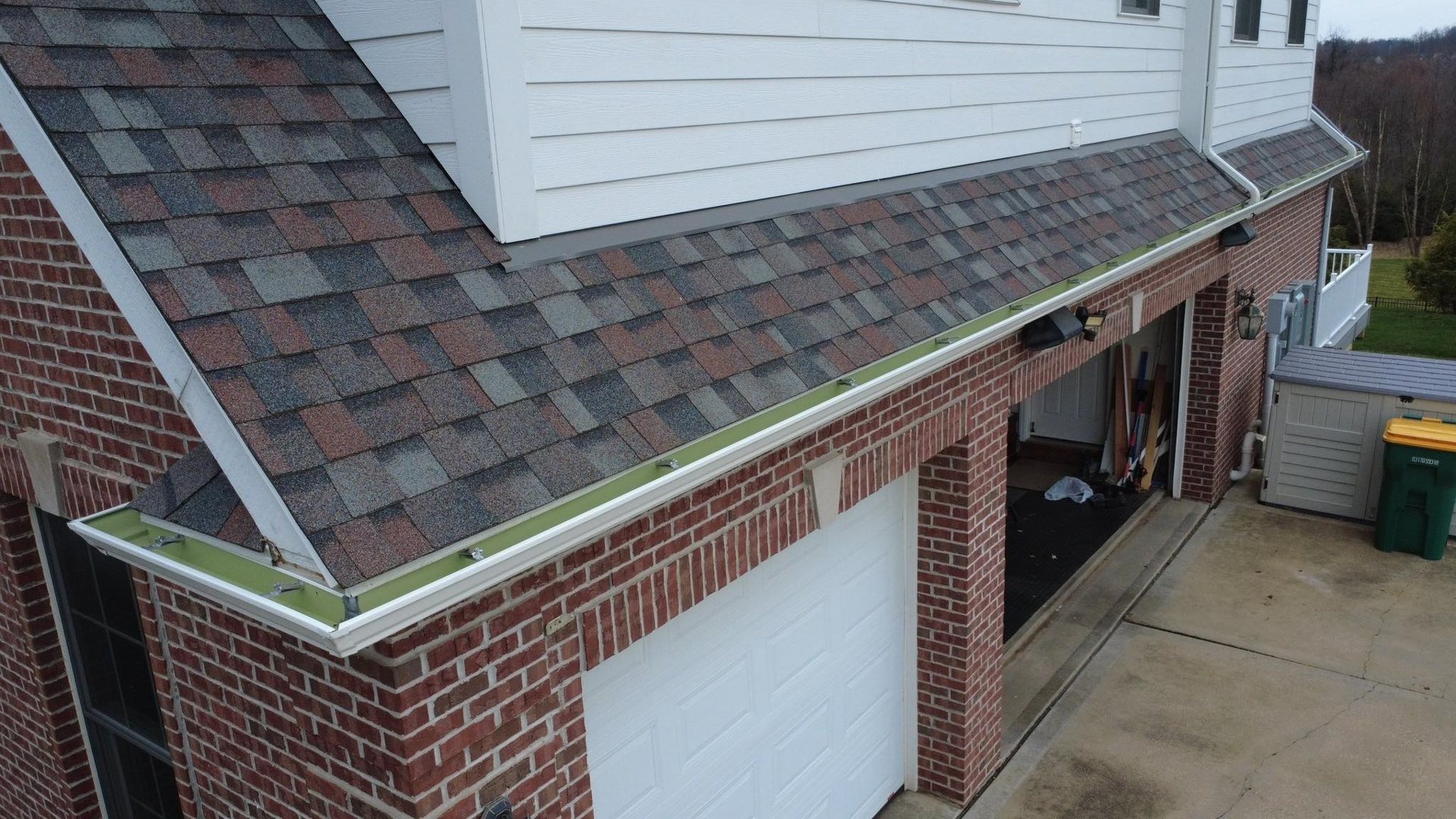
Gutters do one critical thing: they move rainwater away from your home. Without a working system, water erodes the soil around your foundation, seeps into basements, and causes mold behind your siding. Pittsburgh makes this worse. Many of our homes sit on hillsides, many have older block or stone foundations, and the freeze and thaw cycle between November and March punishes any spot where water sits. Over time, a small drainage problem becomes a big structural one. That is why choosing gutters should be treated as a long term investment, not a last minute afterthought.
What to Look for When Buying Gutters
The first thing most people fixate on is price. But price alone does not tell you much. You need to weigh the material, style, size, and whether you want seamless or sectional construction. Each factor affects how long your gutters last and how well they perform during heavy rain. Take the time to evaluate all of them before you commit.
Climate matters too. Western Pennsylvania gets real snow, ice, and long stretches of cold rain, so you need a material that handles the extra weight without sagging or cracking. Hangers matter as much as the trough itself, because a gutter full of slush is heavy. Check with your municipality as well, since some boroughs have rules about where downspouts may discharge.
Gutter Materials: Comparing Your Options
Material selection is one of the most important decisions in this process. Your choice determines durability, upkeep, appearance, and total cost over the life of the system. Here is a general gutter materials comparison. Lifespans are common industry estimates and depend heavily on installation and upkeep.
| Material | Typical Lifespan | Best For |
|---|---|---|
| Aluminum | 20 to 30 years | Most homes; lightweight and rust resistant |
| Copper | 50 years or more | Historic or high end homes |
| Steel | 20 to 30 years | High strength; needs rust care |
| Vinyl | 10 to 20 years | Mild climates only |
| Zinc | 50 years or more | Modern builds; low upkeep |
Aluminum remains the most popular choice for homes around Pittsburgh, and it is the material we install. It resists rust, comes in several colors, and is the standard for seamless gutters formed on site. We stock white, black, and almond, which cover most trim colors we see. Copper is beautiful and long lasting but sits at the top of the price scale. Steel handles extreme weather but needs attention to prevent rust. Vinyl tends to become brittle in our winters and warp in summer heat, so we do not recommend it here.
What Is the Rule of Thumb for Gutters?
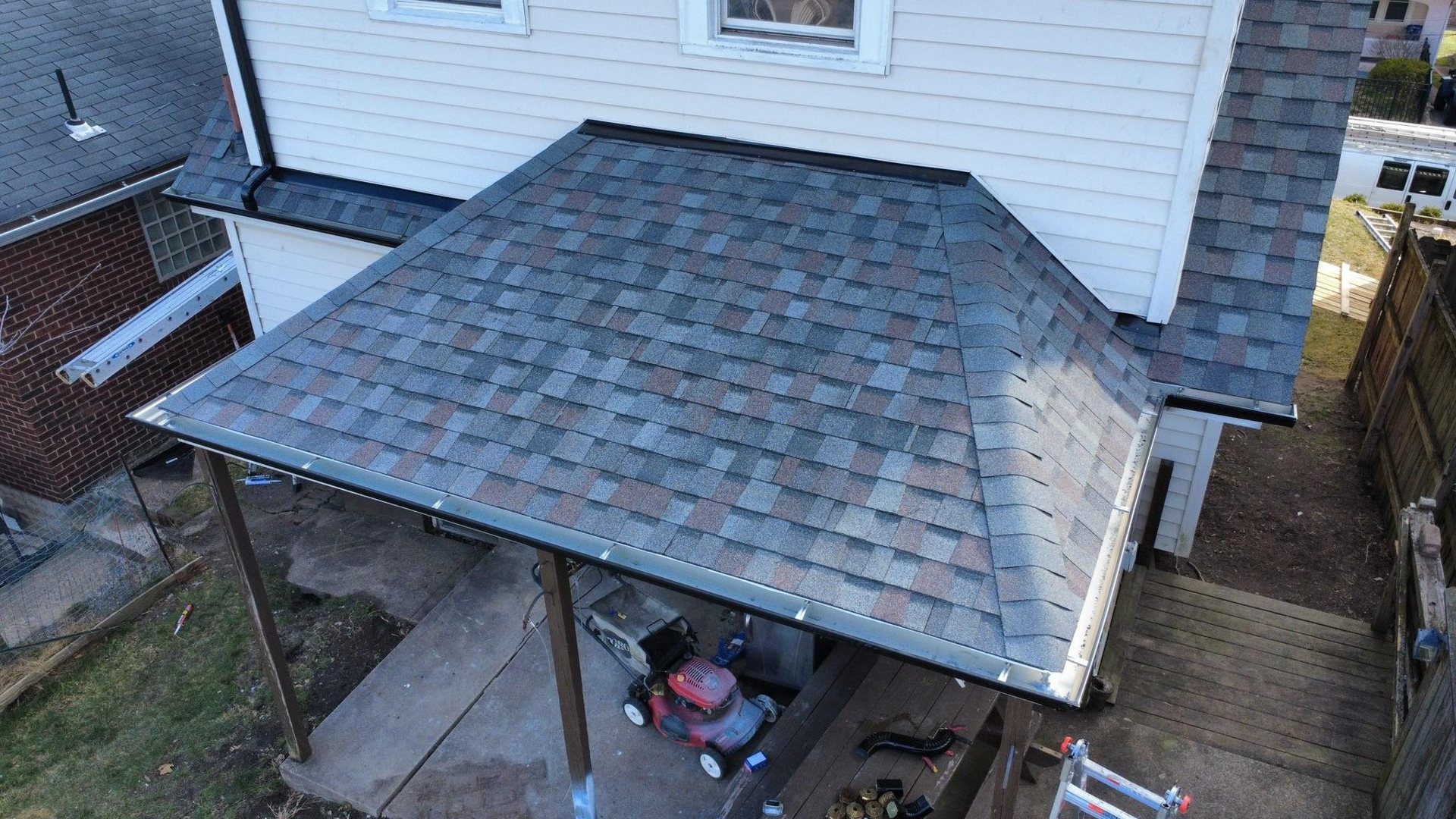
There are a few general rules worth remembering. First, gutters should slope roughly a quarter to a half inch for every ten feet of run. This slight angle moves water toward the downspouts without pooling. Second, most homes do well with 5 inch or 6 inch gutters. If your roof has a steep pitch or a large surface draining to one side, the 6 inch size handles higher water volume. Many older Pittsburgh homes with steep roofs and long runs benefit from the larger size.
Downspouts matter just as much as the gutters themselves. A common rule is one downspout for every 30 to 40 feet of gutter, and more on steep or large roofs. Position them so water discharges well away from your foundation. These small details make a real difference in how your system performs.
Seamless vs. Sectional Gutters
Every gutter buying guide eventually comes to this choice. Sectional gutters come in precut pieces that snap or screw together. They are easier for DIY installation, but the joints between sections create weak points where leaks develop over time.
Seamless gutters are formed on site from a coil of aluminum to fit the exact length of your roofline. They have joints only at corners and downspouts, which means far fewer places to leak. This is the only kind we install. Our crew brings the gutter machine to your driveway, measures each run, and forms each piece to length. The up front price is higher than a box store kit, but fewer leaks and a longer life usually justify it.
K Style vs. Half Round: Which Style Fits Your Home?
The two most common gutter profiles are K style and half round. K style gutters have a flat back and a decorative front that looks like crown molding. They hold more water than half round gutters of the same width and are the standard for most homes. Their flat back also mounts cleanly against the fascia board. K style is the profile we install.
Half round gutters look like a tube cut in half. They suit some older, historic, or cottage style homes. They carry less water per inch and usually cost more, but they can be easier to clean because debris does not catch in corners. When choosing gutters for your home, style should complement your architecture.
What Is the Most Common Problem with Gutters?
Clogging. Without question, it is the number one issue homeowners face. Leaves, twigs, shingle grit, and even small nests collect inside gutters and block the flow. When that happens, water backs up, overflows, and damages your roof edge, fascia, siding, and foundation. In winter, standing water in clogged gutters can freeze and add to ice buildup along the eaves.
The simplest way to prevent clogs is regular cleaning, ideally in late spring and again after the leaves drop in fall. Neighborhoods with mature oaks and maples, which describes much of Allegheny County, may need more. For step by step help, read How to Clean Your Gutters: A Guide for Pittsburgh Homeowners.
Should You Invest in Gutter Guards?
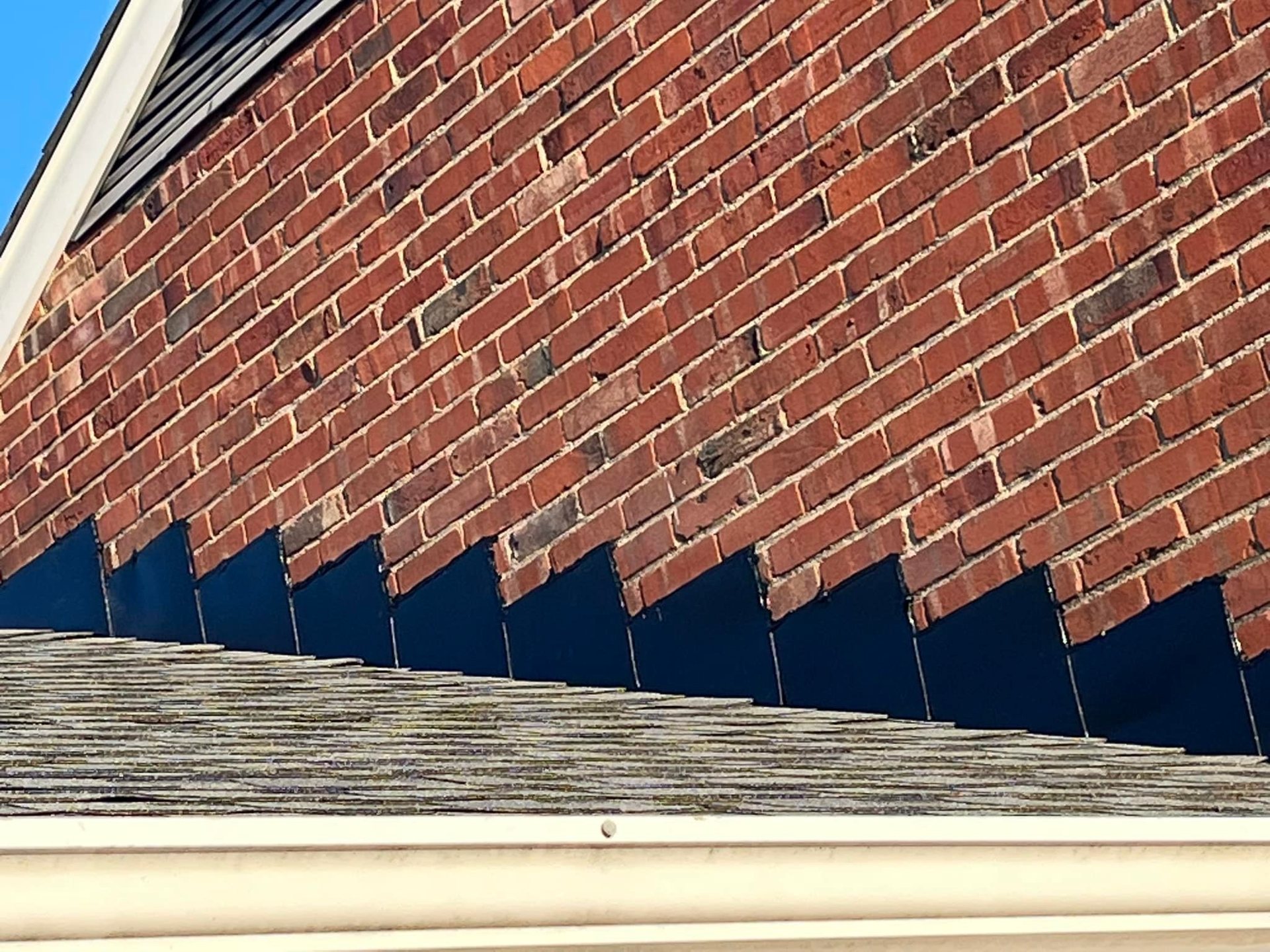
Gutter guards are screens, meshes, or covers that sit on top of gutters to block debris. Be careful with sales claims here. No guard makes gutters maintenance free. Fine debris, seed pods, and pine needles still get through or sit on top, and guards still need to be checked and brushed off. Some guards can also slow water on heavy rain, which sends it over the front edge.
Micro mesh guards usually filter fine debris better than basic screens. Whatever type you consider, ask whether it fits your gutter profile, how it attaches to the roof edge, and what the guard warranty actually covers. To be clear, Malick Brothers does not sell or install gutter guards. If you add guards later from another company, a well pitched seamless system underneath is still what does the real work, and that part we can install.
What About Box Gutters?
Many older Pittsburgh homes have built in box gutters, which sit inside the roof edge rather than hanging from it. When they leak, water goes straight into the cornice and walls. Our repair division relines box gutters, including silicone coatings, so you may not need to tear them out. If you have box gutters, mention it when you call so we bring the right person.
Professional Installation vs. DIY
If you are handy and working on a single story home, sectional gutters can be a manageable weekend project. For anything more complex, we strongly recommend hiring a professional. Seamless gutters require a forming machine that only contractors carry. Getting the slope wrong or leaving gaps can lead to water damage that costs far more than the installation.
What drives the cost of professional installation is the total length of gutter, the number of downspouts and corners, the height and pitch of the roof, whether old gutters must be removed, and whether any rotted fascia needs replacing first. Every job is different, so we give a free written estimate after we measure. A qualified installer should also confirm proper pitch, secure hangers, and a written workmanship warranty.
Frequently Asked Questions
Do you install gutter guards?
No. We install 5 inch and 6 inch seamless aluminum gutters and downspouts, and we reline box gutters. We do not sell or install gutter guards.
Should I choose 5 inch or 6 inch gutters?
Five inch gutters suit most homes. Six inch gutters are a better fit for steep roofs, large roof areas, or spots where water already overflows. We recommend a size after we see the roof.
What colors are available?
We commonly install white, black, and almond seamless gutters, which match most trim.
Can you replace gutters when you replace my roof?
Yes. Many of our roof replacements include new gutters, soffit, and fascia at the same time, which avoids disturbing the new roof edge later.
Final Thoughts on Your Gutter Purchase
Buying gutters is not glamorous, but it is one of the most practical investments you can make for your home. The right system protects your foundation, your landscaping, and your peace of mind during every rainstorm. Do not rush the decision. Compare written quotes, ask about warranties, and make sure the installer measures your home rather than guessing. Gutters installed well today will work for you for decades.
Ready to replace your gutters? We are a family owned company based at 500 Perry Highway in West View, BBB A+ accredited and licensed under PA HIC PA174918. Contact Malick Brothers Exteriors for a free written estimate on seamless gutters for your Pittsburgh area home.