Table of Contents
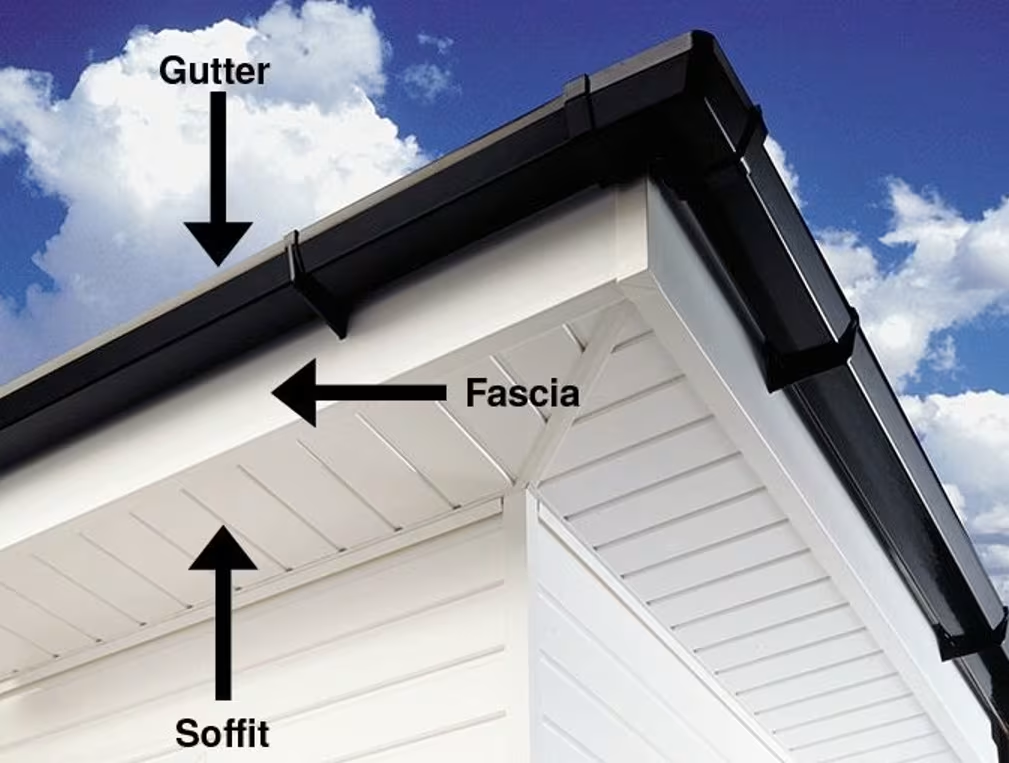
If you’ve ever looked up at the edge of your roof and wondered what all that trim is actually for, you’re looking at your soffit and fascia. Fascia is the vertical board along your roofline that holds your gutters and shields the rafter ends. Soffit is the panel under the overhang that ventilates your attic and keeps pests out. Replace them when you see rot, sagging, peeling paint, or animal activity.
These parts are easy to overlook because they don’t get the attention a roof or siding does, but they play a big role in keeping water, moisture, and critters out of your home. For Pittsburgh homeowners dealing with heavy rain, snow, and constant freeze-thaw cycles, healthy roofline trim matters more than most people realize. If you’re already noticing problems, our soffit and fascia services page explains how a professional repair or replacement works. Below, we’ll walk through what each part does, what damage looks like, and how to decide on your next step.
What Is Fascia?
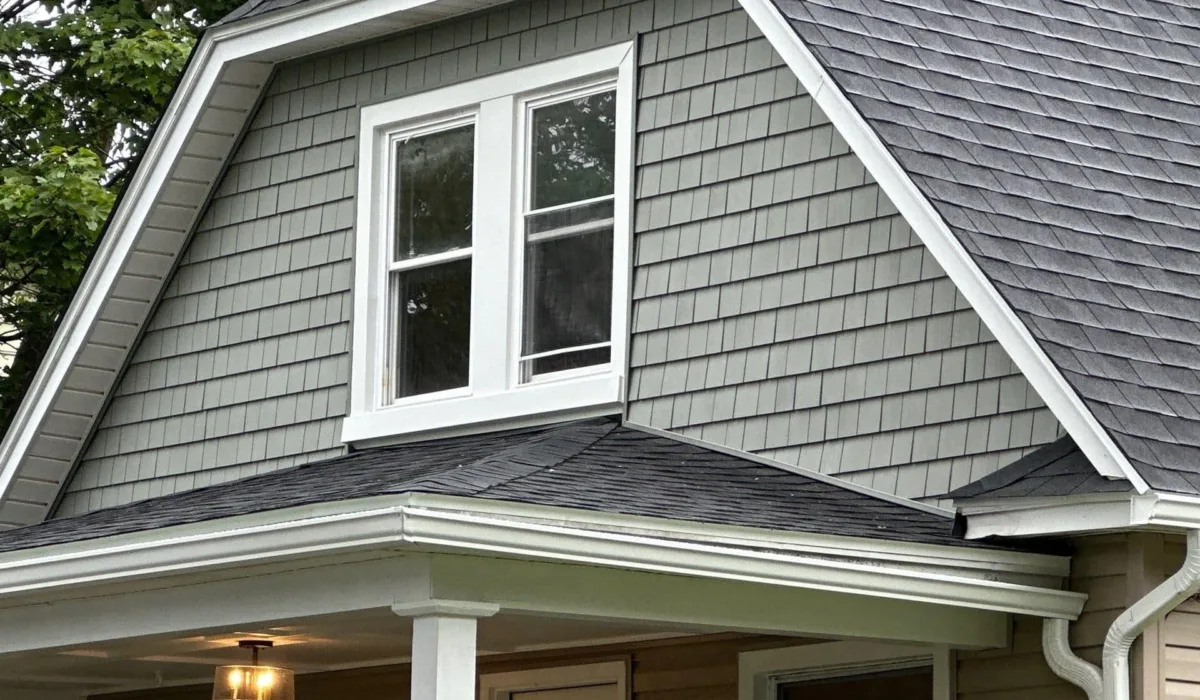
Fascia is the long, flat board that runs along the lower edge of your roof, right where the roof meets the outside walls. It’s attached to the ends of the roof rafters or trusses, and on most homes, it’s what your gutters are mounted to. When you look at your house from the street, the fascia is usually the band of trim directly behind the gutter. Its main job is protection: it seals off the rafter ends from rain, snow, and wind, and it gives the gutter system a solid surface to hang from. It also gives your roofline a clean, finished look. When fascia fails, water can reach the roof deck and rafters, and gutters can start to pull away from the house.
What Is Soffit?
Soffit is the material on the underside of your roof’s overhang, the part you see when you stand close to the house and look straight up. It closes in the space between the edge of the roof and the exterior wall, so birds, squirrels, bats, and insects can’t move into your eaves or attic. In many homes, soffit also does a second, equally important job: ventilation.
Vented vs. Solid Soffit
Vented soffit has small perforations or vent strips that let outside air flow into the attic. That air moves up and exits through ridge vents or other exhaust vents near the top of the roof. This steady airflow helps control heat and moisture in the attic, which protects your roof deck, insulation, and shingles. Solid soffit has no openings and is often used in areas where ventilation isn’t needed, such as porch ceilings. Getting the right balance matters, because a poorly ventilated attic can lead to condensation, mold, and ice dams.
How Soffit and Fascia Work Together
Think of soffit and fascia as a team that seals and protects the edge of your roof. The fascia guards the front of the overhang, while the soffit covers the underside and keeps air moving through the attic. When one is damaged, the other often follows, which is why contractors usually inspect and replace them together.
Why Is Pittsburgh Weather So Hard on Soffit and Fascia?
Western Pennsylvania puts roofline trim through a lot every year. Our winters bring repeated freeze-thaw cycles, where snow melts during the day and refreezes at night. When gutters clog or ice dams form at the roof edge, water backs up behind the gutter and soaks into the fascia board. Over time, that moisture leads to rot, swelling, and paint failure. Pittsburgh’s wet springs and humid summers don’t give wood much of a chance to dry out, either.
Housing stock plays a role too. Many homes in the Pittsburgh area are decades old, and a lot of them still have original wood fascia and soffit that has been painted over many times. Older trim can hide soft spots under fresh paint, and some older homes were built with little or no attic ventilation. Hillside lots and mature trees, both common around the region, add more leaves and debris to gutters, which increases the chances of overflow. If you want a closer look at what damage looks like and how it’s handled, our guide on how to spot and repair soffit and fascia damage in Pittsburgh homes goes into more detail.
Signs It’s Time to Replace Soffit and Fascia
Most soffit and fascia problems start small, so catching them early can save you from bigger repairs to your roof deck, rafters, or interior walls. Here’s what to watch for.
Peeling Paint and Water Stains
Peeling, bubbling, or blistered paint on fascia boards is often the first sign that moisture is getting into the wood. Dark streaks or water stains on soffit panels can point to gutter overflow or a roof leak at the edge.
Soft, Rotted, or Crumbling Wood
If you can press into the fascia with a screwdriver and it feels spongy, the wood is likely rotting. Crumbling edges, cracks, or chunks missing from the board mean the damage has gone beyond the surface.
Sagging Gutters
Gutters that pull away from the house, sag in sections, or overflow even after cleaning can signal that the fascia behind them has weakened and can no longer hold fasteners securely.
Pests and Nests
Gaps, holes, or loose soffit panels are an open invitation for wildlife. Chewed edges, nesting material, droppings, or scratching sounds in the attic all suggest that animals have found a way in.
Attic Moisture or Mold
If you notice frost on the underside of the roof deck in winter, musty smells, or mold in the attic, ventilation may be blocked or inadequate. Damaged or painted-over soffit vents are a common cause.
Should You Repair or Replace Soffit and Fascia?
Not every problem calls for a full replacement. If damage is limited to a short section of fascia or a few soffit panels, and the surrounding material is sound, a targeted repair may be enough. A contractor can cut out the bad section, check the rafter tails behind it, and install new material that matches the rest of the roofline.
Replacement usually makes more sense when rot shows up in several areas, when the trim is original to an older home, or when you’re already planning a roof or gutter project. Replacing everything at once lets the crew fix the underlying causes, such as poor drainage or missing ventilation, instead of patching symptoms. It’s also the right time to upgrade from wood to a low-maintenance material. A good contractor should explain what they find, show you the damage, and tell you honestly whether a repair will hold up.
Common Soffit and Fascia Materials
The material you choose affects durability, maintenance, and how well your trim stands up to Western Pennsylvania weather.
Wood
Wood is traditional and found on many older Pittsburgh homes. It looks great but needs regular painting and is the most vulnerable to rot and pests.
Aluminum
Aluminum is lightweight, rust-resistant, and often used to wrap fascia boards for added protection. It handles moisture well, though it can dent.
Vinyl
Vinyl soffit is popular because it resists moisture, comes in vented and solid styles, and needs very little upkeep beyond occasional cleaning.
Fiber Cement and Composite
These materials offer the look of wood with much better resistance to rot and insects. They’re a strong option for homeowners who want durability with a traditional appearance.
What Affects the Cost of Soffit and Fascia Work?
Every project is different, so the best way to understand your cost is through an in-person inspection. Several factors play a role: the linear footage of your roofline, the material you choose, and the height and accessibility of your home. Multi-story houses and steep hillside lots can require extra equipment and safety setup. Hidden damage also matters. If rot has spread to rafter tails or the roof deck, those repairs will need to be addressed before new trim goes on. Bundling soffit and fascia work with gutter or roofing projects can be more efficient, since the crew is already working along the roofline.
Frequently Asked Questions About Soffit and Fascia
How long do soffit and fascia last?
It depends on the material and maintenance. Painted wood needs regular upkeep and may fail sooner in wet conditions, while vinyl, aluminum, and fiber cement can last much longer with minimal care.
Can I replace soffit and fascia myself?
Small repairs may be manageable for experienced DIYers, but working at roof height is dangerous, and hidden rot often requires carpentry work behind the trim. A professional can also make sure ventilation is set up correctly.
Should soffit and fascia be replaced with gutters?
It’s often a smart move. Gutters attach to the fascia, so replacing them together ensures a solid mounting surface and a clean, consistent finish.
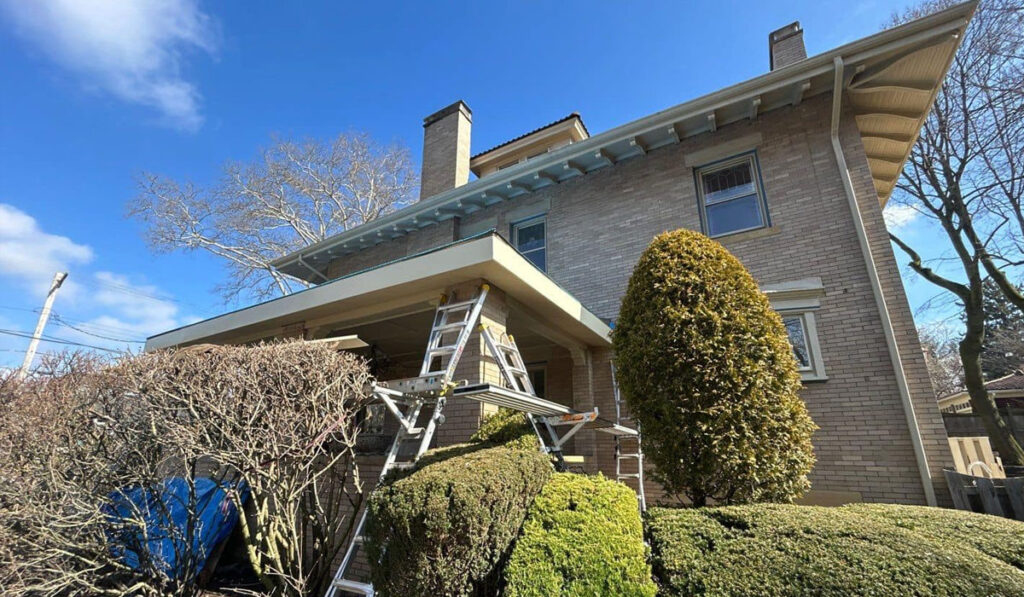
Is the best time of year for soffit and fascia work?
Late summer and fall are ideal in Pittsburgh, since dry weather makes installation easier and repairs are finished before winter ice and snow arrive.
Protect Your Roofline Before Winter Hits
Soffit and fascia may not be the first thing you think about when it comes to your home’s exterior, but they protect your roof, attic, and gutters every single day. With Pittsburgh’s winter weather right around the corner, now is a great time to take a close look at your roofline and address any soft wood, sagging gutters, or pest entry points before freeze-thaw season makes them worse. Malick Brothers Exteriors helps homeowners across the Pittsburgh area inspect, repair, and replace roofline trim with durable materials built for Western Pennsylvania conditions. Learn more about our soffit and fascia replacement and repair and contact our team today to schedule an inspection.