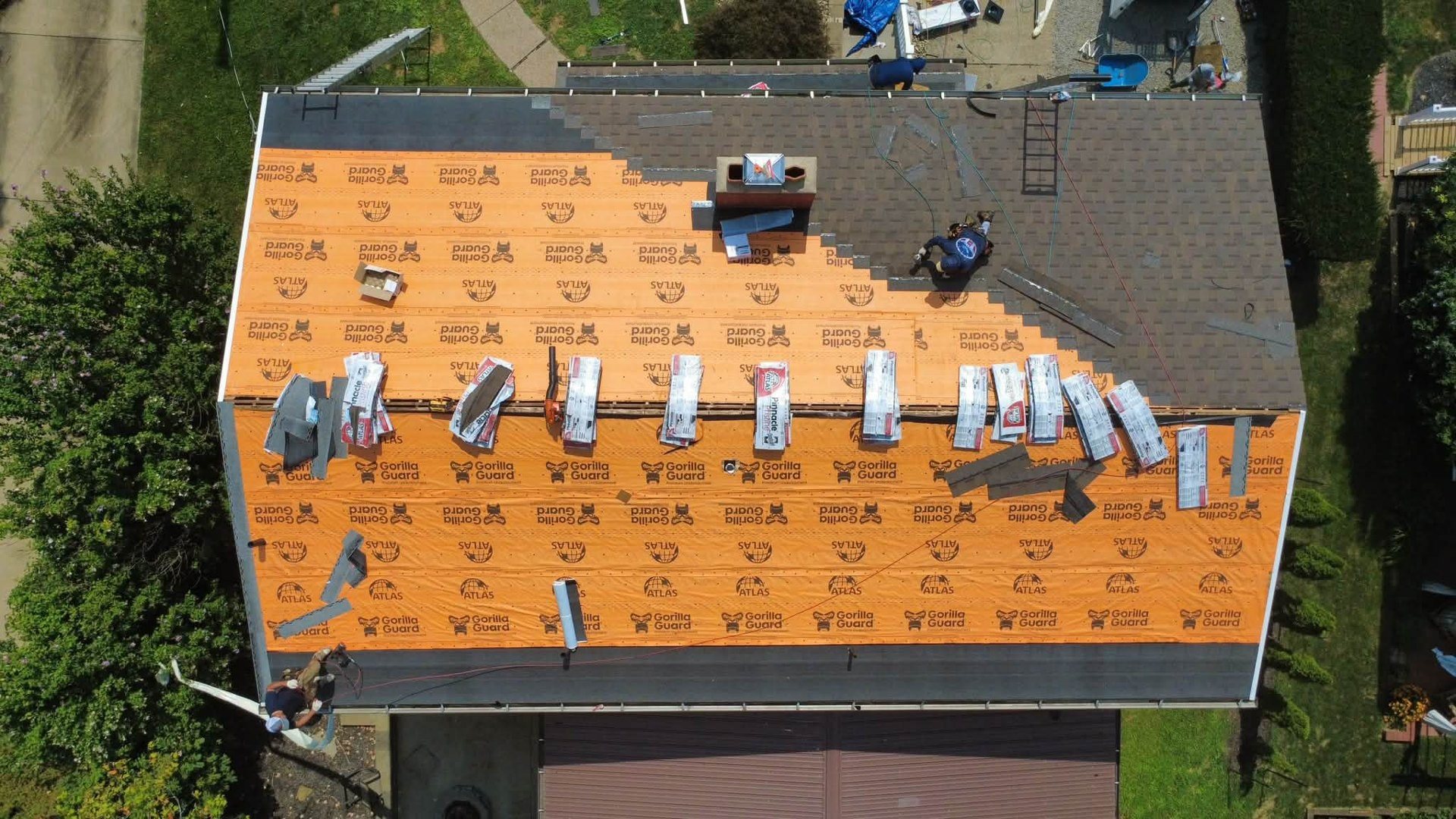
When it comes to roofing, most homeowners are familiar with shingles, flashing, and gutters, but one critical component that often goes unnoticed is the roof substrate. Roof substrate is the foundation upon which your entire roofing system is built. It plays a pivotal role in ensuring the durability, integrity, and longevity of your roof. In this post from Malick Brothers Exteriors, we will explain what roof substrate is, why it matters so much on Pittsburgh homes, and what we look for when we open up a roof.
We check the decking on every roof replacement in Pittsburgh and show you photos before it is covered. The substrate is the one part of the roof you will never see once the job is done, which is exactly why it deserves attention before the new shingles go on.
What Is Roof Substrate?
In simple terms, roof substrate is the layer of material that lies beneath the visible roofing materials, such as shingles, tiles, or metal panels. Roofers usually call it decking or sheathing. It is fastened to the rafters or trusses and serves as the structural base of the roof. Everything above it, including the underlayment, ice and water barrier, flashing, and shingles, depends on it. A good substrate provides several essential functions.
1. Support and Structural Integrity
The roof substrate provides the structural support that holds the roofing materials in place. It plays a crucial role in maintaining the shape and integrity of the roof, ensuring it can withstand the weight of the roofing materials, snow, wind, and other external forces. In Western Pennsylvania a roof may carry a heavy wet snow load in February and then bake in July, so the decking has to stay flat and stiff through both.
2. Weather Resistance
Roof substrate acts as a barrier against moisture, preventing water from infiltrating your home. Together with the underlayment it maintains a watertight seal and protects the interior of your home from leaks and water damage. When decking rots or delaminates, it can no longer hold a nail or support the underlayment, and that is when small leaks turn into ceiling stains.
3. Insulation and Energy Efficiency
In some roofing systems, the substrate can provide an extra layer of insulation, contributing to the energy efficiency of your home. More often the decking works alongside attic insulation and ventilation. A sound deck with proper intake and exhaust ventilation keeps the attic closer to outdoor temperature, which helps the shingles last and reduces the conditions that lead to ice buildup along the eaves.
4. Attachment for Roofing Materials
The roof substrate serves as the anchor point for roofing materials. Proper installation and secure attachment to the substrate are essential for the long term performance of your roof. Shingle manufacturers specify nail length and placement based on the deck, and a nail driven into soft or thin decking will not hold in a wind event. This is one of the reasons manufacturer warranties require a sound deck.
Common Types of Roof Substrate
Roof substrate materials vary depending on the type of roof, the age of the house, and local building codes. Common roof substrate materials include:
- Plywood: Plywood is one of the most frequently used roof substrates due to its durability, cost effectiveness, and ease of installation. Exterior grade plywood in 1/2 inch or 5/8 inch thickness is typical for residential roofs.
- Oriented Strand Board (OSB): Similar to plywood, OSB is composed of wood strands bonded under pressure, and it is engineered for strength. It is the most common decking on homes built from the 1980s onward. OSB handles normal conditions well but swells at the edges if it stays wet, so it depends on a dry roof above it.
- Decking Boards: In older homes, individual wooden boards or tongue and groove planks serve as the roof substrate. Pittsburgh has a huge stock of houses built before 1940, and plank decking is what we find on most of them.
- Metal Decking: Used primarily in commercial and industrial roofing systems, metal decking provides structural support for large low slope roofs and is usually covered with insulation board before the membrane goes on.
Why Pittsburgh Roofs Are Hard on Decking
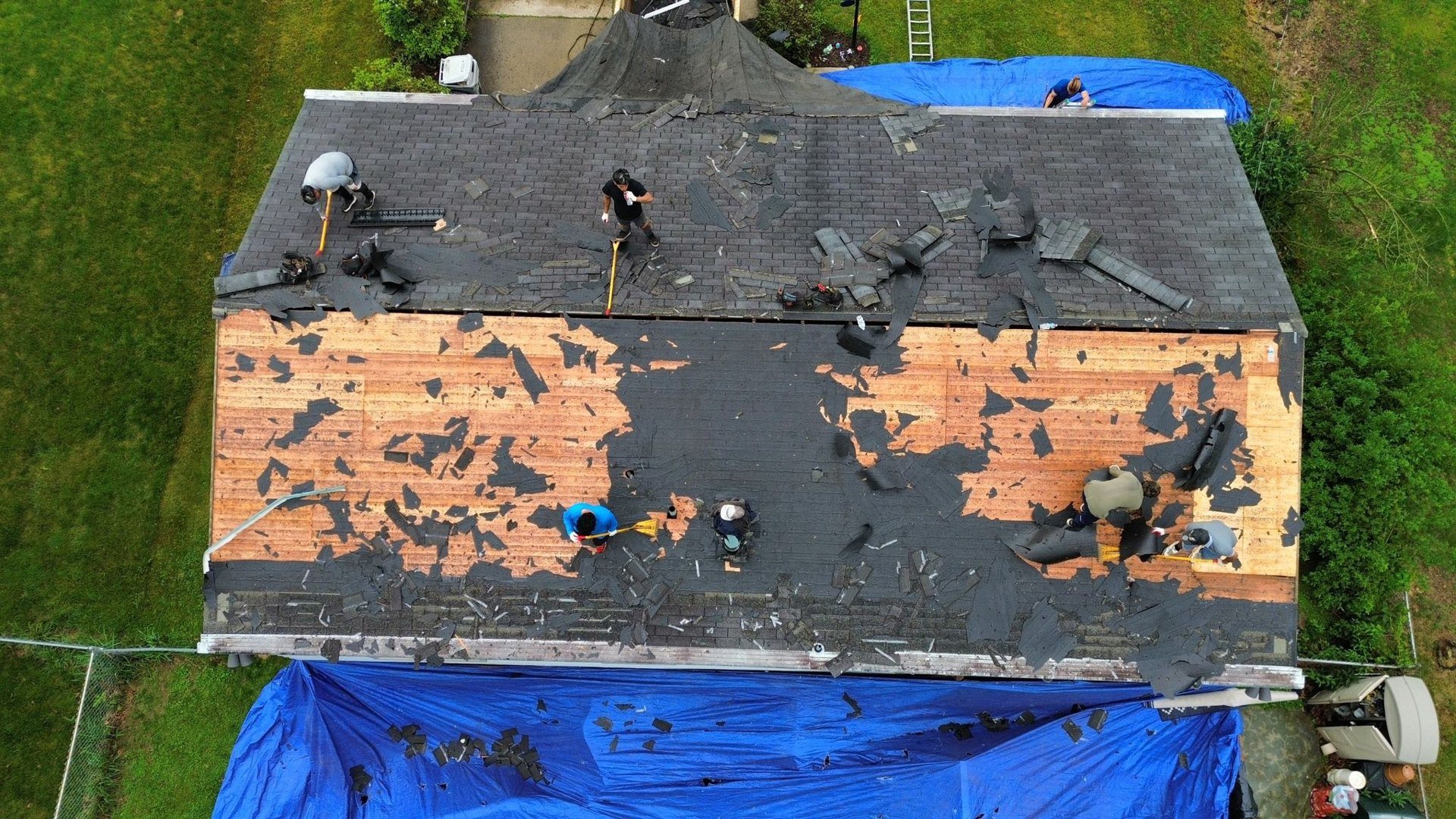
Our housing stock and our weather both work against roof substrate. Many homes in neighborhoods like Brookline, Dormont, Bellevue, and the North Hills were built between 1900 and 1950 with plank decking. Those planks are often still solid, but they have gaps between them, they may have shrunk over the decades, and many have had two or three roofs nailed through them. Each tear off leaves more holes and more split edges.
Then there is the weather. Pittsburgh gets freezing and thawing cycles all winter, long stretches of rain in spring, and humid summers. Water that gets under a lifted shingle or around failed flashing soaks into the decking, and because the attic stays damp, it does not dry out. Chimneys, valleys, and the eaves are the usual trouble spots. Poor attic ventilation makes it worse by letting warm moist air from the house condense on the underside of the deck in winter.
Signs Your Roof Substrate May Be Failing
You cannot see the decking from the street, but it does leave clues:
- A sagging or wavy roofline between the rafters
- Soft or spongy spots when someone walks the roof
- Dark staining, mold, or daylight showing through the deck when you look up from the attic
- Nails backing out of the shingles in the same area again and again
- Ceiling stains that return after a repair
If you notice any of these, a roof inspection will tell you whether the problem is in the shingles, the flashing, or the deck underneath.
What We Do About the Substrate on a Roof Replacement
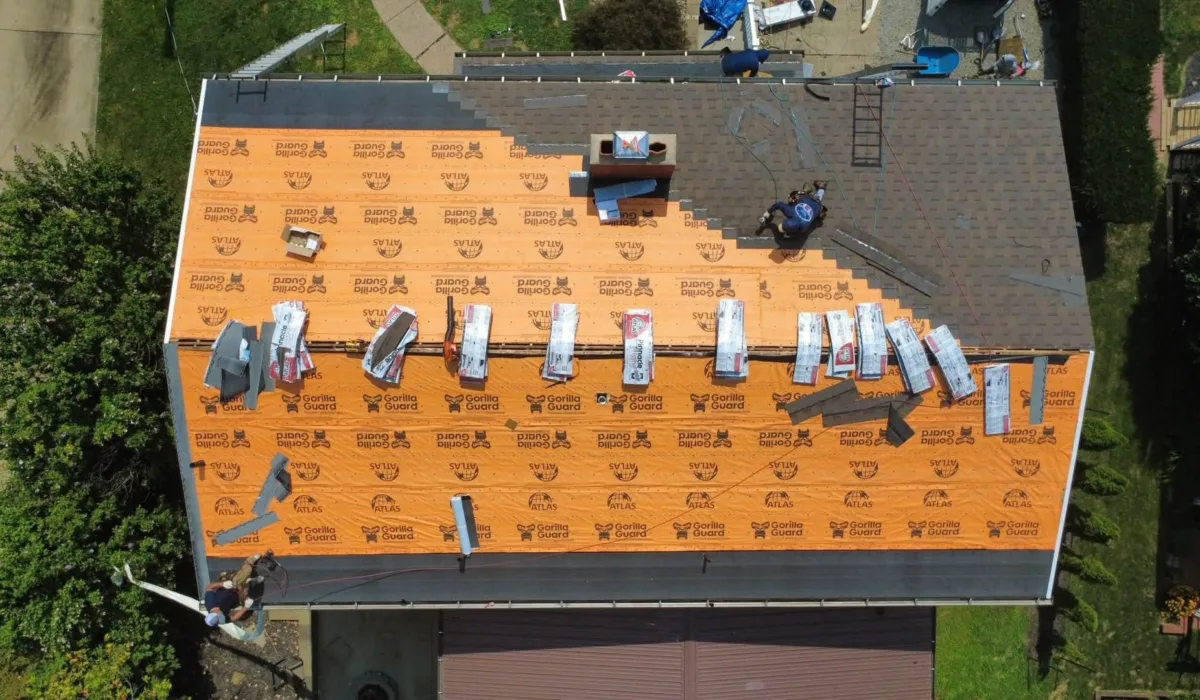
Every roof replacement we do starts with a full tear off down to the deck. We do not install shingles over an old layer, because you cannot inspect decking you cannot see. Once the roof is stripped, our crew walks every section and checks for rot, delamination, soft spots, and boards that will not hold a nail. We photograph what we find and show it to you before anything gets covered.
Bad sections get cut out and replaced with new plywood or OSB of matching thickness. On plank decks with wide gaps or many split boards, we sometimes recommend sheeting over the whole roof with new plywood so the shingles have a continuous, flat surface to fasten into. Then we install ice and water barrier at the eaves, valleys, and penetrations, synthetic underlayment over the rest, and new flashing before the shingles go on.
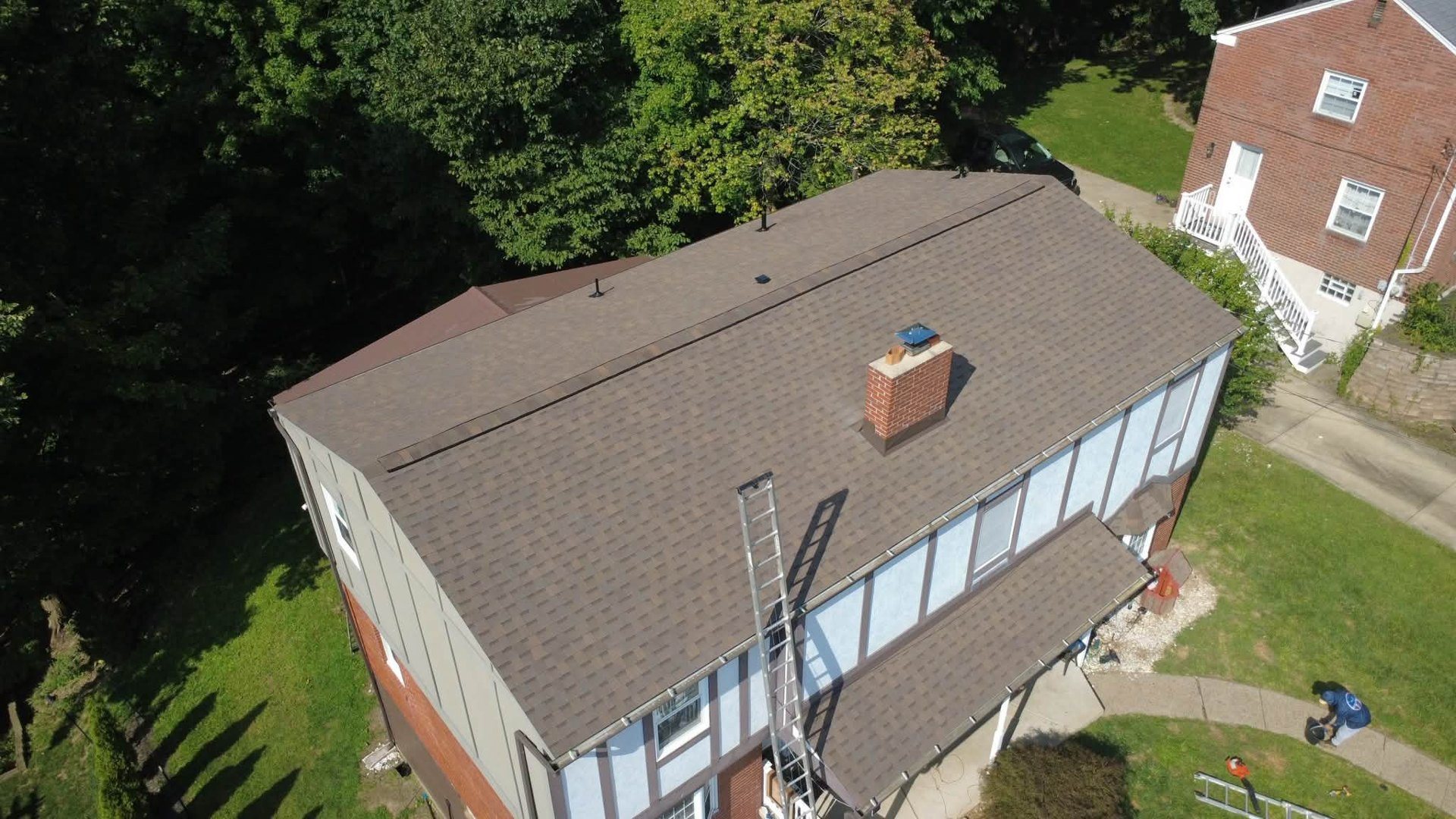
Decking replacement is one of the things that drives the cost of a roof, along with the size and pitch of the roof, the number of layers being removed, the shingle you choose, and the flashing and ventilation details. We cannot know how much decking a roof needs until it is open, so our written estimate explains how any decking replacement is priced ahead of time. There are no surprises on the final bill.
Because we are an AtlasPro+ Platinum Select contractor, a complete Atlas roofing system installed over a sound deck qualifies for the Atlas 50 year warranty. That warranty depends on the whole system, and the substrate is where it starts.
Frequently Asked Questions About Roof Substrate
Can a roofer tell if my decking is bad without tearing off the shingles?
Partly. Soft spots, sagging, and attic staining are strong indicators, and an attic inspection shows the underside of the deck. But the full picture only comes once the old shingles are off, which is why we inspect and photograph every roof after the tear off.
Does all of the decking have to be replaced on an old house?
Usually not. On most older Pittsburgh homes only a few sections are rotted, typically near the eaves, valleys, and chimneys. We replace what is damaged and leave sound wood in place. Full resheeting is recommended only when the plank deck is too gapped or split to hold shingles properly.
Is OSB or plywood better for roof decking?
Both are approved by shingle manufacturers and building codes when installed at the right thickness. Plywood resists moisture a little better, while OSB is more consistent and costs less. We match the existing deck thickness and use the product that suits the roof.
Can I install new shingles over the old ones to save money?
We do not recommend it. Layering over old shingles hides the decking, adds weight, traps heat, and can void the shingle warranty. A full tear off is the only way to confirm the substrate is sound.
How long will new decking last?
Properly installed decking that stays dry can last as long as the house. The key is keeping water out with good flashing, underlayment, and shingles, and keeping the attic ventilated so moisture does not build up underneath.
Talk to Us About Your Roof
Roof substrate is a foundational element of your roofing system, and it protects your home only when it is sound. If your roof is showing its age or you have noticed sagging, soft spots, or recurring leaks, we would be glad to take a look. Malick Brothers Exteriors is family owned, BBB A+ accredited, and based at 500 Perry Highway in the North Hills. Contact us for a free written estimate on a roof inspection or replacement anywhere in the Pittsburgh area.