
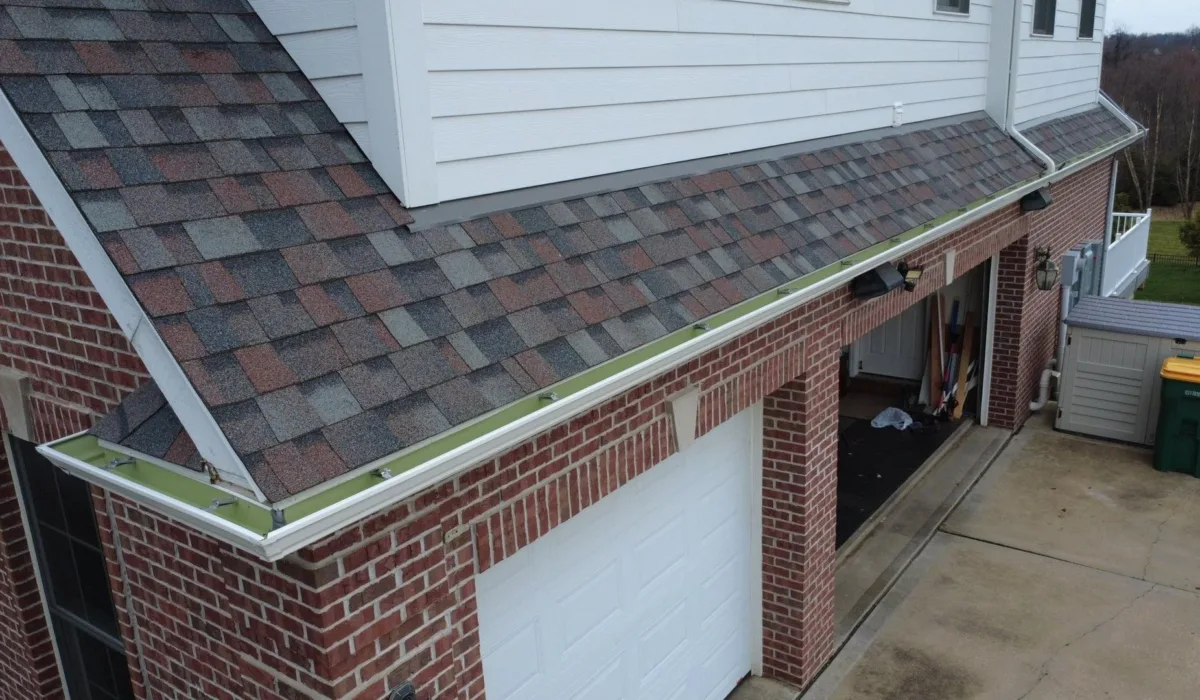
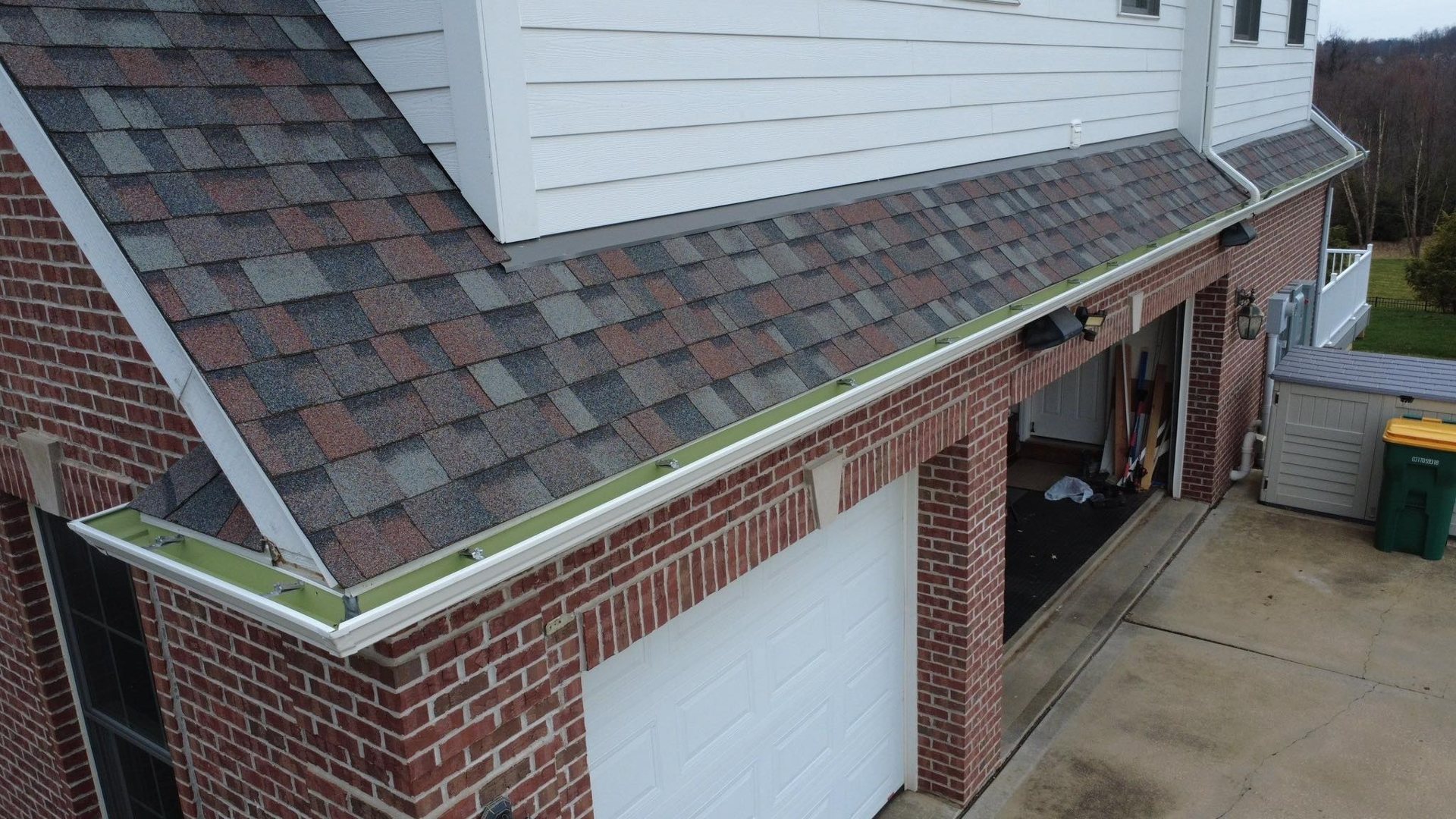
Gutters are an important part of any roofing system. They collect the rain and snowmelt that run off your roof and carry it away from your siding, windows and foundation. Not all gutters are the same, though, and the right choice depends on your roof, your home's style and how much water your roof sheds. In this guide, Malick Brothers Exteriors walks through the different types of gutters so you can make an informed decision for your Pittsburgh home.
We install 5 and 6 inch seamless aluminum gutters and reline box gutters on older homes. If you already know you need new gutters, see our gutter installation in Pittsburgh page.
Why Gutter Choice Matters in Pittsburgh
Pittsburgh gets rain in every season, heavy summer storms, and winters that swing above and below freezing again and again. Many homes here sit on hillsides, so water that spills over a gutter can run straight toward a basement wall or wash out a walkway. Older brick and frame houses in neighborhoods across the city and the North Hills often have steep roofs that move a lot of water fast. A gutter that is too small, poorly pitched or full of leaky seams will overflow, and overflow is what leads to rotted fascia, stained siding and wet basements.
Choosing a gutter comes down to three things: the profile (the shape), the material, and how it is built and attached. Below we cover the common options.
Common Gutter Profiles for Pittsburgh Homes
1. K Style Gutters
K style gutters are the most popular choice on homes today. The front has a decorative shape that resembles crown molding, and the flat back sits tight against the fascia board. Because of that shape, a K style gutter holds more water than a half round gutter of the same width. They come in several sizes and materials, so they suit many architectural styles and rainwater volumes. This is the profile we install on most Pittsburgh homes.
2. Half Round Gutters
Half round gutters have a semicircular shape that gives a classic, traditional look. They are often chosen for historic or older homes because they match period architecture. They are available in aluminum, copper and galvanized steel, and they usually hang from exposed brackets rather than hidden hangers.
3. Box Gutters
Box gutters are built into the roofline or the cornice, so they are hidden from the street and give a clean appearance. You will find them on many older Pittsburgh homes and on commercial buildings. When they are lined and maintained properly they handle a lot of water. The problem is that the original linings wear out after decades, and a leaking box gutter sends water straight into the wood framing of the roof edge. Rather than tearing out the whole cornice, we reline box gutters so they shed water again while keeping the look of the house.
4. Fascia Gutters
Fascia gutters are formed so the gutter itself acts as the fascia board, giving a streamlined look with no visible gutter hanging below the roof edge. They are less common on homes in our area and are more often seen on newer construction in other regions.
Gutter Materials
5. Aluminum Gutters
Aluminum is the most common gutter material for good reason. It does not rust, it is light enough to hang without stressing the fascia, and it comes in a wide range of factory painted colors to match your trim and siding. Aluminum is also the material used for seamless gutters formed on site.
6. Copper Gutters
Copper gutters are known for durability and a striking appearance. Over time they develop a patina that many homeowners love, especially on historic homes. Copper is one of the more costly materials, so it is usually chosen for its look and longevity on a specific style of house.
7. Steel Gutters
Steel gutters are strong and resist denting from ladders and falling branches. They can be painted to match your home. The tradeoff is weight and the risk of rust once the coating is scratched or worn, which matters in a climate with as much moisture as ours.
8. Vinyl Gutters
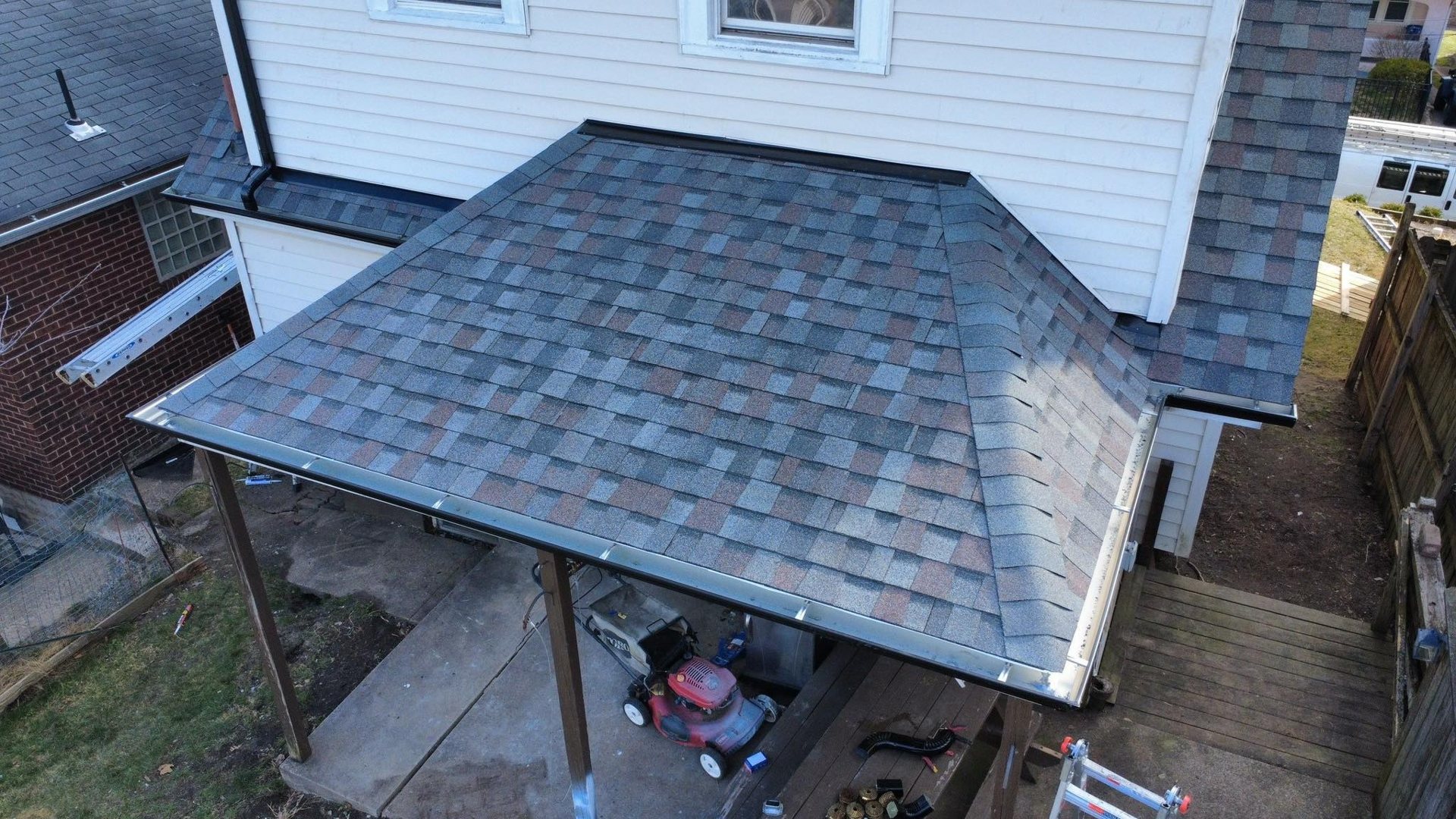
Vinyl gutters are lightweight and do not rust or corrode. They are often sold for do it yourself installs. In Pittsburgh winters, vinyl can become brittle in the cold and may sag or crack under ice and snow loads, so it is usually not the best long term choice here.
Seamless Gutters vs Sectional Gutters
Sectional gutters come in pieces that are joined together on the house. Every joint is a spot that can loosen, leak and drip behind the gutter over time. Seamless gutters are formed on site from a coil of aluminum and cut to the exact length of each run of your roof. The only seams are at the corners and the downspout outlets.
That is why we install seamless gutters. Fewer seams mean fewer leaks, a cleaner look from the street, and a gutter that is sized to your home rather than pieced together from stock lengths.
5 Inch or 6 Inch Gutters?
Size matters as much as style. A 5 inch K style gutter is standard on many homes and handles typical roof areas well. A 6 inch gutter carries noticeably more water and is the better choice for:
- Large roof areas that drain into a single run
- Steep roofs where water moves fast and can shoot past a smaller gutter
- Valleys that concentrate water into one corner of the gutter
- Homes that have a history of overflow during heavy storms
We look at the roof area, pitch, valleys and downspout locations on your home before recommending a size. Larger downspouts and well placed outlets matter just as much as the gutter itself, because a gutter can only drain as fast as its downspouts allow.
What We Do on a Gutter Job
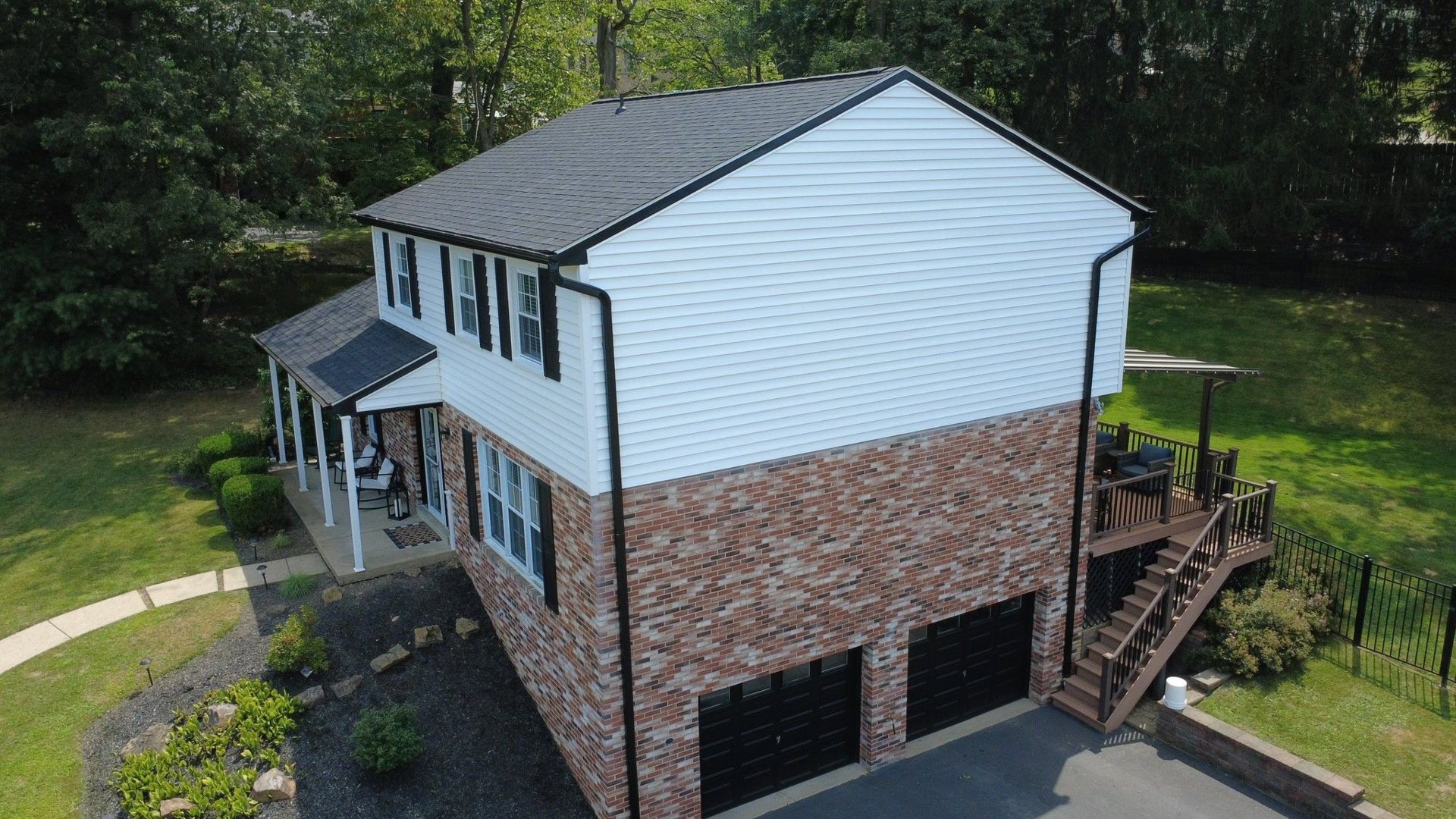
When we replace gutters, we start by checking the fascia and soffit behind the old system. Rotted wood needs to be repaired before new gutters go up, or the new hangers will not hold. We then form seamless gutters on site, set the proper pitch toward each downspout, use hidden hangers spaced to support snow and ice loads, and direct the downspouts so water moves away from the foundation. If your home has box gutters, we inspect the lining and reline them where needed.
A note on gutter guards: we do not install gutter guards. Our focus is a properly sized, properly pitched seamless gutter system that drains well on its own. If you want guards, ask the guard maker which gutter sizes their product fits before you buy.
What Drives the Cost of New Gutters
Every home is different, so we do not quote gutters from a price list. The main factors are the total length of gutter, the number of corners and downspouts, the gutter size and material, the height and access of the roof edge, and whether any fascia or soffit wood needs repair first. Box gutter relining depends on the length and condition of the existing gutter. We give every homeowner a free written estimate that lists exactly what we will do.
Frequently Asked Questions
What is the best type of gutter for a Pittsburgh home?
For most homes, a seamless aluminum K style gutter is the best balance of capacity, durability and appearance. Historic homes may suit half round or copper, and homes with built in box gutters are often best served by relining them.
Are seamless gutters worth it?
Yes, in our experience. Joints are where most gutter leaks start, and seamless gutters remove nearly all of them. They are also cut to fit your home exactly.
Should I choose 5 inch or 6 inch gutters?
It depends on your roof area, pitch and valleys. Many homes do fine with 5 inch gutters, while large or steep roofs often need 6 inch gutters to avoid overflow. We measure and recommend the right size during the estimate.
Can old box gutters be saved?
Often, yes. If the wood structure is sound, relining the box gutter stops the leaks and keeps the original look of the house.
Do you install gutter guards?
No. We install 5 and 6 inch seamless gutters and reline box gutters, but we do not install gutter guards.
Get a Free Gutter Estimate
Malick Brothers Exteriors is a family owned, BBB A+ accredited contractor based in West View, serving Pittsburgh and the surrounding area. If your gutters overflow, leak or pull away from the house, contact us for a free written estimate and we will recommend the right gutter system for your home.