Business owners and property managers around Pittsburgh ask us this more often than they used to: are roofing materials made in America, and does it matter for the roof on my building? The short answer is that most of the core products on a Pittsburgh roof are made in the United States, and yes, it matters, because where a product comes from affects lead time, color matching, warranty support and how exposed your project is to price swings. This guide explains which products are domestic, where contractors actually buy them, who the big manufacturers are and how we handle sourcing on the roofing materials we install across the North Hills and the city.
Are Roofing Materials Made in the USA?
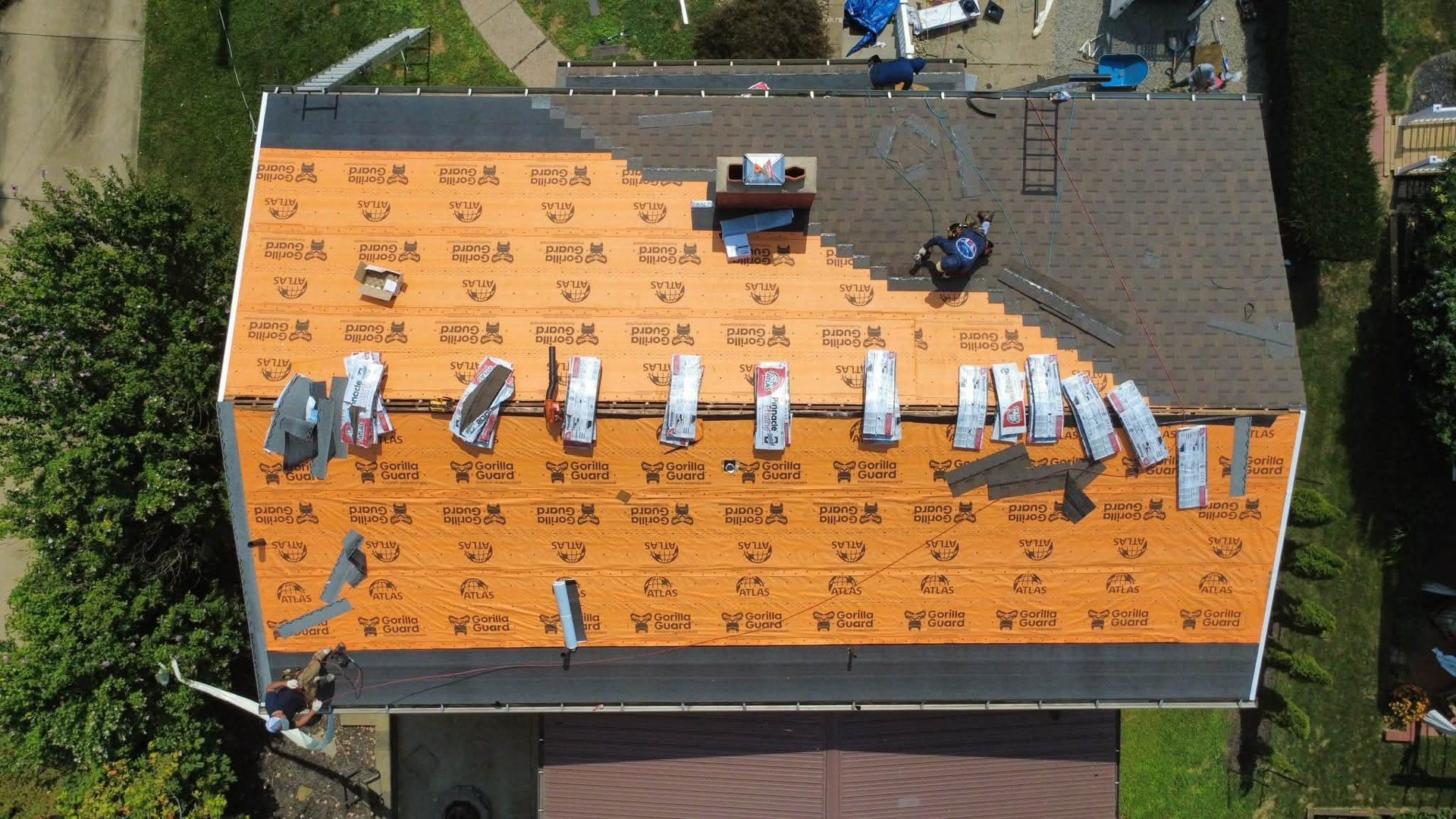
Many core roofing products are manufactured domestically, including asphalt shingles, metal roofing panels, EPDM rubber membrane, insulation, underlayment and most accessories. Major brands operate plants across the country to shorten lead times and keep quality consistent. That is a win for schedule certainty and warranty support. It also cushions your project against global shocks that can ripple through imported supply chains.
Not everything is domestic. Fasteners, hand tools, some power tool components, certain coatings and some specialty metals are commonly imported or made with imported inputs. A roof is a system of many parts, so the honest answer for any single job is usually "mostly American made, with a few imported components."
Why Material Sourcing Matters More in 2026
The trade environment of the last two years raised the stakes for material sourcing. Tariffs on a wide range of imports changed price dynamics quickly, and the rates and exclusions have been revised more than once since. Small local businesses feel those changes first because they have the least room to absorb a surprise. When you can source close to home, you are less exposed to cost spikes and delivery surprises. Domestic options help stabilize bids and keep the calendar intact.
What does this mean right now?
Domestic manufacturing does not just reduce freight time; it reduces risk. Shorter supply chains mean fewer weak links. For a building owner that translates into a quote that holds, a start date that holds and a crew that installs what was sold instead of a substitute.
Where Do Roofing Companies Get Their Materials?
Roofing contractors typically purchase through distributors who stock multiple brands. Those distributors pull from a mix of U.S. plants and overseas factories depending on the product. We buy through established roofing distributors in the Pittsburgh area, and because we are an AtlasPro+ Platinum Select contractor and MuleHide certified, most of what goes on our roofs comes from two manufacturers whose product lines we know well.
The key for any contractor is to ask the supplier for country of origin documentation before quoting. Doing so protects margins and sets honest expectations with clients. If you are the client, you can ask your roofer the same question and expect a straight answer.
A practical tip
When a bid is published, it should note whether the proposal assumes domestic or imported components. It is a small line that prevents big headaches if prices move between the quote and the start date.
Who Is the Largest Manufacturer of Roofing Materials?
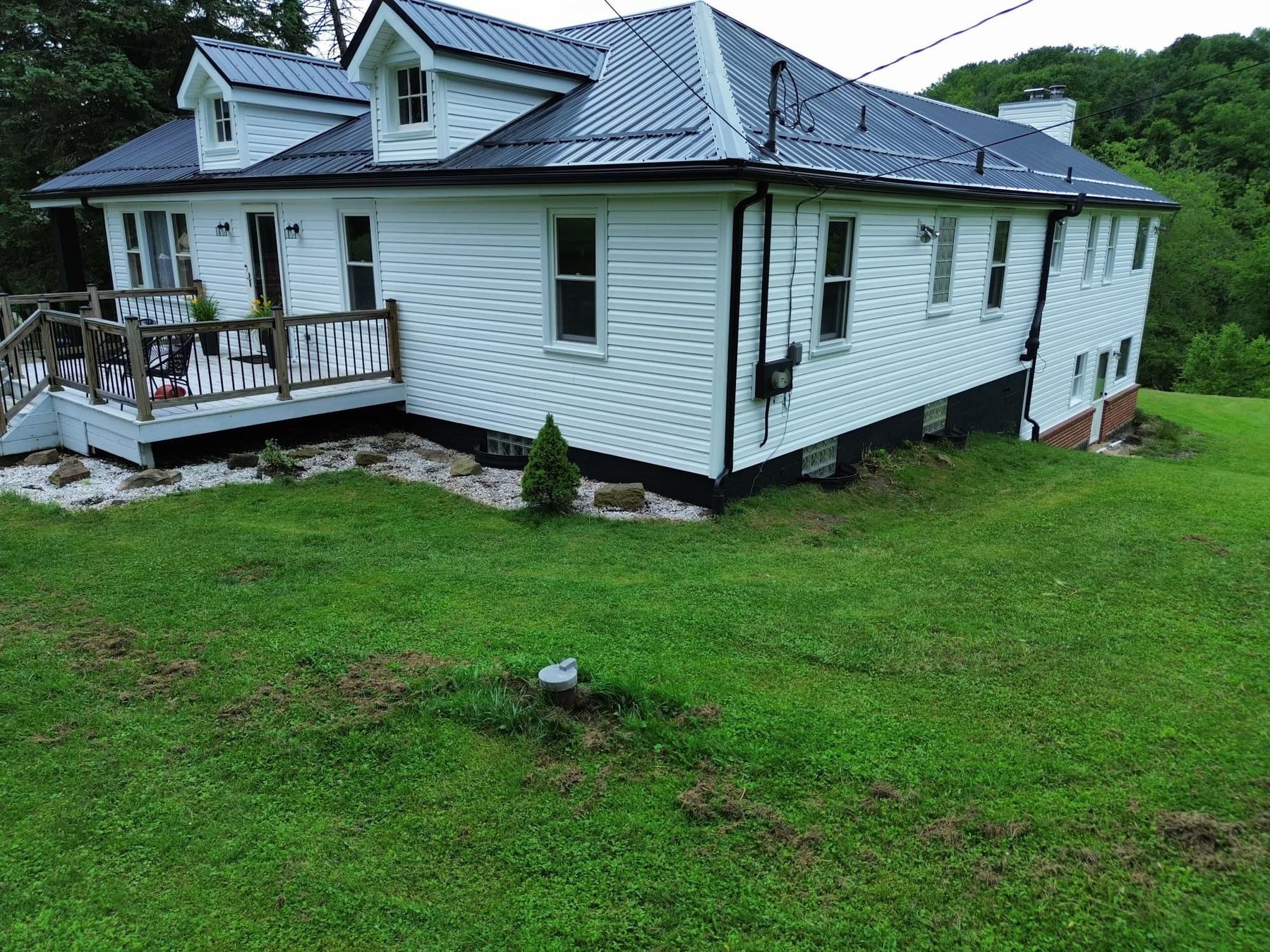
In North America, GAF is widely recognized as the largest roofing manufacturer, with a national plant footprint and broad product lines. Other large domestic shingle makers include Owens Corning, CertainTeed, IKO and Atlas. A large domestic network means product consistency, fast replenishment and clear warranty pathways. For contractors, that also means fewer substitutions mid project.
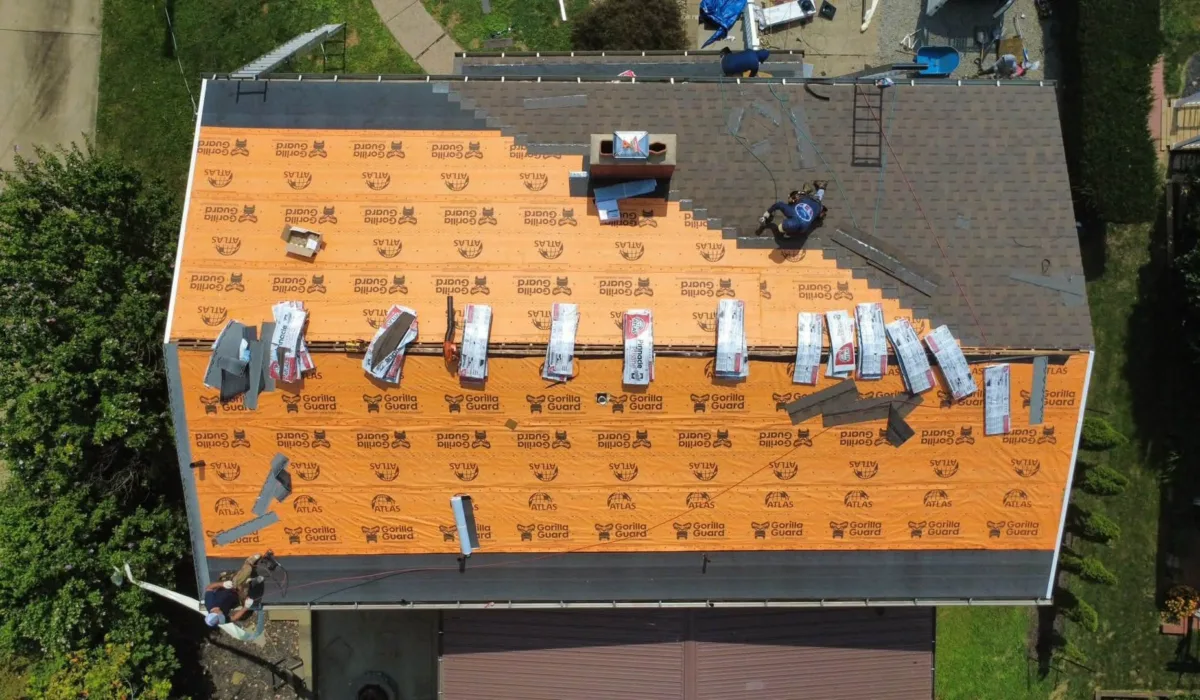
We install Atlas shingle systems most often. Atlas manufactures its shingles in plants in the United States, and a complete Atlas system installed by a Platinum Select contractor qualifies for the Atlas 50 year warranty. For low slope and commercial work we use MuleHide EPDM, two ply modified bitumen and silicone coatings, which are also produced domestically.
Where Are Most Roofing Shingles Made?
The large majority of asphalt shingles used by U.S. contractors are produced in American plants. That is by design: shingles are heavy, and shipping them long distances adds cost and damage risk. Domestic plants limit those risks and make it easier to match colors later for repairs. For facility managers and property owners, that convenience matters when a storm takes off a section of roof and you need the same color next week, not next quarter.
What About Metal, Rubber and Commercial Products?
- Metal roofing: Standing seam and exposed fastener panels are usually roll formed in the United States from painted steel or aluminum coil. Some coil stock is imported, which is where tariffs can show up in a metal quote.
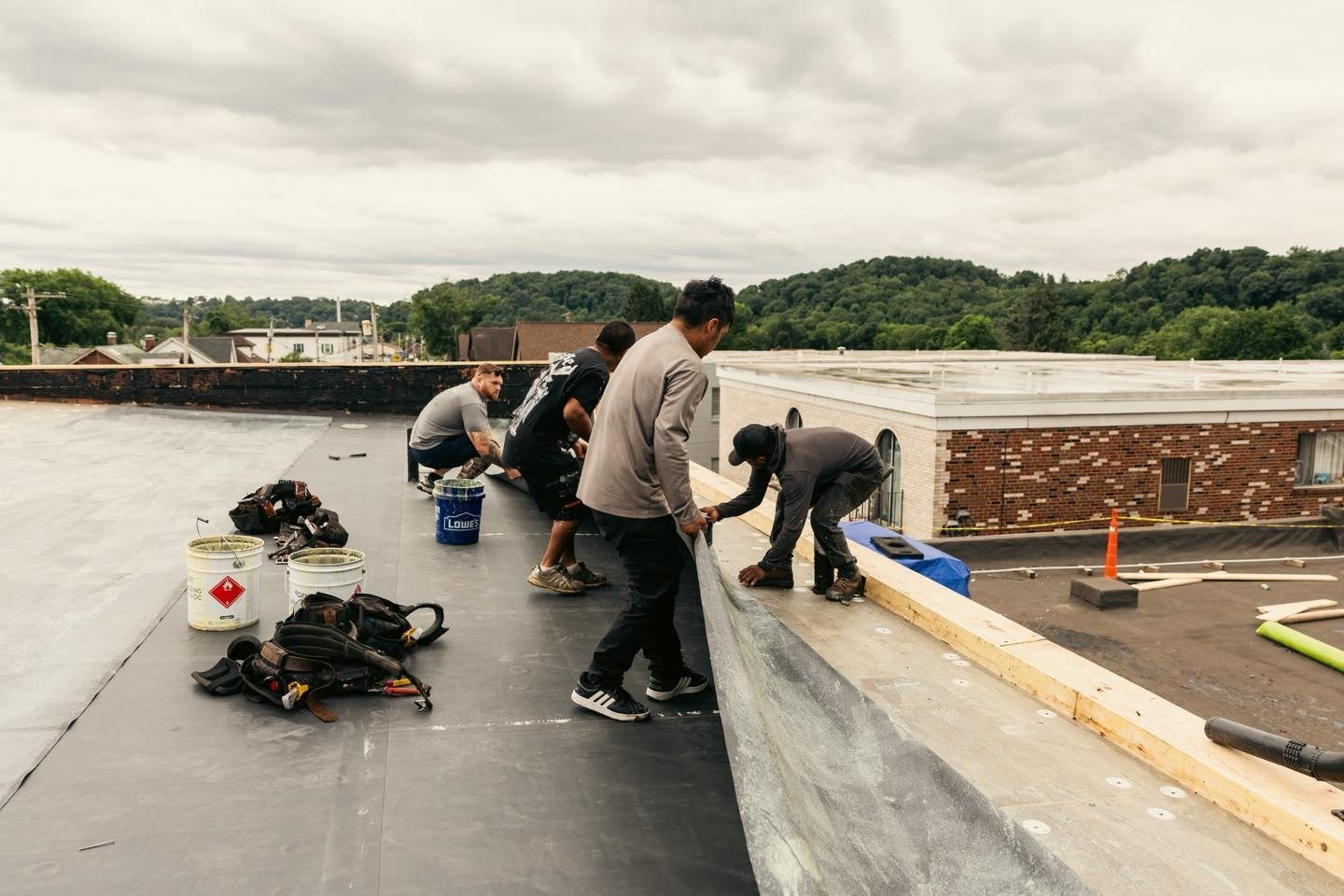
- EPDM rubber: The .060 EPDM membrane we install on flat roofs is made domestically, as are the adhesives and flashing accessories that go with it.
- Silicone coatings: The coatings we use to restore commercial roofs are U.S. made, though some of the raw chemistry behind them is sourced globally.
- Slate: New slate may be quarried in Pennsylvania, Vermont, Virginia or overseas. For slate repair we match the existing roof, so origin depends on what is already on the building.
- Gutters: Our 5 and 6 inch seamless gutters are formed on site from aluminum coil, so there is no shipping of finished product at all.
Customer Perception and Bids
Buyers increasingly care about where products come from. "Made in USA" resonates because it implies reliability, accountability and speed. For a local business, that message differentiates a bid from low priced offers that rely on uncertain imports. It is not just branding; it is a delivery promise that can actually be kept.
What Tariffs Mean for Your Roofing Project
Tariffs introduced in 2025 raised costs on many imported inputs, and the rates have shifted several times since. If fasteners, underlayment, tools or coil stock come from affected countries, prices on those line items can change between a quote and an install. Rather than quote a tariff table that may be out of date by the time you read it, we suggest confirming current rates with your supplier or with the federal trade schedule before you finalize a large order. Exclusions, USMCA origin goods and small shipment rules can all change the math.
For most Pittsburgh roofs the practical effect is modest, because the biggest line items, shingles, membrane and labor, are domestic. The exposure sits in the smaller components.
Sourcing Smarter: Suppliers, Standards and Quality
Ask for documentation on origin for every major line item. Confirm standards, for example ASTM ratings for shingles and UL or ICC listings where they apply, so a domestic substitution never compromises code or warranty. Keeping lead times tight and specs consistent is a simple way to control risk without sacrificing performance.
Contracts, Warranties and Trust
Material volatility should be addressed in the paperwork. Shorter quote validity windows and clear material escalation clauses keep rapid increases from erasing margins. For building owners, the bigger question is usually warranty coverage. Manufacturer warranties on domestic systems are easier to service because the manufacturer, the distributor and the installer are all in the same country and often the same region. Our commercial roofing page explains the warranty options we offer on low slope systems.
Action Plan for Pittsburgh Contractors and Owners
- Talk to your distributor about likely price movements over the next 60 to 90 days.
- Review the current backlog to identify jobs exposed to tariff sensitive components.
- State in each proposal whether pricing assumes domestic or imported materials.
- Prefer complete manufacturer systems from a domestic brand so the warranty covers the whole roof, not just the shingles.
- Get a written estimate with product names on it. A written estimate is the real number; anything else is a guess.
Keep the messaging simple
Lead with reliability. Then emphasize speed, warranty strength and predictable costs. Close by reminding clients that local sourcing keeps projects moving, especially during the busy season from spring through fall.
The Local Business Advantage
Local pros win when they pair strong installation with dependable supply. Domestic manufacturing supports both. It reduces the chance that a single delayed shipment snowballs into missed deadlines and overtime. And it lets a contractor stand behind the work with support from manufacturers who are a state or two away instead of an ocean away.
Frequently Asked Questions
Are Atlas shingles made in the USA?
Yes. Atlas Roofing is a U.S. company and makes its shingles in American plants. We install complete Atlas systems, which is what qualifies a roof for the Atlas 50 year warranty.
Does an American made roof cost more?
Not usually. Because shingles and membrane are heavy, domestic products are typically the cheapest to ship and the easiest to stock. What drives the cost of a roof is size, pitch, the number of layers to remove, decking repairs, the product line chosen and access. Your written estimate is the real number.
Can I request domestic materials on my roof?
Yes. Ask for the product names and manufacturers on your estimate. We are happy to specify Atlas, MuleHide and other domestic brands and to tell you which small components may be imported.
Do tariffs affect my roofing quote?
They can affect fasteners, some metal coil and tools, which are a small share of a typical roof. Shingles, membrane and labor are domestic, so the effect on most Pittsburgh roofs is limited.
Where is Malick Brothers Exteriors located?
Our shop is at 500 Perry Highway in West View, in the North Hills. We are family owned, founded in 2022 by Ryan Malick, BBB A+ accredited and registered as PA HIC PA174918.
Bringing It All Together
Domestic supply is about more than patriotism; it is a project management strategy. It protects the timeline, the budget and the reputation of everyone involved. When you prioritize American made roofing materials and work with a contractor who can document where products come from, you reduce risk and avoid surprises. If you own a home or a building in the Pittsburgh area and want a roof built from materials we can stand behind, contact us for a free written estimate.