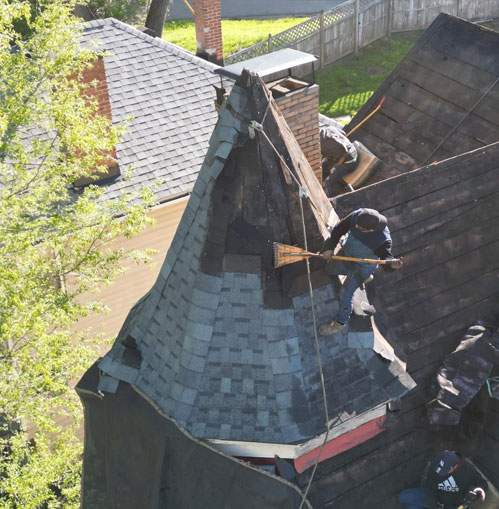
If you own or manage a warehouse in the Pittsburgh region, you already know the weather here does not go easy on buildings. Freeze-thaw cycles, heavy snowfall, and humid summers all put serious stress on your roof. The wrong roofing system can mean constant repairs, wasted energy, and a shortened lifespan for the entire structure. That is why choosing the right warehouse roofing systems Pittsburgh property owners rely on is one of the most important decisions you will make for your facility.
Why Pittsburgh Warehouses Need Specialized Roofing Solutions
Pittsburgh is not a mild-weather city. Winter temperatures regularly dip below freezing, and snow loads on large flat roofs can be punishing. Spring and summer bring rain, humidity, and occasional severe storms. All of this means a warehouse roof in this area works harder than one in a temperate climate. It needs to flex without cracking, shed water and snow effectively, and maintain energy efficiency year-round.
Choosing among industrial roofing systems is not just about picking the cheapest option. It is about finding a system that matches your building’s structural needs, your operational demands, and the local climate. I have seen facility managers save tens of thousands of dollars simply by selecting the right material from the start instead of settling for whatever was available.
Best Commercial Roofing Systems for Warehouses in Pittsburgh: EPDM Rubber Roofing
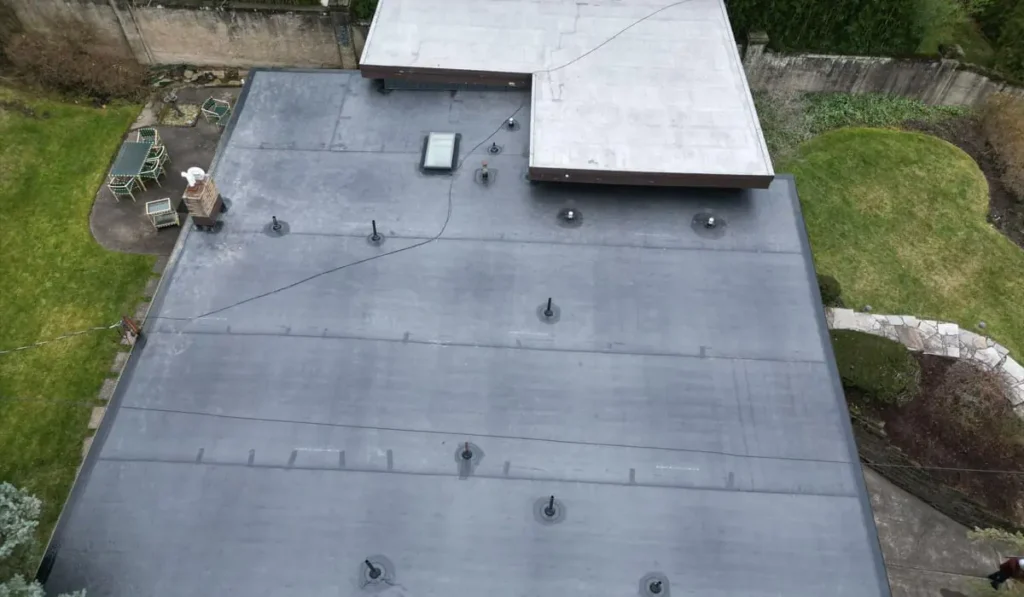
EPDM, often called rubber roofing, is one of the most trusted choices for Pittsburgh warehouses. Its standout quality is flexibility. This material can handle temperatures as low as negative sixty degrees Fahrenheit without cracking, which matters during those harsh January nights. The black surface also provides passive solar gain, helping to reduce heating costs during the long winter months.
EPDM typically lasts between 25 and 35 years with proper maintenance. It is especially well-suited for older buildings that experience some structural movement over time. If your warehouse prioritizes durability and cold-weather performance above all else, EPDM deserves serious consideration.
TPO: The Energy-Efficient Powerhouse
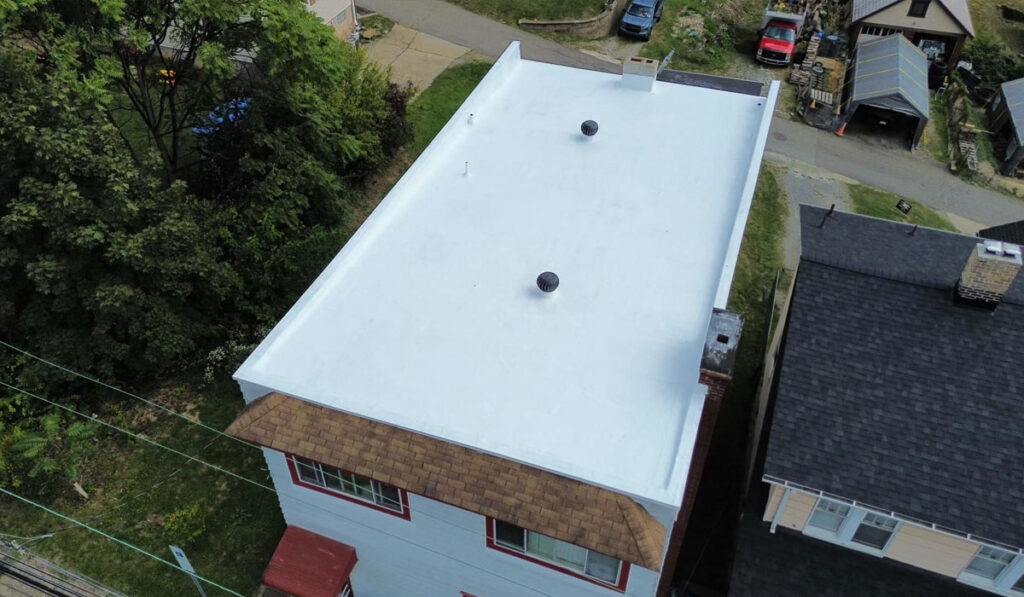
TPO, or Thermoplastic Polyolefin, is one of the fastest-growing roofing options for large commercial facilities right now. Its white, reflective surface bounces sunlight away from the building, which can meaningfully reduce cooling costs during Pittsburgh’s hot and humid summers. The heat-welded seams create a bond that is generally stronger than the adhesive seams used on other single-ply membranes.
For modern warehouses looking to balance upfront cost with long-term energy savings, TPO is hard to beat. It is lightweight, relatively affordable to install, and performs well across a range of weather conditions. Many facility owners across Western Pennsylvania are making the switch, and the results speak for themselves.
Metal Roofing: The Long-Term Investment
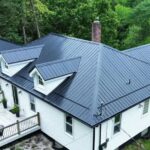
When it comes to sheer longevity, metal roofing is in a class of its own. A well-installed standing seam or corrugated metal roof can last 40 to 80 years. Its smooth surface sheds snow efficiently, which prevents the dangerous accumulation that flat-membrane roofs sometimes struggle with during Pittsburgh winters. Metal is also fire-resistant and requires minimal maintenance over its lifespan.
The trade-off is a higher upfront cost. But when you factor in the decades of reliable performance and the near-elimination of major repair bills, metal often ends up being the most cost-effective choice over the long haul. For facilities that plan to operate in the same location for 30 or more years, this is a strong option among large commercial roof options available in the region.
Quick Comparison of Top Warehouse Roofing Systems Pittsburgh Owners Should Consider
| Roofing System | Lifespan | Best For | Key Advantage |
|---|---|---|---|
| EPDM (Rubber) | 25 to 35 years | Cold climates, older buildings | Extreme cold flexibility |
| TPO | 20 to 30 years | Energy-conscious facilities | Reflective, heat-welded seams |
| Metal (Standing Seam) | 40 to 80 years | Long-term operations | Maximum durability, snow shedding |
| PVC | 20 to 30 years | Chemical exposure environments | Grease and oil resistance |
What Is the Best Roofing System for a Commercial Building?
There is no single answer that applies to every commercial building. The best system depends on your specific priorities. A warehouse storing temperature-sensitive goods may benefit most from EPDM or spray foam insulation. A distribution center focused on minimizing energy costs might lean toward TPO. And a facility expecting to operate for decades without major renovations will likely favor metal.
What I always recommend is getting a professional assessment of your building before committing. Factors like roof slope, structural load capacity, and existing insulation all play a role. If you want a deeper breakdown of how to evaluate your options, I suggest reading How to Choose the Right Commercial Roofing System for Your Business for a thorough walkthrough.
PVC Roofing: The Specialist’s Choice
PVC, or Polyvinyl Chloride, looks similar to TPO on the surface but carries a key advantage in chemical resistance. If your warehouse doubles as a manufacturing or processing space where oils, grease, or chemicals are present, PVC is the safer bet. It holds up well against substances that would degrade other membrane systems over time.
The downside is cost. PVC generally runs higher than both TPO and EPDM in terms of upfront investment. But for facilities with specific chemical exposure risks, that premium is well worth paying to avoid premature roof failure and costly replacements down the road.
What Color Roof Increases Home Value?
While this blog focuses on commercial properties, roof color matters across the board. Neutral tones like charcoal gray, slate black, and weathered brown consistently perform best for resale value. Research shows that over 90 percent of home buyers consider a coordinated roof and exterior color scheme important when evaluating a property. In colder climates like Pittsburgh, darker roofs can also absorb heat and help reduce winter heating costs.
For commercial and industrial buildings, the color conversation shifts slightly. White and light-colored membranes like TPO reduce cooling expenses during summer. Darker EPDM membranes help retain heat in winter. The right choice depends on whether your priority is summer cooling savings or winter heating efficiency.
Best Commercial Roofing Systems for Warehouses in Pittsburgh: Making Your Final Decision
Selecting the right roofing system is not something to rush. Take time to evaluate your building’s age, your operational needs, your budget for both installation and long-term maintenance, and the specific weather challenges your facility faces. Pittsburgh’s climate rewards preparation. A roof that performs well in January’s deep freeze and July’s heat is worth the upfront investment.
Whether you are leaning toward EPDM, TPO, metal, or PVC, make sure your contractor has experience with industrial roofing systems for commercial warehouses in this region. The right partner will walk you through every option, provide transparent pricing, and stand behind their work for years to come. Your warehouse deserves a roof that works as hard as the people inside it.