
Table of Contents
If you manage or own a commercial property in Pittsburgh, your roof is doing a lot more than keeping out rain. It is one of the single biggest factors in how much energy your building consumes. Every square foot of roofing material either absorbs heat, reflects it, or lets it escape. In a city where summers push into the 90s and winters regularly dip below freezing, the stakes are real. Energy efficient commercial roofing is not a luxury anymore. It is a practical investment.
Why Pittsburgh’s Climate Demands Smarter Roofing
Pittsburgh sits in a mixed-humid climate zone, which means buildings face heat gain in the summer and significant heat loss during the winter. That dual challenge makes roofing choices more complex than in cities with milder weather. A roof that only handles summer cooling will leave you paying steep heating bills from November through March.
We have seen firsthand how older commercial buildings in the Pittsburgh area hemorrhage energy through outdated roofing. Cracked membranes, poor insulation, and decades of deferred maintenance create an environment where HVAC systems work overtime.
How Commercial Roofing Impacts Energy Efficiency Through Cool Roof Technology
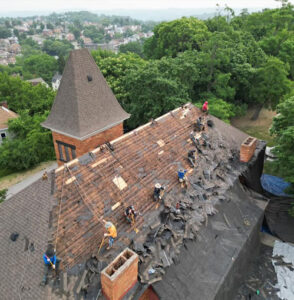
Cool roofing systems are one of the most effective tools for reducing summer cooling costs on commercial buildings. These systems use highly reflective materials, often white or light-colored membranes like TPO, to bounce sunlight away from the building surface. A conventional dark roof can reach temperatures well above 150°F on a hot day. A reflective cool roof can stay more than 50°F cooler under the same conditions.
For Pittsburgh building owners, cool roofs make a noticeable difference during July and August when air conditioning demand peaks. The U.S. Department of Energy notes that cool roofs can reduce air conditioning energy use by up to 15 percent on single-story buildings. That translates directly into lower electricity bills and less strain on your cooling equipment.
The Role of Insulation in Commercial Roof Performance
A reflective surface is only half the equation. Without proper insulation beneath the membrane, heat transfers into the building in summer and escapes during winter. High-R-value insulation materials, such as polyisocyanurate board, create a thermal barrier that keeps conditioned air where it belongs.
The commercial roof insulation benefits are especially clear in Pittsburgh’s winters. A well-insulated roof prevents warm air from rising and escaping through the building envelope. This means your heating system runs less often and uses less fuel. Over the life of a commercial roof, the savings from proper insulation can be substantial.
How Commercial Roofing Impacts Energy Efficiency with Metal Systems
Metal roofing has gained serious traction in the commercial sector. Modern metal panels offer high solar reflectance and excellent durability, often lasting 40 to 60 years with proper maintenance. When paired with rigid insulation, metal roofs deliver strong year-round energy performance. They shed snow efficiently and hold up well against Pittsburgh’s freeze-thaw cycles.
I recommend reading more about Metal Roofing for Commercial Buildings in Pittsburgh if you are considering this option. Metal systems also contribute to sustainability goals because they are fully recyclable at end of life. That is a meaningful advantage for businesses tracking their environmental footprint.
Comparing Commercial Roofing Materials for Energy Efficiency
| Roofing Material | Solar Reflectance | Insulation Compatibility | Typical Lifespan | Best For |
|---|---|---|---|---|
| TPO (Cool Roof) | High | Excellent | 20-30 years | Summer cooling savings |
| Metal Roofing | High | Excellent (with added layers) | 40-60 years | Long-term durability |
| EPDM (Rubber) | Low-Moderate | Good | 20-25 years | Budget-friendly flat roofs |
| Green (Vegetated) Roof | Low | Natural insulation | 30-50 years | Urban heat reduction |
| Modified Bitumen | Low-Moderate | Good | 15-20 years | Multi-layer waterproofing |
This comparison illustrates that no single material dominates every category. The right choice depends on your building’s needs, your budget, and how long you plan to own the property. Energy efficient commercial roofing starts with matching the material to the application.
Green Roofing: A Growing Option for Pittsburgh
Vegetated or green roofs are gaining popularity in urban areas, and Pittsburgh is no exception. These systems layer soil and plant life over a waterproof membrane, creating natural insulation that moderates building temperatures. They absorb rainwater, reduce stormwater runoff, and can lower surrounding air temperatures. Green roofs do not reflect as much sunlight as white membranes, but they compensate with their insulating properties.
For commercial property owners looking to meet sustainability benchmarks, a vegetated roof can be a compelling option. The upfront cost is higher, but the long-term value in energy savings and roof longevity is worth serious consideration.
How Commercial Roofing Impacts Energy Efficiency Through Moisture Control
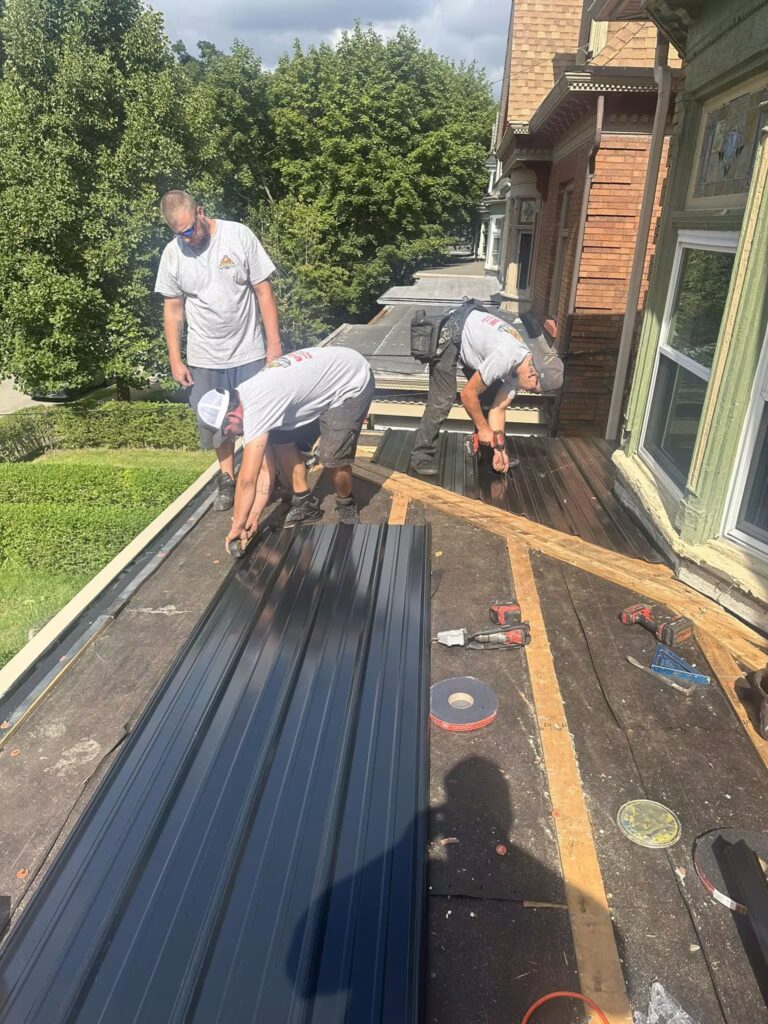
Here is something that does not get enough attention: moisture. When water infiltrates a roof system, it saturates insulation and dramatically reduces its R-value. Wet insulation does not insulate. It becomes a thermal bridge that lets heat pass right through. In Pittsburgh, where rain, snow, and ice are constants, a waterproof roof membrane is not optional.
Proper flashing, sealed seams, and regular inspections are essential to keeping moisture out. I have seen buildings where a small leak went undetected for months, quietly degrading insulation and driving up heating costs. Addressing moisture proactively is one of the most cost-effective ways to maintain energy efficient commercial roofing performance.
Maintenance as an Energy Strategy
A roof is not a set-it-and-forget-it system. Even the best materials degrade over time without routine care. Clogged drains, cracked membranes, and deteriorating sealant all create pathways for air leakage and water intrusion. Scheduling inspections at least twice a year, especially after harsh Pittsburgh winters, is a smart habit.
Small repairs now prevent expensive problems later. Replacing a few feet of damaged flashing costs a fraction of what a full insulation replacement would. Proactive maintenance extends the overall life of the roof, giving you more years of return on your initial investment.

Making the Right Roofing Decision for Your Building
Choosing a roofing system is a long-term commitment. The materials, insulation, and installation quality you select today will shape your building’s energy costs for decades. For Pittsburgh building owners, that means thinking carefully about how cool roofing systems and proper insulation work together to handle our unique climate.
Whether you are planning new construction or evaluating a reroof, prioritize energy efficiency from the start. The U.S. Department of Energy’s cool roof resources offer helpful tools for estimating potential savings. A well-planned commercial roof insulation benefits package combined with high-reflectance materials will reduce operating costs and support your sustainability goals for years to come.