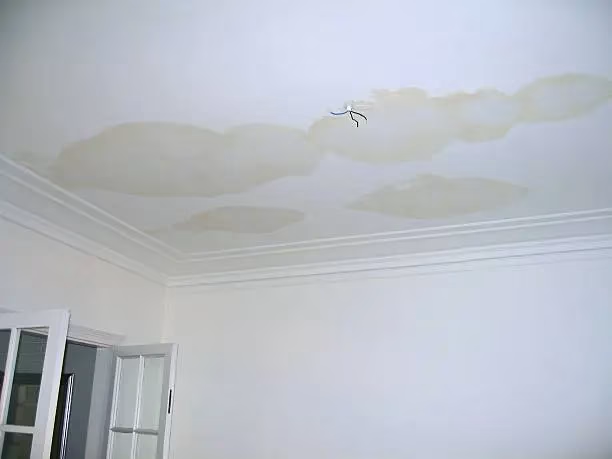
A brown ring on the ceiling is one of those things you cannot stop looking at once you notice it. The first question most homeowners ask is whether water is still getting in. The short answer: no, a ceiling water stain does not always mean an active roof leak. A stain can be left over from a problem that is already been fixed, and some stains have nothing to do with the roof at all.
That said, you should not assume a stain is harmless. In Pittsburgh and Western Pennsylvania, rain, heavy snow and repeated freeze-thaw cycles put steady stress on roofs. A ceiling water stain from a roof leak is common here, and small leaks can stay hidden for a long time before the damage shows. This guide explains what causes stains, how to tell whether a leak may still be active, and when it is time to bring in a professional.
What a Ceiling Water Stain Can (and Cannot) Tell You
A stain shows that water reached your ceiling at some point. It does not show when that happened, where the water entered, or whether it is still happening. Water often travels along rafters, decking or the tops of drywall before it drips. As a result, the stain may appear several feet away from the actual entry point.
That is why a stain is best treated as a clue rather than an answer.
Common Causes of Ceiling Water Stains
Roof-Related Causes
When the source is the roof, it is usually one of these:
- Damaged or missing shingles. Wind and storms can lift or tear shingles, exposing the layers underneath.
- Failed flashing. The metal around chimneys, skylights, walls and valleys is a frequent leak point, especially on older homes.
- Worn pipe boots. The rubber seals around plumbing vent pipes can crack with age and sun exposure.
- Ice dams. When snow melts and refreezes at the roof edge, water can back up under shingles. These leaks may only show up in winter, which makes them easy to miss the rest of the year.
- Aging roofing materials. As a roof nears the end of its service life, small leaks become more likely.
If any of these sound familiar, it is worth reading more about roof repair in Pittsburgh and what a professional assessment involves.
Non-Roof Causes
Before blaming the roof, consider what sits above the stained area:
- Plumbing leaks from an upstairs bathroom, supply line or drain.
- HVAC problems, such as a clogged condensate line from an attic air handler.
- Attic condensation, often linked to poor ventilation or insulation. Warm, moist indoor air can condense on cold roof decking in winter and drip onto the ceiling below.
- Window or wall leaks that let water travel down inside the wall and spread along the ceiling.
An Old, Already-Repaired Leak
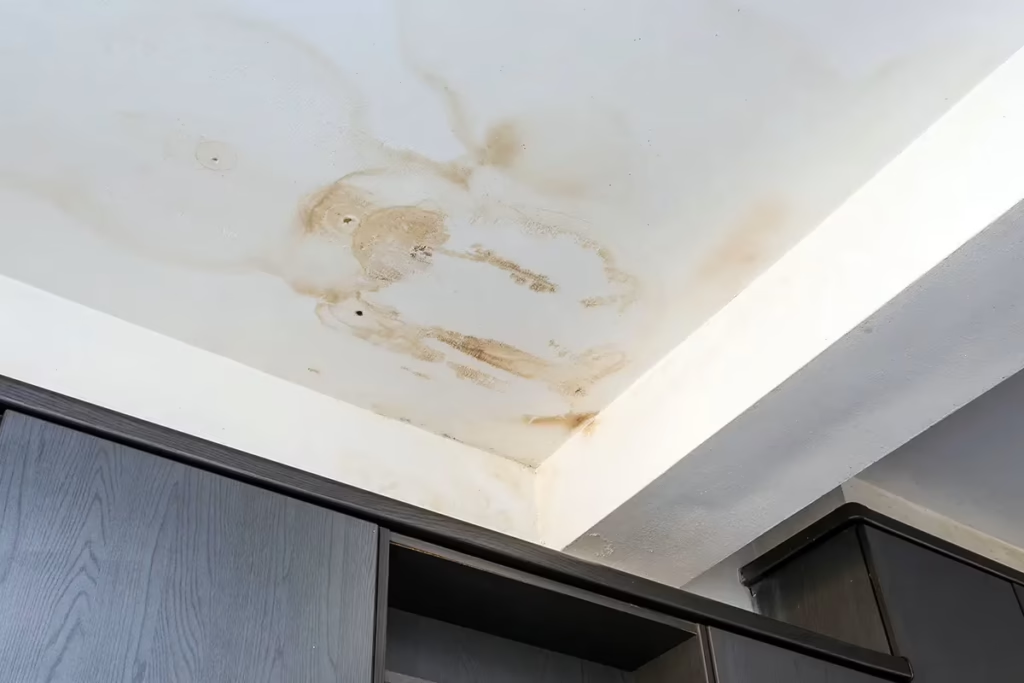
Many stains are simply leftovers. If a leak was repaired but the ceiling was never primed and repainted, the stain stays behind. If you have recently bought a Pittsburgh home, particularly an older one, the stain may be older than your ownership. Ask the seller or check inspection records if you can.
Warning Signs the Leak May Still Be Active
These signs suggest water is still getting in and the problem needs attention soon:
- The stain is growing or has developed new rings. Taking a dated photo makes changes easier to spot.
- It gets darker or appears after rain or snowmelt.
- The area feels damp or soft. Only check if you can do so safely from a stable surface.
- Paint is bubbling, peeling or cracking.
- There is a musty odor or visible mold nearby.
- You see drips, or the ceiling is sagging.
A stain that stays the same size and color through several rounds of heavy weather is less likely to be active, but that is not a guarantee. Slow leaks can stay quiet for months, and so can seasonal ones. If your stain tends to show up after snow and cold snaps, learn more about how ice dams cause hidden winter leaks.
What to Do Right Away (Safely)
If you suspect an active leak, focus on protecting your home and staying safe:
- Stay clear of sagging or bulging ceilings. Water-loaded drywall can give way without warning.
- Keep water away from electrical fixtures. If water is near a light, fan or outlet, do not touch it. Contact a licensed electrician if you have concerns.
- Move belongings and set out a container to catch drips.
- Photograph the damage with dates. This can help your roofer and may be useful if you contact your insurance company.
- Do not climb onto the roof. Wet, icy or steep roofs are dangerous, and steep roofs are common on Pittsburgh's hillside homes. Leave rooftop inspection to trained professionals.
Professional Repair Options
Once a roofer identifies the source, the fix depends on what they find. If storm damage is involved, you may also want to read up on roof damage and insurance claims before you call your insurer. Common professional repairs include the following.
Targeted Roof Repairs
These may involve replacing damaged shingles, resealing or replacing flashing around chimneys and skylights, or swapping out worn pipe boots. Many leaks come from a single failure point and can be fixed without major work.
Ventilation and Insulation Corrections
Sometimes condensation or ice dams are behind the stain. In that case, the long-term solution may involve improving attic airflow or insulation so moisture and heat are better managed.
Larger Repairs or Replacement
Your roof may be near the end of its life or have widespread damage. If so, a roofer may discuss whether repeated repairs still make sense or whether replacement is the better option. A trustworthy contractor should explain the reasoning clearly.
Interior Repairs
Fix the source first. Repainting a stain before the leak is resolved only hides the problem. After the repair, damaged drywall or insulation may need to be replaced. Stains typically need a stain-blocking primer before repainting.
When to Contact a Roofer
Call a professional if:
- The stain is new, growing or changes after storms.
- You cannot find a plumbing or HVAC cause directly above the area.
- The stain is near a chimney, skylight, vent or exterior wall.
- You have had heavy snow, ice buildup or a strong storm recently.
- Your roof is older or you do not know its history.
- You see any sagging, mold or ongoing dampness.
Even if the stain turns out to be old, an inspection can give you peace of mind. It can also catch developing issues before they cause more damage.

Frequently Asked Questions
Can a ceiling stain appear long after a leak starts?
Yes. Water can soak into insulation and decking for some time before it shows through drywall. A stain may appear well after the leak began.
Why does the stain only show up in winter?
Seasonal stains are often linked to ice dams or attic condensation, both common in Western Pennsylvania's cold months. A roofer can help determine which is responsible.
Can I just paint over the stain?
Only after the source has been found and fixed and the area is fully dry. Painting over an active leak hides the warning sign while the damage continues.
Is a small stain worth worrying about?
Yes, it can be. A small stain can come from a significant leak, especially if water is spreading inside the ceiling or attic. Size alone does not tell you how serious the problem is. Residential roof repair is often simpler when a leak is caught early.
Get Answers Before the Damage Spreads
A ceiling water stain does not always mean your roof is still leaking, but it is never something to ignore. The first step toward protecting your home is figuring out the cause: whether the stain is old or active, and whether it comes from the roof or something else.
If you have noticed a stain and are not sure where it is coming from, contact Malick's to schedule a roof inspection. Our team can help you understand what is happening and walk you through your options. Malick Brothers Exteriors offers roofing, gutters, siding, and more across Pittsburgh and Southwest PA. Explore our services to get started.