Loose siding does more than hurt curb appeal. Every loose panel is an open door for wind driven rain, and once water gets behind the siding it finds the sheathing, the framing and eventually the drywall inside. The good news is that a single loose piece of vinyl siding is one of the most approachable exterior repairs a Pittsburgh homeowner can take on. This guide walks through the steps we use when a panel has pulled away, explains when a repair is a reasonable Saturday project and when it is not, and covers what we see on homes across the North Hills, the South Hills and the river towns after a windy night.
If more than a panel or two has come loose, or if the siding is old enough that matching pieces are no longer made, our crew handles siding repair and installation in Pittsburgh and we will give you a free written estimate before any work starts.
Why Siding Comes Loose in Pittsburgh
Vinyl siding is designed to hang loosely on its nails so it can expand in July heat and contract in January cold. When it is installed correctly, that movement is invisible. When it is installed wrong, or when it simply gets old, three things cause panels to let go.
- Wind. Pittsburgh gets strong spring and fall wind events, and the hilltop neighborhoods and open lots along the rivers take the worst of it. Wind catches the bottom edge of a panel, works it out of the lock below it, and once one panel is free the ones above it follow.
- Nails driven too tight or too loose. Siding nails belong in the center of the nail slot with a small gap under the head so the panel can slide. Nails pounded flat pinch the panel and it buckles; nails left too far out let the panel rattle and work free.
- Age and brittleness. Older vinyl loses its flexibility. The lock at the bottom of the panel cracks, and a cracked lock will never hold again no matter how carefully it is pushed back into place.
Many of the homes we service in Ross, Shaler, McCandless, Bethel Park and Mt. Lebanon were sided in the 1980s and 1990s. That vinyl has done its job, but it is at the age where loose panels become a yearly event rather than a one time repair.
When a DIY Repair Is Fine
A homeowner with a ladder and an hour can handle a loose siding repair when all of the following are true.
- One or two panels are loose and the panels themselves are not cracked, warped or faded far beyond the rest of the wall.
- The loose section is on the first story or reachable from a stable ladder on level ground.
- The sheathing behind the panel is dry and solid when you press on it.
- You have a matching replacement panel, or the existing panel can be reused.
When It Is Not a DIY Job
Put the ladder away and call a siding contractor when any of these apply.
- The loose siding is on a second story, above a roof slope, or over a sloped yard. Siding is not worth a fall.
- Multiple panels are loose or missing after a storm. That usually means the installation itself is the problem and the rest of the wall is about to follow.
- The sheathing feels soft, the house wrap is torn or missing, or you can see dark staining behind the panel. Water has already been getting in and the repair is bigger than siding.
- The siding is discontinued and no match exists. Patching with a close match looks worse than it sounds, and on a street facing wall it will bother you every time you pull in the driveway.
- The lock on the bottom of the panel is cracked. The panel needs to be replaced, not reattached.
- Your home has fiber cement or wood siding. Those materials are heavier, fastened differently and need primed cuts and sealed ends. A loose James Hardie board is a contractor repair.
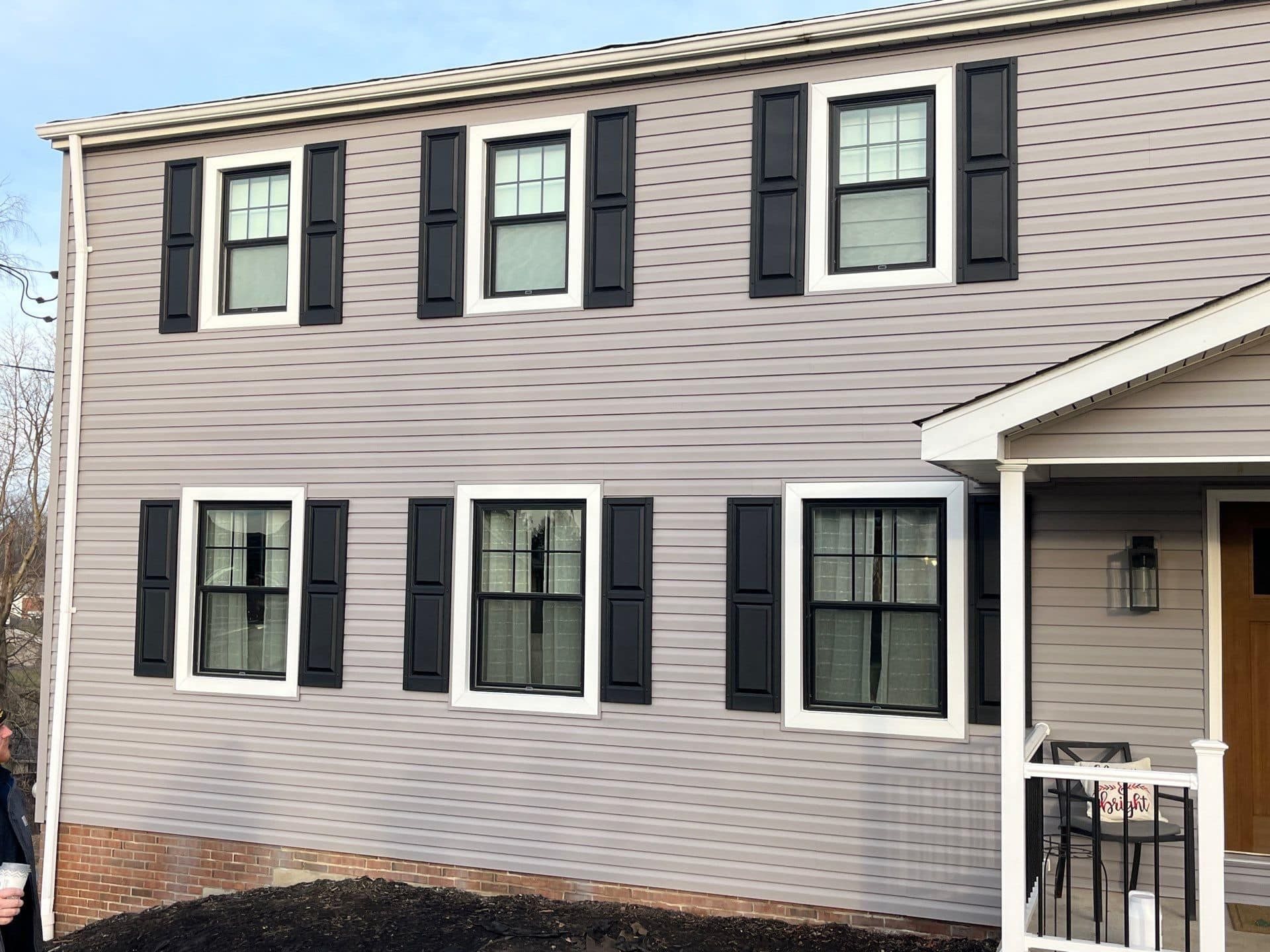
Easy Steps to Fix Loose Vinyl Siding
Step 1: Inspect the Damage
Look at the whole wall, not just the panel that is flapping. Note cracks, warping, missing nails and any panel that sits proud of its neighbors. Press the sheathing behind the loose piece. If it is soft, stop here and read the section above.
Step 2: Gather the Right Tools
You will need a siding removal tool, often called a zip tool, which is an inexpensive hooked blade sold at any hardware store. Add a hammer, galvanized or aluminum roofing nails about one and a half inches long, a utility knife, a caulking gun with exterior grade sealant, work gloves and a stable ladder. If you are replacing a panel, bring a scrap of the old siding to the supplier to match profile and color.
Step 3: Unlock the Panel Above
Vinyl siding locks together from the bottom up, so to get at the nails of a loose panel you have to release the panel above it. Slide the zip tool under the bottom edge of the upper panel, hook the lock and pull down and out while sliding the tool along the wall. The upper panel will lift free of the lock. Do not pry vinyl with a flat bar. It will crack, especially in cold weather.
Step 4: Check the Underlying Surface
With the panel lifted, look at the house wrap and sheathing. Tape any small tears in the wrap with house wrap tape. If the sheathing is wet or soft, the repair has changed from a siding job to a water damage job, and that is the point to get a professional opinion.
Step 5: Reattach or Replace the Panel
If the panel is sound, push its bottom lock firmly into the panel below until it clicks along its full length. Drive new nails through the center of the nail slots, spaced about every sixteen inches, and leave roughly the thickness of a dime between the nail head and the panel so it can move. If the panel is cracked or its lock is broken, cut a replacement to length with the utility knife, lock it in and nail it the same way.
Step 6: Relock the Panel Above
Use the zip tool again to pull the upper panel down over the lock of the panel you just set. Run the tool along the seam and press with your palm until the lock snaps in all the way across. Tug gently on the bottom edge to confirm it holds.
Step 7: Seal Only Where It Belongs
Vinyl siding is meant to shed water, not to be sealed, so do not caulk the panel seams or the locks. Exterior sealant belongs around windows, doors, J channel ends and utility penetrations where the siding meets trim. Sealing the panels themselves traps water behind the wall.
Step 8: Walk the Rest of the Wall
Once one panel has come loose, press along every course on that wall. Panels that rattle or shift more than a quarter inch should be refastened now, before the next storm does it for you.
What We Do Differently on a Siding Job
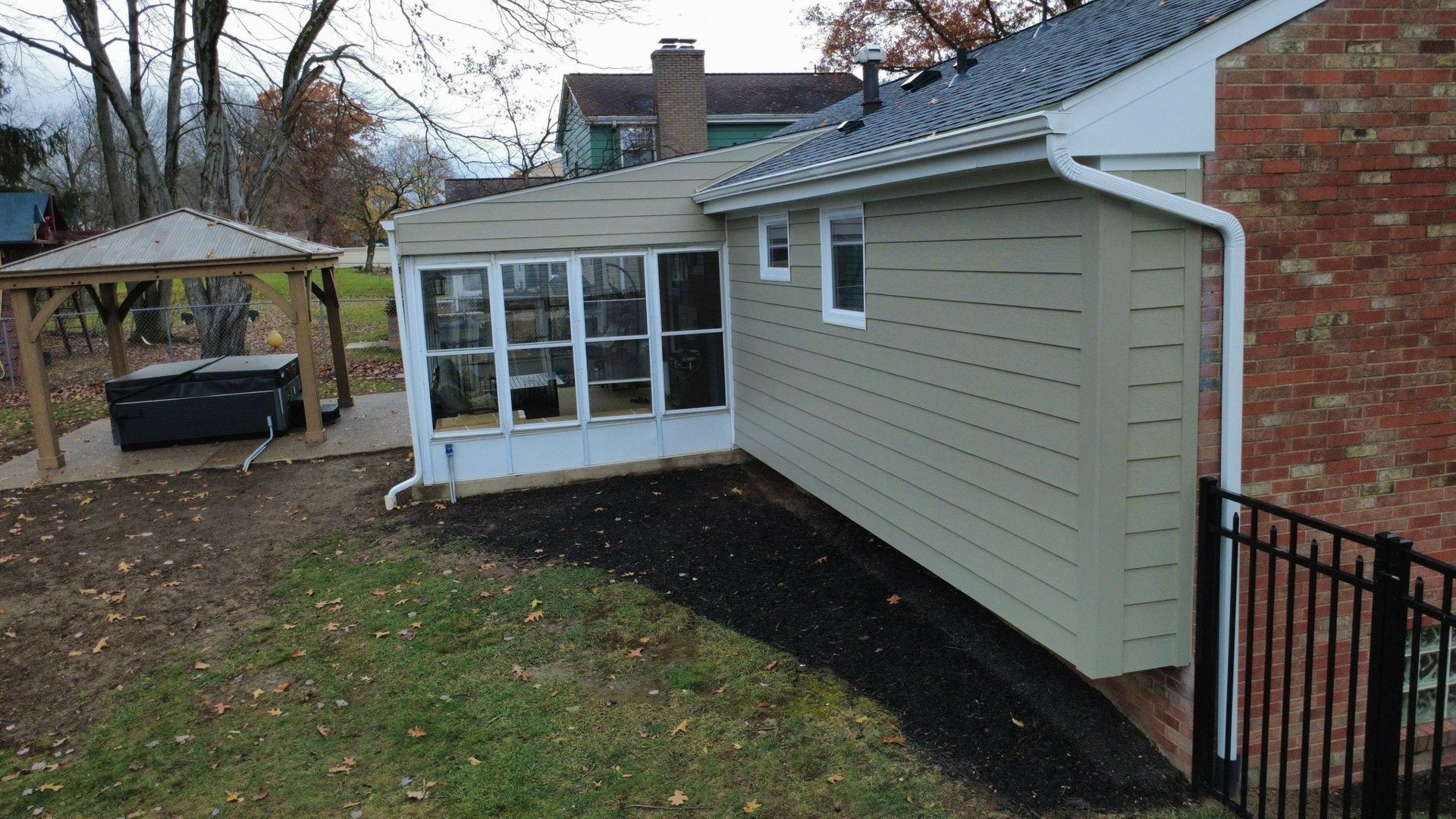
When our crew repairs or replaces siding, the work starts behind the panel. We inspect the sheathing, replace anything soft, and install new house wrap with properly lapped seams so water that gets past the siding drains out at the bottom instead of soaking in. On a full replacement we install James Hardie fiber cement and Mastic vinyl, both of which carry manufacturer warranties, and we pair the siding with new soffit, fascia and 5 or 6 inch seamless gutters so the whole envelope is finished at once. That matters in Pittsburgh because the wind that lifts a siding panel is the same wind that drives rain under the eaves.
What Drives the Cost of a Siding Repair
A loose siding repair ranges from a short service call to a full wall, and the price depends on a few things. How many panels are affected, whether the existing siding can be matched, how much of the sheathing and house wrap needs attention, how high the work is and whether trim, soffit or fascia need to come off to do it right. We do not quote siding repairs over the phone. We come out, look behind the panels, and give you a free written estimate that spells out exactly what is included.
Frequently Asked Questions
Can I fix loose siding without removing it?
Sometimes. If the panel is still locked at the bottom and only the top has pulled away, you can release the panel above with a zip tool and add nails without taking the loose panel off the wall. If the bottom lock has let go, the panel has to be reseated.
Should I nail siding tight to stop it from coming loose?
No. Vinyl siding that is nailed tight buckles in summer heat and cracks in winter cold. Leave a small gap under every nail head so the panel can move.
Why does my siding keep coming loose in the same spot?
Usually a cracked lock, a missing nail or an upper panel that was never fully locked. Wind finds the weak spot every time. If the same panel has come loose more than once, replace it rather than reattaching it again.
Does wind damage to siding fall under homeowners insurance?
Many Pennsylvania homeowner policies cover sudden wind damage, but not wear or faulty installation. Take photos before touching anything and check with your agent. We can provide a written assessment of what we find.
Is it worth repairing old vinyl siding or should I replace it?
If the siding is brittle, faded unevenly and loose in several places, repairs become a cycle. At that point the money is better spent on new siding with a warranty. We will tell you honestly which situation you are in.
Need a Hand With Loose Siding?
If the repair is bigger than a panel or two, or you would rather not climb the ladder, we are happy to take a look. Malick Brothers Exteriors is family owned, BBB A+ accredited and licensed in Pennsylvania as PA174918, and we install James Hardie and Mastic siding across the Pittsburgh area. Contact us for a free written estimate on your siding repair or replacement.