Winter in Pittsburgh is no joke. Snowstorms bring not only beautiful scenery but also hidden threats to your home—especially your roof. Heavy snow, ice dams, and high winds can weaken its structure, cause water intrusion, and even shorten its lifespan. Knowing how to spot the warning signs early can save you thousands in repairs and give you peace of mind before the next storm hits.
From visible shingle damage to subtle energy loss, recognizing when your roof needs attention is a critical skill for homeowners. In this guide, we’ll cover the major signs, safety tips for inspections, and why professional help is often the best route for long-term protection.
Why Roof Damage in Pittsburgh Spikes After a Snowstorm
Pittsburgh winters bring heavy, wet snow that can weigh down roofing systems. Add the freeze-thaw cycles common here, and you have the perfect recipe for roof damage Pittsburgh. Water seeps into cracks, freezes, expands, and worsens the damage over time.
Ice dams—caused by melting snow refreezing along the roof’s edges—are a frequent problem, blocking proper drainage and forcing water under shingles. These conditions stress both your roof’s surface and its underlying structure, often leading to leaks and insulation damage.
Visible Signs of Roof Damage After a Snowstorm
The most obvious signs can be spotted from the ground. Missing or damaged shingles are the first red flags. Pieces of roofing material on your lawn or driveway mean the protective layer has been compromised.
Sagging areas on the roof are even more serious. They may indicate that heavy snow has weakened structural supports. If you see dips or uneven lines along your roofline, schedule a snowstorm roof inspection immediately to prevent collapse risks.
Interior Clues That Point to a Failing Roof
Not all roof damage shows on the outside. Inside your home, water stains on ceilings and walls are clear indicators of leaks. These stains often appear after prolonged snow buildup or ice dam formation.
In the attic, damp insulation, mold growth, or a musty smell are signs of excess moisture making its way in. Light streaming through roof boards is another strong signal that your roofing material has failed.
Identifying Roof Damage After Pittsburgh Snowstorms
Ice dams are more than a nuisance—they’re a major cause of signs of roof replacement after winter storms. They form when heat from your home melts snow on the roof, which then refreezes near the edges. This blocks water from draining, pushing it beneath shingles.
Over time, this trapped water damages your roof deck, insulation, and even interior drywall. If you’ve experienced multiple seasons with significant ice damming, it’s worth evaluating whether repairs are enough or a full replacement is needed.
Drainage and Gutter Problems After Heavy Snow
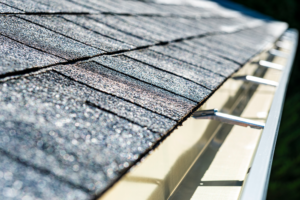
Gutters are crucial for directing water away from your home, but snowstorms often clog or damage them. Ice buildup can cause gutters to sag, pull away from the roof, or even detach entirely.
When gutters fail, water backs up onto the roof, increasing the risk of leaks. After a storm, check for bent or loose gutters, and clear any ice or debris to restore proper flow.
Energy Efficiency as a Clue to Roof Health
A damaged roof can also show up in your utility bills. If you notice a sudden winter heating spike, it could be due to warm air escaping through gaps or poor insulation caused by storm damage.
Loss of efficiency isn’t always visible, but it’s a strong financial reason to consider a snowstorm roof inspection or replacement. Even minor leaks in insulation coverage can cause your HVAC system to work overtime.
How to Tell If You Need a New Roof After a Pittsburgh Snowstorm: Safety Tips for Inspections
Inspecting your own roof after a snowstorm can be dangerous. Ice, snow, and wet leaves create slippery surfaces, and the cold can reduce your reaction time if you slip. If you do attempt it:
- Use a sturdy ladder with someone spotting you.
- Wear non-slip footwear and a safety harness.
- Avoid inspecting during windy or icy conditions.
For many homeowners, the safest option is to hire a professional who has the right equipment and experience to spot both visible and hidden damage.
When Professional Help is the Smartest Choice
A licensed roofing contractor in Pittsburgh brings more than tools—they bring expertise in spotting damage unique to local weather. Professional assessments can identify ventilation issues, flashing failures, and underlying structural problems that aren’t obvious to the untrained eye.
They’ll also guide you through options for repair versus replacement. If you’re unsure about timing, this resource can help: How to Know It’s Time for a Roof Replacement in Pittsburgh.
Key Signs You May Need a Full Roof Replacement
| Sign | What It Means | Why It Matters |
|---|---|---|
| Missing or cracked shingles | Protective layer compromised | Allows water intrusion |
| Sagging roofline | Structural damage | Risk of collapse |
| Interior water stains | Active leaks | Can cause rot and mold |
| Moss/algae growth | Moisture retention | Accelerates decay |
| Frequent storm repairs | Systemic roof failure | More cost-effective to replace |
If several of these issues appear after a single snowstorm, your roof may be at the end of its useful life.
Planning Ahead to Avoid Repeat Damage
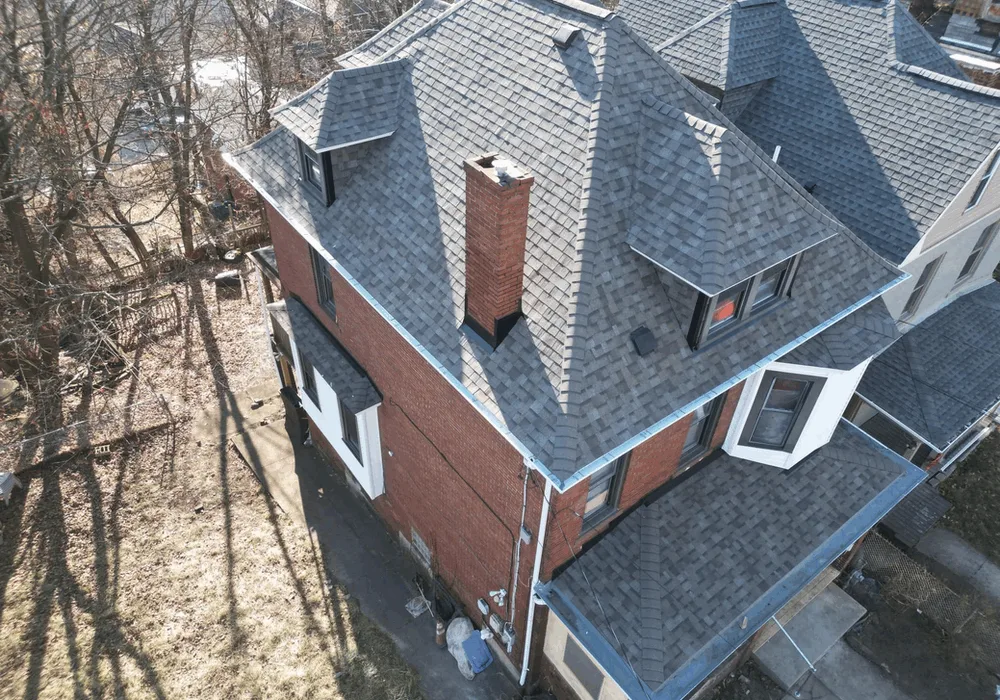
Replacing your roof after winter damage is also a chance to improve resilience. Upgrading to materials suited for Pittsburgh’s climate, adding ice and water shields, or improving attic ventilation can all extend roof life.
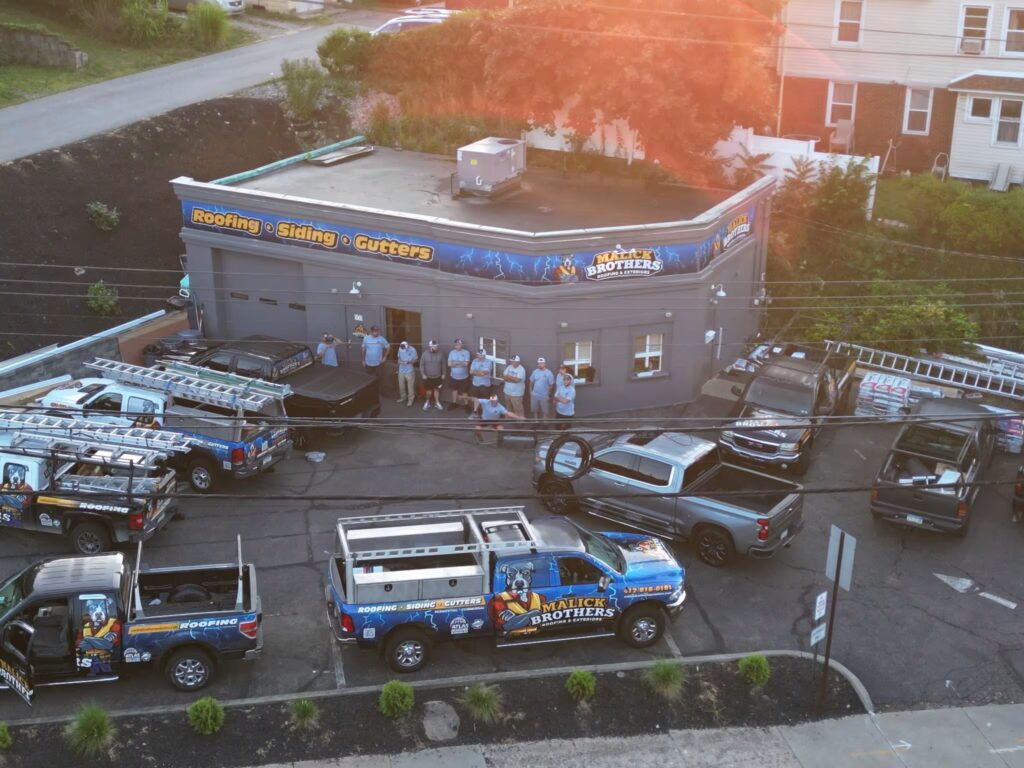
Work with a trusted contractor like Malick Brothers Exteriors to select materials and designs that stand up to heavy snow and ice. Proactive choices now can save you from another costly replacement down the road.
Final Word: Don’t Wait for the Next Storm
The signs of roof damage Pittsburgh homeowners face after snowstorms should never be ignored. Even small leaks or a few missing shingles can escalate into major problems once spring rains arrive.
If you suspect damage, act quickly. Schedule a professional snowstorm roof inspection, review your insurance coverage, and decide whether repair or replacement is your best move. Winter weather is hard enough on Pittsburgh homes—your roof shouldn’t be another source of worry.