Pittsburgh homeowners usually ask us two questions in the same phone call. Is my roof actually done, or can it be repaired one more time? And if it is done, when is the best time to replace a roof around here? Both answers depend on what the shingles look like up close, what the attic looks like underneath, and what the weather is doing when the crew shows up.
We are Malick Brothers Exteriors, a family owned roofing company founded in 2022 by Ryan Malick and based at 500 Perry Highway in West View. We replace roofs across the North Hills and the city twelve months a year, including January. This guide covers the signs that a roof has reached the end of its life, the honest repair versus replace test we use on every inspection, and what each Pittsburgh season means for a roof replacement in Pittsburgh.
Signs your roof is done, not just tired
No single sign forces a replacement. Two or three together usually do. Here is what we look for from the ground, from the ladder and from inside the attic.
The roof is past 20 years old
Most three tab asphalt roofs in the Pittsburgh area last about 20 years. Architectural shingles often run longer, but the asphalt still dries out and the granules let go even when the roof looks fine from the street. If you do not know the age, ask the previous owner or let us estimate it from the shingle style and wear during a free roof inspection.
Shingles are curling, cracking or missing
Curled and cupped shingles can no longer shed water. Cracked shingles mean the asphalt has become brittle. A few missing tabs after a windstorm can be repaired. Missing shingles across several slopes mean the seal strips have failed everywhere, and the next storm will take more.
Granules in the gutters and bald spots
Granules protect the asphalt from sunlight. Piles of them at the downspout outlets, or dark bald patches on the slopes, mean the shingle is wearing through. This is one of the clearest end of life signs and it cannot be repaired.
Water stains, damp insulation or daylight in the attic
Go into the attic on a bright day and turn the lights off. Pinpoints of light around the chimney, vents or valleys mean water is getting in. Dark streaks on the rafters, matted insulation and a musty smell point to leaks that have been there a while. A single leak at a pipe boot is a repair. Leaks in several places on an old roof are a replacement.
Moss, algae and lifted shingles
Black streaks are algae and are mostly cosmetic on a younger roof. Thick moss is different. It holds water against the shingle and lifts the edges, which lets wind and ice get underneath. Moss on a north facing slope of an older roof usually means the shingles are already soft.
Sagging decking or a wavy roofline
Dips between the rafters mean the decking has been wet long enough to lose its strength. This is a structural problem, not a shingle problem. If you see a sag, call a roofer soon rather than waiting for spring.
Flashing that has rusted or pulled away
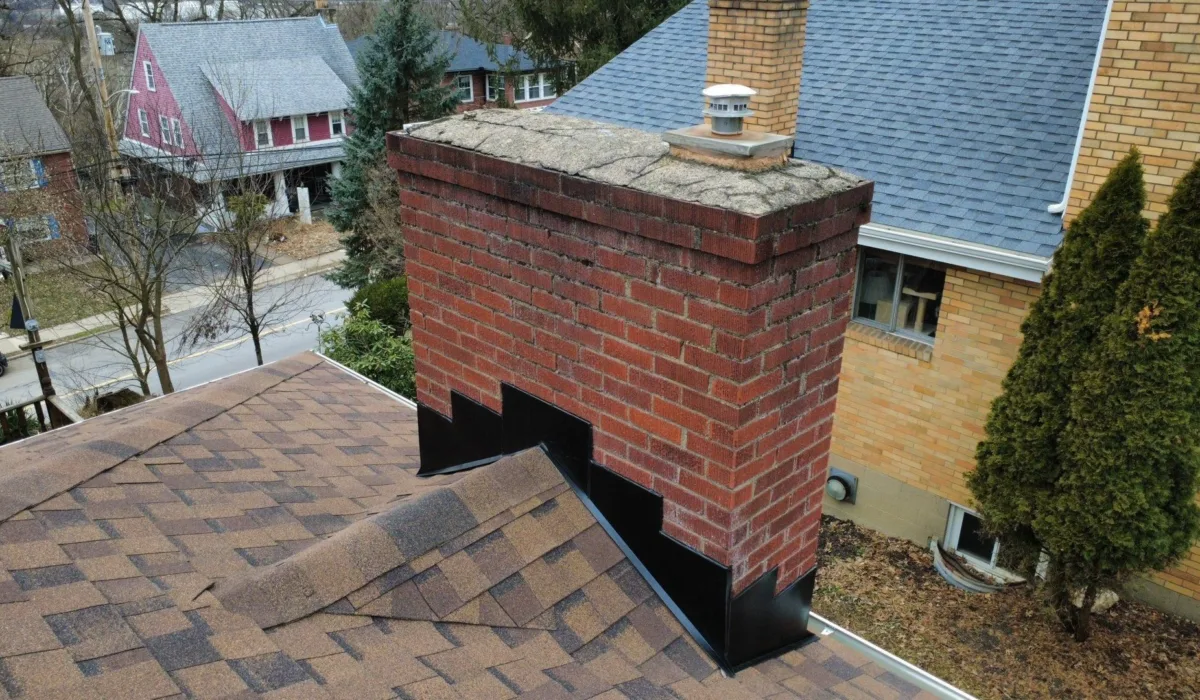
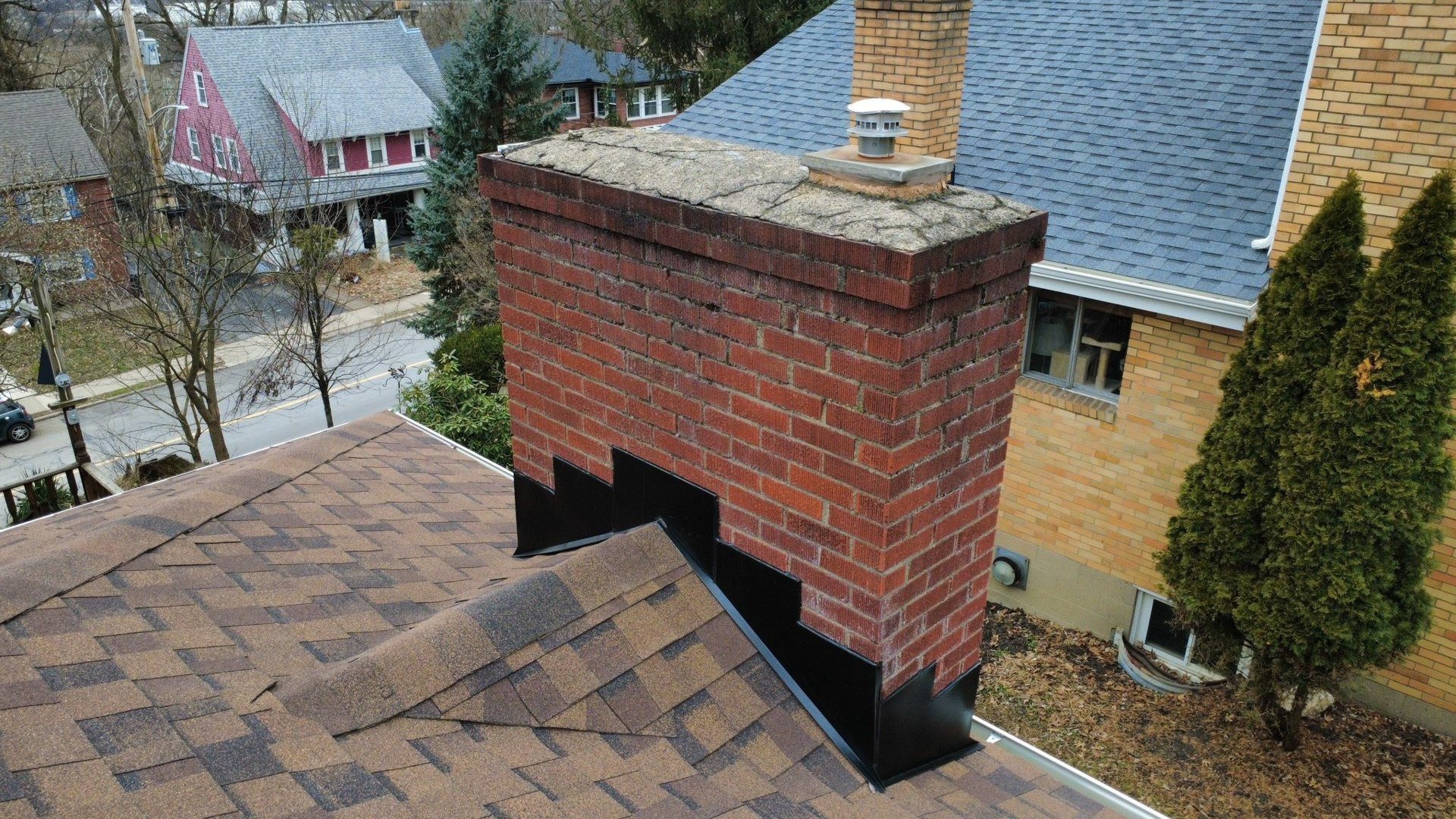
Most leaks start at the flashing, not in the field of the roof. Rusted step flashing, counter flashing pulled out of the chimney mortar, or a cracked pipe boot can all be fixed on a roof with life left in it. On a 20 year old roof we usually recommend replacing everything at once so the new flashing is sealed under new shingles.
Rising heating and cooling bills
An old roof with blocked soffit vents and no ridge vent makes the attic hot in July and lets heat escape in January. A new roof system with proper intake and exhaust ventilation is often the first time a Pittsburgh home gets ventilation done right.
Repair or replace: the test we use
We do not sell a new roof to a house that needs a repair. On every inspection we run the same checklist.
| What we find | Usually a repair | Usually a replacement |
|---|---|---|
| Age of the roof | Under 15 years | Over 20 years |
| Damage location | One slope, one flashing, one storm | Several slopes, widespread granule loss |
| Shingle condition | Flexible, seals still bonded | Brittle, curled, bald or cracked |
| Leaks | One identifiable source | Multiple leaks or stained decking in several spots |
| Decking | Solid when walked | Soft spots or visible sag |
| Layers | One layer | Already two layers (a second layer cannot be added) |
| Repair history | First repair | Third or fourth patch in a few years |
Pennsylvania follows the International Residential Code, which does not allow a new layer of shingles over a roof that already has two. Many older homes in Bellevue, Ross Township and the city neighborhoods already carry two, so a tear off is required and the decision is made for you. The rules are in Chapter 9 of the IRC.
If the answers fall mostly in the repair column, our roof repair division handles it and tells you honestly how many years you have left. If they fall in the replacement column, patching is money spent on a roof that will still need to come off.
When is the best time to replace a roof in Pittsburgh?
The short answer: before the roof fails, in whatever season that happens to be. Pittsburgh roofs can be replaced in every month of the year when the crew follows the manufacturer's installation requirements. Each season still has real tradeoffs. Pittsburgh sees freeze and thaw cycles most of the winter, heavy wet snow, spring rain and humid summers, so shingles here flex and contract more than in much of the country.
Spring (March to May)
Spring is when winter damage shows up. Ice dams, wind lifted shingles and chimney leaks all surface as the snow melts. Temperatures are usually warm enough for shingles to self seal, and schedules are more open than they will be by June. The downside is rain. Pittsburgh springs are wet, a tear off needs a dry window, and we will not open a roof on a day with rain coming.
Summer (June to August)
Long days and warm temperatures let shingles seal almost immediately. Summer is also the busiest season for every roofer in the region, so lead times are longest. On the hottest afternoons shingles get soft enough to scuff under foot, so our crews start early. Pop up thunderstorms are the main scheduling risk.
Fall (September to November)
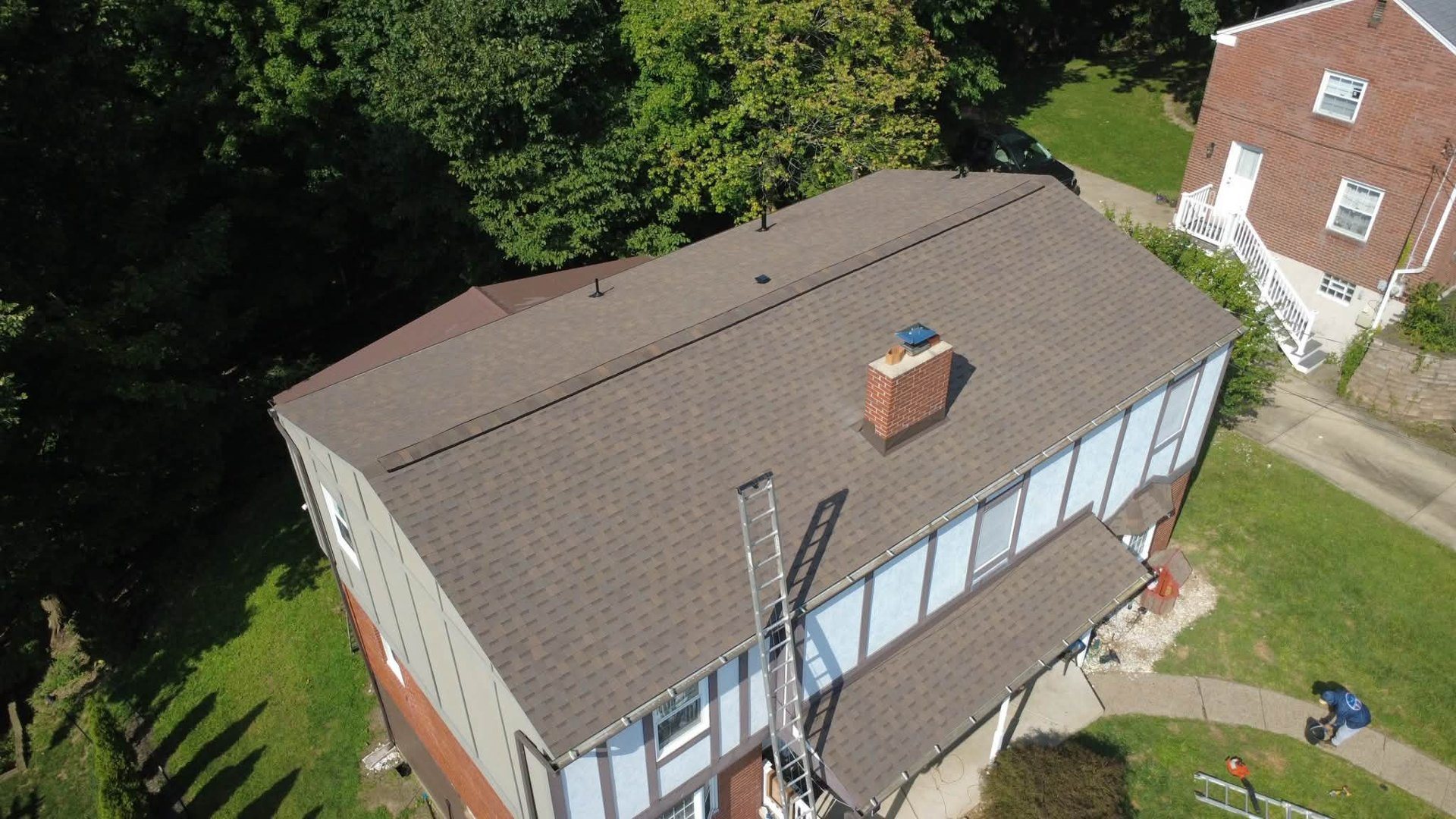
Fall is the season most homeowners ask for. Days are mild and dry, shingles still seal well in the afternoon sun, and the roof is new before the first snow. Because everyone wants a fall roof, calendars fill fastest. If you want your roof done in October, call us in August.
Winter (December to February)
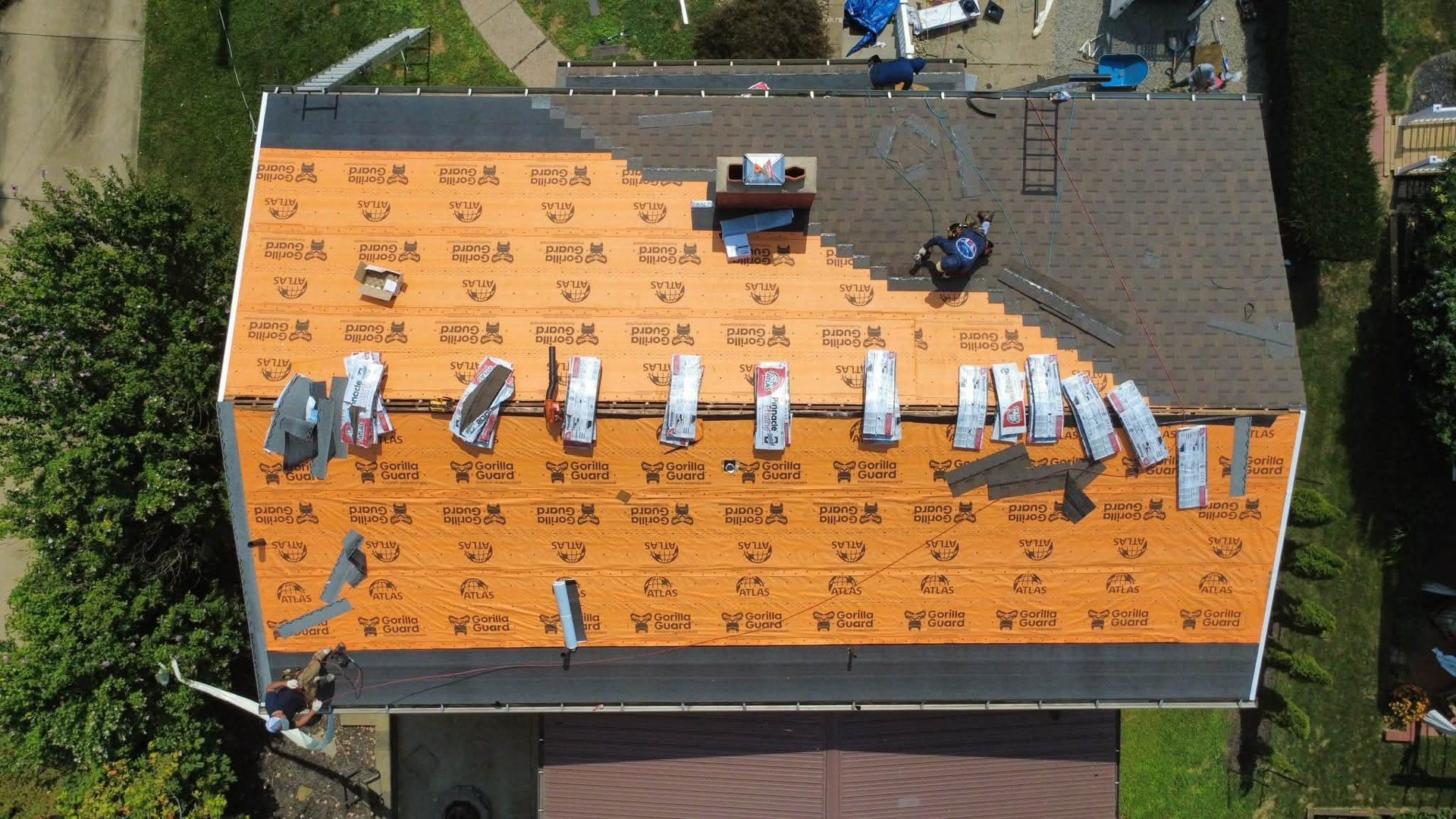
Here is where Pittsburgh roofing differs from the generic advice online. We work all winter. Winter has the most open schedules of the year, and a roof leaking in January cannot wait for April. Cold weather does change how a roof must be installed, and this is where the crew matters more than the calendar.
- Asphalt shingles have a thermal seal strip that needs warmth from the sun to bond. Below the temperature the manufacturer specifies, the strip may not activate for weeks. Our crews hand seal shingles in the cold so they are wind resistant the day they go on.
- Cold shingles are stiff. They are stored warm and nailed carefully so they do not crack.
- Ice and water shield is applied at the eaves and valleys on every roof we install, which matters most for homes that fight ice dams every February.
- Snow is cleared from the deck before any underlayment goes down, and we only open as much roof as we can close the same day.
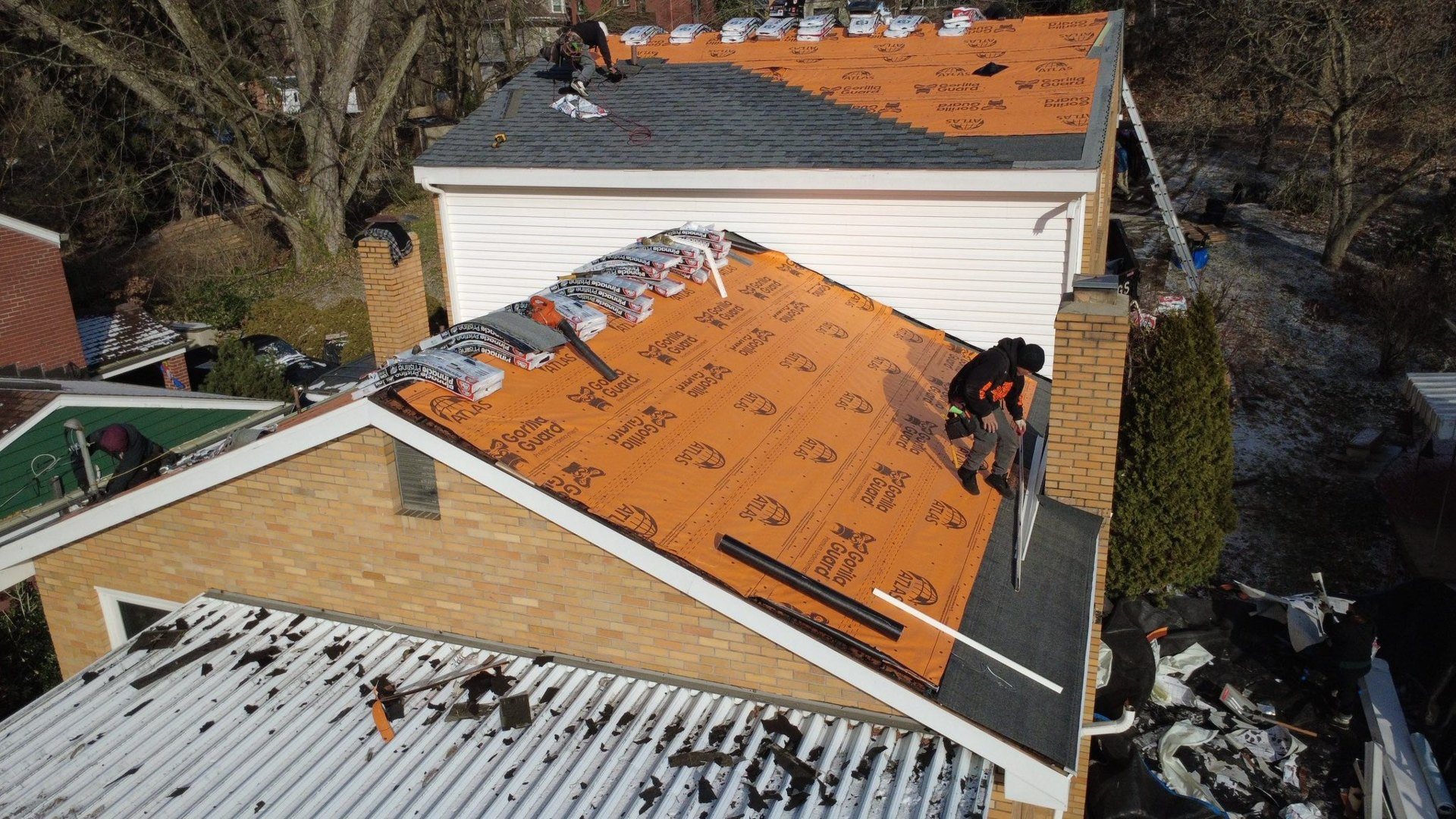
As an AtlasPro+ Platinum Select contractor we follow Atlas installation requirements in every season, which is what keeps the Atlas 50 year warranty valid on a complete Atlas roof system. Metal roofing is even less sensitive to cold, so a standing seam metal roof is a good fit for a winter install.
Which season is cheapest?
Roofing materials cost roughly the same all year. What moves between seasons is demand. Late fall through late winter has the most open crew days and the most scheduling flexibility, and summer and early fall have the least. What drives your quote far more than the month is the size and pitch of the roof, how many layers come off, how much decking needs replaced, the number of penetrations and valleys, and the shingle line you choose. Our free written estimate lists those items, and we offer financing so timing does not have to wait on a lump sum.
What to do if you think your roof is done
- Look from the ground. Walk the house and note curling, missing or discolored shingles and any sag in the ridge.
- Check the attic. Look for daylight, stains, damp insulation and signs of mold.
- Check the gutters. Granules at the outlets are an age sign. Note whether the gutters and fascia are sound, since they are easiest to replace while the roof is open.
- Get a written inspection. A roofer should walk the roof, photograph what they find and explain whether repair or replacement makes sense. Ours is free.
- Verify the contractor. Look up any roofer at the PA Attorney General HIC search. Our registration is PA174918 and we are BBB A+ accredited.
- Pick the season that fits. A leaking roof gets replaced now. A tired but dry roof can be scheduled for the window you prefer.
Frequently asked questions
My roof is 20 years old. Should I replace it?
Not automatically, but it is time for a real inspection. A 20 year old asphalt roof with granule loss, curling or more than one leak is at the end of its life. One that is flat, flexible and dry may have a few more years. Age tells you when to look closely, and the shingle condition tells you what to do.
Can a roof be replaced in winter in Pittsburgh?
Yes. We replace roofs all winter. The crew follows cold weather installation steps, including hand sealing shingles, keeping bundles warm, clearing snow from the deck and closing every opened section the same day. A winter roof installed this way carries the same manufacturer warranty as one installed in summer, and it stops an active leak months sooner than waiting for spring.
What is the cheapest time of year to replace a roof?
Materials cost about the same year round. Demand is lowest from late fall through winter, which is when schedules are most open and roofers have the most flexibility. The biggest factors in your quote are roof size, pitch, layers to remove, decking repairs and the shingle you pick, not the month. A free written estimate shows exactly where the cost comes from.
How long does a roof replacement take?
Most single family homes in the Pittsburgh area are torn off and reroofed in one to two days. Larger or steeper roofs, multiple layers, extensive decking repair or low slope sections that need EPDM can take longer. We put the expected schedule in writing before the crew arrives and we do not leave a roof open overnight.
Should I repair a few missing shingles or replace the whole roof?
If the roof is under about 15 years old and the damage is limited to one area, a repair is the right call and we will do it. If the roof is past 20, the shingles are brittle, or it has been patched more than once, a repair buys months rather than years.
What is the 25 percent rule in roofing?
Some states and insurers use a rule that when more than a quarter of a roof needs work, the whole section should be replaced instead of patched. Pennsylvania does not write that rule into its residential code, but the logic holds. Once damage covers a large share of the roof, matching old and new shingles becomes impossible and the undamaged areas are usually near the end of their life anyway.
Ready for a straight answer about your roof?
If you are seeing any of the signs above, we will walk the roof, photograph what we find and tell you honestly whether it is a repair or a replacement, then help you pick the season that works, including this winter. Schedule your free roof inspection with Malick Brothers Exteriors today.