
Table of Contents
I’ve climbed onto more flat commercial roofs than I can count. Some looked rough from the parking lot and needed nothing more than a weekend patch. Others looked perfectly fine and were quietly rotting from the inside out. What you can see from the ground tells you almost nothing. So if you’re not sure whether your commercial roof can be repaired, the honest answer is that it depends on a handful of specific clues most owners walk right past.
Here’s the good news, though. Minor punctures, a lifted seam, a few small blisters — those are usually fixable, especially on a younger roof. Trouble starts when the damage stops being a spot and becomes a pattern. Below, I’ll walk you through exactly what I look for, in plain language, so you can make a smart call before you spend a dime.
Ponding Water Is the Problem You Can’t See From the Ground
Water that lingers after a storm is the single biggest red flag I check for. There’s actually a hard benchmark here, and it’s worth knowing. The Asphalt Roofing Manufacturers Association and the National Roofing Contractors Association both treat standing water as a genuine problem once it sits longer than 48 hours after rain. If your roof drains and dries within that window, you’re usually fine. If it doesn’t, that water is slowly cooking your membrane and the adhesives holding everything together.
Why does it matter so much? Standing water is heavy — one gallon weighs over eight pounds, and a big pond can add up to thousands. It grows algae, traps debris, and freezes and thaws all winter long, prying seams apart a little more with every cycle. When ponding has been ignored for years, the membrane breaks down across wide areas. At that point a patch won’t save it, and a full roof replacement becomes the responsible move rather than a sales pitch.
Soft Spots and Flashing Tell You What’s Happening Underneath
Walk your roof. I mean it — actually walk it, slowly, corner to corner. If the surface feels soft, spongy, or gives a little underfoot, moisture has already worked its way beneath the membrane and started rotting the decking below. By the time you can feel it, the wood or metal deck is often already compromised. That’s a structural problem, not a surface one.
Flashing is the other quiet troublemaker. Those metal transitions around curbs, vents, skylights, and HVAC units are where most leaks actually begin. Sloppy or lifted flashing lets water sneak in where you’ll never notice it until a ceiling tile turns brown. Good roof repair often comes down to re-sealing these details correctly. But if water has been hiding behind them for years, the fix runs a lot deeper than a bead of caulk.
Age Matters More Than You’d Think
A roof’s birthday tells you a lot. Most commercial systems — TPO, EPDM, modified bitumen — are built to last somewhere between 15 and 30 years. Early in that window, repairs make sense and buy you real time. Late in it, you’re often just delaying the inevitable.
I once watched an owner drop eight grand patching a 24-year-old roof, then replace the whole thing eighteen months later anyway. That’s the trap. If your system is near the end of its life and leaks keep surfacing in new places, the math almost always favors starting fresh. A roof that fails in one spot after another is trying to tell you something. Listen to it.
When a Repair Is the Smart Money
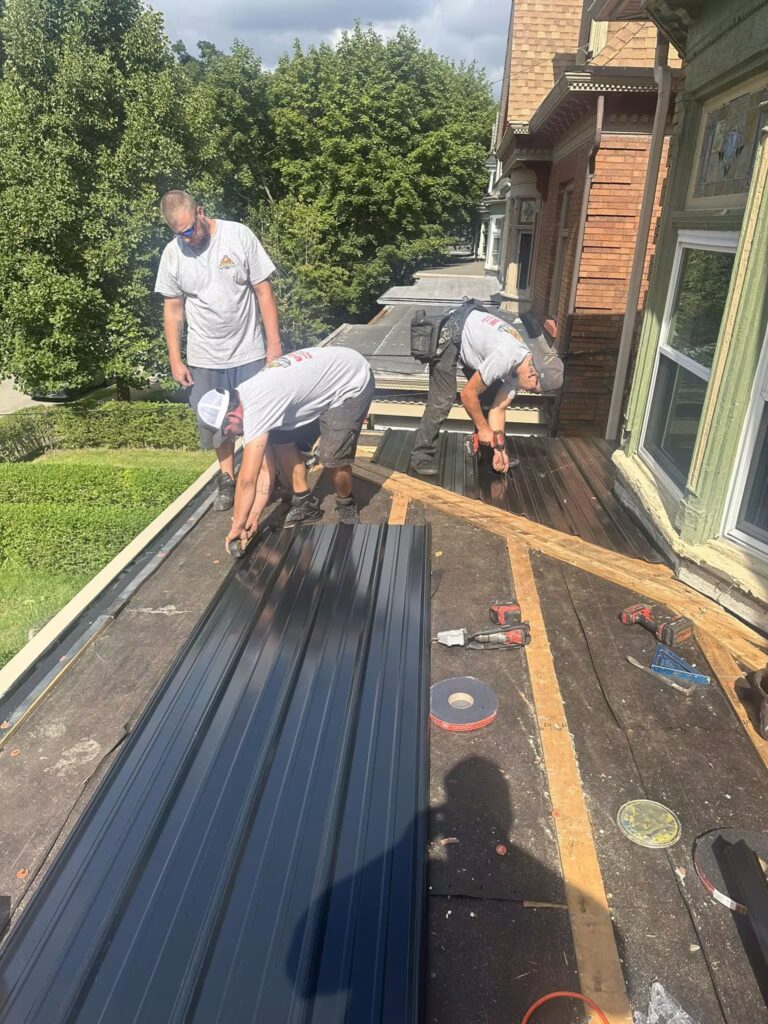
Not every problem needs a tear-off — far from it. If your roof is young, structurally sound, and the damage is isolated, a targeted repair or a protective coating can add five years or more for a fraction of replacement cost. That’s a genuinely good deal, and I recommend it all the time. My job isn’t to sell you the biggest job; it’s to sell you the right one.
The test I use is simple. Is the damage a spot, or a pattern? One bad seam is a repair. Ten failing seams across three sections is a symptom of something larger. If you want a deeper breakdown of the warning signs, this guide on Signs Your Commercial Roof Needs Repair vs Replacement lays out the differences in plain terms.
Who Is Responsible for Roof Repairs in a Commercial Lease?
This one trips up tenants and landlords alike. In most commercial leases, responsibility hinges entirely on the lease type. Under a triple-net (NNN) lease, the tenant often shoulders roof maintenance and repairs. Under a gross lease, that burden usually lands on the landlord instead.
My advice? Read the exact language before anything leaks, not after. Pay attention to who covers “structural” items versus “maintenance” items, because a roof can straddle both categories. When it reads as murky, a quick call to your attorney beats a five-figure surprise down the road. And keep records of every inspection — they carry real weight the day responsibility gets disputed.
What Does a Commercial Roofer Do?
A good commercial roofer does far more than lay down material. We inspect and diagnose, separating cosmetic wear from structural trouble. We handle installation, repairs, coatings, and full replacements, and we sweat the drainage, flashing, and insulation details that quietly make or break a flat roof. The diagnosis, honestly, is the most valuable part of the whole thing.
A reputable commercial roofing contractor also documents everything — photos, moisture readings, a written scope you can actually understand. If someone quotes you a full tear-off without ever setting foot on the roof, be skeptical. The best contractors will happily tell you when you don’t need them yet.
How to Replace a Commercial Roof
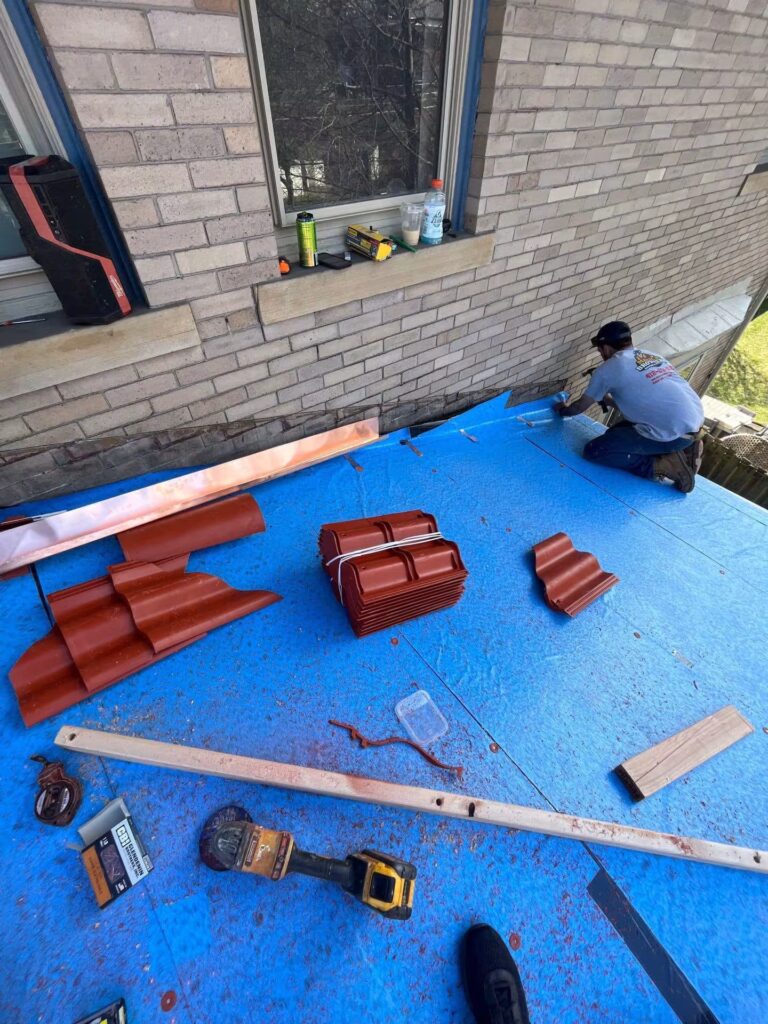
When replacement really is the answer, here’s roughly how it unfolds. First comes a full inspection and moisture survey to map where the damage actually lives. Then the crew removes the old system down to a sound deck — or, when code and condition allow, recovers over the existing one. Damaged decking gets repaired, fresh insulation and a new membrane go down, and every seam, drain, and flashing detail is sealed tight.
A quality install wraps up with a final inspection and a manufacturer warranty in your hands. The whole process can run anywhere from a few days to a few weeks depending on square footage and weather. It’s a bigger investment up front, no question. But a roof replacement done properly once beats a string of patches that never quite hold.
Not Sure Whether Your Commercial Roof Can Be Repaired? Here’s How to Tell at a Glance
Let me put it all in one place. Here’s the quick field check I run through in my head before I make any recommendation.
| What you notice | Likely repairable | Points toward replacement |
|---|---|---|
| Leaks | One or two, same spot | Multiple, spread across the roof |
| Water pooling | Drains within 48 hours | Sits 48+ hours, membrane breaking down |
| Underfoot feel | Firm and solid | Soft, spongy, or sagging |
| Roof age | Under ~15 years | Near or past 20–30 years |
| Damage type | Isolated puncture or seam | Widespread cracking or rot |
If your roof lands mostly in the left column, you’ve likely got a repair on your hands and some good years left. If it’s drifting right, it’s time to start planning a replacement. When it’s a genuine mix of both, that’s exactly the moment a professional inspection earns its keep.
One Last Thing Before You Call Anyone
Trust your feet and your records more than your eyes. A roof that looks rough can be perfectly fixable, and a roof that looks pristine can be quietly failing underneath. If you’re still not sure whether your commercial roof can be repaired, get a real inspection, ask for photos, and base the decision on patterns rather than panic. Spend the money where it actually extends the life of the building — no sooner, and definitely no later.