The short answer, with the right mindset
Replacing a roof that is not leaking can feel unnecessary. Yet roofs age like any system, and performance often declines before water ever shows up indoors. If your shingles are approaching their expected lifespan, now is the time to plan, and the best first step is a residential roof inspection that tells you where your roof really stands. A proactive roof replacement can prevent hidden damage, steady your budget, and protect your building envelope. That is true for homes and commercial roofing alike.
Should I replace my roof if it is not leaking?
Under normal conditions, no, you do not replace a healthy system just because of its birthday. But context matters. Installation quality, attic ventilation, weather exposure, and maintenance history all influence wear. Pittsburgh roofs see freeze and thaw cycles all winter, heavy summer storms, and plenty of shade from mature trees on hillside lots, and all of that adds up. If your roof is within a few years of its rated life, the risk of surprise leaks rises. Planning early lets you schedule work, compare bids, and choose materials without the pressure of an active issue.
Should I replace my 20 year old roof?
At 20 years, most architectural asphalt roofs are in the "watch closely" phase. Some last longer with excellent ventilation and low storm exposure; others reach the end of their life sooner. Look for accelerating signs of an aging roof: granule loss, curling, cracking, and brittle tabs. If you are seeing multiple symptoms, a targeted inspection will tell you if strategic repairs will buy time, or if replacement is the smarter play. Either way, begin budgeting so you are choosing on your timeline.
Should I replace my roof if it is not leaking? Pros and pitfalls
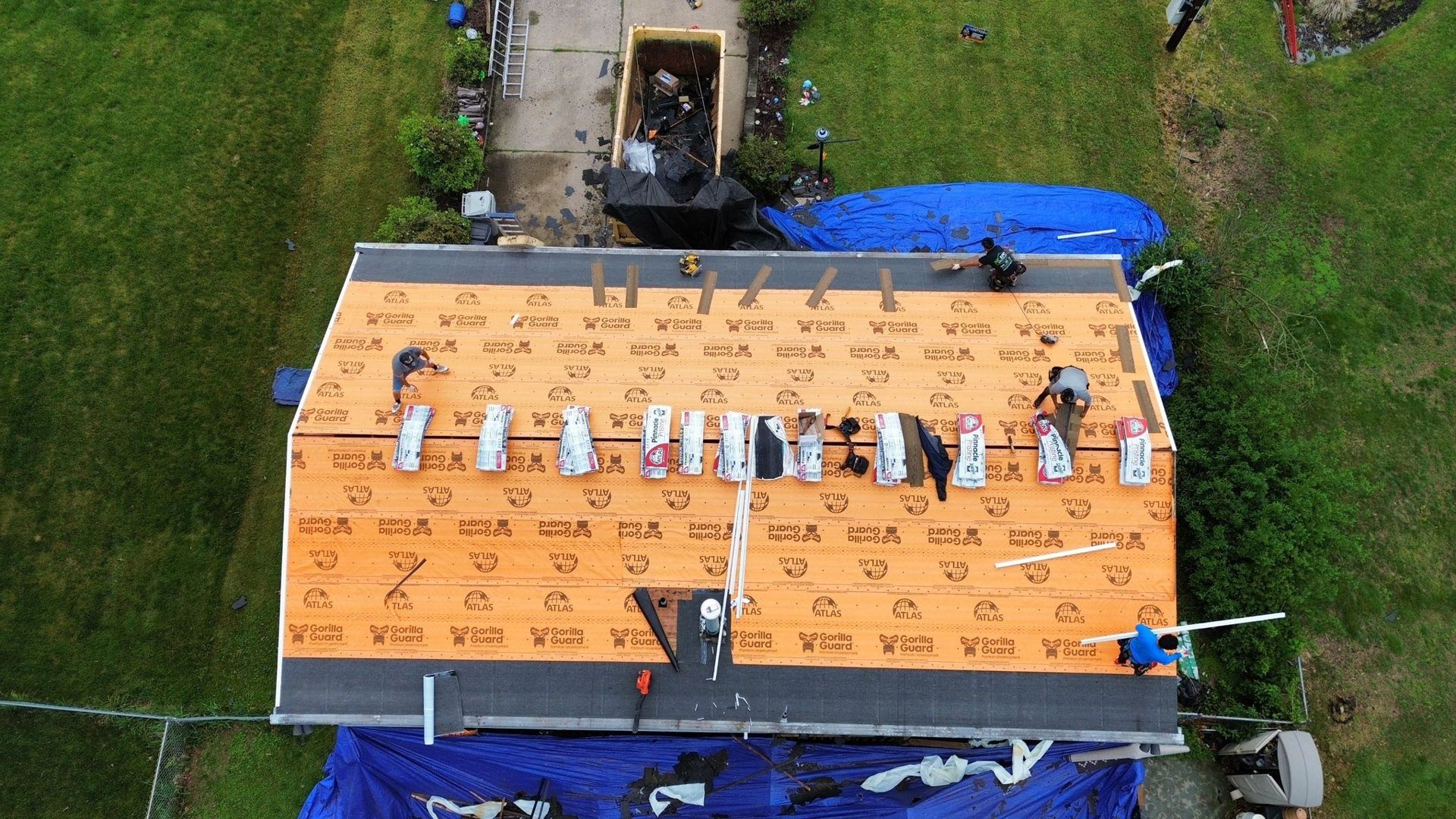
The upside of proactive work is control. You avoid rushed emergency scheduling, coordinate around your calendar, and protect interiors from slow, invisible moisture. You also get to improve the whole assembly, including underlayment, ventilation, and flashing, not just the shingles. The downside is spending before a failure happens. Weigh it against the risk of rot, insulation damage, mold, or ruined finishes that often accompany late stage leaks in both homes and commercial buildings.
How do you know it is time to replace a roof?
Visual cues tell a clear story if you know where to look.
- Granule trails: Check gutters and downspouts for piles of colored grit. That is UV protection washing away.
- Shingle distress: Cracks, curls, lifted edges, or widespread blistering signal the end of a roof's life.
- Missing shingles: Wind can expose underlayment and speed deterioration.
- Biological growth: Moss holds moisture against the surface; streaky algae is more cosmetic but may accompany age.
- Deck movement: Sagging planes or spongy spots underfoot suggest structural concerns and merit immediate evaluation.
When to call a pro
Schedule an inspection after major storms, and once a year when your roof crosses into the middle and late part of its lifespan. Ask for photos, a written condition report, and recommendations ranked by urgency. When we inspect a roof, we walk it, check flashing, vents, and penetrations, look in the attic when we can, and give you a free written estimate if work is needed. If you are weighing repair against replacement, our roof repair page explains what a repair can and cannot fix.
How old can a roof be before insurance calls it too old?
Insurers underwrite risk, and older roofs represent more of it. Some carriers tighten terms, raise premiums, or limit certain claims once a roof passes a set age, especially for three tab shingles. Others may require proof of condition or a recent inspection. You cannot control carrier rules, but you can control documentation. Keep maintenance records, photos, and inspection summaries to show that your aging roof is still performing as designed, and check your own policy for the exact terms.
Materials and lifespan at a glance
A roof's life is not just about shingles; the assembly includes underlayment, ventilation, flashing, and penetrations. Still, material category offers a useful benchmark.
| Roofing material | Typical lifespan (range) | Notes you can act on |
|---|---|---|
| Architectural asphalt | 20 to 30 years | Ventilation and installation quality are decisive. |
| Three tab asphalt | 15 to 25 years | More sensitive to age in hail and high wind areas. |
| Metal (steel or aluminum) | 40 to 60 years or more | Strong wind and snow resistance; higher initial investment. |
| Standing seam metal | 50 to 70 years or more | Excellent for shedding snow. |
| Tile (concrete or clay) | 50 to 100 years or more | Underlayment wears out sooner; watch for breakage. |
| Low slope membranes (TPO, PVC, EPDM) | 20 to 30 years or more | Detailing at seams and penetrations drives results. |
Use these ranges as planning tools, not guarantees. Local climate and workmanship can shift real world outcomes by years. For a closer look at the options we install, see our roof materials overview.
Budgeting and timing: replace on purpose, not in panic
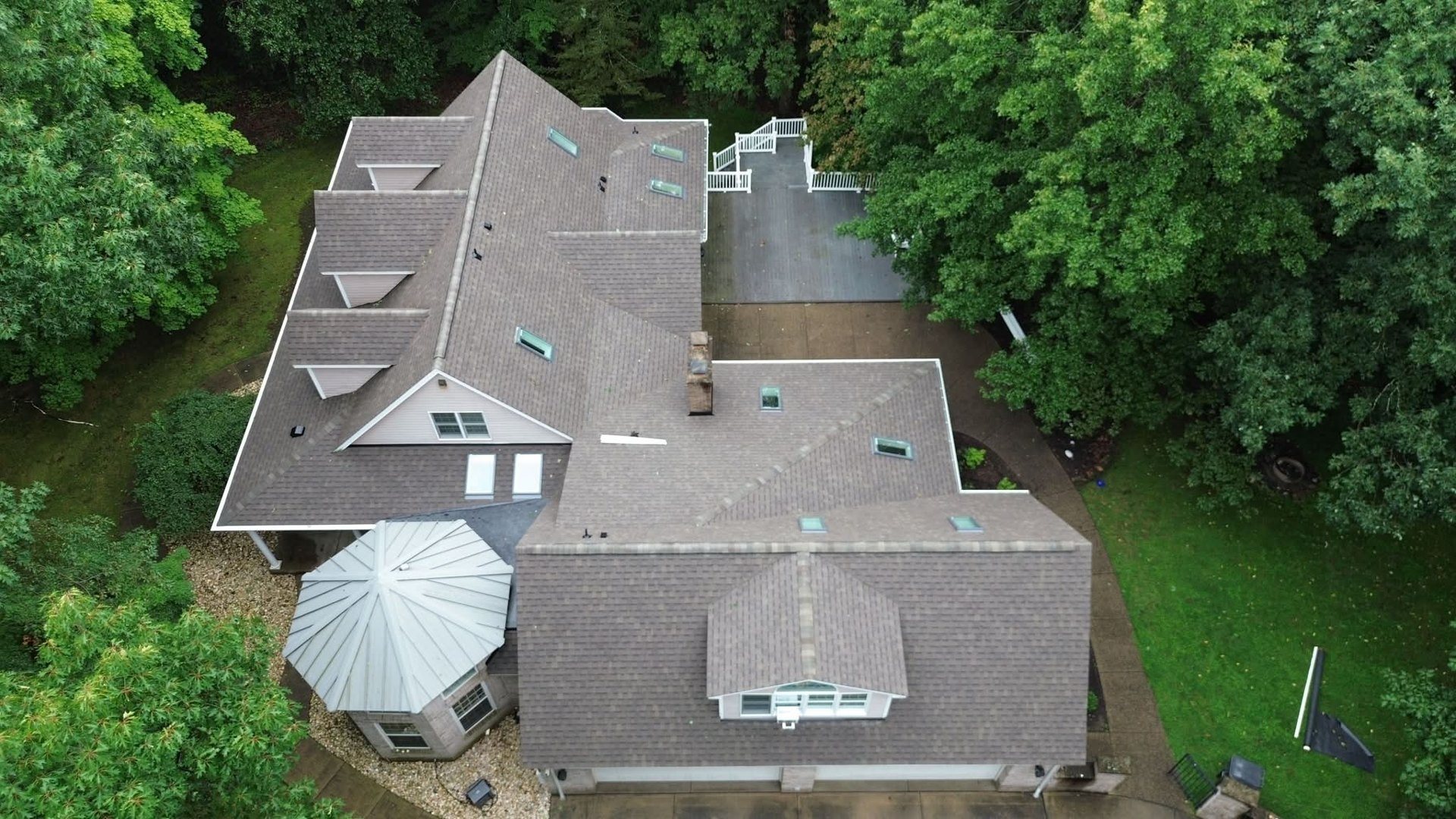
Strong projects start with timing. If you are within the last 10 to 20 percent of expected life, gather estimates before the busy season. Ask contractors to include ventilation upgrades and flashing replacement, not just shingles, so your replacement improves the entire system. What drives the cost is roof size, pitch, the number of layers coming off, deck condition, and the material you choose, so a written estimate after an inspection is the only real number. Build a reserve line item so storms do not force rushed decisions, and ask about financing if spreading out payments helps.
Value you can measure
A clean, well detailed roof helps with energy efficiency, curb appeal at resale, and peace of mind. For sellers, buyer objections often focus on roof age, and removing that hurdle can smooth negotiation. For owners staying put, the reduced risk of interior damage and disruption is its own return.
Maintenance moves that extend useful life
Even if you are not replacing soon, act like the asset manager. Keep trees trimmed back, clean gutters twice a year, and keep foot traffic off the roof. After storms, walk the perimeter and scan for lifted shingles or displaced flashing. For streaking, consider gentle soft washing rather than harsh pressure washing. Commercial owners should put semiannual inspections on the calendar and keep a log of every repair.
A simple decision framework you can trust
Use this three part filter to decide quickly and confidently:
- Age: Within the final 20 percent of rated life? Start planning.
- Condition: Two or more end of life signs present? Get bids for replacement.
- Risk tolerance: Low tolerance for disruption or interior damage? Favor proactive work.
If you are on the fence, price both paths. A targeted repair may safely bridge one or two more seasons, while a full replacement may be the better total cost decision once repairs become frequent.
Frequently asked questions
Can a roof look fine from the ground and still need replacing?
Yes. Worn underlayment, soft decking, and failing flashing are often invisible from the yard. An inspection with photos shows what the ground view misses.
Is it better to replace a roof before winter in Pittsburgh?
If your roof is near the end of its life, getting it done before freeze and thaw season reduces the chance of a midwinter leak. Spring and fall both work well for planning ahead.
What warranty comes with a Malick roof?
We are an AtlasPro+ Platinum Select contractor, so complete Atlas roofing systems we install qualify for Atlas's 50 year warranty.
Who is Malick Brothers Exteriors?
We are a family owned roofing and exterior company founded in 2022 by Ryan Malick, with our shop at 500 Perry Highway in West View. We are BBB A+ accredited and licensed in Pennsylvania under PA HIC PA174918.
Local help, next steps

Document what you see, then schedule a photo rich inspection with a trusted contractor. Bring your goals, budget, timeline, and material preferences, and ask for a few clear options. Whether you manage a home or a commercial building, that clarity speeds up the right call.
Not sure if your roof has years left or is ready to go? Contact Malick Brothers Exteriors to schedule an inspection and get a free written estimate.