
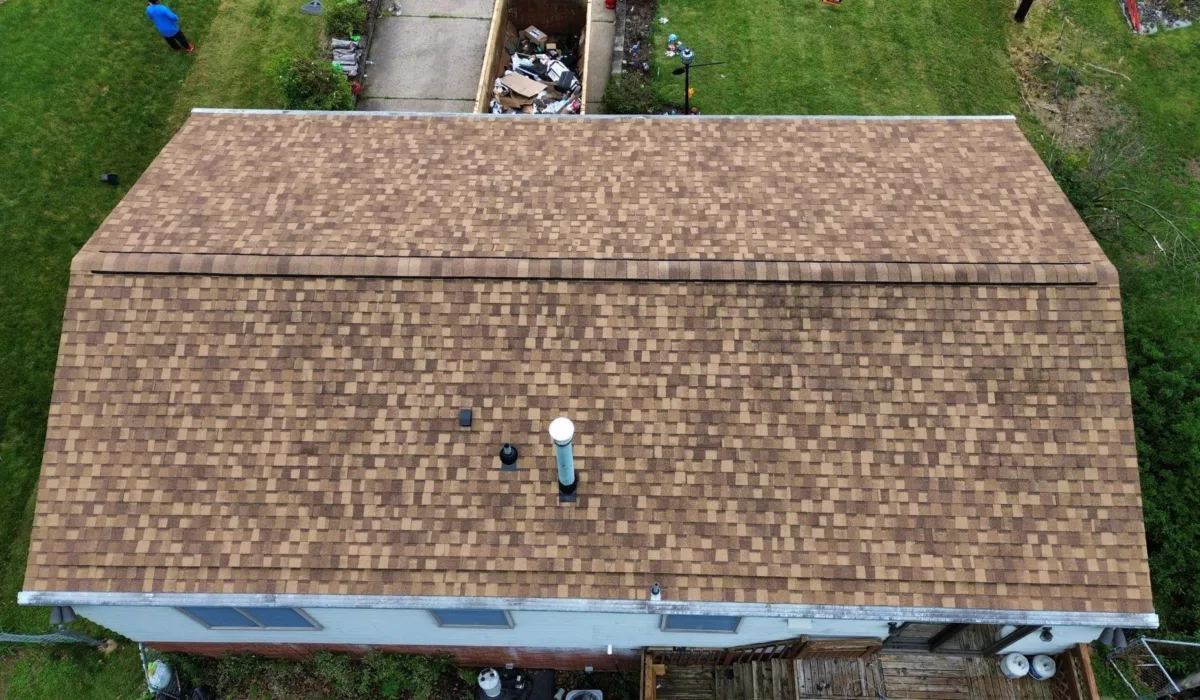
A brown ring on the ceiling a week after a new roof goes on is one of the most upsetting things a homeowner can see. You paid for a fresh roof, and now water is coming in. The first question is always the same: are roofers responsible for leaks on a roof they just installed? In almost every case, yes. A roof that was installed correctly should not leak, and when water shows up days or weeks after the crew leaves, the cause almost always traces back to workmanship rather than to the shingles themselves. This guide explains what usually goes wrong, who pays for it, what to do in the first 24 hours, and how to handle an installer who stops answering the phone.
We are Malick Brothers Exteriors, a family owned roofing company founded in 2022 by Ryan Malick and based at 500 Perry Highway in West View, in the North Hills of Pittsburgh. Our repair division handles shingle, slate, tile, flat and box gutter leaks every week, including leaks on roofs other companies installed. If you need roof repair in Pittsburgh because a new roof is letting water in, we can find the cause, document it in writing and fix it.
Are Roofers Responsible for Leaks on a New Roof?
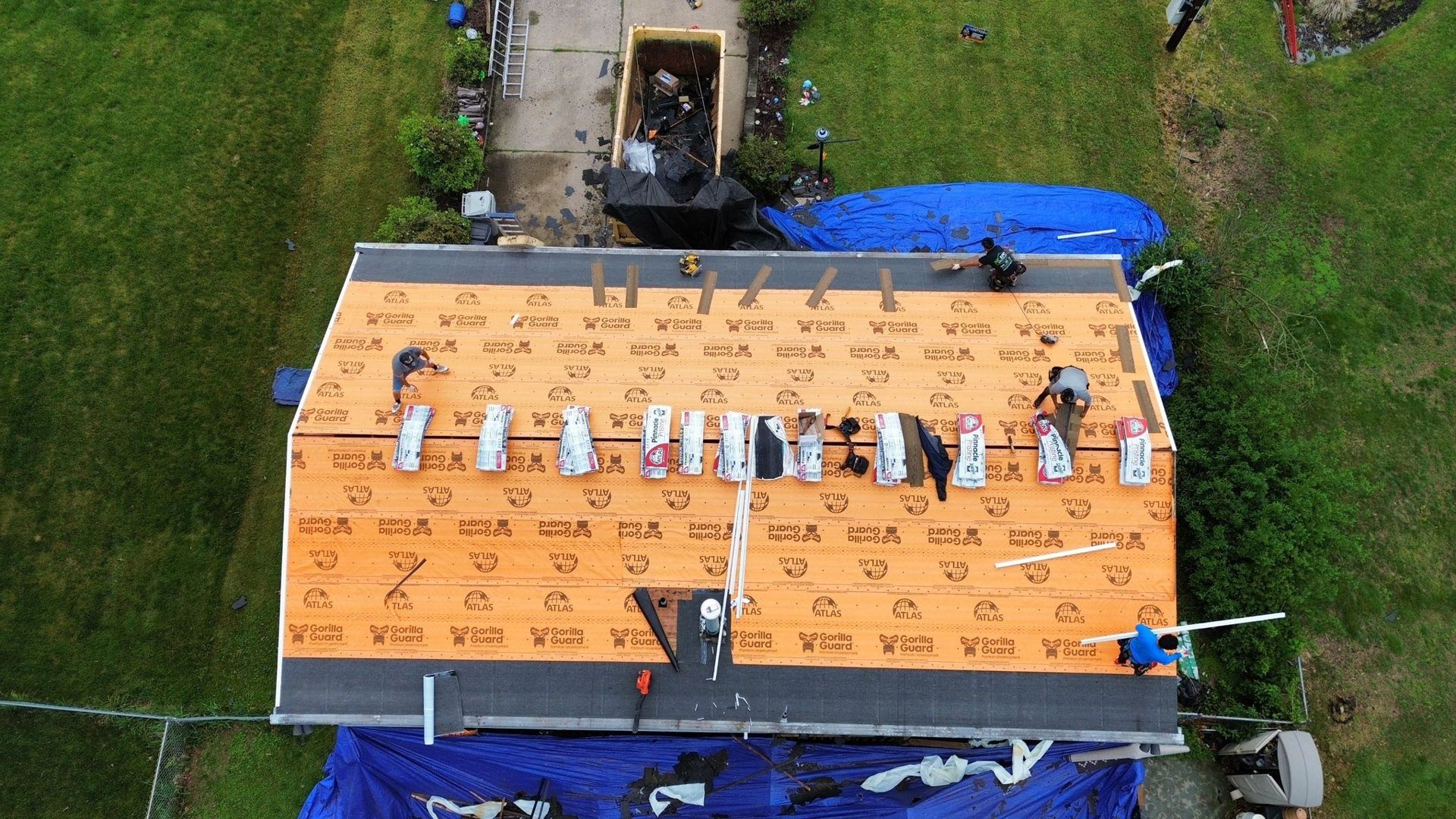
Yes, when the leak is caused by the installation. Every legitimate roofing contractor provides a workmanship warranty that covers defects in how the roof was put on. In Pennsylvania, home improvement contractors must register with the Attorney General under the Home Improvement Consumer Protection Act, and the written contract is supposed to spell out the work and any warranties. You can check whether a contractor is registered at the Pennsylvania Attorney General HIC search. Our registration is PA174918.
The workmanship warranty is separate from the manufacturer warranty on the shingles. A backed out nail, a chimney flashed wrong, a pipe boot that was never sealed, a valley cut short or an ice and water barrier that stops before the eave are all installer errors, and the installer owns them. A shingle that cracks or loses granules because of a factory defect is a manufacturer issue, and the material warranty handles it. As an AtlasPro+ Platinum Select contractor we can offer the Atlas 50 year warranty on complete Atlas roof systems, which covers the shingles, underlayment and ventilation installed together as one system.
Why a New Roof Leaks
After hundreds of leak calls across the North Hills and the city, the same handful of causes come up over and over. None of them are the fault of the homeowner.
- Flashing. Chimneys, sidewalls, skylights and dormers need step flashing and counter flashing that is woven into the shingles. Caulk smeared over old flashing is a leak waiting for the first hard rain.
- Pipe boots and vents. A plumbing vent boot that was reused, cracked or nailed on the low side will let water track down the pipe into the attic.
- Nailing. Nails driven too high, too low, at an angle or overdriven through the shingle mat will back out and leave an open hole. This is the single most common cause we find.
- Valleys. A valley that was not lined with ice and water barrier, or where the shingles were cut too close to the center line, will leak in heavy rain when water volume is highest.
- Underlayment and ice barrier. Building code in our climate calls for an ice barrier at the eaves. If it is missing or short, the first thaw after a snow sends water under the shingles.
- Decking and venting. Rotted decking that was shingled over, or attic ventilation that was blocked, can produce condensation stains that look exactly like a leak. The fix is ventilation, not shingles, and a good inspection tells the difference.
Why Does My New Roof Leak in Heavy Rain Only?
Wind driven rain finds gaps that a light shower never reaches. Water pushed sideways under a shingle edge, up a sidewall or into an unsealed valley only happens when the volume and wind are high. On a new roof this usually means a detail was skipped at a transition point rather than a problem across the whole slope. It is still a workmanship issue and still the installer's responsibility.
How Long Does It Take for New Shingles to Seal?
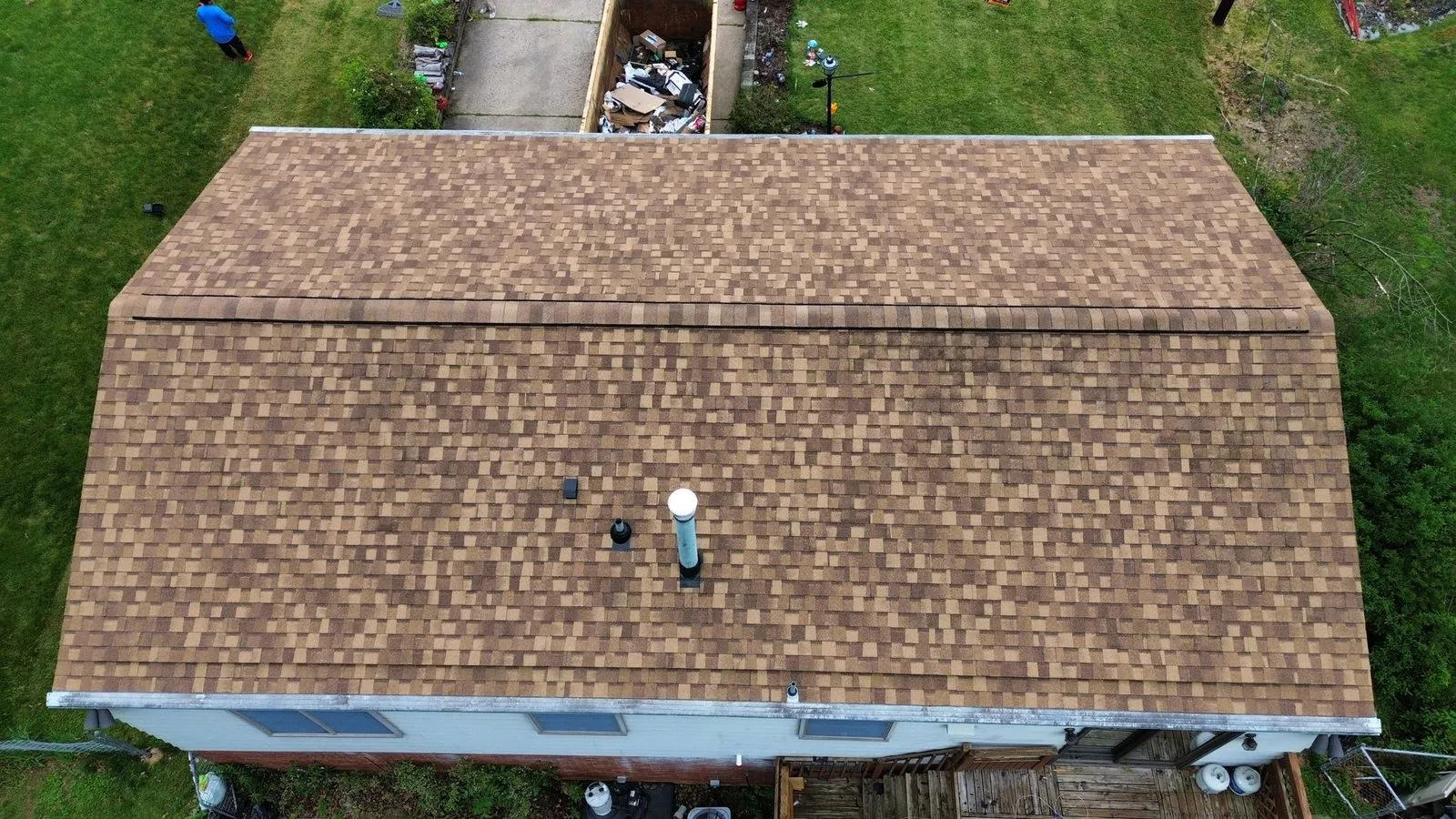
Asphalt shingles have a factory applied adhesive strip that softens with sun and heat, and the shingles bond to each other over the first several warm days. On a roof installed in a Pittsburgh November or February the tabs may not fully bond until spring, which is why hand sealing in cold months is part of a correct installation. Unsealed shingles can lift in wind, but on their own they rarely leak because the underlayment and the overlap still shed water.
What to Do in the First 24 Hours
Water is patient. A small drip today can soak insulation and start rotting decking within a week, so act the day you see the stain.
- Put a bucket under the active drip and move furniture, rugs and electronics out of the way.
- Take timestamped photos and a short video of the stain, the drip and anything that got wet. Check the attic if you can reach it safely and photograph wet insulation or decking.
- Call the company that installed the roof, in writing as well as by phone, and ask for a prompt inspection. Keep a copy of every message.
- Do not go on the roof yourself and do not let anyone patch it with roof cement before the installer sees it. Covering the evidence can give a bad contractor a reason to deny the claim.
Who Pays for the Damage
Liability follows the cause. This table shows where most new roof leaks fall.
| Cause of the leak | Who usually pays |
|---|---|
| Installation error (nails, flashing, boots, valleys, missing ice barrier) | The roofing company, under its workmanship warranty |
| Defective shingles or other materials | The manufacturer, under the material warranty, with the installer filing the claim |
| Storm damage, falling tree, wind blown debris | Your homeowner insurance, after the deductible |
| Items outside the roofing contract (old siding, skylight glass, a chimney cap, HVAC penetrations) | The homeowner or the trade responsible for that item |
Interior damage is where contracts get murky. Some workmanship warranties cover the roof repair but quietly exclude drywall, paint and flooring. Read the warranty page of your contract before the conversation. A contractor who caused the leak and then leaves you with a stained ceiling is working the fine print, not standing behind the job.
Are Roof Leaks Covered by Home Insurance?
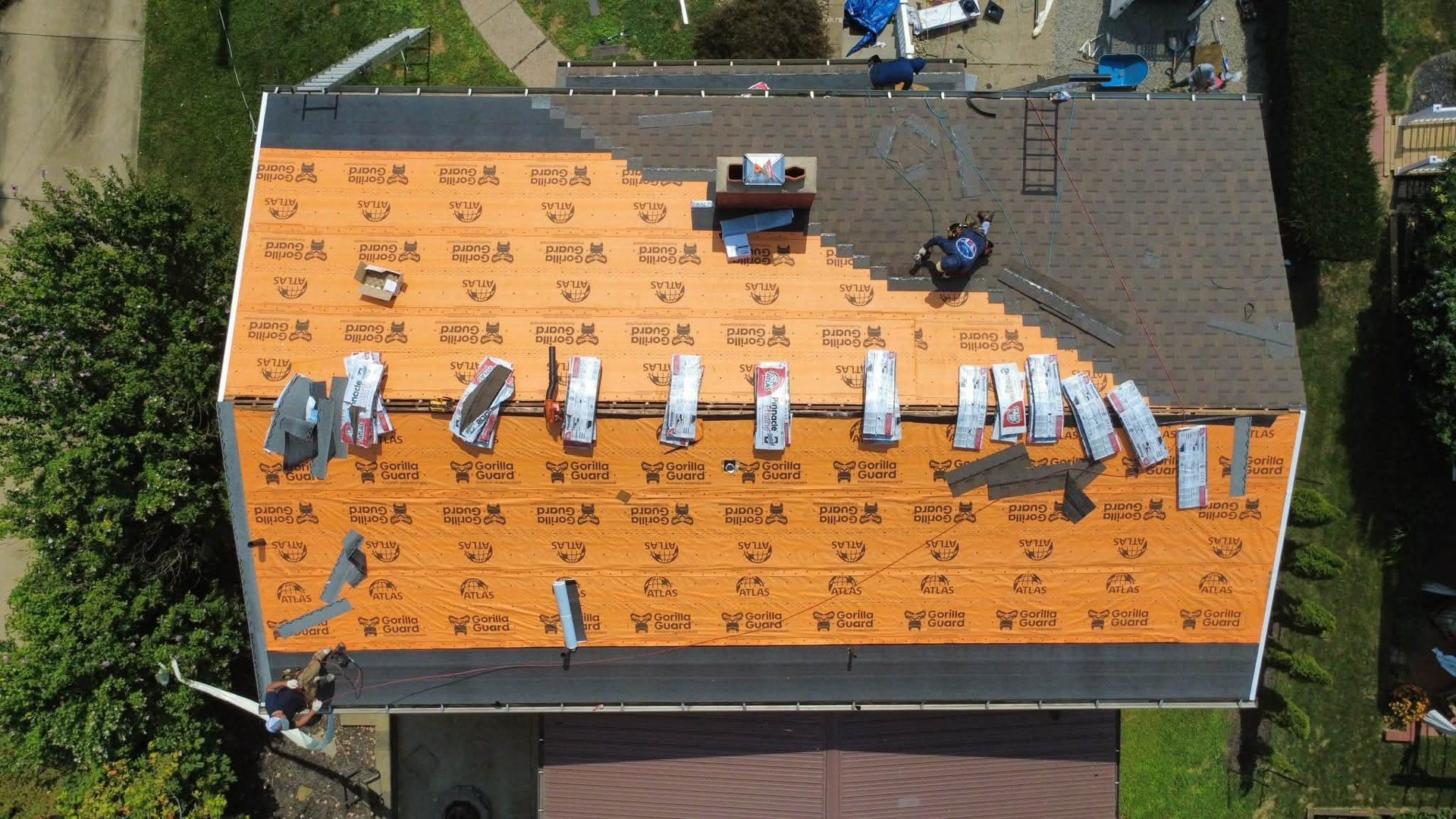
Homeowner policies generally cover sudden, accidental damage such as a windstorm tearing off shingles or a tree limb punching through the deck. They generally do not cover a leak caused by poor workmanship or by wear. For a new roof leaking in normal weather, the installer and their warranty are the first stop, not your insurer. If the installer refuses and the damage inside is significant, ask your agent whether the policy will pay the interior repair and pursue the contractor to recover the cost.
Roofer Left the Roof Exposed Overnight
This is a separate problem that leads to the same ceiling stain. A crew tears off more than it can dry in by the end of the day, rain moves in and the house takes water through bare decking. The contractor is responsible for that damage. A professional crew only strips what it can dry in the same day, and we schedule tear off in sections for exactly this reason. If your roof was left open and your home took water, photograph the open deck and the interior damage, and put the claim to the contractor in writing the same day.
How to Tell an Honest Roofer From One Who Is Dodging
When you report a leak, the response tells you most of what you need to know.
- An honest roofer comes out quickly, gets on the roof, finds the source and shows you photos of it.
- An honest roofer explains the cause in plain language and tells you what the warranty covers.
- A roofer who is dodging blames a storm during a week with no storms, says the roof needs time to settle, or cannot locate the warranty they promised.
- A roofer who is dodging will not climb the ladder, and pressures you to sign something before explaining the repair.
If you did not get a written warranty at signing, ask for it now. Pennsylvania requires home improvement contracts to be in writing, and a contractor who cannot produce one has a problem bigger than your leak.
When the Installer Goes Quiet
It happens. The salesman who answered every text before the deposit now lets calls go to voicemail. You still have leverage.
- Hire an independent local roofer for a written leak inspection. A roof inspection that documents the cause with photos is the evidence everything else rests on.
- Send the installer a dated letter with the report attached and a deadline to respond.
- File a complaint with the Pennsylvania Attorney General Bureau of Consumer Protection and with the Better Business Bureau. Both get read.
- For a leak you cannot wait on, have the independent roofer fix it and keep the invoice. That cost becomes part of your claim against the original contractor.
How We Handle a Leak on a Roof We Installed
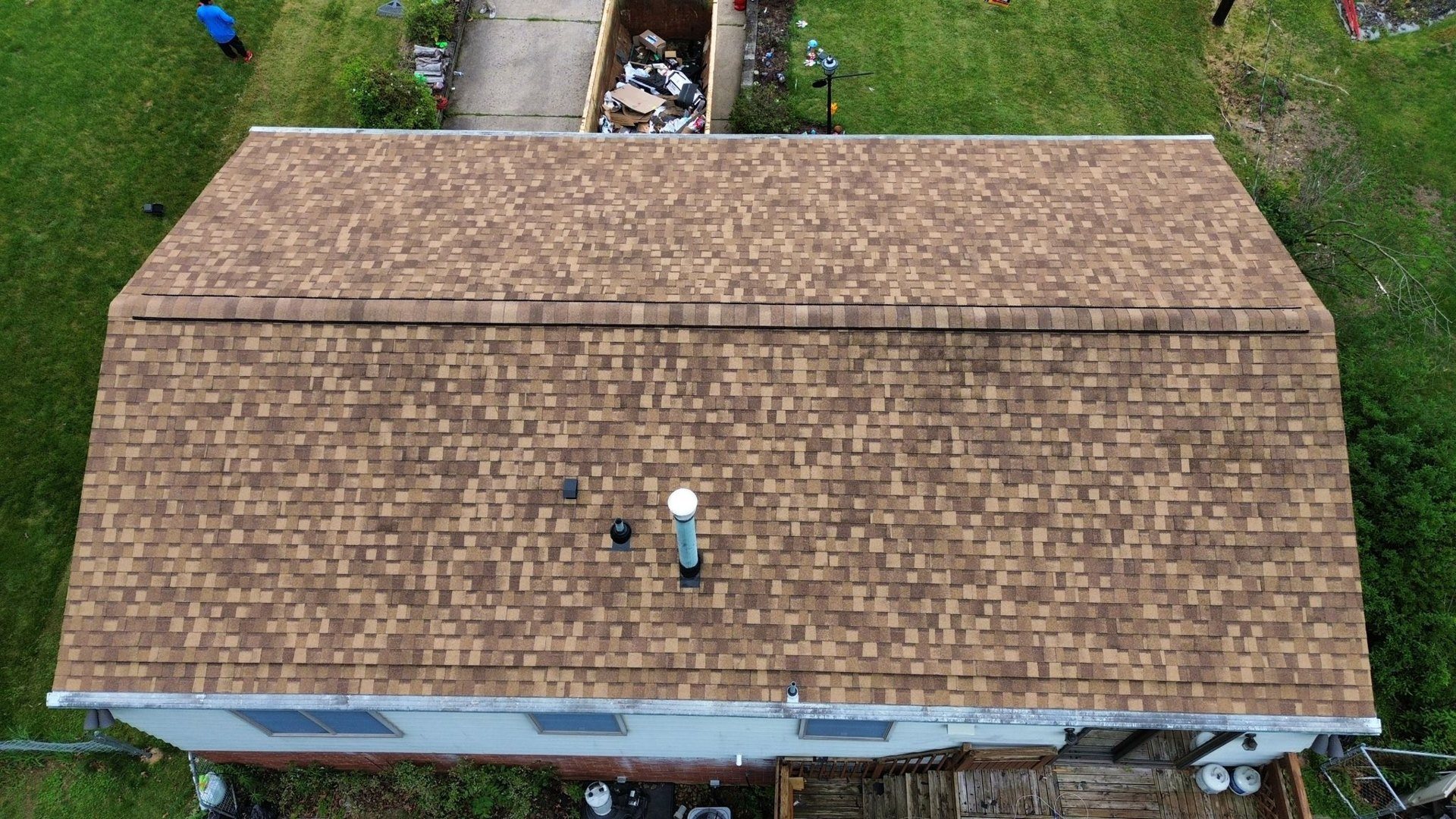
We stand behind every roof we put on. If water gets in, we come back, we find the cause, we explain it and we fix the roof and the ceiling. We also handle leaks on roofs other companies installed, which is a large part of what our repair division does across Ross Township, McCandless, Shaler, Bellevue and the rest of the North Hills. We document the cause so the homeowner has what they need, whether they call the original installer or simply want it fixed. We are BBB A+ accredited and have been since 2022.
If a leaking roof turns out to be beyond repair, our residential roof replacement page explains how we build a complete asphalt shingle system.
Frequently Asked Questions
Are roofers responsible for leaks after they install a new roof?
Yes, when the leak is caused by the installation. The workmanship warranty covers errors such as bad flashing, improper nailing, unsealed boots and missing ice barrier. Material defects fall under the manufacturer warranty, and storm damage falls under homeowner insurance. Read the warranty section of your contract to see whether interior damage is included.
How long should a new roof go without leaking?
A correctly installed asphalt shingle roof should never leak during its service life, which for architectural shingles in the Pittsburgh climate is typically decades. A leak in the first weeks or months is almost always a workmanship issue. A leak after many years is more often age, storm damage or a failed flashing or boot that has reached the end of its life.
My new roof is leaking. What should I do first?
Contain the water, photograph everything with timestamps, check the attic if it is safe, and contact the installer in writing the same day asking for an inspection. Do not patch the roof yourself. If the installer does not respond, get a written inspection from an independent local roofer and use it as the basis of your claim.
Does homeowner insurance cover a new roof that leaks?
Usually not when the cause is workmanship. Insurance covers sudden events such as wind, hail and falling trees. The installer and the workmanship warranty are responsible for a leak caused by how the roof was put on. If interior damage is large and the installer refuses, ask your agent whether the policy will pay and pursue the contractor.
Why does my new roof leak only in heavy rain?
Wind driven rain pushes water sideways and upward into gaps that light rain never reaches, such as an unsealed sidewall, a short valley or a lifted shingle edge. It points to a detail that was skipped at a transition rather than a problem across the whole roof. It is still a workmanship issue and still covered by the installer.
Get a Straight Answer on Your Leak
If a new roof is leaking anywhere in Pittsburgh or the North Hills, we will inspect it, photograph the cause and put it in writing, whether we installed it or not. Call Malick Brothers Exteriors at (412) 616-0191 or request your free written estimate and we will get a repair technician out to you.