A commercial roofing project is one of those investments that quietly impacts everything. It affects operating costs, tenant comfort, and long-term building value. In Pittsburgh, it also has to stand up to moisture, snow, and constant seasonal swings. That combination makes preparation far more important than most owners expect.
I have seen projects run smoothly when there is structure from the start. I have also seen avoidable issues snowball simply because key steps were rushed. Strong commercial roofing project planning is what separates those two outcomes.
Understanding What Business Owners in Pittsburgh Should Know Before a Roofing Project Starts
Before materials, bids, or timelines come into play, the first step is clarity. You need to understand what your building actually needs and what risks exist.
Pittsburgh’s climate creates specific challenges. Snow loads, humidity, and freeze-thaw cycles can shorten the lifespan of a poorly planned roof. That is why commercial roofing project planning should always account for local conditions, not just general recommendations.
Using a structured roofing project checklist early helps bring everything into focus. It ensures inspections are thorough and decisions are intentional.
Pre-Project Essentials for Commercial Roofing Project Planning
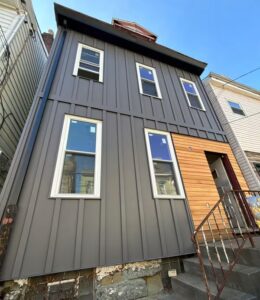
A proper roofing project starts with a deep inspection, not a surface-level review. Many costly issues begin below the surface, especially in older Pittsburgh buildings.
Your contractor should assess the deck, insulation, flashing, and drainage systems. Each of these components plays a role in overall performance. If one is overlooked, it can compromise the entire system.
Permits and compliance should also be addressed early. Requirements can vary depending on your municipality and building type. This is where preparing for roof replacement becomes more structured and less reactive.
A reliable roofing project checklist keeps all moving parts aligned and prevents important details from being missed.
What Are the Stages of Building a Roof?
Every commercial roofing project follows a sequence, and understanding it helps you stay in control.
The process typically includes inspection, planning, removal or overlay, installation, and final inspection. Each phase depends on the accuracy of the one before it.
For example, improper insulation can impact energy efficiency long after installation. Poor drainage planning can lead to water pooling and early failure.
This is why commercial roofing project planning needs to guide every stage, not just the beginning.
Selecting the Right Contractor for Long-Term Success
The contractor you choose will directly influence the outcome of your project. Experience, communication, and local knowledge matter more than most owners realize.
Look for a contractor with Pittsburgh-specific experience. They should understand how local weather affects materials and installation techniques.
You should also expect clear, detailed proposals. A contractor who takes time to walk through commercial roofing project planning is usually more invested in long-term results.
For a deeper look at what local businesses should consider, Mastering Commercial Roofing: A Pittsburgh Business Owner’s Guide offers helpful insight tailored to the area.
How to Manage a Roofing Project
Once the project begins, your role shifts from planning to oversight. Staying engaged helps prevent small issues from becoming larger ones.
Set clear expectations early. Define timelines, communication points, and access routes for workers. This minimizes disruption to your daily operations.
Safety should also be a priority. Commercial roofing projects involve risks that must be managed carefully. The OSHA construction guidelines provide a strong reference point for safety standards: OSHA construction safety guidelines.
Effective commercial roofing project planning continues during execution, not just before it.
Structural and Ventilation Considerations
A roof is not just a surface. It is a system that needs to function as a whole.
Structural integrity is the first concern. Not all buildings can support modern materials or additional layers without reinforcement. This is especially important when preparing for roof replacement.
Ventilation is another major factor. Poor airflow can lead to moisture buildup, mold, and reduced lifespan. Many roofing failures trace back to ventilation issues rather than materials.
Proper planning ensures these elements are addressed early instead of corrected later.
What Are the 5 Functional Requirements of a Roof?
Every commercial roof should meet five essential requirements. These are not optional. They define how well your roof performs over time.
| Requirement | Purpose |
|---|---|
| Waterproofing | Prevents leaks and protects interior spaces |
| Insulation | Improves energy efficiency and reduces costs |
| Drainage | Prevents water buildup and structural stress |
| Durability | Ensures long-term resistance to weather |
| Safety | Protects occupants and meets regulations |
When reviewing options, use a roofing project checklist to confirm each of these areas is covered.
Budgeting and Long-Term Cost Considerations
Budgeting is not just about upfront cost. It is about long-term value.
One common rule is the 25 percent threshold. If repairs exceed 25 percent of the roof, replacement is often more cost-effective over time.
Material choice also matters. Some options are cheaper initially but require more maintenance. Others cost more upfront but last significantly longer.
This is where preparing for roof replacement with a clear plan helps you make better financial decisions.
Timeline, Access, and Business Continuity
Roofing projects can disrupt operations if not planned carefully. This is especially true for retail, office, or multi-tenant buildings.
Work with your contractor to establish a clear timeline. Identify access points, safety zones, and any areas that need to remain operational.
The more detailed your commercial roofing project planning, the easier it is to maintain normal business activity during the project.
Final Thoughts on Preparing for Roof Replacement in Pittsburgh
A roofing project is a major investment, and in Pittsburgh, it comes with added complexity. Weather, building age, and local requirements all influence the outcome.
The difference between a smooth project and a stressful one often comes down to preparation. Taking the time to focus on commercial roofing project planning and following a structured roofing project checklist keeps everything aligned.
If you approach the process with clarity and structure, you will not just get a new roof. You will get a system that performs reliably for years.