
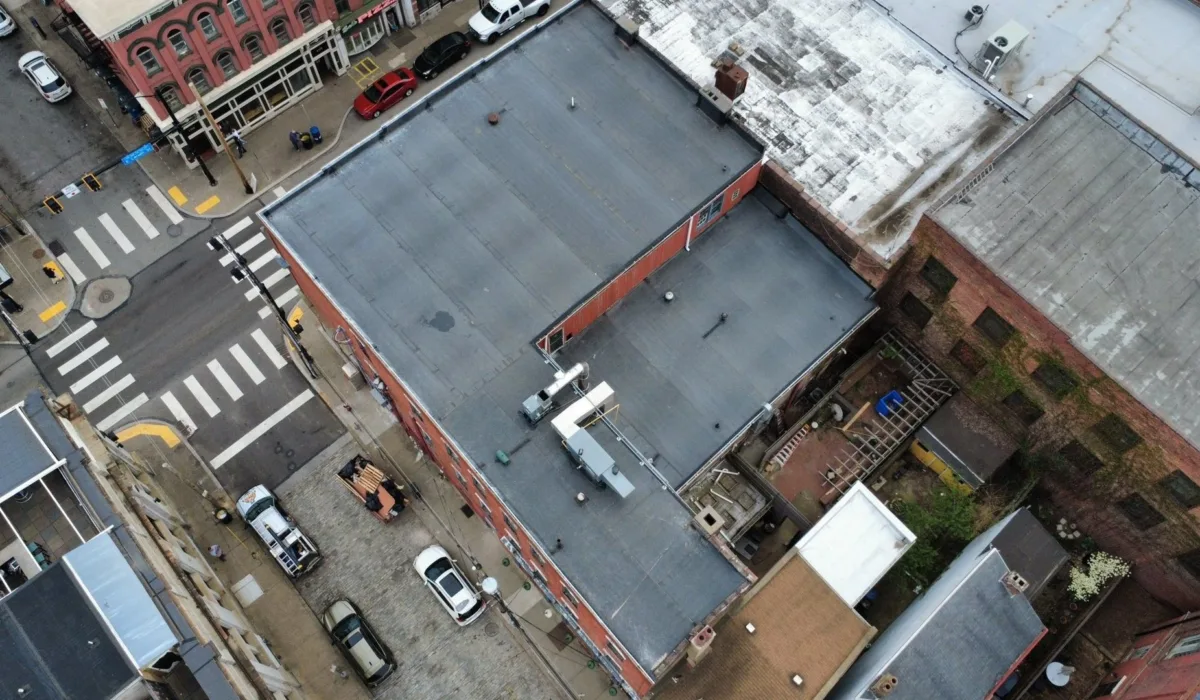
Most Pittsburgh roofing maintenance plans fail for one reason: nobody keeps the calendar. The roof over a warehouse, a storefront, an apartment building or a church takes the hardest weather on the property, and it only gets attention after water shows up on a ceiling tile. A commercial roof maintenance program is nothing more complicated than a written schedule, a checklist and a file of dated photos. Kept properly, it decides whether a low slope roof reaches its full service life.
We are Malick Brothers Exteriors, a family owned roofing company founded in 2022 by Ryan Malick and based at 500 Perry Highway in West View. We are MuleHide certified for .060 EPDM rubber, two ply low slope systems and silicone coatings, and we handle commercial roofing in Pittsburgh from inspection and repair through full replacement. This guide covers maintenance plans, extending commercial roof life and winter preparation in one checklist you can actually use.
What a Commercial Roof Maintenance Program Includes
Property managers ask us what roof maintenance consists of more than any other question. A sound program has five parts, and a roofer should be able to show you each one on paper.
- Scheduled professional inspections. The National Roofing Contractors Association recommends at least two inspections a year, one in spring and one in fall, plus a visit after any major storm. NRCA maintenance guidance is the standard most manufacturers lean on for warranty terms.
- Drainage clearing. Drains, scuppers, gutters and downspouts are cleared so water leaves the roof instead of ponding on it.
- Minor repairs while they are minor. Lifted seams, cracked pitch pockets, loose termination bar, split pipe boots and open flashing laps get sealed on the same visit they are found.
- Sealant and coating review. Caulk and mastic at penetrations degrade on a predictable cycle. Thin or chalking coatings are noted and scheduled.
- Documentation. Every visit produces dated photos, a condition summary and a list of what was fixed and what was deferred. This file is what protects your warranty and your insurance position later.
Why Pittsburgh Roofing Maintenance Plans Need a Local Calendar
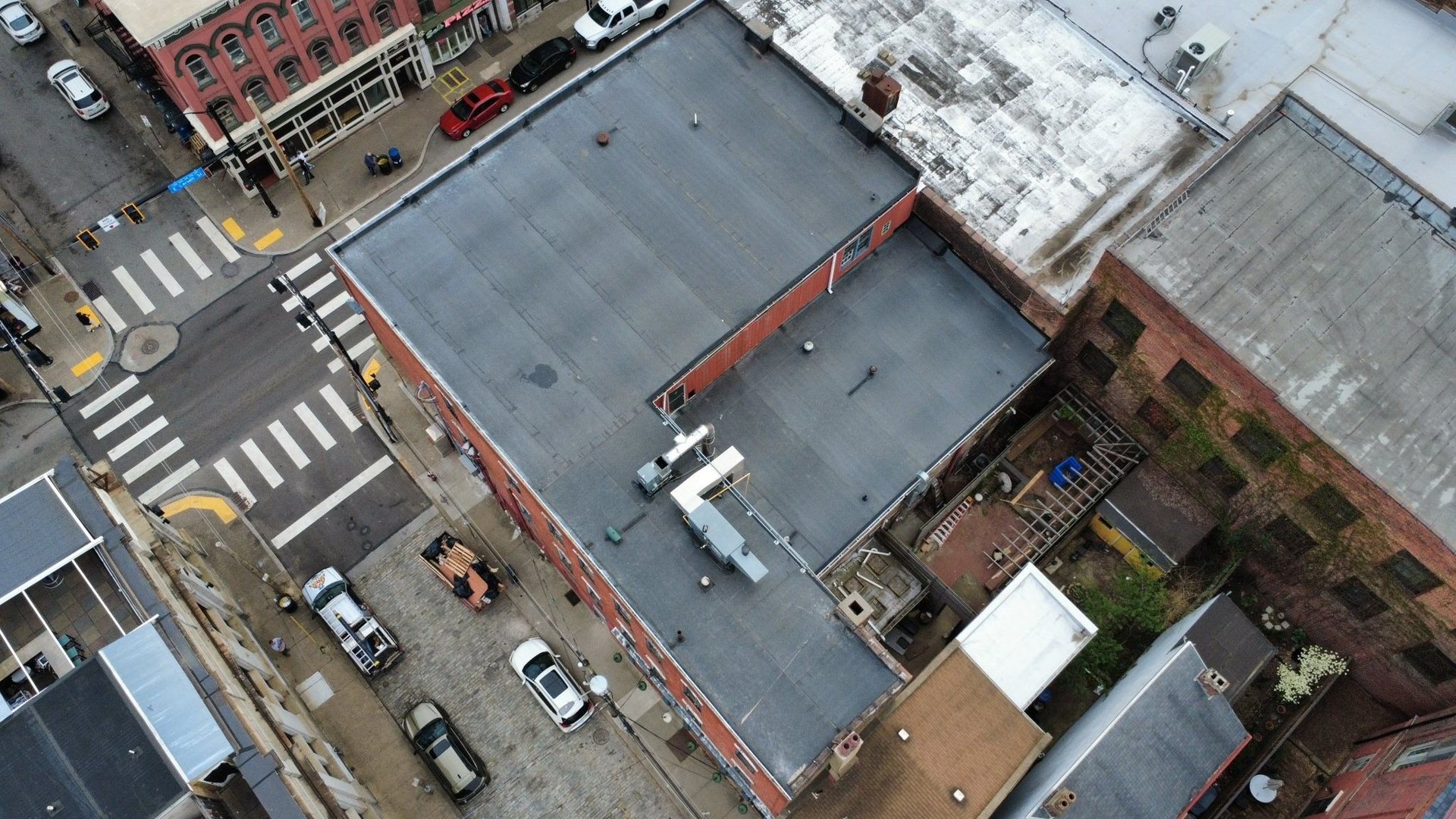
Western Pennsylvania is not forgiving on low slope roofs. The same week can bring rain at fifty degrees and a hard freeze in the teens. That freeze and thaw cycle pushes moisture into any open seam, expands it, and opens the seam a little wider every time. Wet snow adds load, spring storms bring wind that lifts flashing, and summer sun bakes sealants that were already stressed. A maintenance program written for a mild climate skips half of what matters here.
For commercial roof maintenance in Pittsburgh we tie the two main inspections to the seasons that do the damage:
- Fall inspection (October to early November). Confirm every drain and scupper is clear before leaves and the first freeze. Seal anything open. Confirm the roof will shed meltwater instead of holding it.
- Spring inspection (March to April). Find what winter did. Look for seam separation, membrane blisters, cracked flashing, displaced ballast and ponding that was not there in fall.
- Post storm walkthrough. After any serious wind, hail or heavy snow event, regardless of the calendar.
Spring Commercial Roof Maintenance Checklist
Spring is when most leaks finally show themselves. This is the checklist our crews work from on a low slope roof once the snow is gone.
- Walk the full membrane surface looking for punctures, blisters, bridging at curbs and open laps.
- Check every seam on EPDM and TPO roofs. Cold weather shrinkage pulls seams apart at the corners first.
- Inspect flashing at HVAC curbs, vent pipes, skylights and parapet walls. Look for rust, gaps and sealant that has pulled away.
- Clear drains, scuppers and gutters of grit and debris. Confirm downspouts discharge away from the foundation.
- Note any area that held water for more than 48 hours after rain. Ponding is the number one killer of flat roofs because it adds weight and keeps the membrane wet.
- Check interior ceilings on the top floor for new stains, especially under rooftop units.
- Photograph everything and update the roof file.
Winter Commercial Roof Preparation Checklist
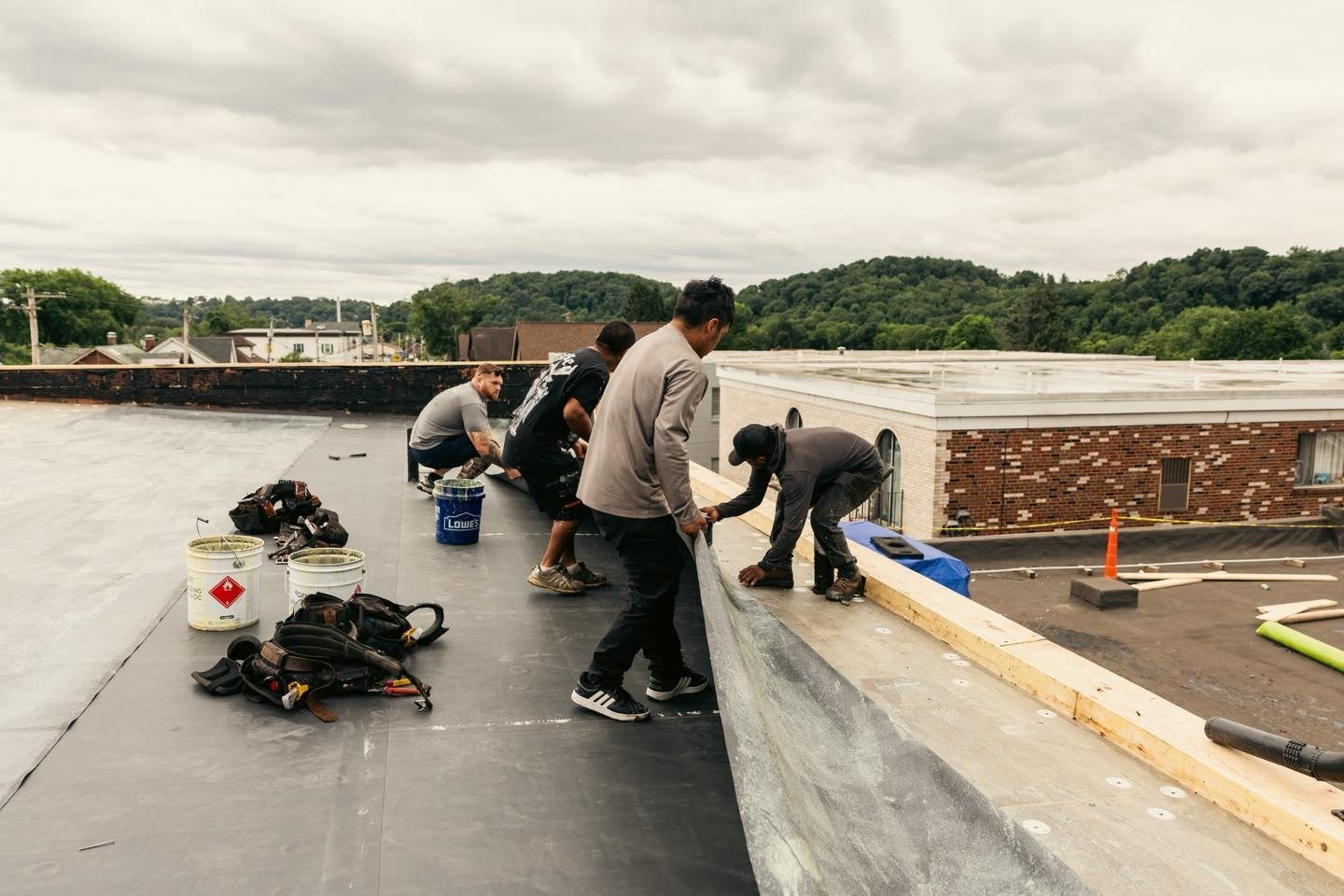
Roofing for harsh Pittsburgh winters is mostly about what you do in October. Once snow is on the roof, finding and fixing a defect becomes slower and more expensive. Before the first freeze:
- Get the fall inspection done. This is the most important item on the list. A winter roof inspection under snow cannot see the membrane.
- Clean every drainage point. Clogged gutters and scuppers freeze solid, back water up under flashing and form ice at the edges that lifts membrane and metal.
- Reseal penetrations. Pipe boots, HVAC curbs and skylight flashing shrink and crack with temperature swings. Fresh sealant in fall holds through winter.
- Check ventilation and insulation. Warm interior air escaping through a poorly insulated deck melts snow unevenly and refreezes at the edges.
- Trim overhanging limbs. Ice loaded branches snap and puncture membranes, and they feed the gutters all fall.
- Schedule spot repairs now. A cracked seam in EPDM or an open lap in TPO gets worse every freeze cycle it sits through.
- Write down the emergency plan. Who gets the call for a midwinter leak, who can tarp, and where the roof file lives. Keep photos of the roof condition before and after storms for insurance.
Roof repairs in winter are possible, and we work all winter, but many adhesives and sealants have minimum application temperatures, so the fall list is how you avoid needing a temporary dry in.
How to Extend Commercial Roof Life
Once inspections and drainage are handled, three habits add the most years to a low slope roof.
Control rooftop traffic
HVAC technicians, sign installers and other trades mean well, but a dropped tool or a careless step punctures a membrane in seconds. Set rules for who goes on the roof, install walk pads along the routes people actually use, and keep everyone else off the surface.
Fix small problems on the day they are found
A seam separation, a loose strip of flashing or a small puncture is a doorway. Water only needs one. A repair that takes a crew an hour in September becomes a soaked deck and a torn out ceiling by March.
Use a restoration coating when the membrane is still sound
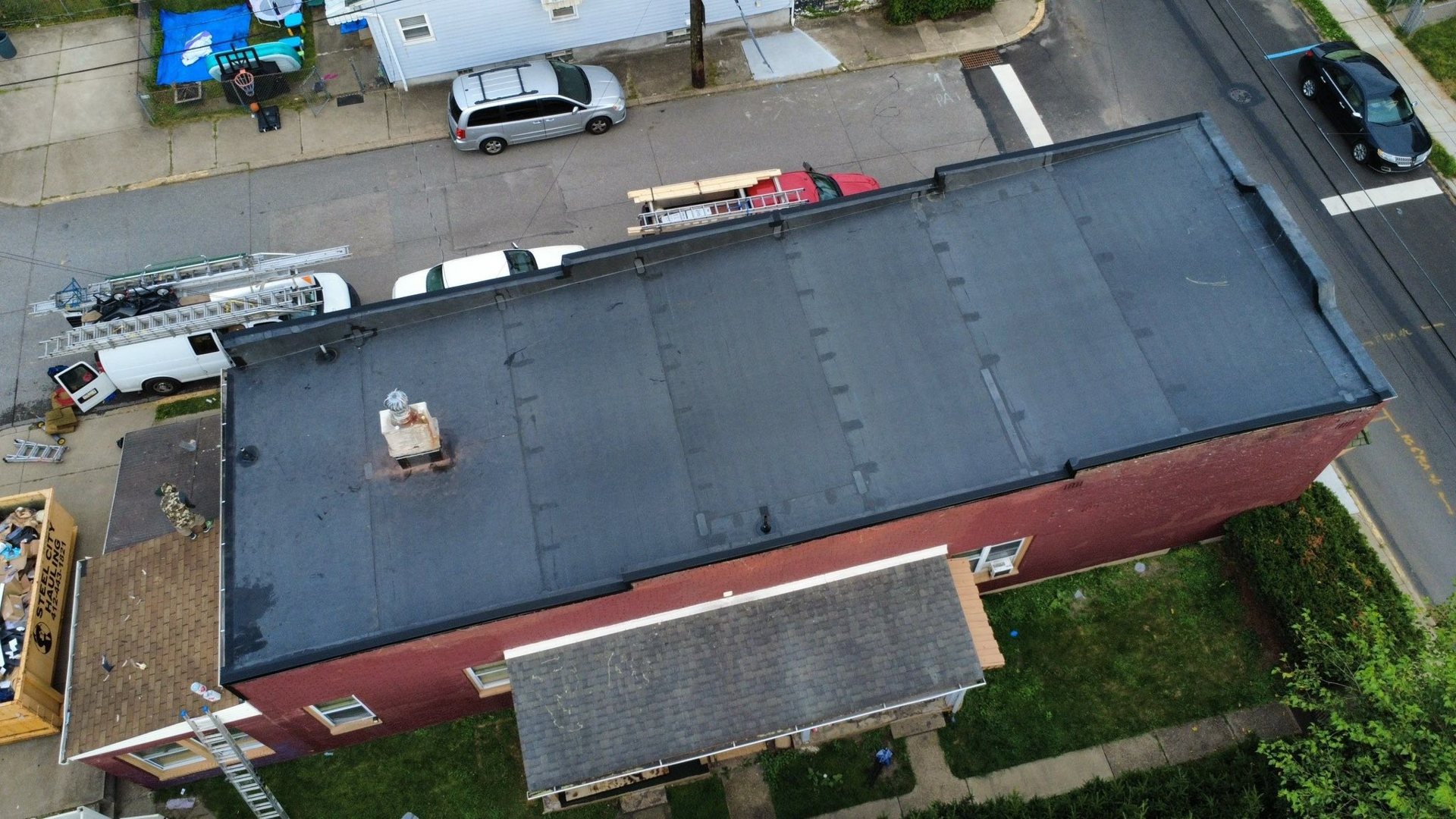
If a roof is aging but the membrane and insulation are still dry and intact, a liquid applied silicone coating can add years to the system. It seals minor surface cracking, reflects summer heat, reduces thermal shock and defers replacement. We install MuleHide silicone roof coatings on commercial roofs and on box gutters. A coating is not a fix for a wet roof, which is why the inspection comes first.
How Pittsburgh Roof Materials Handle Extreme Temperatures
Roofing maintenance for extreme temperatures starts with knowing what you have. Each system ages differently in this climate.
| System | Cold weather behavior | What maintenance watches |
|---|---|---|
| EPDM rubber (.060) | Stays flexible in freezing temperatures | Seam adhesion, shrinkage at corners, punctures from traffic |
| TPO | Good, but heat welded seams need checking | Seam integrity, membrane cracking as it ages |
| Two ply modified bitumen | Heavy and durable under snow load | Granule loss, open laps, blistering |
| Standing seam metal | Sheds snow quickly | Fastener backout, sealant at laps, ice at eaves |
| Silicone coated roof | Reflective, flexible | Coating thickness, adhesion, ponding areas |
If you do not know what system you have or how old it is, that is the first thing a baseline roof inspection establishes. For a commercial roof inspection in Pittsburgh we document the system type, the approximate age, the drainage layout and every penetration so the file starts complete.
What Is the 25 Percent Rule for Roofing?
This comes up constantly, so here it is plainly. The 25 percent rule comes from the International Existing Building Code, which Pennsylvania adopts through its Uniform Construction Code. In broad terms, if more than 25 percent of a roof area is repaired, replaced or recovered within a twelve month period, the work on that roof section generally has to meet current code, including current insulation requirements. You can read the source language at the ICC code library. The lesson for owners is simple: steady maintenance that keeps repairs small also keeps you under the threshold.
Warranty and Insurance: Why the Roof File Matters
Most commercial roofing manufacturers require proof of regular maintenance as a condition of coverage. Skip inspections, lose the paper trail, and a warranty claim can be denied for a defect that maintenance would have caught. The same file strengthens an insurance claim after a storm, because dated photos show the roof was sound before the event.
The warranty matters most on a new roof. On complete Atlas systems we offer the Atlas 50 year warranty as an AtlasPro+ Platinum Select contractor, and on MuleHide low slope systems the manufacturer warranty depends on certified installation and documented upkeep. If your current roof is past saving, our roof replacement page explains how we document a tear off and install from start to finish.
Choosing a Pittsburgh Commercial Roofer for Maintenance Work
Not every roofer that will replace a commercial roof wants to maintain one. When you call around, ask these questions:
- Are you certified by the manufacturer of my roof system? Repairs by an uncertified contractor can void coverage.
- What does your inspection report include, and will I get photos?
- Who answers the phone after a storm, and how fast can someone get on the roof?
- Are you registered with the Pennsylvania Attorney General as a home improvement contractor? Our registration is PA174918, and you can check any contractor at the PA HIC lookup.
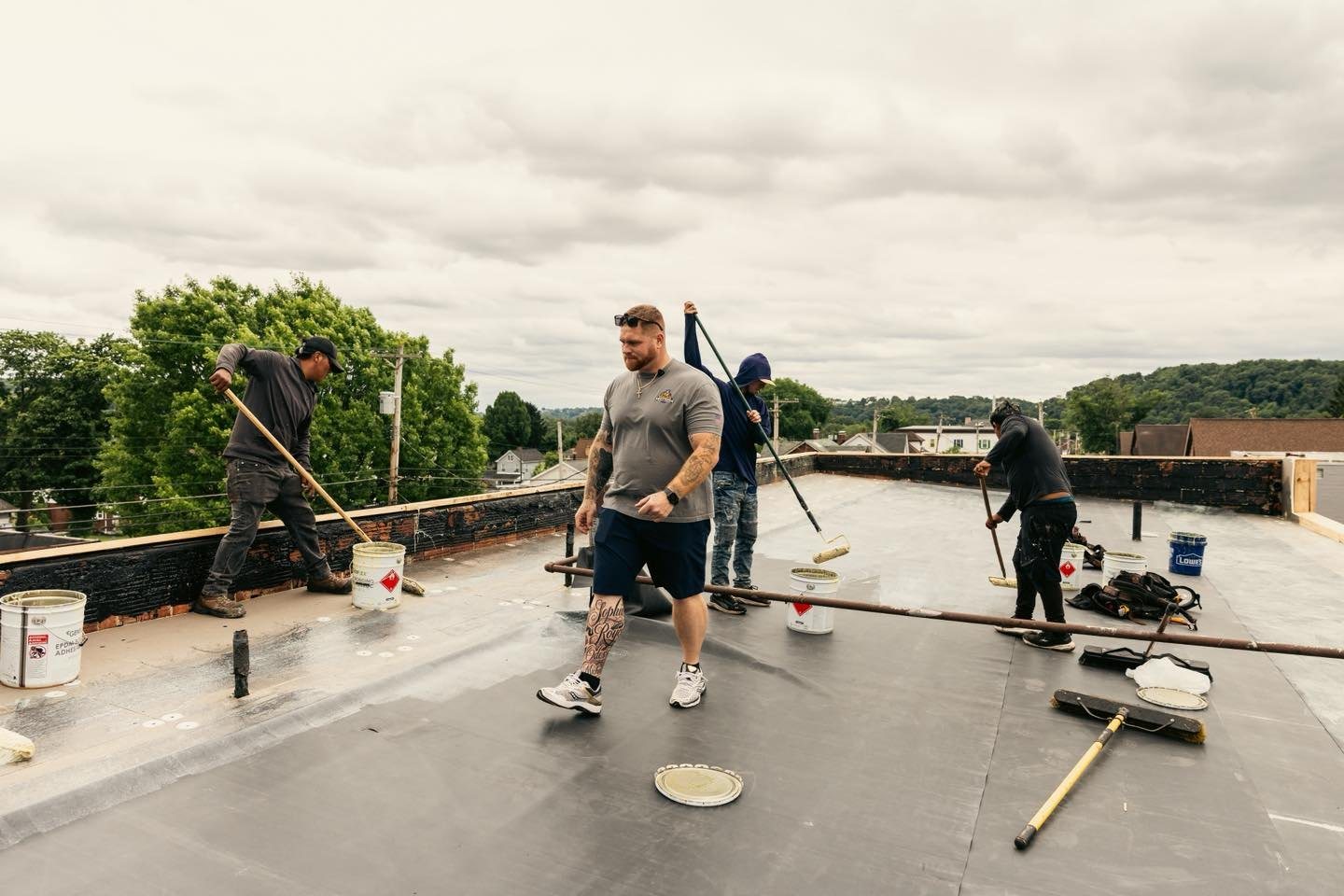
Malick Brothers is BBB A+ accredited, MuleHide certified for EPDM, two ply low slope and silicone coatings, and we also install metal and repair slate, tile and box gutters through our repair division. We have put MuleHide EPDM on a glass company in Pittsburgh, an apartment building in McKees Rocks and a commercial building in Glenshaw. You can see our full list of towns on the service areas page.
Frequently Asked Questions
How often should commercial roof maintenance be done?
Twice a year at minimum, in spring and in fall, plus a walkthrough after any major storm. That rhythm matches NRCA guidance and most manufacturer warranty terms. Buildings with heavy rooftop equipment or lots of overhanging trees benefit from a quick quarterly drainage check between the two full inspections.
What is included in a commercial roof maintenance visit?
A full walk of the membrane, a check of every seam and flashing, clearing of drains and scuppers, sealing of any small defect found, a look at interior ceilings under rooftop units, and a dated photo report.
How often does a commercial roof need to be replaced?
It depends on the system, the installation and the upkeep. A well kept EPDM or modified bitumen roof in Pittsburgh commonly reaches twenty years or more, and metal can go well past that. A neglected roof of the same material can need replacement in half the time, usually because of ponding and open seams that were never addressed.
Can a commercial roof last longer than 25 years?
Yes, and a well maintained one often does. The number on a spec sheet is a starting point. Working drains, controlled foot traffic, prompt small repairs and a restoration coating at the right time are what push a roof past its rated life.
Can roof repairs be done in winter in Pittsburgh?
Yes. We work all winter and handle emergency leaks year round. Some adhesives and sealants have minimum temperatures, so a midwinter repair is sometimes a temporary dry in with the permanent fix scheduled for the first warm stretch. A fall inspection is the best way to avoid needing a winter repair at all.
What does a commercial roof maintenance program cost?
It depends on roof size, system type, the number of penetrations, access and how much deferred work the first inspection finds. We give a free written estimate after seeing the roof, and the inspection report shows you exactly what is urgent and what can wait.
Start With a Baseline Inspection
A maintenance plan begins with knowing what is on your roof today. If your building has not had a documented inspection in the last year, schedule one before winter. We will walk the roof, photograph every seam and drain, give you a written condition report and a free estimate for any repairs, and you will have the first page of a roof file that protects the building for years. Contact Malick Brothers Exteriors to book a commercial roof inspection in Pittsburgh.