
Hiring the wrong roofer in Pennsylvania can cost you far more than a bad repair job. If an unregistered contractor works on your home and something goes wrong, you could be left paying for property damage, worker injuries, or legal fees. The good news is that Pennsylvania gives homeowners real tools to vet contractors before signing anything, and using them is the difference between a job well done and a serious headache.
This guide covers exactly what to look for, where to check, and what to ask before a single shingle gets touched. If you would rather start with a short list of contractors who already pass these checks, see our guide to the best roofers in Pittsburgh.
Do Roofers Require a License in Pennsylvania?
Pennsylvania does not issue a statewide roofing contractor license. That surprises a lot of homeowners. What the state does require, under the Home Improvement Consumer Protection Act (HICPA), is that contractors doing residential home improvement work register as a Home Improvement Contractor (HIC) with the Pennsylvania Office of Attorney General. Only very small operations that fall under the annual threshold set in the law are exempt, and roofing falls squarely under this requirement.
That HIC registration number must appear on every contract, estimate, and advertisement the contractor uses. If you are looking at a written estimate and there is no PA number on it, that is not an oversight. It means the contractor either is not registered or is choosing not to display it, and neither option is good. Some municipalities also have their own permit and contractor rules layered on top of the HIC system, so check with your borough or township office if you are unsure what applies where you live.
To learn more about how this system works and why it matters when hiring any contractor in Pennsylvania, read Understanding Pennsylvania HIC Numbers for Contractor Hiring.
How to Verify a Roofer is Licensed and Insured: Where to Start

The first move is simple: ask. Ask the contractor for their PA HIC registration number, their business name as it appears on file, and the name of their insurance provider. A legitimate contractor will hand this over without hesitation. Vague answers at this stage are a signal worth taking seriously.
Once you have the HIC number, verifying it takes about two minutes. The Pennsylvania Office of Attorney General runs a free contractor search tool at hicsearch.attorneygeneral.gov where you can look up any registered home improvement contractor by name or registration number. You can confirm the registration is active and check the expiration date. An expired registration is just as problematic as no registration at all.
How to Find Out if a Roofer is Insured
Registration and insurance are separate things. A contractor can have a valid HIC number and still carry little or no insurance coverage. Ask for a Certificate of Insurance (COI) before any work begins. This document should list two distinct types of coverage: general liability insurance, which protects your property if the contractor damages something during the job, and workers' compensation, which covers crew members if they are injured while working on your roof.
Make sure the liability limits are appropriate for the size of your project, and ask the contractor to explain the coverage if anything on the certificate is unclear. Workers' compensation is not optional. If a worker gets hurt on your property and the contractor has no workers' compensation policy, that liability can shift toward you and your homeowner's insurance.
Do not assume the certificate is current just because it looks official. Call the insurance company listed on the document, give them the policy number, and ask directly whether the policy is active and whether it covers roofing work. That one call removes the risk of a contractor handing you an altered or lapsed certificate.
How to Check if a Roofing Company is Legit for Free
There are several reliable, no cost ways to dig into a contractor's background beyond the HIC search. The Pennsylvania Office of Attorney General also accepts and tracks consumer complaints, and home improvement problems are a common complaint category. If a contractor has a pattern of unresolved disputes, it is worth knowing before you sign.
The Better Business Bureau is another straightforward resource. Search by business name, check the rating, and read through any complaints on file. Pay attention to how the company responded, not just that a complaint exists. A contractor who engages professionally with negative feedback operates differently from one who ignores it or argues with customers publicly. Google reviews can round out the picture with real project feedback from homeowners in your area.
Manufacturer certifications are also worth checking. These are not purchased credentials. They are earned through training and installation standards set by the material manufacturer, which adds accountability beyond state registration. Ask which certifications the contractor holds, then confirm them on the manufacturer's own website.
Red Flags That Should Stop You Cold
Some warning signs are easier to spot than others. After a major storm rolls through western Pennsylvania, out of state contractors often move into the Pittsburgh market promising fast turnaround. Some are legitimate operations. Many are storm chasers who take deposits and disappear or do poor work with no local accountability. Always verify a PA HIC number regardless of where a contractor claims to be based. An out of state license means nothing for residential work in Pennsylvania.
| Red Flag | What It Signals |
|---|---|
| No PA HIC number on estimates or contracts | May be operating illegally under HICPA |
| Only a PO box, no physical address | Hard to track down if problems arise |
| Requesting full payment up front | Reputable contractors use payment schedules tied to project milestones |
| Refuses to provide a Certificate of Insurance | Likely uninsured or underinsured |
| Bid far lower than all the others | Often means skipped permits, cheap materials, or no insurance |
| High pressure close or same day decision deadline | A legitimate contractor gives you time to decide |
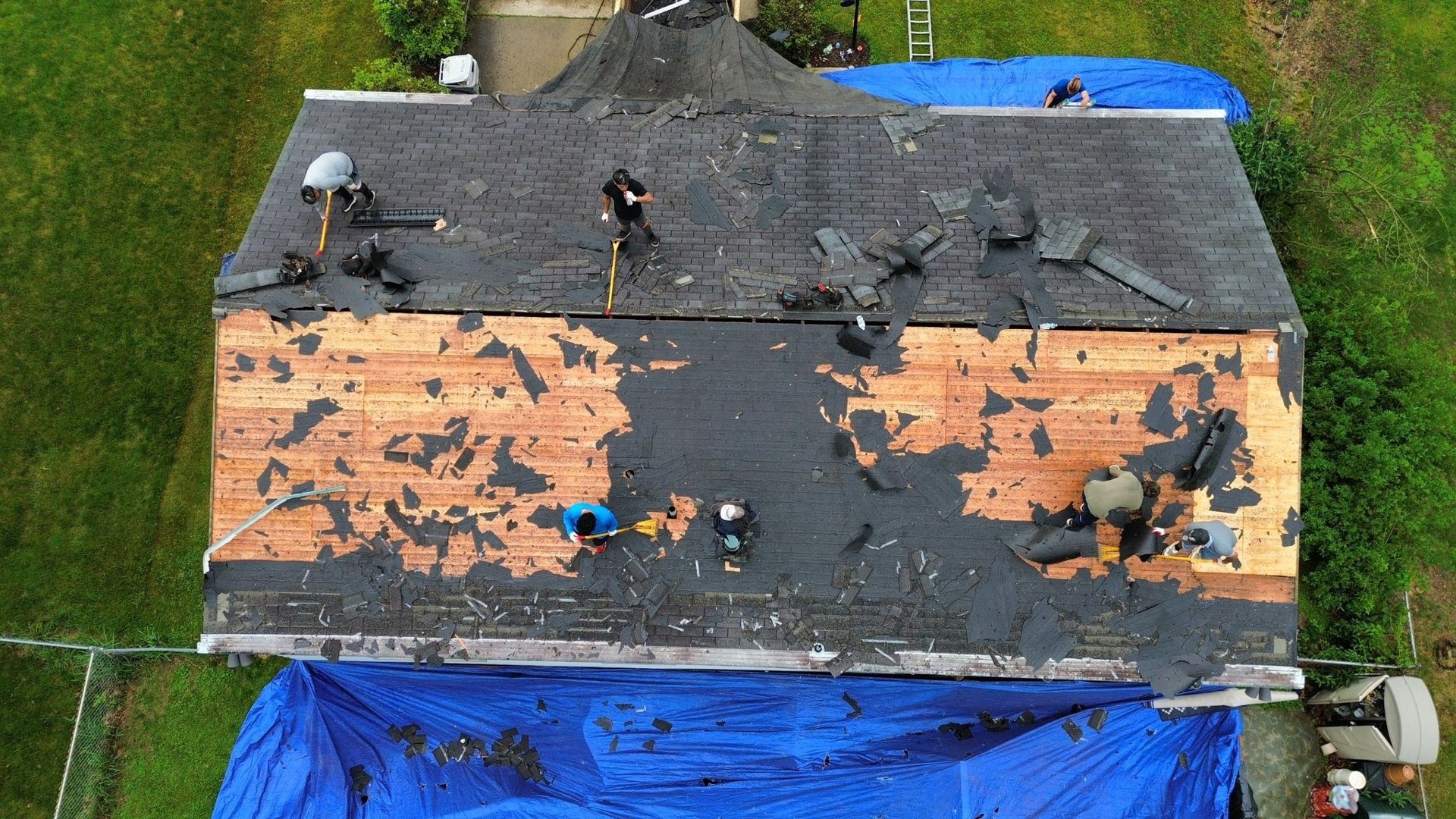
Skipping permits is another issue homeowners sometimes overlook. Permits are required for many roof replacements and significant repairs in Allegheny County municipalities. If a contractor suggests skipping the permit to save time, walk away. Unpermitted work can create problems when you sell the home, may affect your material warranty, and leaves you with no inspection record if something fails down the road.
What Happens if You Hire an Unregistered or Uninsured Roofer
Under Pennsylvania's HICPA, a home improvement contract must meet specific requirements, and contracts that do not can be unenforceable against the homeowner. In practice, if you paid a contractor who was not properly registered and something goes wrong, recovering your money can be slow and difficult. The law was written to protect homeowners from this situation, but it works best when you verify the registration before signing anything.
On the insurance side, the risk is just as real. If a crew member is injured on your property and the roofer you hired turns out to have no active workers' compensation policy, you could be exposed to a personal injury claim that your homeowner's insurance may not fully cover. Roofing is one of the most physically demanding and injury prone trades in construction. That is the reason workers' compensation exists in the first place.
How to Verify a Roofer is Licensed and Insured: A Quick Reference Checklist
Ask for the PA HIC Number First
Before discussing cost, timeline, or materials, ask for the contractor's HIC registration number. A legitimate roofing contractor operating in Pennsylvania will have it ready. Look for the PA number on any written estimate or contract they hand you.
Verify the Registration Online
Run the number through the Attorney General's contractor search at hicsearch.attorneygeneral.gov. Confirm the registration is active and has not expired.
Review the Certificate of Insurance
Request the COI and confirm it lists both general liability and workers' compensation coverage. Check the policy expiration dates and make sure coverage is appropriate for the scope of your project.
Call the Insurance Company Directly
Call the insurer listed on the certificate, provide the policy number, and ask them to confirm the policy is currently active and covers roofing work. This takes a few minutes and removes the chance of a fraudulent or expired document slipping through.
Check Complaints and the BBB
Look the business up with the Better Business Bureau and read its Google reviews. Look for unresolved complaints, patterns of billing disputes, or any history of consumer fraud allegations before signing a contract.
Finding a Contractor Who Can Back It All Up
The point of all of this is not to make hiring a roofer difficult. It is to filter out the contractors who cannot pass basic scrutiny. A contractor with nothing to hide welcomes these questions, because informed customers are easier to work with.
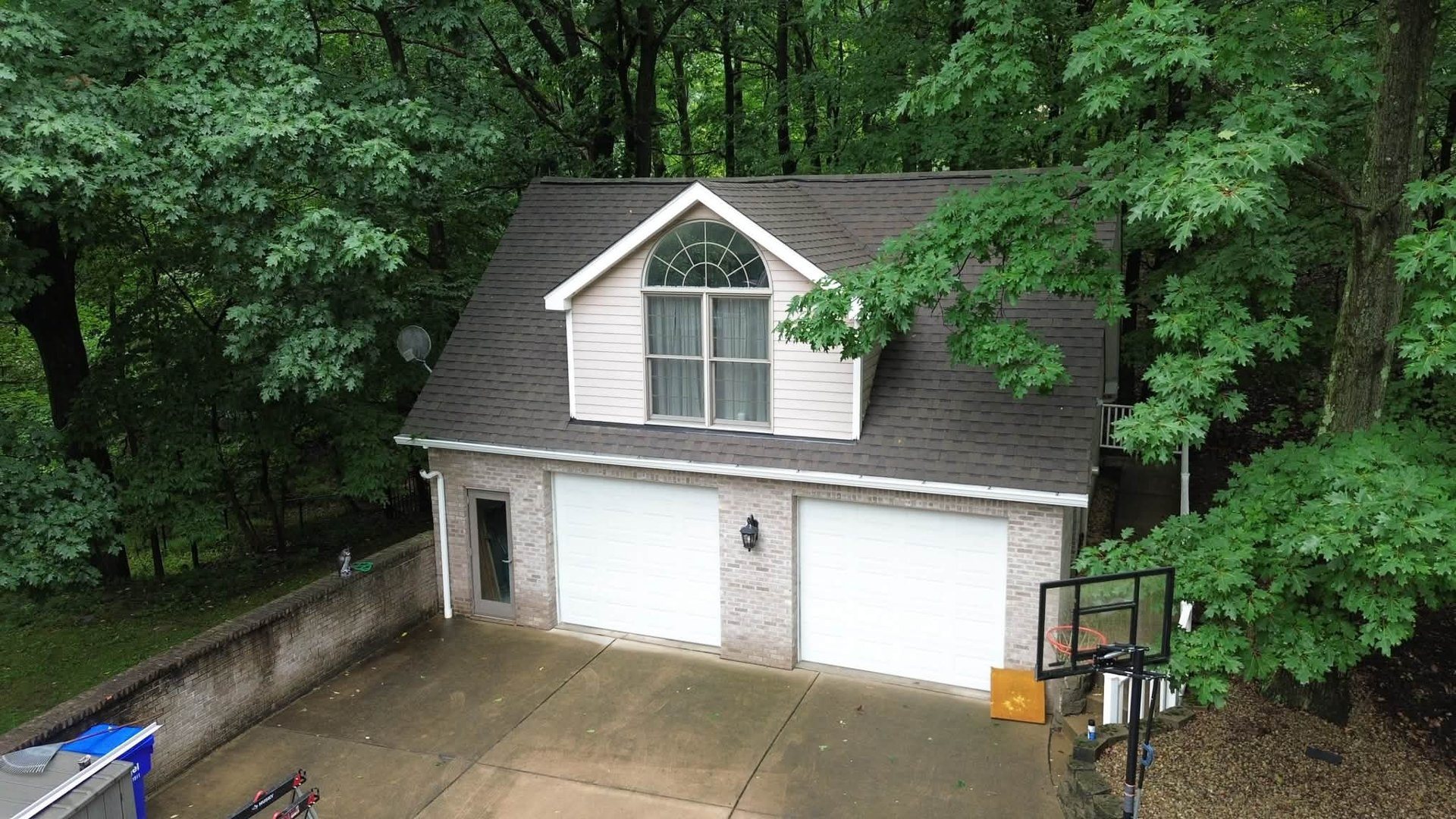
Get more than one itemized written estimate before deciding. A detailed estimate that names materials by brand, explains the scope of labor, accounts for permits, and gives a project timeline tells you a lot about how a contractor operates. Vague one page quotes leave too much room for disputes later. What drives the cost of your project is the roof size, pitch, number of layers to remove, decking condition, and the material you choose, and a good contractor will walk you through each of those in writing. For a broader look at how roofing licensing works across the country, the state by state roofing license guide from Fixr is a useful reference.
We hold ourselves to the same checklist. Malick Brothers Exteriors is a family owned company founded in 2022 by Ryan Malick, with our shop at 500 Perry Highway in West View. We are registered as PA HIC PA174918, we are BBB A+ accredited, we are an AtlasPro+ Platinum Select contractor, and we are MuleHide certified for low slope roofing. Ask us for our certificate of insurance and we will send it.
Frequently Asked Questions
Is a Pennsylvania HIC number the same as a roofing license?
No. Pennsylvania has no statewide roofing license. The HIC registration is the state requirement for home improvement contractors, and it is the number you should look for and verify.
Where do I look up a contractor's HIC number?
Use the free search on the Pennsylvania Office of Attorney General site at hicsearch.attorneygeneral.gov. You can search by business name or registration number.
What insurance should a roofer carry?
At minimum, general liability insurance and workers' compensation. Ask for a Certificate of Insurance and call the insurer to confirm the policy is active.
Can a contractor from another state work on my Pittsburgh home?
Only if they hold an active Pennsylvania HIC registration. A license from another state does not satisfy Pennsylvania's requirement.
Get a Free Written Estimate
If you are planning a roof project in the Pittsburgh area and want a registered, insured contractor who will answer every question on this list, contact Malick Brothers Exteriors for a free written estimate.