If you own or manage a building here, you already know our weather doesn’t play fair. One February afternoon it’s 45 degrees and dripping; by nightfall it’s 20 and everything that melted has turned to ice. That daily swing is exactly what quietly destroys a roof over time. I’ve walked plenty of low-slope rooftops in January and watched meltwater pool near a seam, refreeze by three o’clock, and pry that seam open a little more with every cycle. Picking one of the best commercial roofing systems for Pittsburgh’s freeze-thaw weather isn’t about brand loyalty. It’s about choosing a material that can move, flex, and stay watertight while the temperature bounces around all winter.
This guide walks through what actually holds up here, how long you should expect a roof to last, and how to keep yours out of trouble.
Why Freeze-Thaw Weather Punishes Pittsburgh Roofs
Freeze-thaw damage is sneaky because it works one drop of water at a time. Water finds a hairline gap, seeps in, freezes, and expands by roughly nine percent. That expansion widens the gap. Then it melts, seeps deeper, and freezes again. Repeat that a few hundred times a winter and a pinhole becomes a leak, and a leak becomes soaked insulation and a stained ceiling tile in someone’s office.
The other half of the problem is thermal movement. Every roof expands in the heat and contracts in the cold, and our region hands roofs dozens of sharp swings each season. Materials that can’t stretch and shrink with those swings crack, split, or pull apart at the seams. If you want a deeper look at how our climate stresses roofs across all four seasons, this piece is worth a read: How Pittsburgh Weather Impacts Commercial Roof Performance Year-Round.
What Makes a Roofing System Freeze-Thaw Ready
Three traits separate a roof that survives our winters from one that surrenders to them. First is flexibility. A membrane that stays elastic in the cold can move with the building instead of tearing. Second is seam strength, because seams are where most flat roofs fail first. Third is water management, since standing water and clogged drains turn ordinary cold snaps into destructive freeze-thaw events.
When you evaluate commercial roofing systems, weigh those three traits against your roof’s slope and your budget. A cheap material that cracks in year six isn’t cheap. The best value is almost always the system that shrugs off a hundred freeze-thaw cycles without complaint.
Best Commercial Roofing Systems for Pittsburgh’s Freeze-Thaw Weather
There’s no single winner for every building. Slope, budget, foot traffic, and rooftop equipment all steer the decision. Here’s how the top options stack up, followed by a closer look at each.
| System | Best For | Expected Lifespan | Freeze-Thaw Strength |
|---|---|---|---|
| EPDM (rubber) | Flat / low-slope | 25–30 years | Excellent cold flexibility |
| TPO | Flat / low-slope | 20–30 years | Strong welded seams |
| Standing Seam Metal | Pitched / high-slope | 40–60+ years | Sheds snow, moves freely |
| Modified Bitumen | Low-slope | 20–25 years | Tough, impact-resistant |
EPDM Rubber
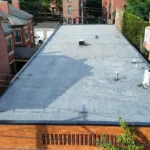
EPDM is a synthetic rubber membrane, and rubber loves the cold. It stays flexible when the mercury drops, so it moves with your building instead of cracking. That elasticity is why I recommend it so often for flat roofs around here. It’s proven, it’s forgiving, and a well-installed EPDM roof will ride out our winters for a couple of decades or more. Its main tradeoff is a dark surface that soaks up summer heat, though light-colored and reflective versions now exist.
TPO
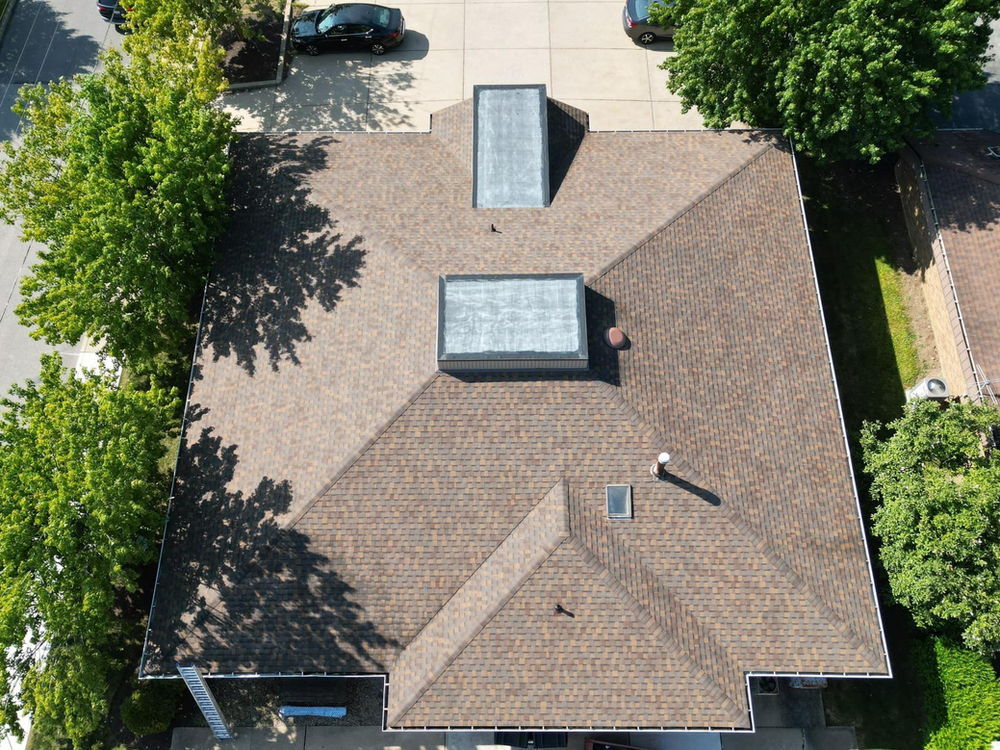
TPO has earned its popularity on modern flat and low-slope buildings. Its seams are heat-welded, which fuses the sheets into what is essentially one continuous surface, and that welded seam resists the water intrusion that freeze-thaw loves to exploit. The bright, reflective surface also bounces summer sun and can trim cooling costs. Quality varies by manufacturer, so this is a material where installer experience really matters.
Standing Seam Metal
For pitched commercial buildings, standing seam metal is hard to beat. Snow and ice slide right off the smooth panels instead of piling up and forming ice dams. The panels are engineered to expand and contract freely, so those violent temperature swings don’t stress the system. It costs more upfront, but with a lifespan north of forty years, the math often works out in your favor over the life of the building.
Modified Bitumen
Modified bitumen is a multi-ply system built for durability on low-slope roofs. Its reinforced layers stand up well to hail, wind-driven debris, and foot traffic from maintenance crews. It’s a dependable, budget-friendly choice, though it doesn’t have quite the lifespan of metal or the seamless feel of a welded membrane.
How Long Should a Roof Last on a Commercial Building?
It depends on the material, but here’s the honest range. A quality flat-roof membrane like EPDM or TPO should give you 20 to 30 years. Modified bitumen tends to land in the 20-to-25-year range. Standing seam metal is the marathon runner, often reaching 40 to 60 years or more with basic care.
Those numbers assume two things: a proper installation and regular maintenance. I’ve seen a well-maintained rubber roof outlive a neglected metal one, simply because someone kept the drains clear and fixed small problems early. If you’re weighing long-term cost, professional commercial roofing installed and inspected the right way almost always beats the cheapest bid you can find.
How to Inspect a Commercial Roof?
You don’t need to be a pro to catch problems early, and catching them early saves real money. Walk the roof twice a year, in spring and fall, plus after any major storm. Spring shows you what winter did; fall lets you fix weak spots before the freeze-thaw season starts. This twice-a-year rhythm lines up with the recommendations from the National Roofing Contractors Association, the industry’s leading technical authority.
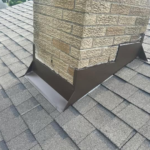
When you’re up there, look at the seams first, since that’s where trouble usually starts. Check the flashing around anything that penetrates the roof, like HVAC curbs, vents, and drains. Look for ponding water that lingers more than a day or two, blisters, cracks, or bare spots where the surface has worn thin. Take dated photos of anything questionable so you can track whether it’s getting worse. When in doubt, call an expert in Pittsburgh roofing before a small gap becomes a soaked ceiling.
Matching the Right System to Your Building
Start with slope, because it narrows the field fast. Flat or low-slope roofs point you toward a membrane: EPDM, TPO, or modified bitumen. A pitched roof opens the door to standing seam metal, which is the strongest performer we install on sloped commercial structures.
Then factor in how long you plan to own the building. Selling in five years? Upfront cost may matter more than a fifty-year lifespan. Holding for the long haul? Spend on lifespan-per-dollar and let the roof pay you back. Finally, think about your rooftop reality — heavy equipment, grease exhaust, or constant foot traffic all push the decision in specific directions.
The Mistakes I See Every Winter
Most roof failures I get called out for weren’t caused by a freak storm. They were caused by neglect that a fifteen-minute walk would have caught. Clogged drains top the list, because trapped water freezes, expands, and works its way under the membrane. Ignored seam separations come next, small at first and expensive by February.
The last one is delayed repairs. A tiny flashing gap costs very little to fix in October. Left through a few freeze-thaw cycles, it saturates the insulation and becomes a bill with a comma in it. In our climate, procrastination is the most expensive roofing material there is.
Protecting Your Investment
Your roof is the one system standing between our weather and everything inside your building. Choose a material that can flex and move through hundreds of freeze-thaw cycles, get it installed by people who know our climate, and give it two honest inspections a year. Do that, and you’ll get every year the manufacturer promised, and often a good many more.
If you’re not sure which system fits your building, that’s a conversation worth having before the next cold snap rather than after it.