If you own or manage a commercial building in Pittsburgh, your roof is taking a beating. Every single season. I have seen firsthand how quickly a roof can go from “fine” to “we need emergency repairs” when property owners underestimate what the local climate does to roofing systems. The commercial roof weather damage Pittsburgh property owners deal with is not limited to one time of year. It is relentless and cumulative.
Understanding how Pittsburgh weather impacts commercial roof performance year-round is the difference between staying ahead of problems and paying for a full replacement ten years too early.
How Does Weather Affect Roofing?
Weather does not damage a roof all at once. It chips away at it slowly, season after season. Freeze-thaw cycles open up tiny cracks in membranes and flashing. Summer UV exposure dries materials out. Rain tests every seal and seam on the surface. Wind pulls at edges and loosens connections over time.
For commercial buildings with flat or low-slope roofs, the stakes are even higher. These roofs do not shed water and snow as efficiently as steep-slope residential systems, which means every weather event lingers longer on the surface. That is why understanding flat roof weather impact is so critical for building owners in this region.
Winter in Pittsburgh: The Most Damaging Season for Commercial Roofs
Winter is where the real punishment happens. Pittsburgh typically sees over 44 inches of snowfall annually, and the region experiences roughly 30 to 40 freeze-thaw cycles each year. That constant shift forces water into small cracks, where it expands as ice and widens the damage with every cycle. Seals break down. Joints separate.
Ice dams are another serious concern. When heat escapes through the roof and melts accumulated snow, the runoff refreezes at the colder eaves. This trapped ice forces water back up under the membrane and flashings, creating leaks that often go unnoticed until interior damage appears. Heavy, wet snow also puts immense strain on flat roofs, sometimes exceeding 15 to 21 pounds per square foot.
Snow Load Risks for Flat and Low-Slope Roofs
Flat commercial roofs are particularly vulnerable to snow accumulation because they lack the pitch to shed it naturally. If drainage systems are compromised, the problem compounds quickly. Proactive snow removal and drain inspections during winter months are essential.
Spring Rainfall and the Waterproofing Test
Spring in Pittsburgh brings frequent and sometimes heavy rainfall. After a harsh winter, your roof’s waterproofing is already under stress. Spring rain exposes every weakness that winter created, and ponding water on flat roofs becomes a major risk. When gutters, drains, and scuppers are clogged with debris from the previous seasons, water pools on the surface and accelerates material breakdown.
I always tell building owners that spring is when the truth comes out. If there is hidden damage from winter, spring rainfall will find it. This is also the ideal time to schedule an inspection and address problems before they escalate through the warmer months.
How Pittsburgh Weather Impacts Commercial Roof Performance in Summer
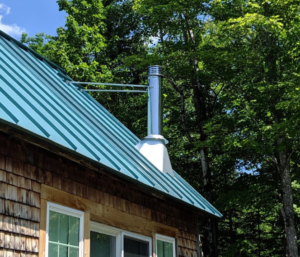
Summer might seem like a reprieve, but it brings its own challenges. Pittsburgh summers regularly push past 90 degrees, and humidity often hovers between 60 and 70 percent. Intense UV exposure breaks down materials, making them brittle and prone to cracking over time.
Thermal expansion is another factor that does not get enough attention. The dramatic swing from freezing winter temperatures to scorching summer heat causes roofing materials to expand and contract repeatedly. This puts extreme stress on seams and flashings, which are already the most vulnerable points on any commercial roof. High humidity also promotes algae and moss growth, which traps moisture against the roof surface and speeds up seasonal roof damage commercial buildings experience throughout the year.
Autumn: Wind, Debris, and the Window for Prevention
Fall is the last chance to prepare before winter arrives. Strong, gusty winds can damage edge securement and peel back flashing that was already weakened during the summer. Falling leaves and branches clog drainage systems, and if left unaddressed, that debris holds moisture against the roof and creates the perfect conditions for deterioration.
An early autumn inspection is one of the smartest investments a property owner can make. Catching and repairing small issues now prevents them from becoming five-figure problems in January. The National Roofing Contractors Association (NRCA) recommends professional inspections at least twice a year, with fall being one of the two most important times.
What Is a Common Reason for Roof System Failure in Commercial Buildings?
The answer might surprise you. It is not usually a single catastrophic event. The most common reason for premature commercial roof failure is deferred maintenance. Small problems like cracked sealant, clogged drains, or minor membrane tears go unaddressed and compound over time. Industry data suggests up to 80 percent of commercial roofs are replaced prematurely because routine maintenance was neglected.
In a climate like Pittsburgh’s, deferred maintenance is especially dangerous. Every season adds new stress to existing weak points. A small crack in March becomes a major leak by December. For more on this, I recommend reading How Pittsburgh’s Weather Impacts Roof Life (and How to Extend It).
How Long Does a Roof Last in Pittsburgh, PA?
Roof lifespan in Pittsburgh depends heavily on the material and how well it is maintained. Here is a general breakdown of what you can realistically expect in this climate:
| Roofing Material | Expected Lifespan (Pittsburgh) | Best For |
|---|---|---|
| Asphalt Shingles | 15 to 30 years | Budget-friendly applications |
| Metal Roofing | 40 to 70 years | Snow load resistance, longevity |
| EPDM (Rubber) | 20 to 30 years | Cold climate flexibility |
| TPO Membrane | 15 to 25 years | Energy efficiency, UV resistance |
| Silicone Coatings | 10 to 20 years (restoration) | Waterproofing, extending existing roofs |
Keep in mind that these numbers assume proper installation and consistent maintenance. Without both, you can easily lose 10 or more years off these projections. Metal roofing stands out as the top performer because it handles thermal expansion, sheds snow efficiently, and resists the commercial roof weather damage Pittsburgh owners face year-round.
Best Roofing Materials for Pittsburgh’s Commercial Buildings
Material selection matters. Metal roofing is the top recommendation for commercial properties in this region because it tolerates wide temperature swings, resists ice damage, and requires minimal maintenance. EPDM rubber membranes also perform well because they stay flexible in cold temperatures, reducing the risk of cracking during freeze-thaw cycles.
TPO and silicone coatings are increasingly popular for roof restoration projects. They reflect UV radiation, provide excellent waterproofing, and can extend the life of an existing roof by 10 to 20 years at a fraction of the replacement cost. For buildings dealing with ongoing flat roof weather impact, a silicone coating system is often the most cost-effective path forward.
How Pittsburgh Weather Impacts Commercial Roof Performance: Protecting Your Investment
Protecting a commercial roof in Pittsburgh comes down to two things: choosing the right materials and committing to a maintenance schedule. Biannual inspections in spring and fall catch problems early. Keeping drains and gutters clear prevents ponding. Addressing minor repairs immediately stops small issues from becoming structural failures.
Pittsburgh’s climate is not going to get easier on your roof. But with the right approach, your roofing system can handle everything this city throws at it. Do not wait for a leak to tell you something is wrong. Stay ahead of seasonal roof damage commercial property owners deal with every year, and your roof will thank you for it.