Replacing a roof is a chance to do right by your home—and the environment. With smart planning, much of what comes off your roof can avoid the landfill and find a second life. Asphalt shingles can be processed into paving materials, tiles can be crushed into aggregate, and metals head back into the manufacturing loop. If you’re exploring recycling roofing shingles in the Pittsburgh area, the path is clearer than ever.
Can roofing shingles be recycled?
Yes. Many residential roofing materials can be recycled or repurposed with the right partners and logistics. Asphalt shingles are commonly processed for hot mix asphalt and base layers in roads and parking lots. Concrete and clay tiles are crushed for landscaping or walkway aggregate, while metal roofing is widely reclaimed through established scrap markets. If you’re coordinating locally, look for contractors who already practice Pittsburgh green roofing methods to streamline the process.
Can Roofing Shingles Be Recycled? Sustainable Options for Residential Projects — What Homeowners Should Know
Think of your roof project in two tracks: installation quality and material recovery. The first protects your home; the second protects your community by reducing waste. A good crew will plan tear-off logistics, keep recyclables clean and dry, and direct each stream to a qualified facility. Teams experienced in sustainable commercial roofing often bring those best practices to residential jobs, which simplifies everything.
What are recycled shingles used for?
Recycled asphalt shingles are typically ground, screened, and blended into paving products. They can enhance hot mix asphalt, provide base layers for drives and walkways, and even serve as patch material for pothole repairs. By substituting a portion of virgin asphalt and aggregates, projects can conserve resources and reduce costs. For a deeper overview of reuse pathways, see the EPA guidance on construction and demolition materials.
Common end uses at a glance
- Hot mix asphalt for roads and parking lots
- Cold patch and pothole repair blends
- Base and subbase layers under drives and sidewalks
- Specialized pellets for climate-variable applications
What is the most environmentally friendly roofing?
Metal roofing is a strong contender. It often contains recycled content, can be fully recycled at end of life, and delivers a long service life—all factors that lower total environmental impact. Concrete and clay tile also perform well due to longevity and the ability to be crushed for reuse. High-quality asphalt systems with solid warranties reduce replacement frequency, which further shrinks the footprint. If you manage multiple properties, align residential choices with sustainable commercial roofing standards for consistency.
How long does it take for asphalt shingles to biodegrade?
Asphalt shingles don’t biodegrade quickly in landfills; think decades, not years. That persistence is exactly why diversion matters. When you route shingles into recycling streams, you capture the asphalt’s value and ease pressure on local disposal sites. It’s a practical step that compounds benefits across neighborhoods, especially after storm events and large reroofing cycles.
Material-by-material recycling guide (residential)
| Roofing Material | Can It Be Recycled? | Typical Second Life | Notes |
|---|---|---|---|
| Asphalt shingles | Yes | Hot mix asphalt, road base | Keep loads clean; avoid mixed debris contamination |
| Metal roofing | Yes | New metal products | Strong scrap markets; high recovery value |
| Concrete/clay tile | Yes | Crushed aggregate | Facilities are less common; transport weight matters |
| Wood shakes | Limited (formal) | Reuse, chipped mulch | Consider donation or on-site chipping |
| Synthetic/composite | Varies | Emerging pilots | Ask manufacturers about take-back programs |
Upgrade ideas that pair with recycling
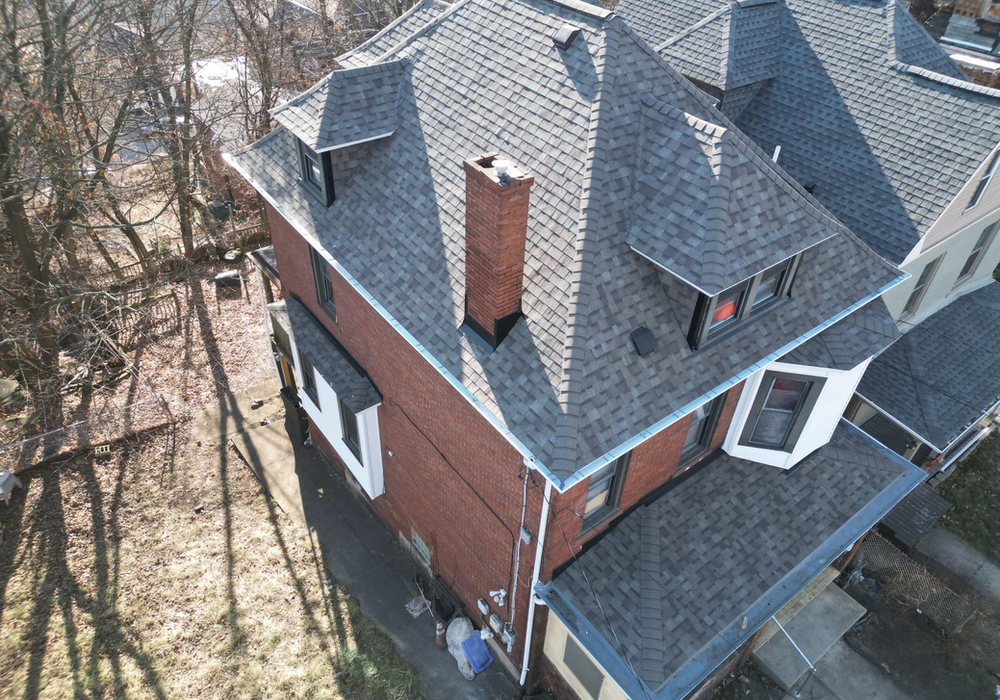
Looking to refresh curb appeal while you plan diversion? Explore color and style options like Enhance Your Home with Atlas Pinnacle® Shingles in Pewter Grey as you finalize your material choices.
Can Roofing Shingles Be Recycled? Sustainable Options for Residential Projects — The Pittsburgh Playbook
In our region, processors and haulers increasingly support asphalt shingle recycling and tile crushing. Start by asking where your tear-off is going and how the load will be kept clean. Some contractors deliver separated loads directly to processors; others work with haulers who sort materials. When you’re focused on recycling roofing shingles as part of a broader exterior refresh, schedule dumpster swaps to avoid contamination after bad weather.
Concrete, clay, wood, and metal: what to expect
Asphalt shingles
Most markets exist for residential tear-offs and manufacturer scrap. Nails and underlayment are typically screened out during processing, but clean loads command better acceptance.
Concrete & clay tile
Not every facility accepts tile, yet where available it’s straightforward: tiles are crushed for aggregate used in landscaping and walkways.
Wood shakes
Formal recycling outlets are rare. Consider on-site chipping for mulch or donate usable pieces to community groups, artists, or makerspaces.
Metal roofing
The sustainability standout. Long life plus robust scrap value makes metal an easy win for recovery and circularity.
Planning tips that make a real difference
Set diversion goals before work begins. Ask for a written plan that names processors, handling steps, and who is responsible for transport and documentation. Choose durable systems with strong warranties to reduce future tear-offs, and consider reflective or lighter colors to improve energy performance. If you want one point of contact, partner with a contractor experienced in Pittsburgh green roofing so material recovery and installation stay aligned.
Costs, logistics, and documentation
Recycling often lowers net disposal costs by reducing landfill tipping fees. Your chief variables are transportation, bin rental duration, and scheduling efficiency. Request weight tickets and receipts as proof of diversion—useful for real estate disclosures and green certifications. Confirm that your hauler or dumpster provider accepts shingle tear-offs specifically earmarked for recycling, not just mixed C&D loads.
Can Roofing Shingles Be Recycled? Sustainable Options for Residential Projects — Action Steps
- Discuss recycling at the estimate stage and add it to the scope.
- Plan bin placement and weather timing to keep loads dry and uncontaminated.
- Verify local acceptance for asphalt, tile, and metal; consider donation or chipping for wood.
- Document diversion and celebrate the win—your driveway might literally include your old roof. For tailored help with recycling roofing shingles and broader planning, coordinate with pros who live and breathe sustainable commercial roofing best practices.
The bottom line
Recycling roofing materials is practical, budget-friendly, and good for the planet. Asphalt shingles often come back as roadways, metals return to the manufacturing loop, and tiles become useful aggregate. With a clear plan and the right partners, your project can divert a significant portion of tear-off material from the landfill. If you’re ready to move forward, tap local experts committed to Pittsburgh green roofing to make the process smooth from start to finish.