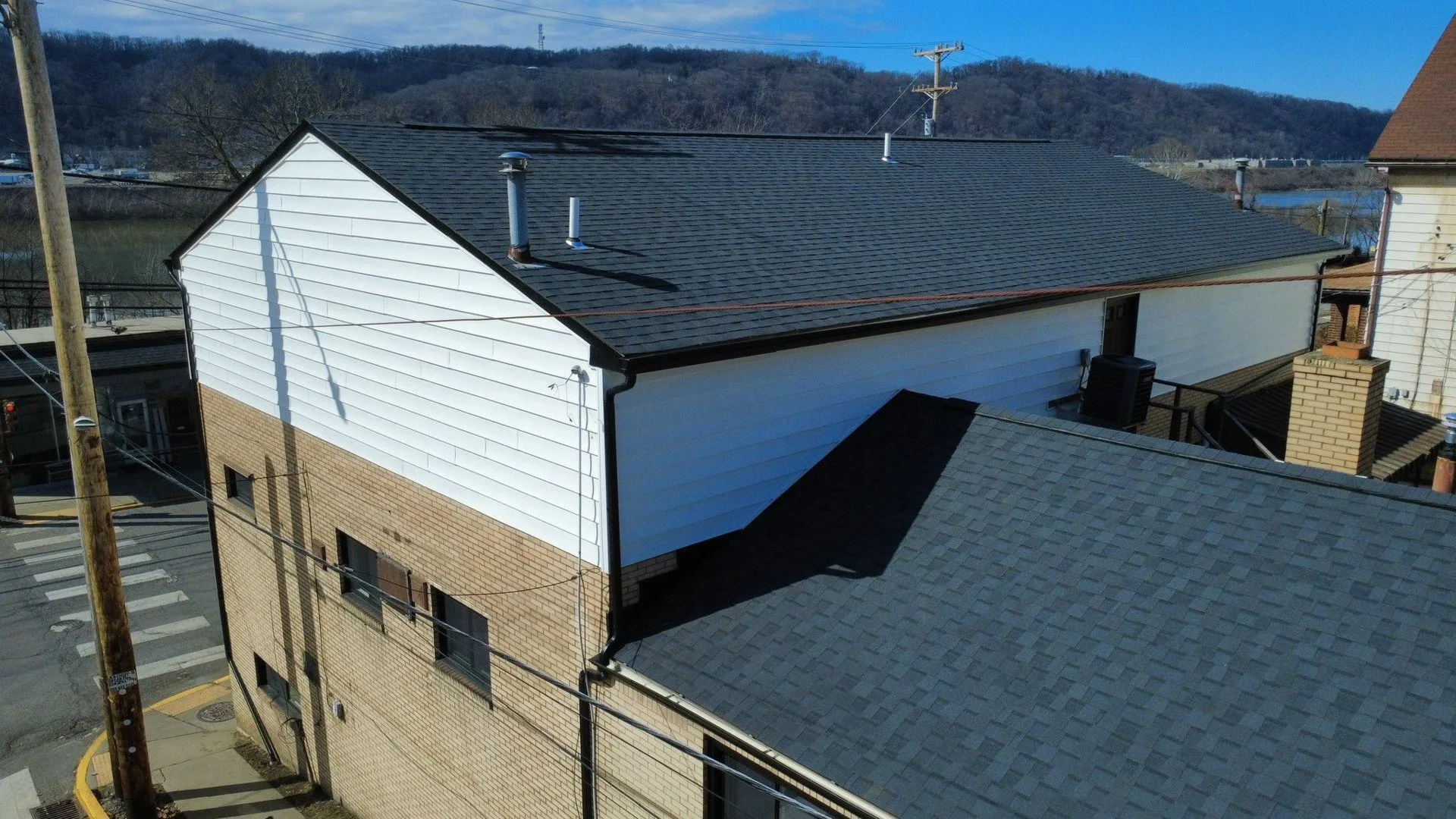
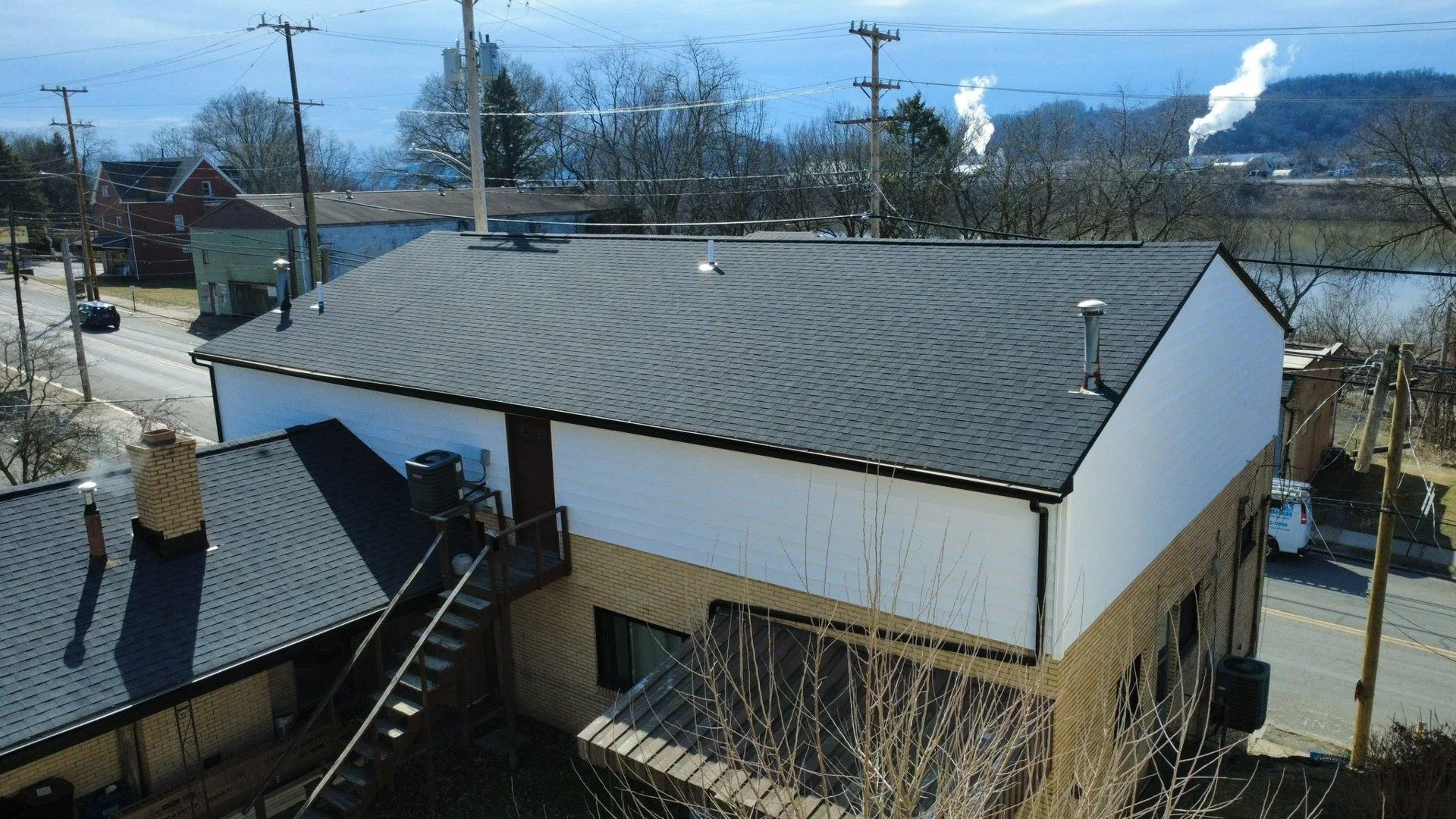
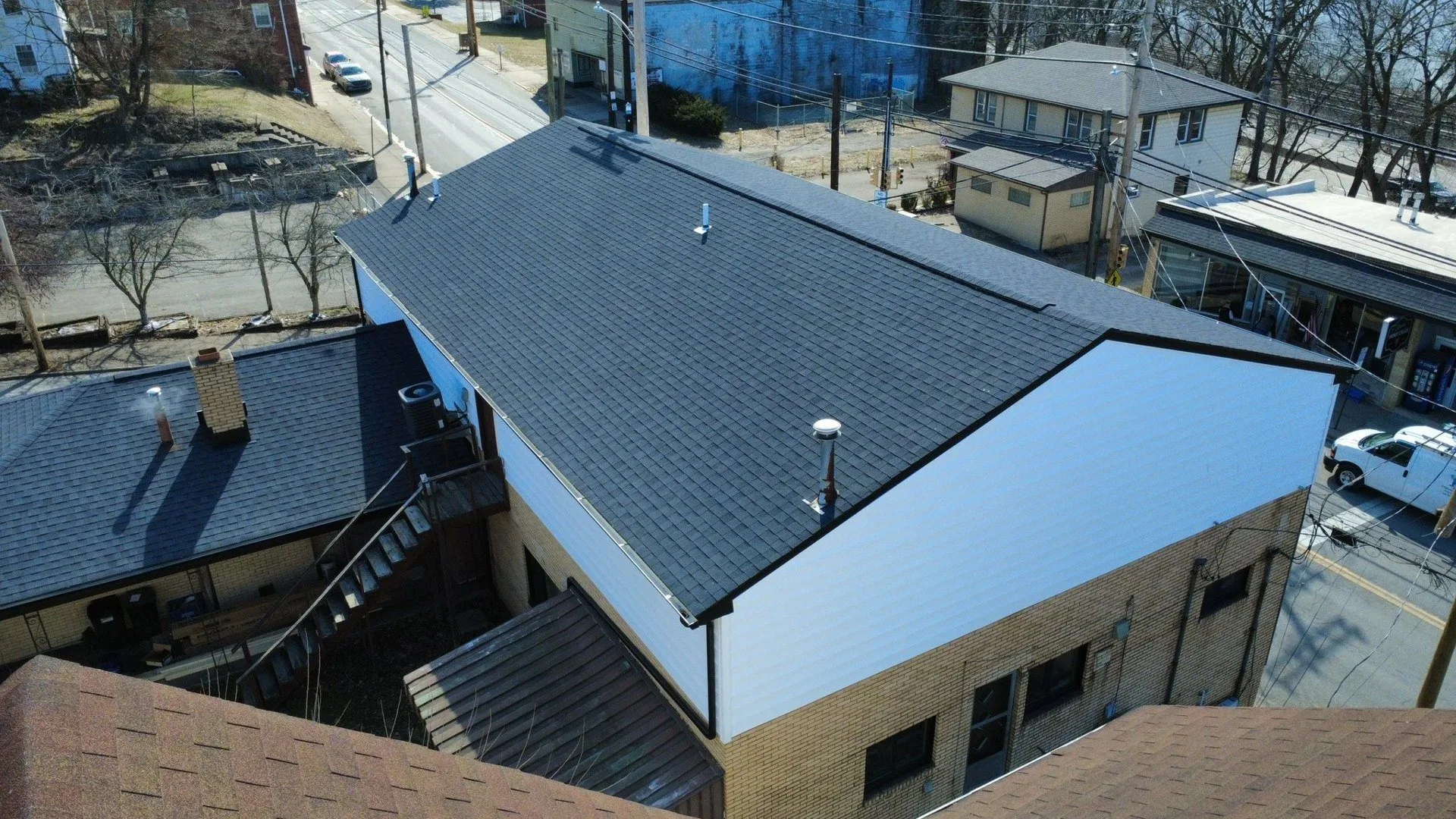
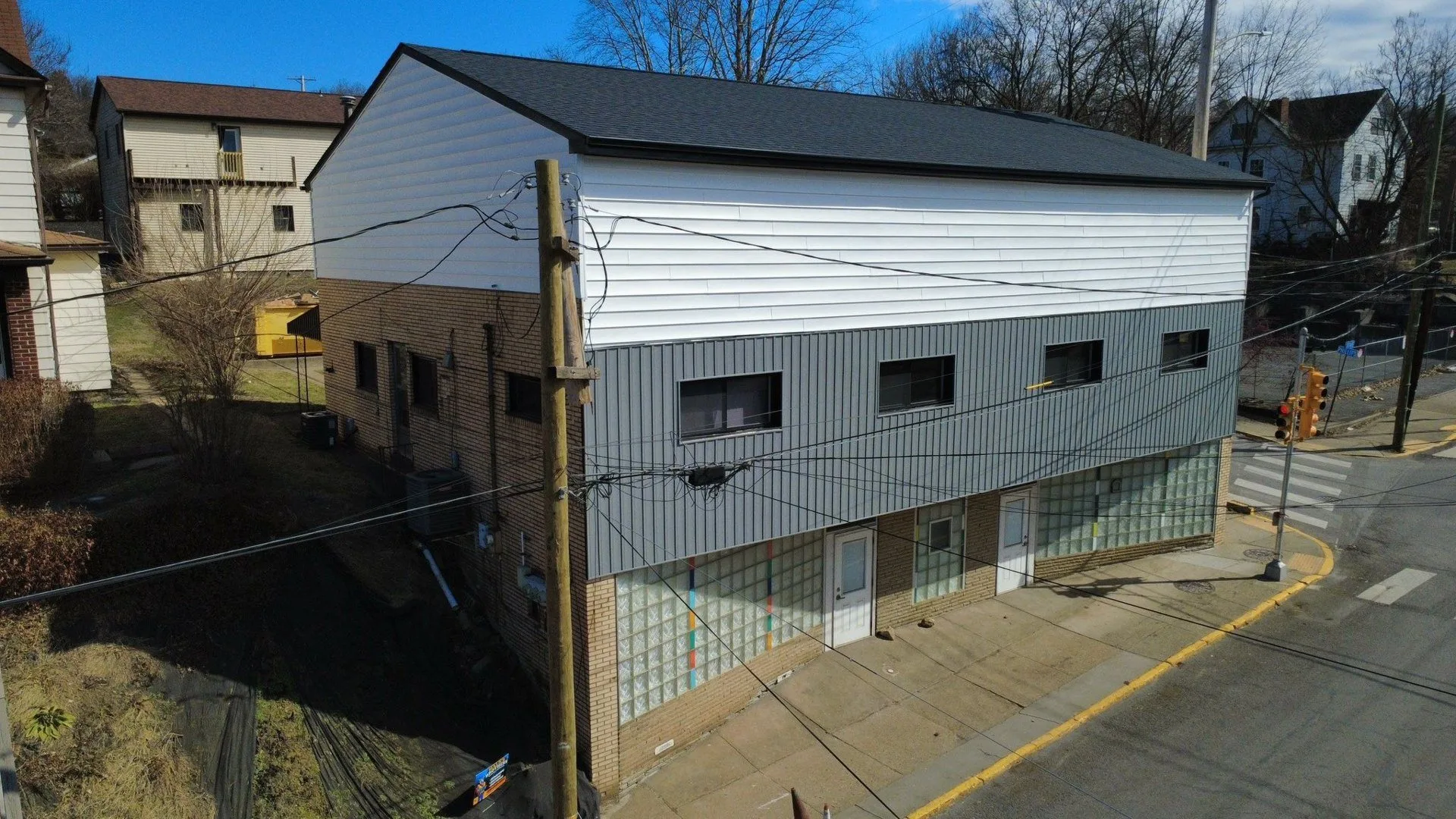
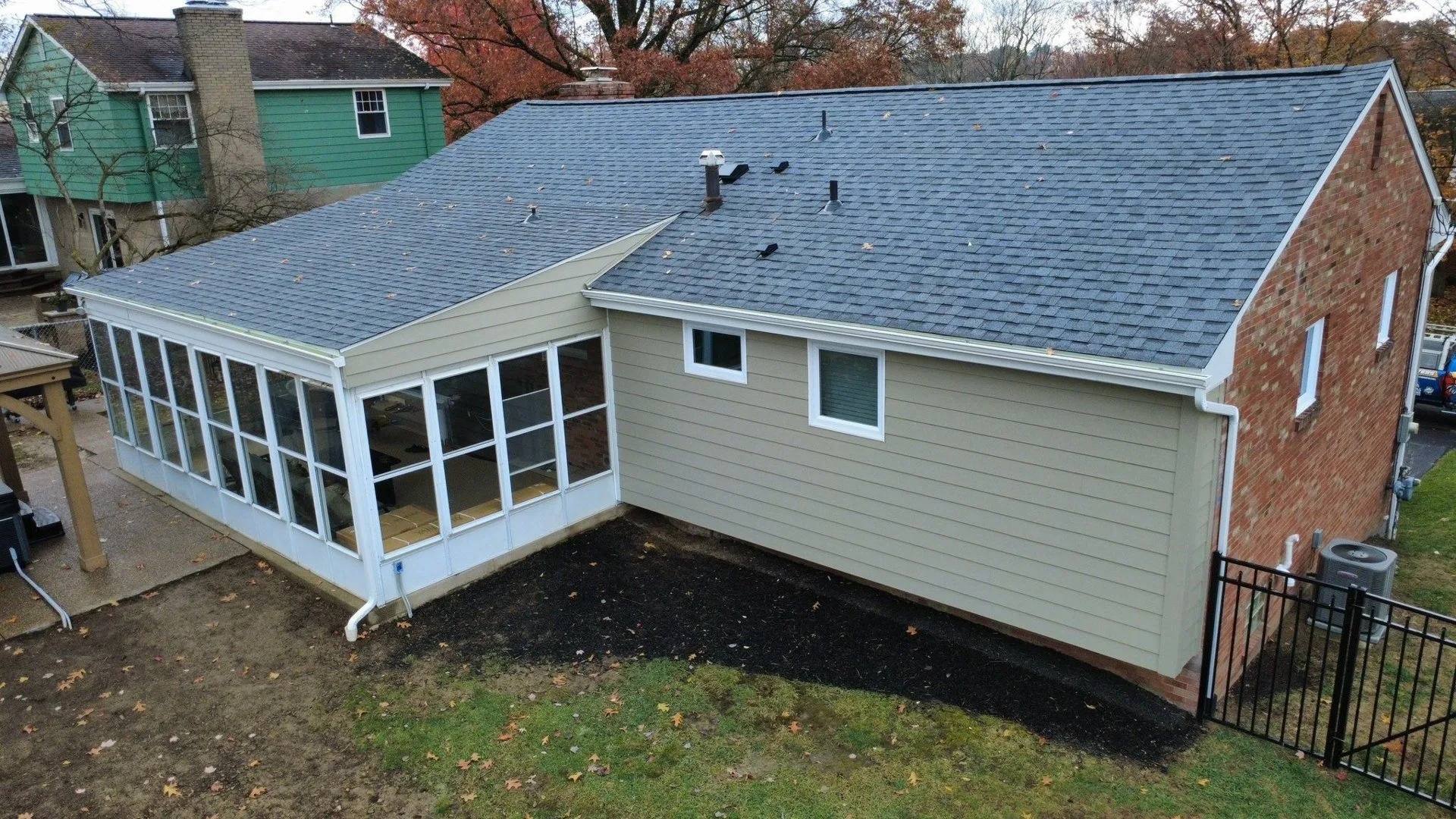
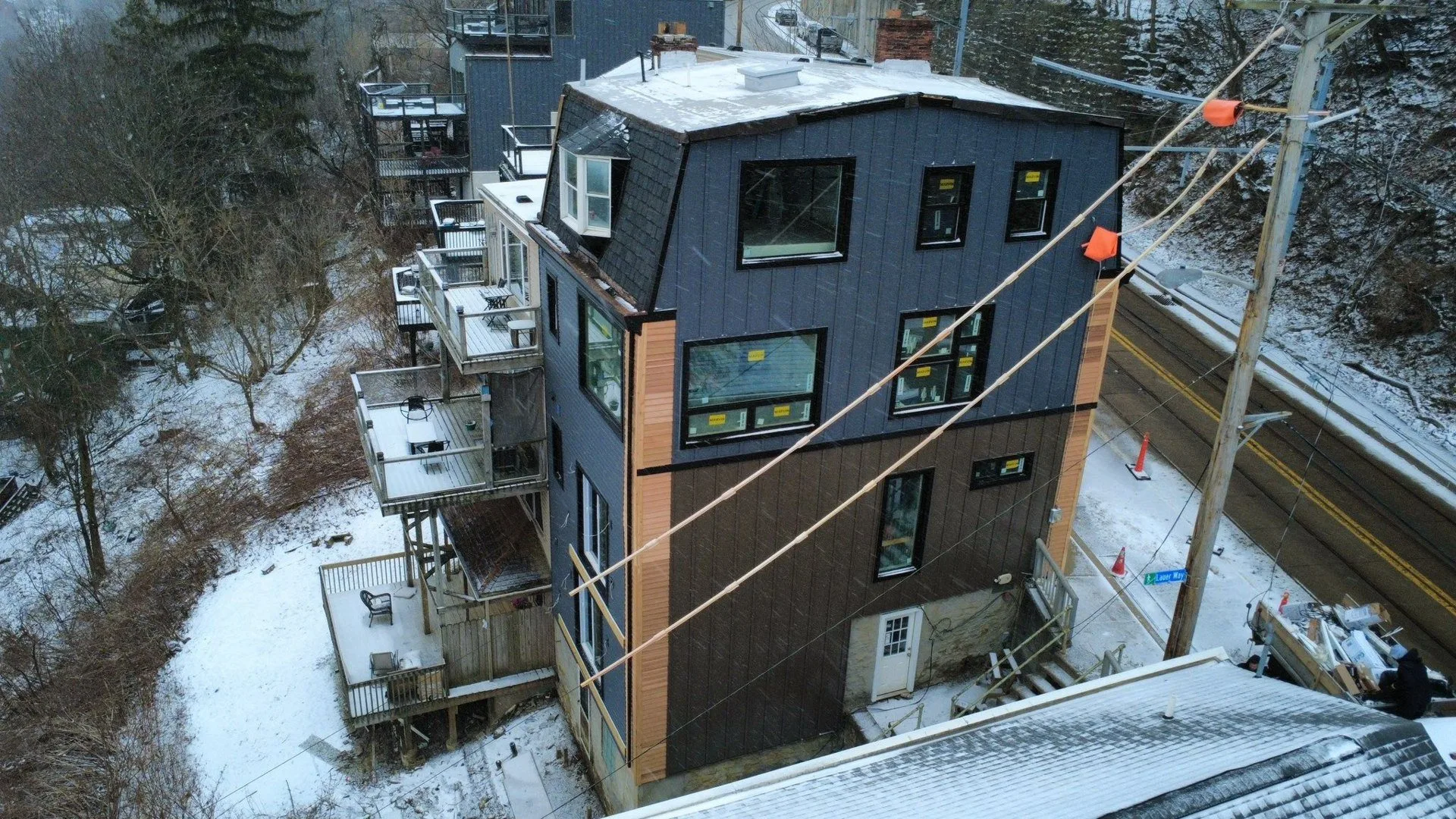
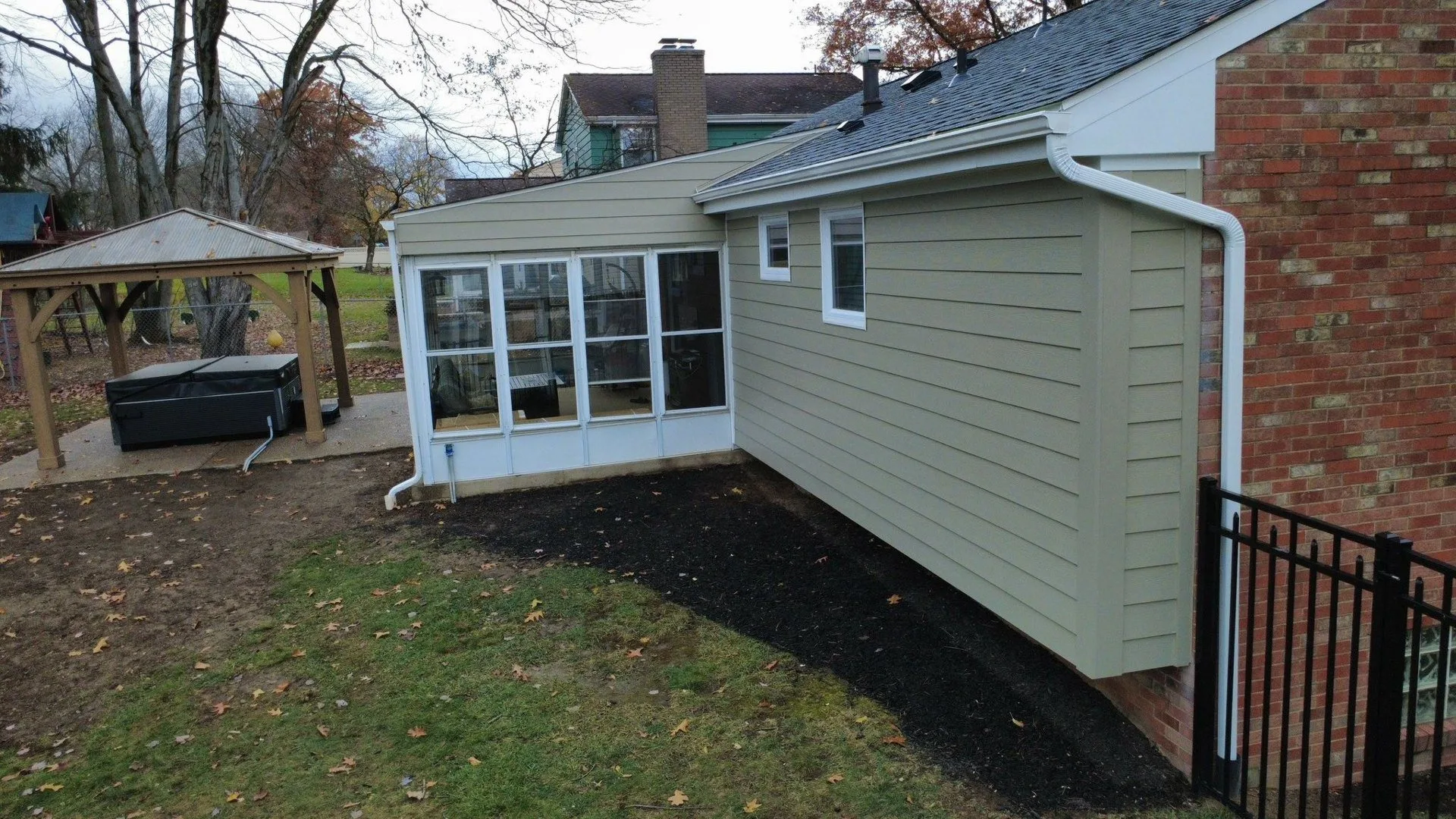
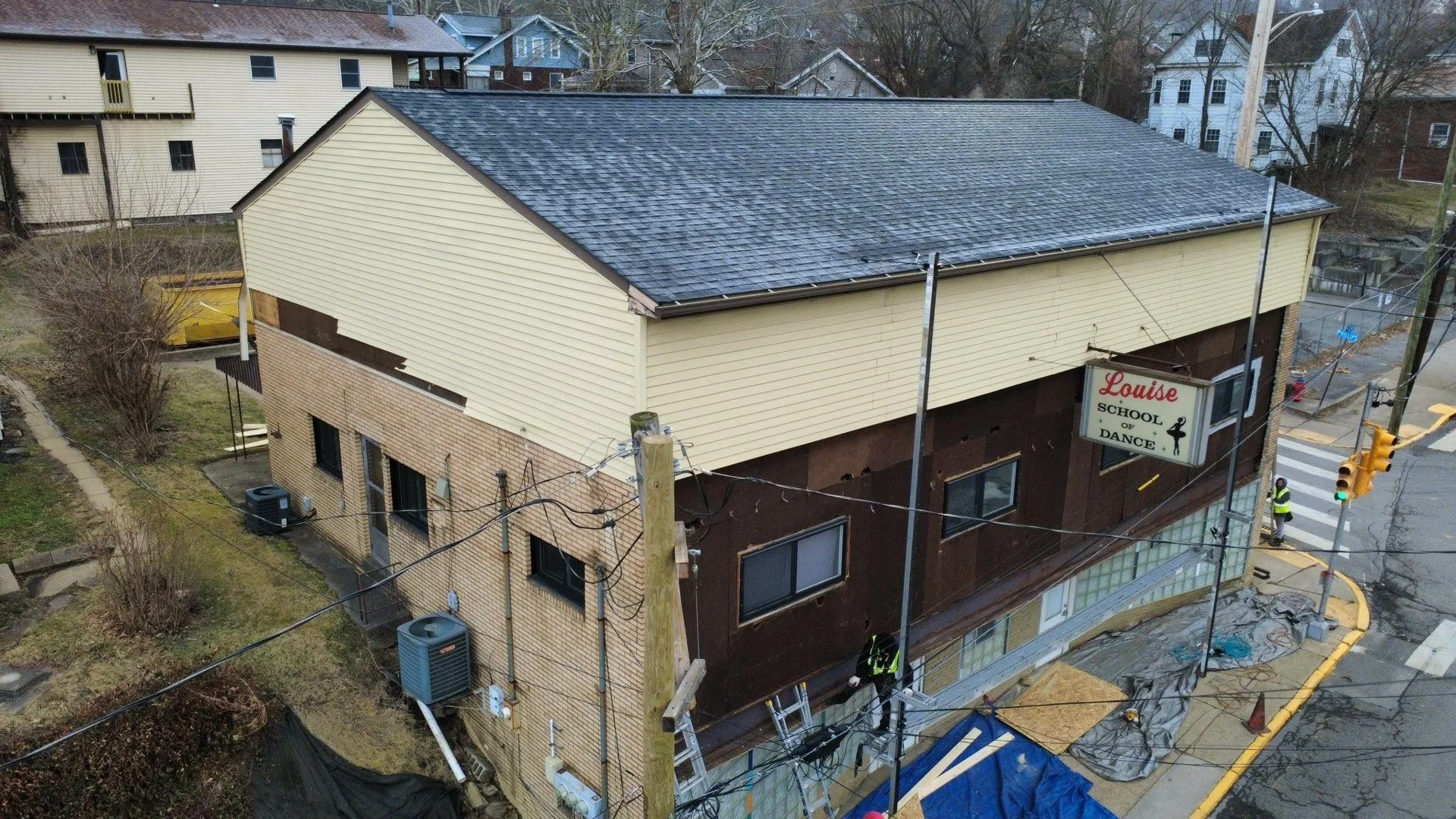
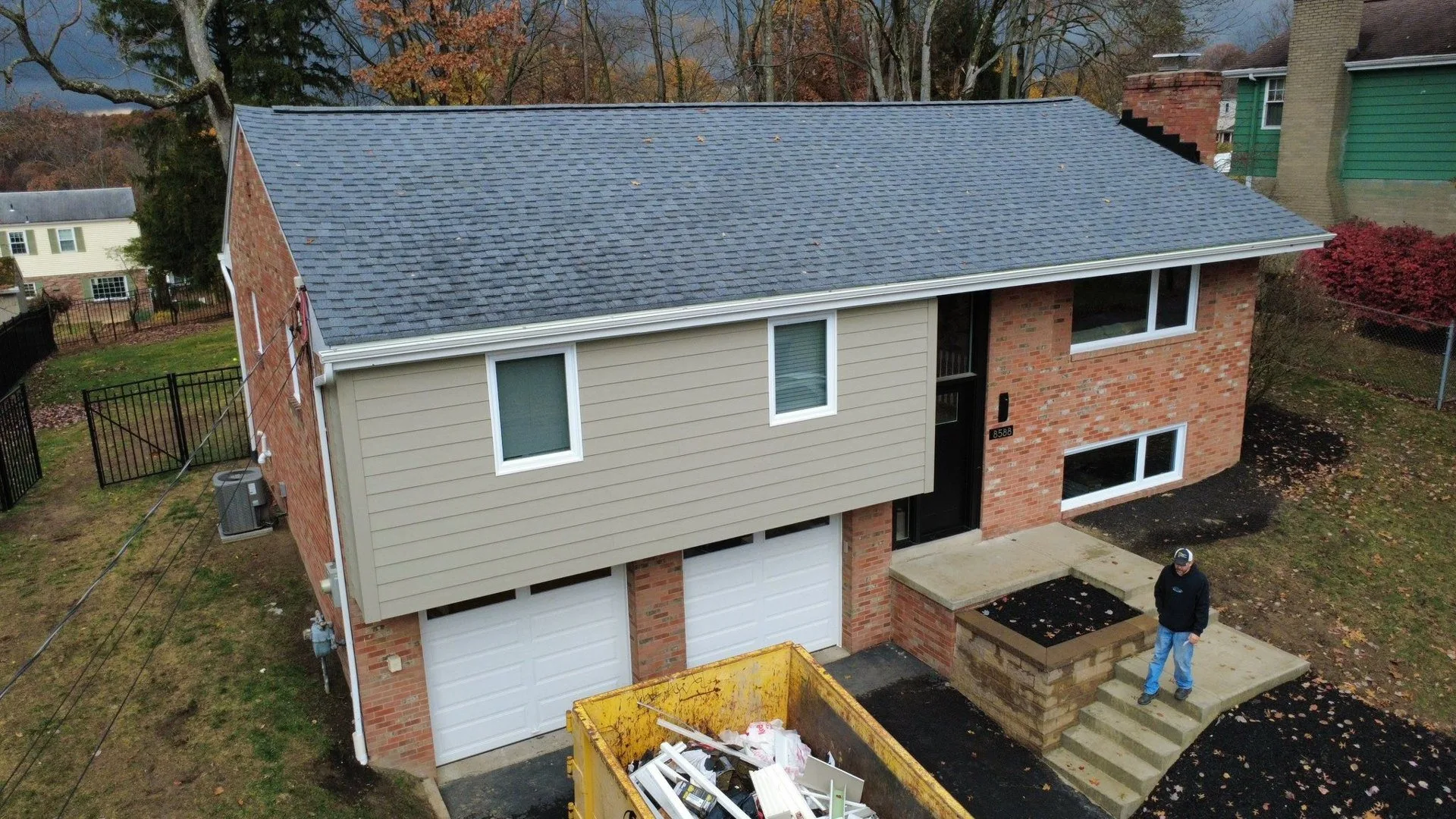
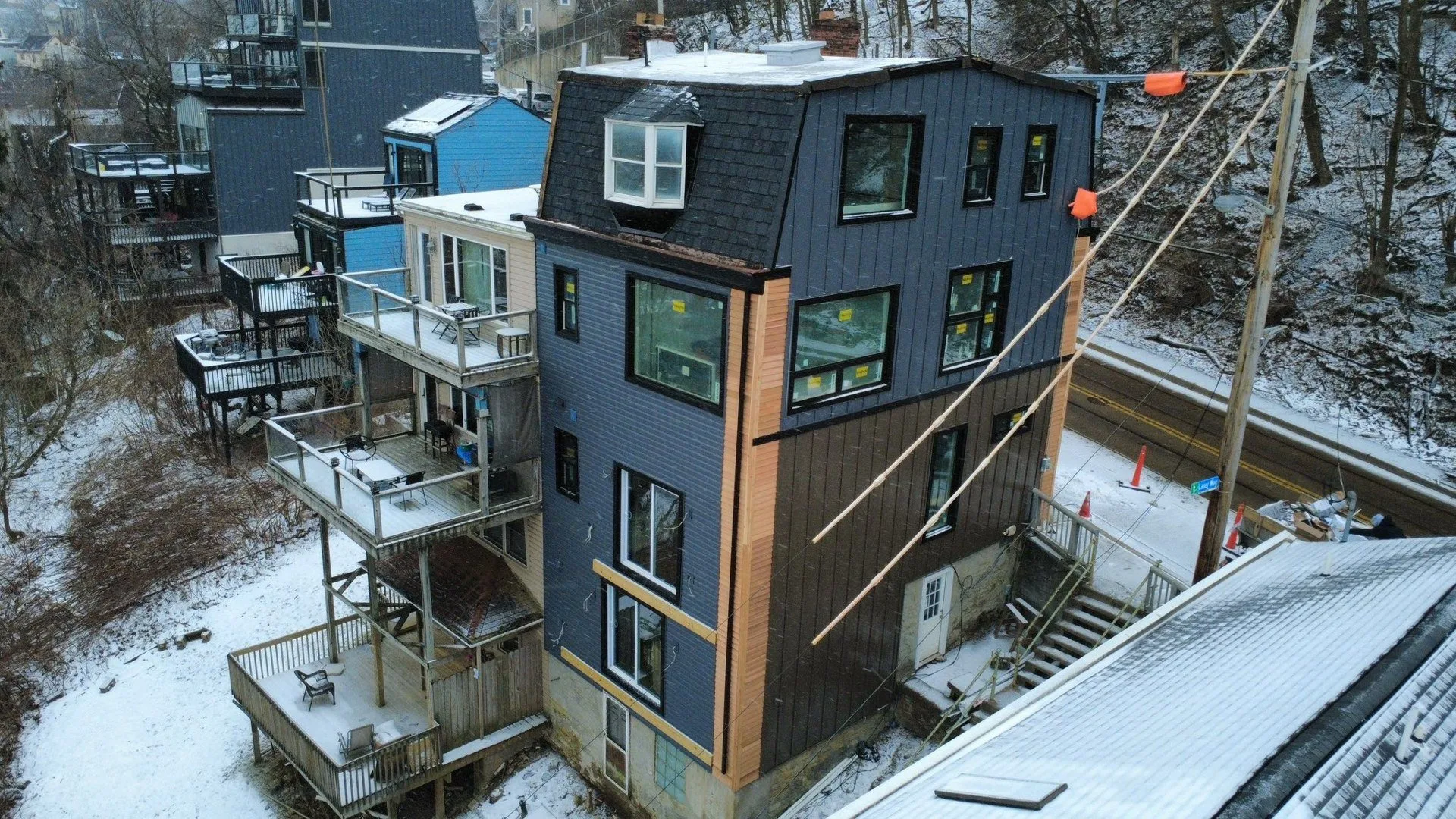
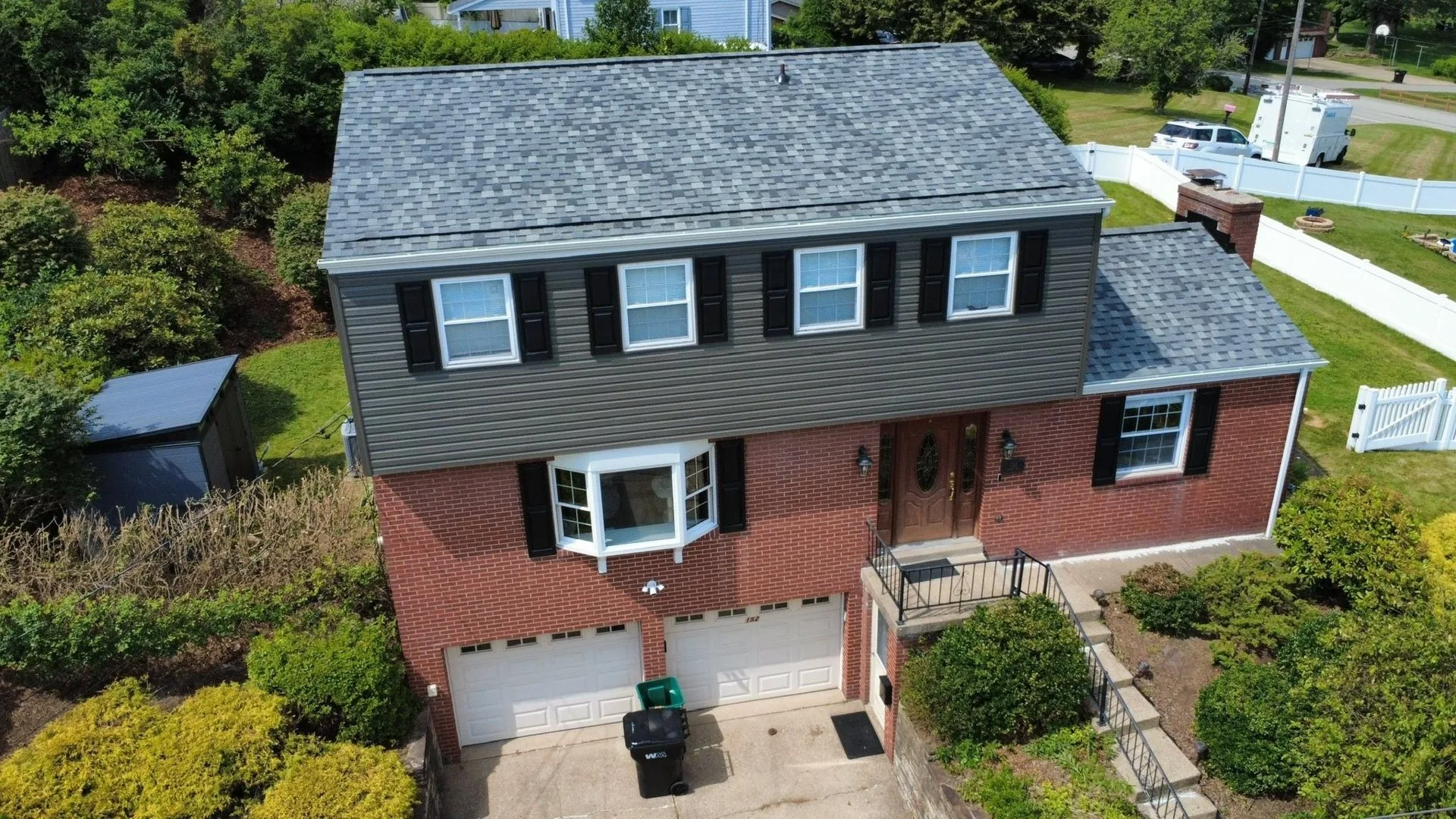
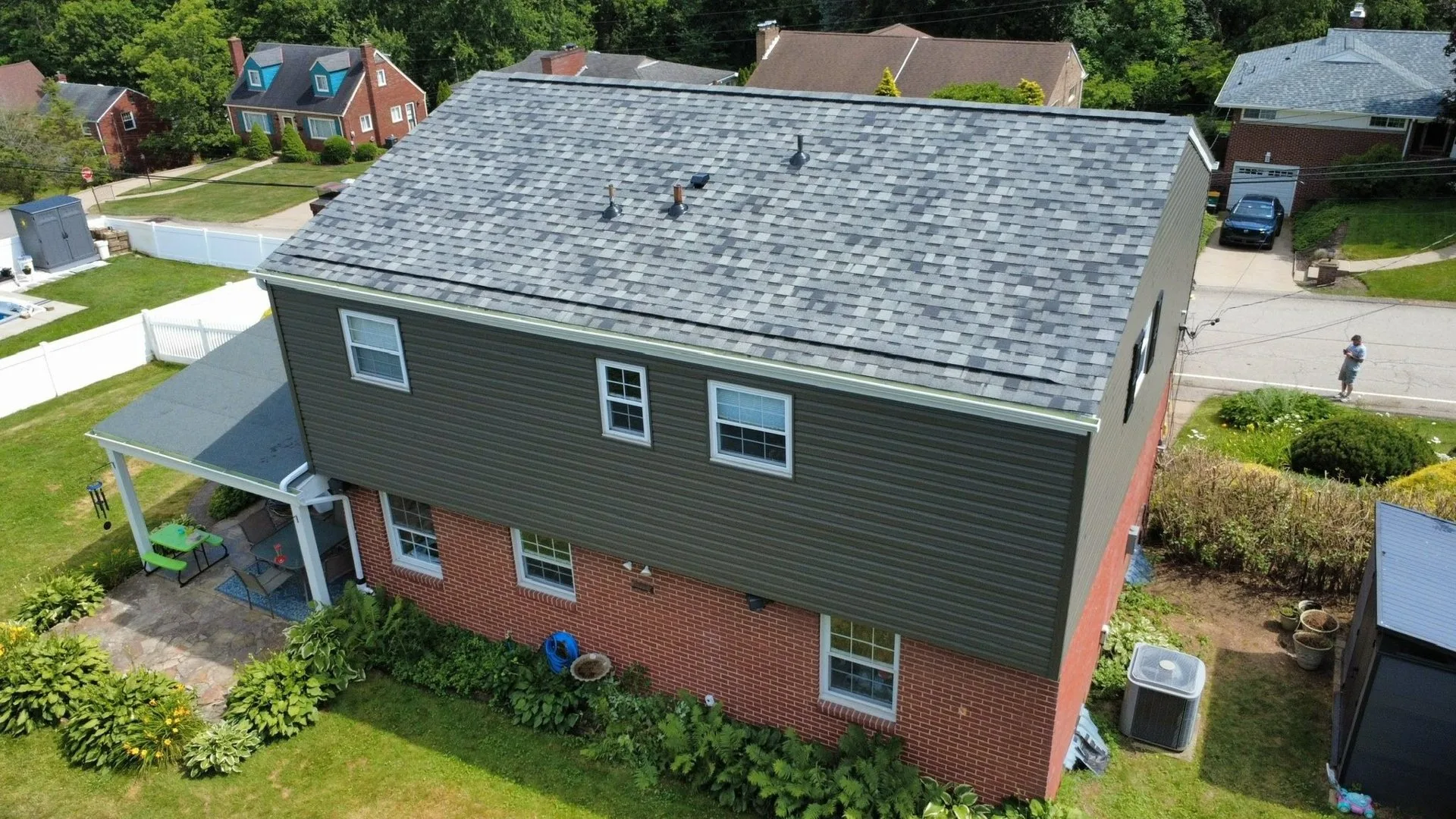
I still think about a house we worked on near Ninth Avenue a few winters back. The owner, a retired teacher named Don, had bought the place cheap and wanted that dated 1960s aluminum gone before spring. He figured a weekend with a pry bar would do the trick. Two panels in, we found a layer of cracked, chalky paint underneath, and Don’s “easy weekend” turned into a serious conversation about lead testing.
That moment is exactly why folks ask us this question every season. The metal itself is not the danger. What sits behind it, hidden for fifty or sixty years, is where the real story lives. So let me walk you through what we have learned pulling panels off homes all over this town.
What We Usually Find Behind the Metal
Beaver Falls has a lot of housing stock from the mill years, and aluminum was the upgrade of choice back then. Crews would nail it right over whatever was already there, wood clapboard, cement board, sometimes both. Removing it is less like a demolition and more like opening a time capsule. Most of the risk has nothing to do with the aluminum and everything to do with those buried layers.
Here is a quick look at the three things we brace for on an older home.
| What We Find | How Risky | What It Means For You |
|---|---|---|
| Lead-based paint | High if disturbed | Regulated cleanup, certified crew |
| Asbestos-cement board | High if cut or broken | Specialized testing and disposal |
| Wood rot or mold | Moderate | Repairs before new siding goes up |
So, Is Old Aluminum Siding Safe to Remove in Beaver Falls?
Yes, with the right precautions. The aluminum comes off cleanly and safely when you respect what might be under it. The trouble starts when someone rips into a pre-1978 wall with a grinder and sends lead dust drifting across the yard where kids and pets play. Handle the hidden hazards correctly and the job is routine. Skip that step and you have turned a cosmetic project into a health problem.

Lead Paint: The Quiet Problem in Pre-1978 Homes
If your house went up before 1978, assume the original surface under the metal carries lead paint until a test proves otherwise. Lead does not announce itself. It hides in chalky, peeling, or perfectly intact paint and becomes dangerous the moment you start scraping, sanding, or prying. This is the single biggest reason I tell people to slow down before they begin.
Why the 20-Square-Foot Rule Matters
The federal rules are not vague about this. Any exterior work that disturbs more than 20 square feet of painted surface on a pre-1978 home triggers lead-safe work practices, which means dust containment and careful cleanup. Stripping a full wall of siding blows past that number in minutes. A trained siding contractor already knows how to contain the debris so it never reaches your soil or your neighbor’s.
Test First, Tear Later
You can have those buried layers tested before a single panel comes down. Testing is cheap compared to a cleanup gone wrong, and it tells you exactly what you are dealing with. If lead shows up, the work simply follows a stricter playbook. You can read the federal guidance straight from the source on the EPA’s Renovation, Repair and Painting program page.
When Asbestos Shows Up Under the Panels
Here is the curveball. In a fair number of older Beaver Falls homes, that aluminum was nailed directly over asbestos-cement siding. Left alone and sealed under the metal, it sits there harmlessly. The danger comes when it gets snapped, cut, or crumbled and releases fibers into the air. If we find it, we stop, test, and use the proper disposal channels rather than tossing it in a dumpster.
This is not a scare tactic. It is the reality of the era these homes were built in. An experienced siding contractor knows the disposal rules cold, which keeps everyone safe and keeps you out of legal trouble.
Can You Remove Aluminum Siding Without Damaging It?
You can, and plenty of homeowners do it themselves for this very reason. Aluminum panels lock together, so the trick is unhooking them rather than yanking. A zip tool, sometimes called an unlocking tool, slides under the seam and releases each panel from the one below it. Work from the top down, stay patient, and the panels come off in reusable shape.
Why bother keeping them intact? Clean, unbent aluminum is worth more at the scrap yard, and it makes the whole site easier to manage. If you are planning a full aluminum siding replacement anyway, intact panels still pay off at the recycler instead of crowding a landfill.
How to Dispose of Aluminum Siding?
This is the easy part, and it can even put a little money back in your pocket. Aluminum is one of the most recyclable materials out there, so it almost never belongs in the trash. A few solid routes:
- Haul it to a local scrap metal buyer, where clean aluminum carries real cash value
- Arrange a scrap pickup if you have a large volume
- Let your contractor fold removal and recycling into the project
The cleaner and more separated the metal, the better the price. Pull off any attached trim or fasteners that are not aluminum, since mixed loads always pay less.
Will Homeowners Insurance Cover Rotted Siding?
Usually not, and this one catches people off guard. Standard policies treat gradual wear, moisture damage, and rot as maintenance issues, which land on the owner rather than the insurer. If your siding rotted slowly over years of trapped moisture, expect a denied claim.
There is an exception worth knowing. If the rot traces back to a sudden, covered event like a burst pipe or storm damage, your policy may step in. The cause matters far more than the damage itself. When in doubt, document everything and call your agent before you start tearing anything out.
The Bottom Line: Is Old Aluminum Siding Safe to Remove in Beaver Falls?
It is safe when it is done with your eyes open. Test for lead and asbestos, contain the dust, recycle the metal, and check for rot before you close the wall back up. None of that is complicated, yet all of it matters. Don, by the way, got his lead test, we handled the layers properly, and his new siding has looked sharp for three winters running.
If you would rather not gamble with the hidden stuff, that is what we are here for. Our team handles testing, safe removal, and clean siding installation from start to finish, so you never have to guess your way through an aluminum siding replacement. While you are weighing your options, give our breakdown of the Problematic Siding Choices Homeowners Should Skip a read so your next exterior lasts decades, not seasons.