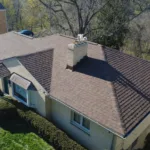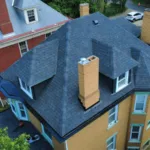
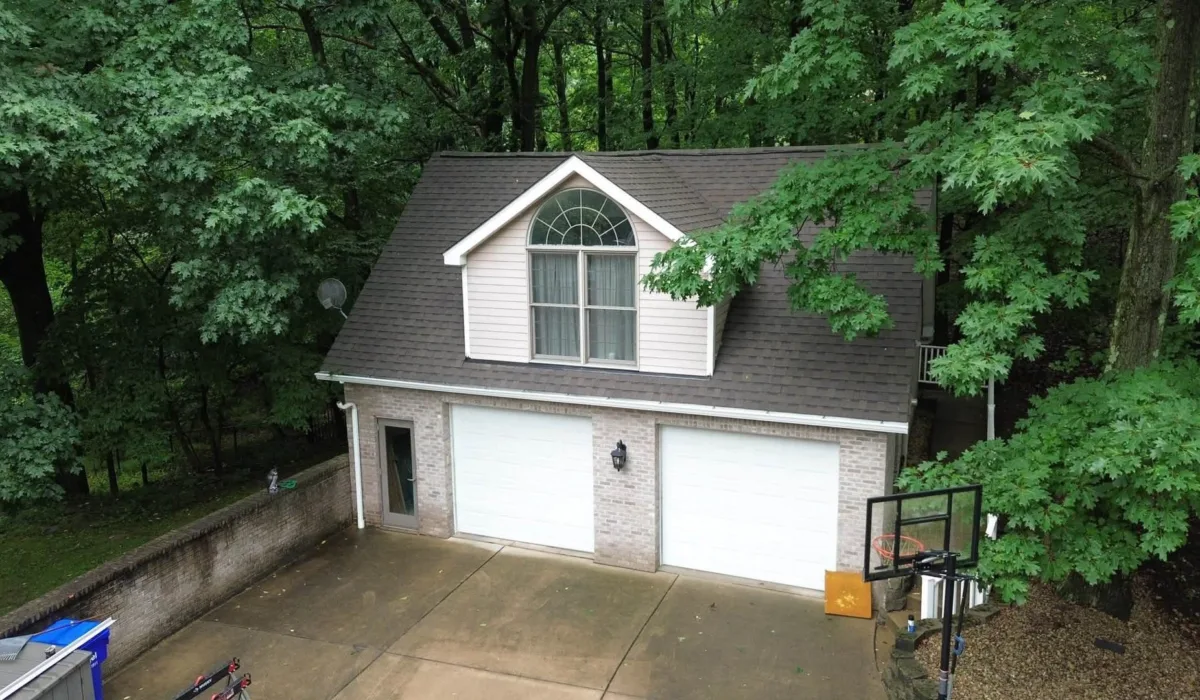
Most Pittsburgh homeowners never think about the roof until water shows up on a ceiling. By then the damage has usually been building for months. A professional roof inspection in Pittsburgh catches the small problems first: a lifted shingle on a windward slope, a rusted pipe boot, a chimney counter flashing that has pulled away from the mortar. We are Malick Brothers Exteriors, a family owned roofing company based at 500 Perry Highway in West View, and we inspect roofs across the North Hills and the rest of Allegheny County every week. This guide explains how often a roof inspection makes sense here, what a real inspection covers, when to call right away, and how to tell a trustworthy inspector from a sales visit.
Do You Need a Roof Inspection Every Year in Pittsburgh?
For most homes in this region, yes. The National Roofing Contractors Association (NRCA) recommends checking a roof twice a year, in spring and fall, and after any major storm. Pittsburgh weather makes that advice more than a formality. The area sees repeated freeze and thaw cycles between November and March, heavy wet snow, spring wind events, and summer thunderstorms with hail. Each of those stresses shingles, sealant, flashing and gutters in a different way.
A sensible schedule for Pittsburgh roofs:
- Roofs under 10 years old: a professional inspection every year or two, plus a check after any storm with high wind or hail.
- Roofs 10 to 20 years old: an annual roof inspection. This is the age when sealant strips weaken, granules thin out and pipe boots crack.
- Roofs over 20 years old, slate roofs, and low slope roofs: once a year at minimum, ideally spring and fall. Older three tab shingles, slate with aging nails and flat rubber seams all fail quietly.
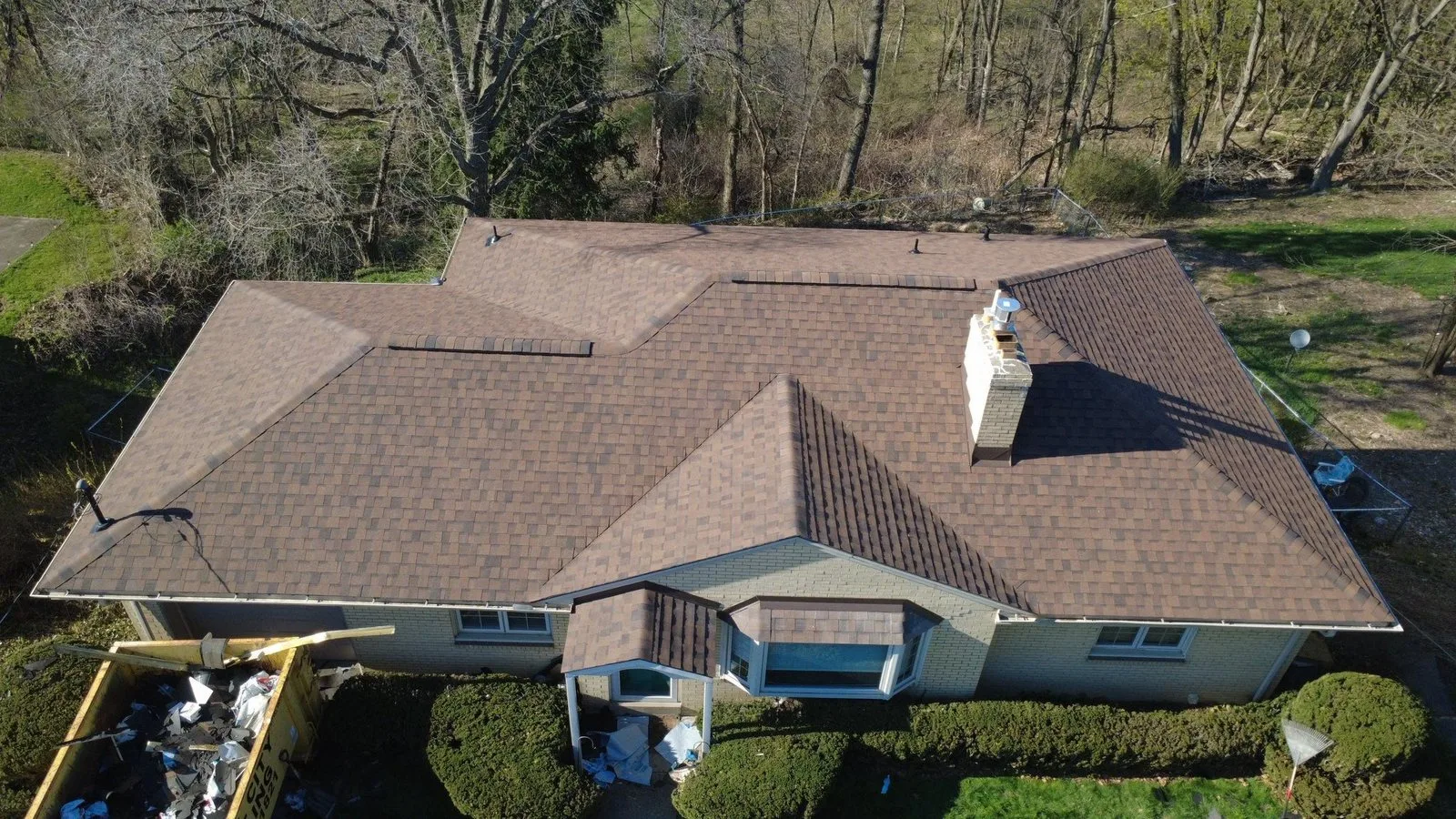
Many homes we work on in Ross Township, Shaler, Bellevue and the city neighborhoods were built before 1960, with steep slopes, several roof planes, box gutters, old chimneys and additions where two roof styles meet. More transitions mean more places for water to get in, which is why a yearly look pays off on older Pittsburgh housing.
What a Residential Roof Inspection in Pittsburgh Covers
A roof inspection is more than a glance from the driveway. When our crew inspects a home we walk the roof whenever it is safe to do so and check the attic from inside. A complete residential roof inspection covers:
- Shingles or roof covering: curling, cupping, cracked tabs, missing shingles, exposed nail heads and granule loss. On slate we look for slipped, cracked or delaminating pieces and failing nails.
- Flashing: chimney step and counter flashing, wall flashing where a roof meets siding, valley metal, and flashing around skylights. Flashing failures cause more Pittsburgh leaks than shingle failures do.
- Penetrations: plumbing vent boots, furnace and water heater exhaust vents, attic fans and satellite mounts. Rubber pipe boots often split after 10 to 15 years of sun.
- Ventilation: ridge vents, soffit vents and attic airflow. Poor ventilation cooks shingles in summer and feeds ice dams in winter.
- Gutters, downspouts and drip edge: sagging sections, pulled hangers, clogs, and whether water is draining away from the foundation. Box gutters on older homes get special attention because they sit inside the roof line.
- Attic and interior: stained sheathing, damp insulation, daylight through the deck, rusty nail tips and mold.
- Low slope and flat sections: on rubber (EPDM), modified bitumen or coated roofs we check seams, ponding areas, blisters and terminations at walls and drains.
You should receive a written summary with photos, a clear statement of whether the roof needs nothing, a roof repair, or a replacement plan, and an honest estimate of remaining service life.
Why Pittsburgh Weather Makes Annual Roof Inspections Worth It
Inspections prevent bigger repairs everywhere, but the reasons are specific to this climate.
Freeze and thaw cycles. Pittsburgh winters hover around the freezing mark for weeks at a time. Meltwater runs into tiny gaps at flashing and shingle edges, freezes overnight and pries the gap wider. Over a winter a hairline opening becomes a leak.
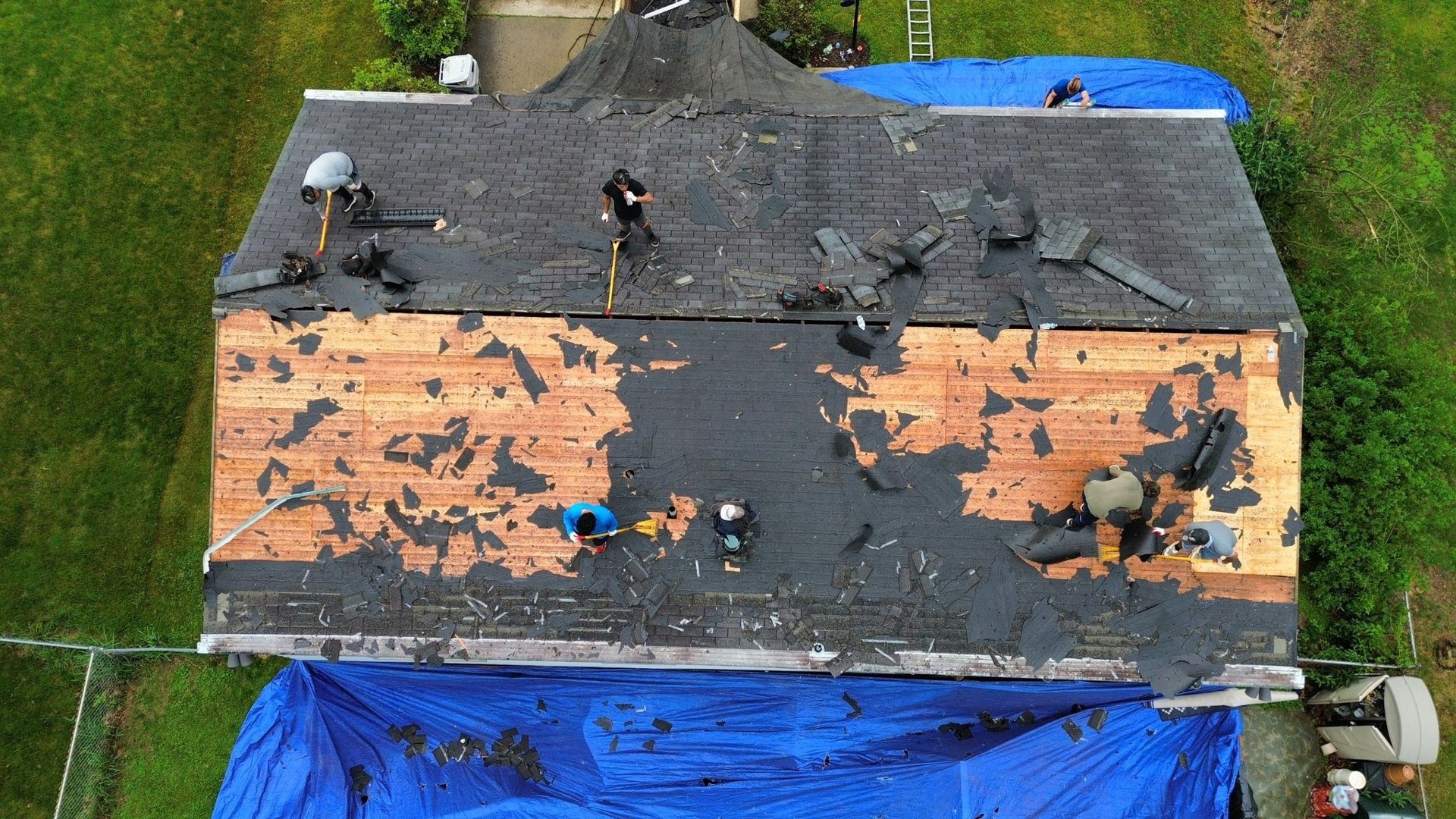
Ice dams. Heavy snow on a poorly ventilated attic melts from below, runs to the cold eave and refreezes. The ice ridge backs water up under the shingles. An inspection that catches blocked soffit vents or thin attic insulation in the fall prevents the dam in January.
Wind and hail. Spring and summer storms lift shingles whose sealant has aged and bruise them with hail. A lifted shingle may lie back down and look fine from the ground while the seal underneath is broken, and hail damage often does not leak for a year, which is why a post storm inspection with photos matters for any insurance claim.
When to Schedule a Roof Inspection Right Away
Do not wait for your annual visit if any of these apply:
- A storm with high wind or hail has passed through, or you see shingle pieces or granule piles in the yard or at the downspout outlets.
- A ceiling stain appears or grows, even a small one. A stain means water has already been in the attic for a while.
- You are buying a home. Home inspectors in Pennsylvania often evaluate the roof from the ground or a ladder, and some will not walk a steep or slate roof at all. A roofer's inspection before closing tells you what the general inspection could not.
- You notice daylight in the attic, a sagging roof line, or shingles that look wavy from the street.
- Your gutters are overflowing or pulling away. Gutter problems and roof problems usually travel together, and our gutter services team checks both.
The Best Time of Year for a Roof Inspection in Pittsburgh
Spring and fall are the two best windows. A spring inspection finds the damage winter left behind: lifted shingles, flashing opened by ice, gutters pulled loose by snow load. A fall inspection prepares the roof for winter by clearing debris, resealing exposed nails and fixing anything that would become an ice dam leak.
We work all winter, so a roof inspection in Pittsburgh is available in any month. The only real limit is safety. We do not walk a roof covered in snow or ice, so a January inspection may be done from the attic, the ladder and the ground until the roof clears. If you have an active leak in winter, call anyway. A temporary repair now beats rotted decking in April.
Home Inspector, Drone Service, or Roofing Contractor?
Searches for roof inspection services in Pittsburgh turn up three kinds of providers. They are not interchangeable.
| Provider | What you get | Best for |
|---|---|---|
| General home inspector | Visual review of the whole house, roof usually from the ground or a ladder, written report | Real estate transactions where the whole property needs a report |
| Drone inspection service | High resolution photos of every slope, no one on the roof | Very steep, tall or slate roofs, documentation after a storm |
| Licensed roofing contractor | Hands on inspection of shingles, flashing, attic and gutters, repair or replacement estimate | Maintenance, leaks, warranty service, insurance claims, roofs over 10 years old |
Only a roofing contractor can tell you by touch whether a shingle seal is broken or a flashing is sealed rather than caulked. The trade off is that some contractors treat an inspection as a sales appointment. Ask for the photos, ask what does not need to be done, and get the findings in writing.
How to Choose a Roof Inspection Company in Pittsburgh
Before anyone climbs your roof, check three things:
- Pennsylvania HIC registration. Every home improvement contractor in the state must be registered with the Attorney General. Look the number up at the PA Attorney General HIC search. Ours is PA174918.
- Manufacturer standing. Certified installers can offer system warranties that general contractors cannot. We are an AtlasPro+ Platinum Select contractor, which lets us offer the Atlas 50 year warranty on complete Atlas roof systems, and we are MuleHide certified for .060 EPDM, two ply low slope and silicone coating systems on flat roofs.
- Local track record. Look at recent Google reviews and recent job photos in your area. Our shop is in West View, the company is BBB A+ accredited, and we have photos from jobs in Ross Township, Allison Park, Bellevue, Mars, Cranberry Township, Fox Chapel and across the city.
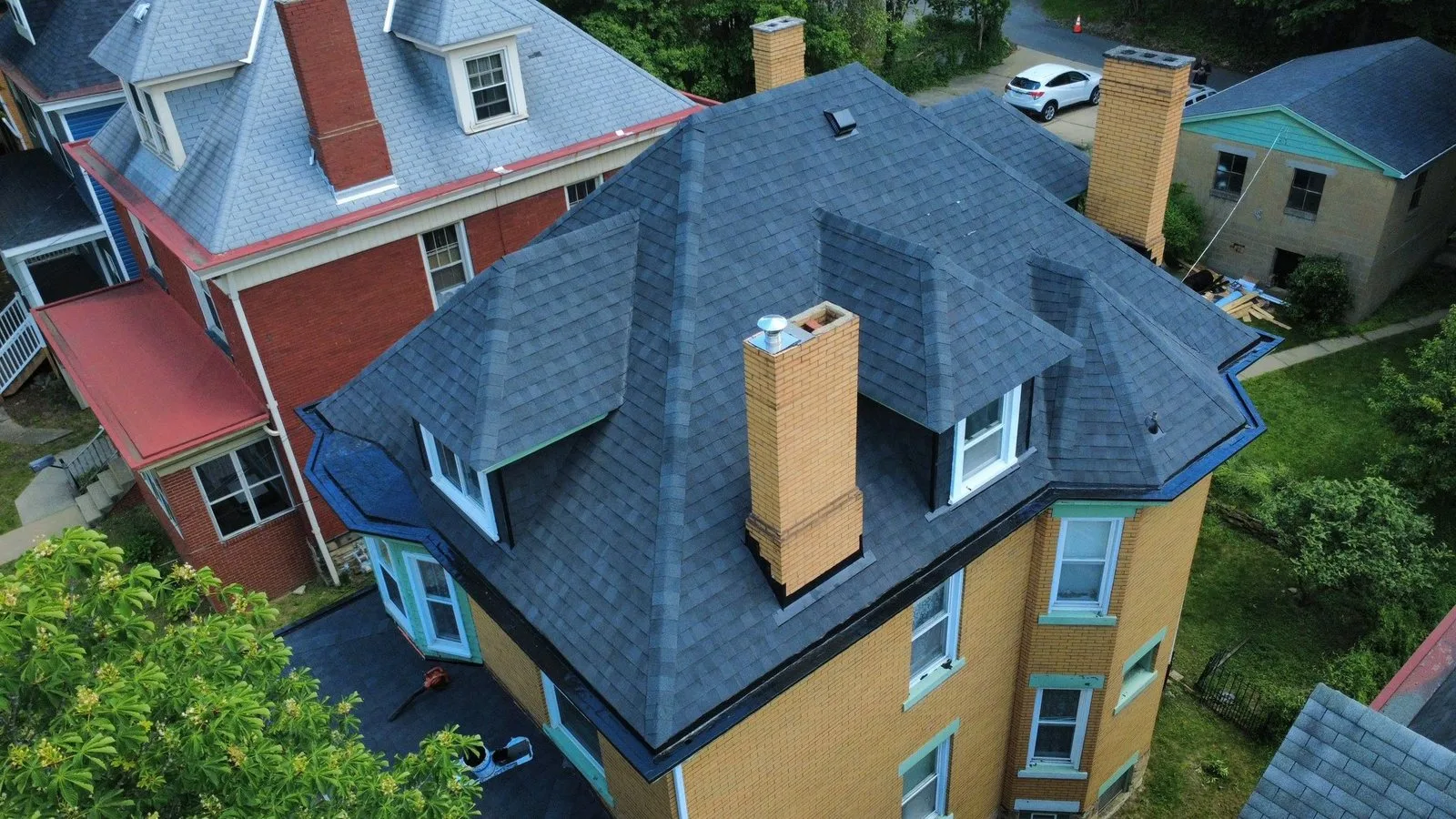
What Not to Do: DIY Roof Inspection Mistakes
A look from the ground with binoculars is fine after a storm. Climbing the roof is not. Pittsburgh roofs are often steep, slate and metal are slick, and wet moss is as slippery as ice. The common DIY mistakes we see are:
- Caulking over a flashing leak instead of resealing or replacing the flashing. The caulk fails in one or two winters.
- Smearing roof cement on shingles, which traps water and makes a later repair harder.
- Nailing down a lifted shingle through the face, leaving exposed nail heads that rust and leak.
- Dismissing a small ceiling stain as cosmetic. By the time a stain shows, the insulation above it is usually wet.
- Pressure washing moss, which strips granules and voids most shingle warranties.
Repairs with the wrong material or fastener can also void a manufacturer warranty. Keep every inspection report and repair receipt in one folder; insurers, shingle manufacturers and future buyers all ask for that history.
What Happens After the Inspection
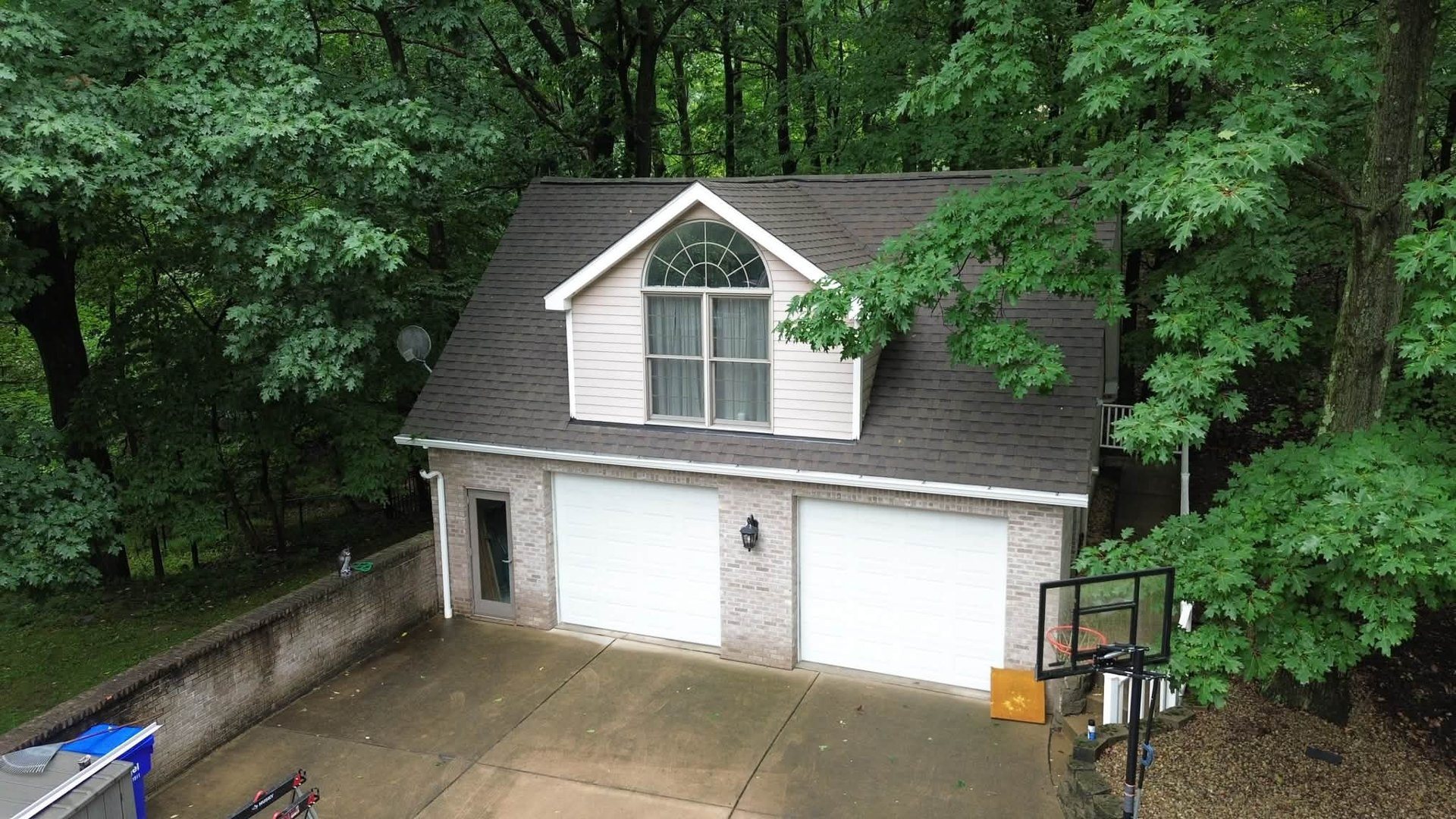
Most inspections end in one of three places. The roof is fine and we tell you so, with a note on when to look again. The roof needs a targeted repair, such as a new pipe boot, a resealed chimney or a replaced section of valley, and we give you a written estimate. Or the roof is near the end of its life, in which case we lay out a roof replacement plan with material options, the warranty each one carries, and financing if you want it. What drives the cost of any of those is the size and pitch of the roof, the number of layers to remove, the condition of the decking, the amount of flashing and chimney work, and the materials chosen. The estimate is free and in writing.
Roof Inspection FAQ for Pittsburgh Homeowners
How much does a roof inspection cost in Pittsburgh?
It depends on who performs it and why. Many roofing contractors, including Malick Brothers, inspect a roof at no charge when the visit is tied to a repair or replacement estimate. Independent home inspectors and drone services charge a fee for a standalone report. What you should always get, free or not, is written findings with photos and a clear recommendation. Ask before scheduling so there are no surprises.
How often should a roof be inspected?
Once a year is the right baseline for Pittsburgh, with a second look after any storm with high wind or hail. Roofs under 10 years old can stretch to every two years if nothing has happened. Roofs over 20 years old, slate roofs and flat rubber roofs benefit from spring and fall visits because their failures are gradual and hard to see from the ground.
Do home inspectors go on the roof?
Some do, many do not. Pennsylvania home inspectors are allowed to inspect from the ground, a ladder at the eave, or a drone when a roof is steep, wet, icy, tall or made of slate. Their report will say how the roof was observed. If you are buying an older Pittsburgh home, pair the general inspection with a roofer's inspection so the shingles, flashing and attic are actually examined up close.
What is the 25 percent rule in roofing?
The 25 percent rule is a Florida Building Code provision. If more than 25 percent of a roof section is repaired or replaced within a year, the whole section must be brought up to current code. It does not apply in Pennsylvania. Allegheny County municipalities follow the International Residential Code, which limits a roof to two layers of asphalt shingles and requires a full tear off when a second layer already exists or the deck is damaged.
Can a roof inspection help with an insurance claim?
Yes. After hail or wind, an inspection with dated photos documents the damage before it worsens and shows the adjuster the roof was maintained. We note the direction and type of damage, mark test squares where appropriate and provide a written report you can submit with the claim. Having a prior inspection on file also helps prove the damage is storm related rather than wear.
Schedule Your Roof Inspection in Pittsburgh
If your roof is more than ten years old, has been through a storm, or has simply never been looked at, now is the time. Malick Brothers Exteriors inspects roofs across Pittsburgh and the North Hills year round, puts every finding in writing with photos, and gives you a free estimate for anything that needs attention. Contact us to book your inspection.