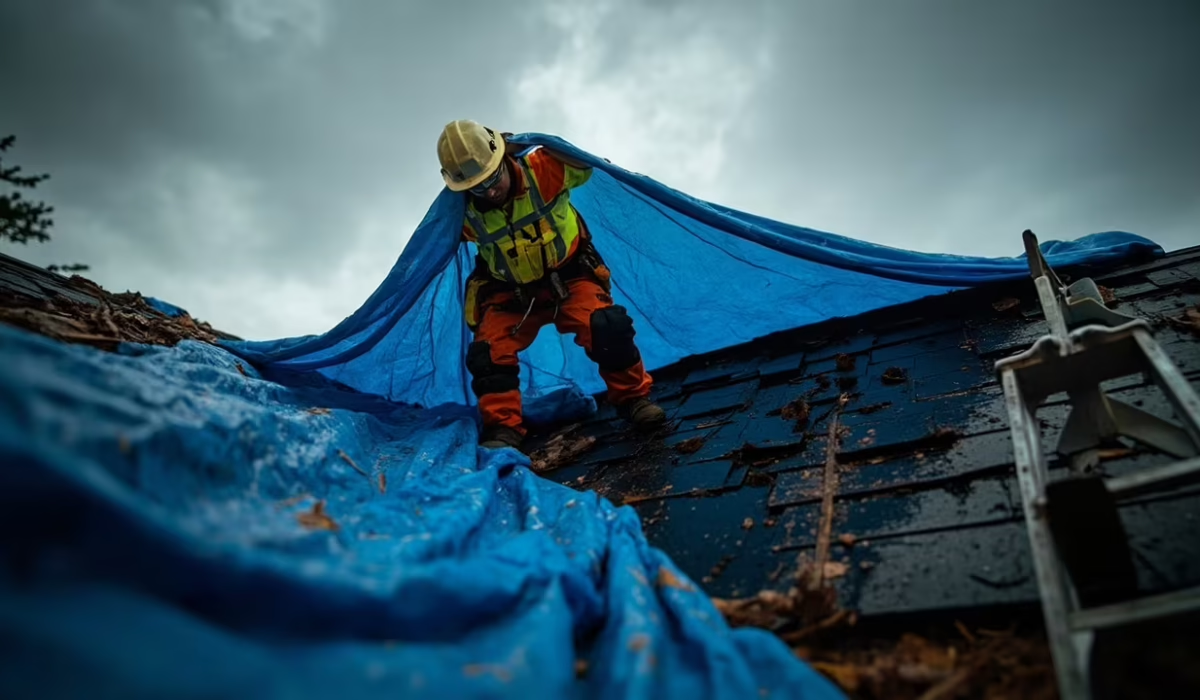
If water is coming through your ceiling right now, the short answer is this: move your belongings out of the way, contain the water indoors, take photos, and call a roofing contractor. Do not go up on the roof yourself. Emergency roof tarping in Pittsburgh is a job for trained crews with fall protection, because the conditions that cause a roof to fail suddenly, high wind, ice, rain, and loose debris, are the same conditions that make a roof dangerous to walk on.
A tarp is not a repair. It is a temporary barrier that buys you time and stops the damage from spreading into your insulation, drywall, framing, and flooring while a permanent fix is scheduled. Understanding what tarping does, what it does not do, and what happens next will help you make better decisions during a stressful few days.
What Emergency Roof Tarping Actually Does
When a section of roof covering is torn away, punctured, or lifted, water has a direct path into the structure. Tarping covers that opening with heavy-duty material, secured so wind cannot get underneath and peel it off. Done properly, it keeps the interior dry until weather allows for permanent work.
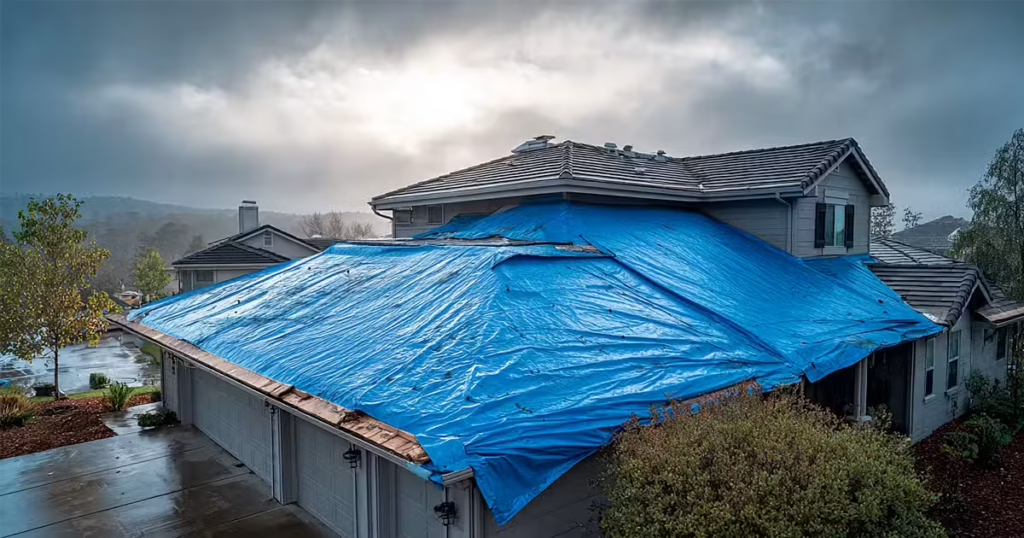
What tarping does not do is restore the roof system. Underlayment, flashing, decking, and ventilation may all be compromised even where the damage looks minor from the ground. Tarping is the first step in a sequence that usually ends with targeted residential roof repair or, in more serious cases, partial replacement.
It is also worth knowing that a tarp has a limited useful life. Sun, wind, and repeated freeze-thaw cycles will degrade it. Treat it as a bridge to a scheduled repair, not a solution you can live with for a season.
Why Pittsburgh Roofs Fail Suddenly
Western Pennsylvania puts a specific kind of stress on roofing. Knowing the common causes helps you describe the problem accurately when you call for help.
Wind and Storm Damage
Strong summer thunderstorms and spring wind events can lift shingles along the edges, ridges, and rakes. Once one course of shingles breaks its seal, the wind gets underneath and the damage spreads quickly. Homeowners often notice missing shingles in the yard before they notice a leak inside.
Ice Damming and Freeze-Thaw
Pittsburgh's winters swing above and below freezing repeatedly. Snow melts on the warmer upper portion of a roof, runs down, and refreezes at the colder eaves. The resulting ice dam backs water up under the shingles, where it can find its way into the attic. This damage often shows up as staining along exterior walls rather than in the middle of a room.
Falling Limbs and Debris
Mature trees are part of what makes neighborhoods here attractive, and they are also a common source of punctures. A limb does not have to be large to break through decking, particularly on older roofs or over unsupported spans.
Age and Failed Flashing
Many sudden leaks are not sudden at all. Flashing around chimneys, valleys, skylights, and vent pipes deteriorates slowly, and a heavy rain finally reveals a weak point that has been developing for years.
Warning Signs You Need Emergency Roof Tarping in Pittsburgh
Not every leak is an emergency. These situations generally are:
- Active dripping or running water inside the home during or after a storm
- A visible hole, tear, or missing section of roof covering
- A tree limb resting on or penetrating the roof
- A ceiling that is sagging, bulging, or discolored over a growing area
- Daylight visible through the attic roof deck
- Large sections of shingles found in the yard after high winds
- Water near electrical fixtures, outlets, or the electrical panel
That last one deserves emphasis. If water is reaching electrical components, shut off power to the affected area if you can do so safely and treat it as urgent.
Slower signs, such as a small stain that has not grown, granules collecting in gutters, or a musty attic smell, still need attention but usually do not require same-day tarping. They are worth a scheduled inspection before they become the emergency version.
What to Do Before Help Arrives
Everything on this list happens from inside your home, on the ground, or on the phone.
Contain the Water Indoors
Move furniture, electronics, and anything with sentimental value out of the affected area. Put down buckets and towels. If a ceiling is bulging with trapped water, keep people and pets away from it. A saturated ceiling can release suddenly, and the weight of standing water is significant.
Document Everything
Take photos and video before you move anything and again after. Capture the interior damage, any debris in the yard, and wide shots of the house from the ground. Save receipts for anything you buy to mitigate the damage. This documentation matters for your insurance claim, and it is far easier to gather now than to reconstruct later.
Call Your Insurance Carrier and a Roofer
Report the loss to your insurer and call a roofing contractor. You do not need to wait for an adjuster to have emergency work done, and most policies expect you to take reasonable steps to prevent further damage. Ask your carrier how they want emergency mitigation documented.
Stay Off the Roof and Out of the Attic
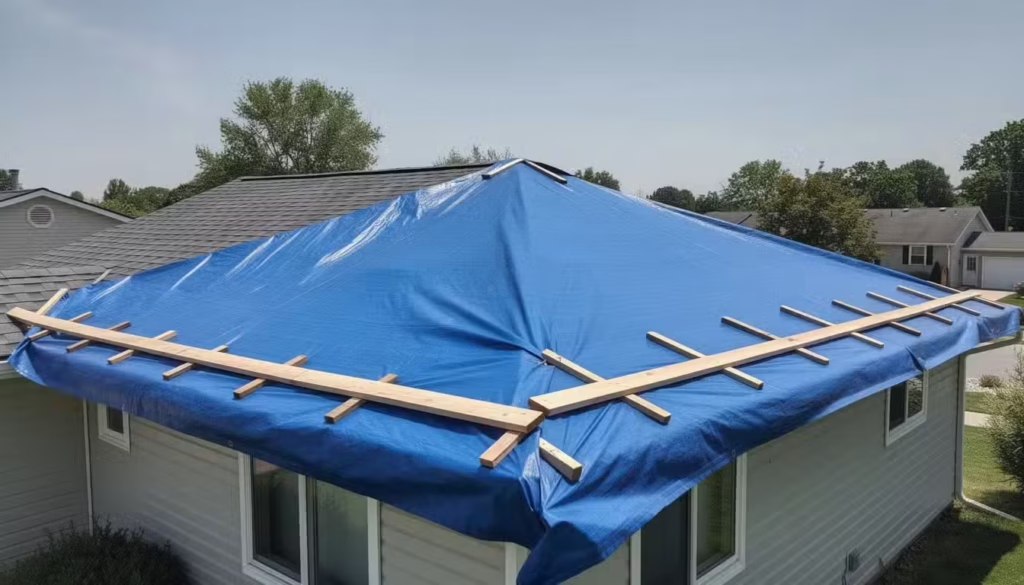
This is the part homeowners most often get wrong. Wet roofs are slick, damaged decking will not hold weight, and attic footing is unreliable in the dark. Hardware-store tarps applied by a homeowner frequently make things worse by trapping water or creating new fastener holes. Let a crew with proper equipment handle it.
Professional Repair Options After Tarping
Once the roof is stabilized and conditions allow, an assessment determines what comes next.
Targeted Repair
This addresses a defined problem area, such as replacing damaged shingles, reworking flashing at a chimney, or repairing a section of decking. It is the most common outcome for isolated storm damage on a roof with remaining service life.
Partial Replacement
This may be appropriate when a full slope or elevation is affected, or when matching existing material across a large repair area is not practical.
Full Replacement
This becomes the better option when the roof was already near the end of its service life, when damage is widespread, or when repeated repairs are no longer cost-effective.
An honest contractor will walk you through which category your situation falls into and explain why. If you are weighing repair against replacement, it helps to understand what causes roof leaks and how age factors into the decision.
When to Contact a Roofer
Call immediately for active leaks, structural damage, or anything involving a tree. Call within a few days for missing shingles without an interior leak, visible flashing damage, or a roof that came through a major storm intact but unverified. Schedule an inspection seasonally if your roof is older or if you have had ice dam problems before. Preventive attention is considerably less disruptive than emergency storm damage repair.
Frequently Asked Questions
How Long Can a Tarp Stay on My Roof?
Treat it as short-term. Exposure to sun, wind, and freeze-thaw cycles degrades tarp material and fasteners, so schedule permanent repairs as soon as conditions and availability allow.
Will My Homeowners Insurance Cover Emergency Tarping?
Coverage varies by policy and by the cause of the damage. Most policies address sudden, accidental damage differently from wear and deferred maintenance. Contact your carrier directly and document everything.
Can Tarping Be Done in Rain or Snow?
Sometimes, but safety governs the decision. Crews will not work in lightning or high winds. In severe weather, interior containment may be the only option until conditions improve.
Do I Need to Be Home?
Usually not for exterior tarping, though access to the attic or interior is helpful for a full assessment.
Will Tarping Damage My Roof Further?
Properly installed tarping is designed to minimize additional penetration. Improvised homeowner tarping is a much more common source of added damage.
Get the Roof Stabilized First
A damaged roof gets worse every time it rains. If you are dealing with an active leak, storm damage, or a limb on the roof, contact Malick Roofing to have the situation assessed and stabilized, then plan the permanent repair once you know the full scope. Getting eyes on the problem early is what keeps a roofing issue from becoming a framing, insulation, and drywall issue.
Malick Brothers Exteriors offers roofing, gutters, siding, and more across Pittsburgh and Southwest PA. Explore our services to get started.