You notice a water stain spreading across the ceiling, or you find a handful of shingles in the yard after a windy night on the North Side. The first question most homeowners ask is not about cost. It is about disruption: how long does roof repair take, and how much of my week is this going to eat?
The honest answer is that most residential roof repairs are a same-day job. Bigger or more complicated repairs stretch into a second day. Only a small fraction turn into week-long projects, and those usually are not repairs at all anymore, they are partial or full replacements. Here is a realistic look at what shapes the timeline on a Western Pennsylvania home.
How Long Does Roof Repair Take? The Short Answer
For a straightforward repair, replacing a section of damaged shingles, resealing a vent boot, fixing flashing around a chimney, a roofing crew is typically on and off your roof within a few hours. Many of these jobs are done before lunch.
Moderate repairs, like addressing a leak that has damaged the decking underneath, or reworking a valley where two roof planes meet, tend to run most of a working day. Larger repairs involving multiple problem areas, significant rot, or difficult access can carry into a second day.
What often surprises homeowners is that the repair itself is rarely the long part. The waiting happens before the crew arrives: scheduling, inspection, and in Pittsburgh, weather. A repair that takes four hours of labor might sit on the calendar for a week or two depending on the season and how busy local crews are.
What Affects the Timeline on a Pittsburgh Home
The type and extent of damage
Surface damage is fast. If wind lifted a dozen shingles off the south-facing slope and everything underneath is dry and intact, that is a contained job.
Water damage is slower, because it is rarely where it looks like it is. Water travels along rafters and sheathing before it drips through a ceiling, so the visible stain in your bedroom may be several feet from the actual entry point. Once a crew opens the roof and finds soft decking, that section has to come out and be replaced before anything goes back on top. Every square foot of rot adds time.
Our weather
This is the big one in Western Pennsylvania. Shingles need reasonable temperatures to seal properly, sealants need dry surfaces, and nobody should be walking a wet or icy slope. A stretch of freeze-thaw cycling in February, or three straight days of rain in April, can push a scheduled repair back regardless of how simple the work is.
Late spring through early fall is generally the most predictable window for scheduling. Winter repairs absolutely happen, leaks do not wait for good weather, but they are more likely to be staged in two visits, with a temporary measure applied first and permanent work completed once conditions allow.
Roofing material
Asphalt shingles, which cover the majority of homes across Allegheny County, are the quickest to repair. Slate and tile are a different story. Plenty of older homes in Squirrel Hill, Lawrenceville, and the older boroughs still have their original slate, and that work is slower by nature, the material is heavier, more fragile underfoot, and matching existing pieces can mean sourcing salvaged slate. Metal roofing falls somewhere in between and depends heavily on the panel system.
Roof access and pitch
A single-story ranch with a gentle slope is easy to stage. A three-story Victorian with a steep pitch, dormers, and a narrow side yard is not. Steep roofs require additional fall protection and slower, more deliberate movement. Tight urban lots limit where a truck and dumpster can sit. None of this changes the repair itself, but it can add hours to setup and cleanup.
Material availability
Standard architectural shingles in common colors are usually on hand or a quick pickup. Discontinued shingle profiles, specialty metal trim, or slate matching may require ordering, which is the single most common reason a "quick" repair turns into a two-week wait. If your roof is more than 20 years old, expect some sourcing time for an exact match.
Common Repairs and What to Expect
Missing or damaged shingles. Typically a short visit, assuming the deck below is sound and matching material is available.
Flashing repairs. Flashing around chimneys, skylights, and wall intersections is a frequent leak source on older Pittsburgh homes. Straightforward reflashing is usually a few hours; a chimney that needs significant work may involve coordinating with a mason.
Pipe boot and vent repairs. The rubber collars around plumbing vents crack with age and are a very common leak culprit. These are among the fastest repairs there are.
Leak diagnosis and decking replacement. This is the variable one. Finding the source takes time, and the scope is not fully known until the roof is opened up. Budget a full day and be prepared for a follow-up if the damage is broader than it appeared.
Storm damage. Timeline depends less on the roof than on the paperwork. If insurance is involved, documentation and adjuster scheduling generally set the pace.
Warning Signs You Should not Wait On
Some issues can reasonably wait for a convenient appointment. Others get worse, and more expensive, every week they sit:
- Active dripping during rain, or water stains that grow between storms
- Sagging in the roofline or a spongy feel to the deck
- Daylight visible through roof boards in the attic
- Granules collecting in gutters and at downspout outlets
- Damp or discolored attic insulation, or a musty smell upstairs
- Shingles that are curling, cupping, or cracking across a broad area
- Ice dam damage along eaves after a hard winter
A small leak is a small repair. That same leak six months later has often soaked insulation, stained drywall, and rotted a section of decking, turning a few hours of work into a multi-day job.
When to Call a Roofer
Attic inspections and ground-level looks with binoculars are reasonable homeowner checks. Climbing onto the roof is not, steep pitches, wet or aged surfaces, and hidden soft spots make it genuinely dangerous, and a fall costs far more than any repair.
Call a professional when you see any of the warning signs above, after a significant wind or hail event, if you are noticing daylight or moisture in the attic, or if you simply do not know how much life your roof has left. A qualified roofer can tell you whether you are looking at a targeted repair or whether repeated patching is throwing good money after bad.
If you are weighing a repair against a larger project, an inspection is the right starting point. It costs you an hour and gives you an actual scope instead of a guess.
Frequently Asked Questions
Can a roof repair be done in one day?
Most can. Shingle replacement, flashing work, and vent boot repairs are commonly completed in a single visit. Repairs involving decking replacement or multiple problem areas may extend to a second day.
Will rain delay my repair?
Yes. Roofing materials need dry surfaces to bond, and wet roofs are unsafe to work on. Reputable crews reschedule rather than rush a job in poor conditions.
Can roof repairs be done in winter in Pittsburgh?
They can, though cold temperatures affect how shingles seal and ice makes access hazardous. Winter leaks are often addressed in stages, a temporary measure first, permanent repair when conditions allow.
How long before the crew can start?
Scheduling depends on the season and current demand. Late summer and post-storm periods are the busiest. Active leaks are generally prioritized over cosmetic issues.
How do I know if I need a repair or a replacement?
It depends on the roof's age, how widespread the damage is, and whether you have had recurring leaks in different areas. An inspection is the only reliable way to answer it.
Do not Let a Small Leak Become a Big Project
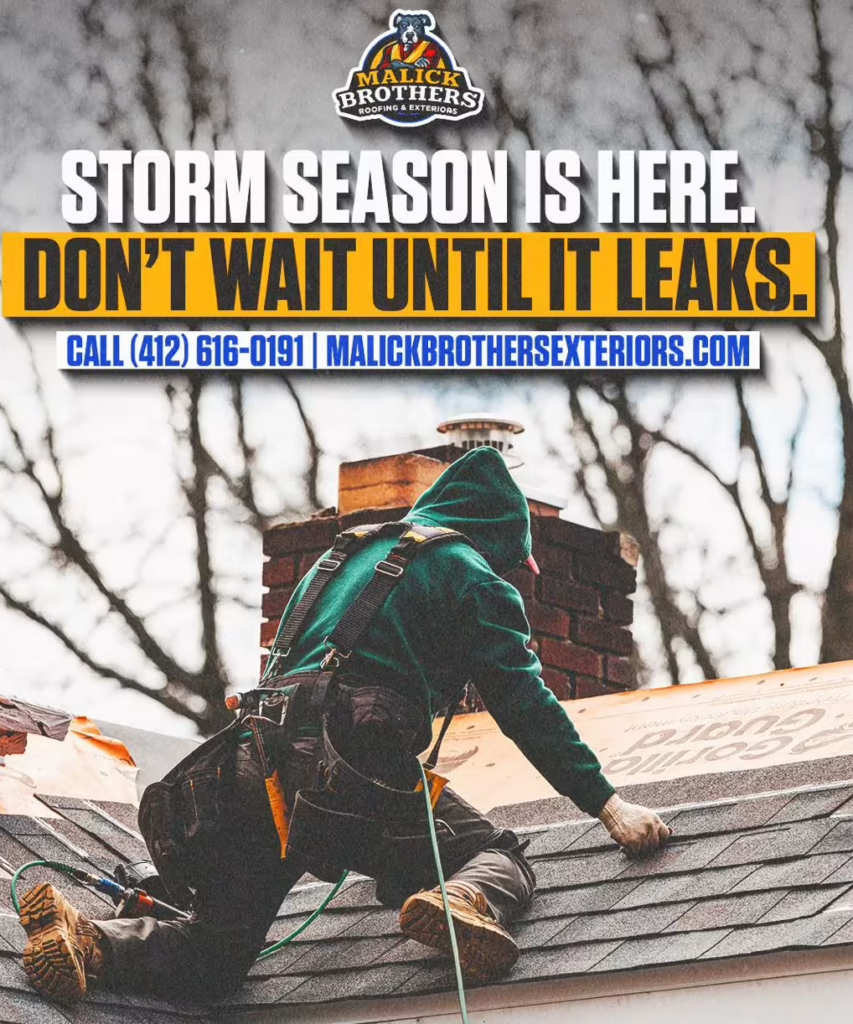
Roof problems do not hold steady, they compound, especially through a Western Pennsylvania winter. If you have spotted a stain, found shingles in the yard, or just have not had your roof looked at in years, schedule an inspection. Getting a clear picture of what you are dealing with takes far less time than the repair itself. Malick Brothers Exteriors offers roofing, gutters, siding, and more across Pittsburgh and Southwest PA. Explore our services to get started.
Contact Malick Roofing to schedule an inspection for your home.