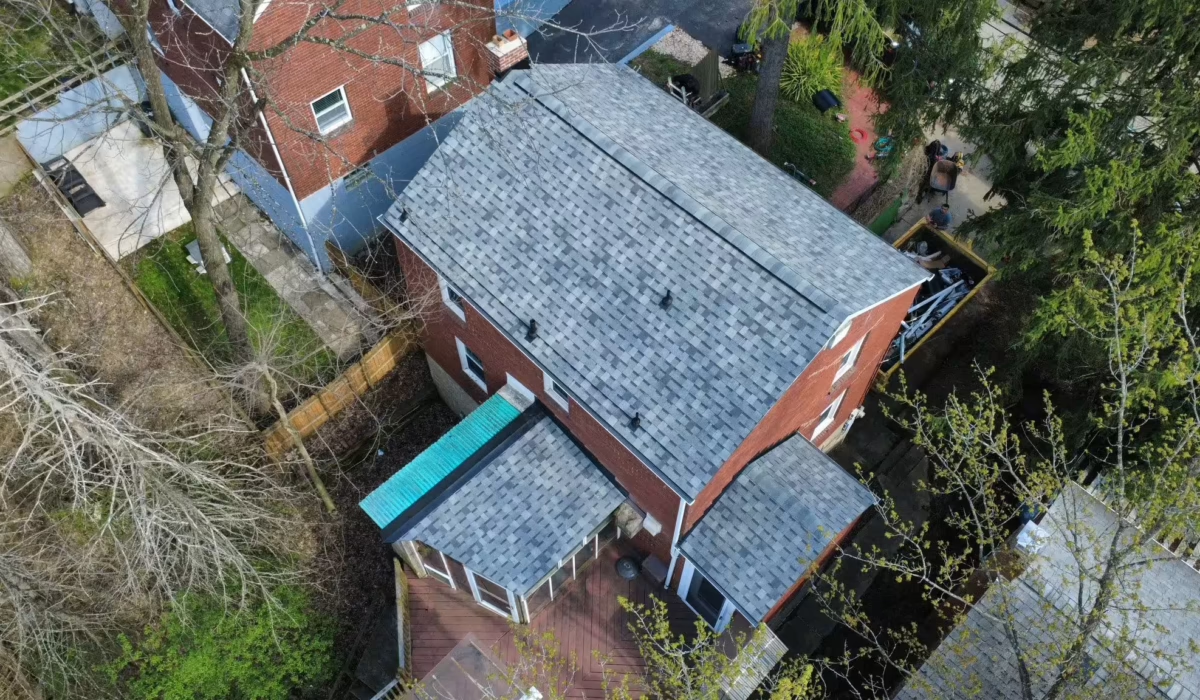
If you have just found a water stain on the ceiling or spotted shingles in the yard after a storm, the first question is almost always the same: what is this going to cost me? The honest answer is that roof repair cost in Pittsburgh varies more than most homeowners expect, and it varies for reasons that have very little to do with the size of the hole.
Two houses on the same street can get wildly different numbers for what looks like the same problem. One has a walkable asphalt roof with the damage sitting a few feet from the eave. The other has a steep slate roof over a third-floor dormer, and reaching the repair safely takes staging that costs more than the materials. Same neighborhood, same weather, very different job.
This article walks through what actually determines the price, which repairs come up most often on Western Pennsylvania homes, and how to tell whether you are looking at a small fix or the beginning of a larger conversation.
What Drives Roof Repair Cost in Pittsburgh
The extent of the damage, and where it is
A single lifted shingle is a different job from a leak that is been quietly soaking a rafter for two winters. Most of the cost in roofing is labor, and labor scales with how much has to come apart to reach the problem.
Location matters just as much as size. Repairs in the middle of an open slope are straightforward. Repairs in a valley, around a chimney, at a wall intersection, or under a dormer involve more cutting, more flashing work, and more care to get watertight. Those are also the spots where leaks start most often, which is why so many repair calls land in the harder-to-reach parts of the roof.
Your roofing material
Pittsburgh's housing stock is old and varied, and the roof over your head has a lot to say about the invoice. Architectural asphalt shingles are the most common and generally the least complicated to repair. Slate and clay tile, still found across Squirrel Hill, Shadyside, Mt. Lebanon, and plenty of century-old homes in the older boroughs, require matching material and a specialized skill set, and both are harder to source. Standing seam metal, cedar shake, and low-slope membrane roofs over porches and additions each carry their own labor considerations.
If you are not sure what you have, that is a normal thing not to know. It is one of the first things a roofer will identify during an inspection.
Pitch, height, and access
Pittsburgh's terrain works against easy roof access. Homes built into hillsides can have a two-story front and a four-story drop out the back. Narrow city lots limit where a ladder or lift can be set. Steep pitches require harnesses and roof jacks. None of this changes the repair itself, but all of it changes how long the crew is on site and what equipment shows up.
What is underneath
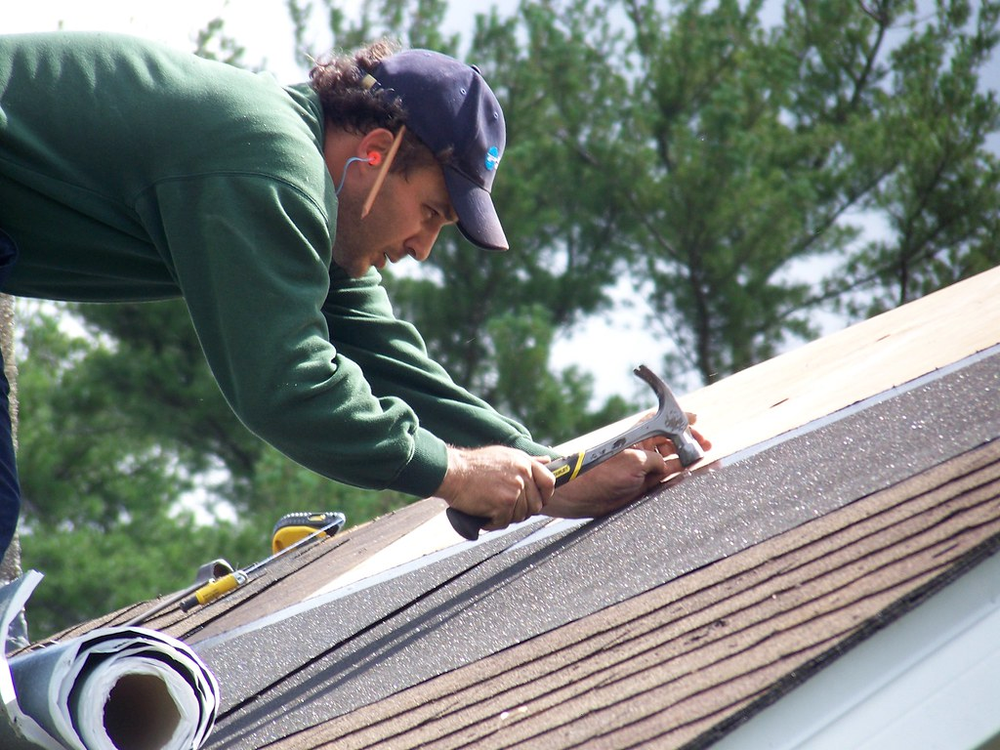
This is the variable that moves estimates the most. If water has been getting in for a while, the decking beneath the shingles may be soft or rotted, and that has to be replaced before anything goes back on top. Insulation, underlayment, and occasionally framing can be affected too. A roofer usually cannot know the full extent until the damaged section is opened up, which is why many estimates include a contingency for deck repair.
Repairs Western PA Homeowners Run Into Most
Flashing and chimney leaks
Flashing is the metal that seals the joints where the roof meets something else, a chimney, a wall, a vent pipe, a skylight. It is the most common source of leaks we hear about, and it has almost nothing to do with the age of your shingles. Brick chimneys are especially prone to it, since deteriorating mortar and failing flashing tend to show up around the same time.
Ice dam damage
Freeze-thaw is the defining feature of a Pittsburgh winter. Snow melts against a warm roof deck, runs down to the cold eave, refreezes, and builds a ridge of ice that backs water up under the shingles. The resulting leak often shows up on an exterior wall or ceiling edge rather than in the middle of a room. Ice dams are usually a symptom of attic insulation and ventilation problems, so the repair and the actual fix are sometimes two different conversations.
Wind and storm damage
Spring and summer storms come through hard here. Wind lifts and creases shingles without necessarily tearing them off, which is why storm damage is easy to miss from the ground. Falling limbs are a separate and more obvious problem, Pittsburgh's mature tree canopy is beautiful and it is regularly a roofing expense.
Age-related wear
Granule loss, curling edges, brittle shingles, exposed nail heads, and dried-out sealant all show up as a roof approaches the end of its service life. Individually they are small repairs. Collectively they are a signal.
Warning Signs Worth Acting On
Call someone if you notice:
- Water stains on ceilings or upper walls, even faint ones
- Shingle granules collecting in gutters or at downspout outlets
- Daylight visible through the attic roof boards
- Sagging along a roofline or between rafters
- Damp or musty insulation in the attic
- Shingles that look dark, patchy, or out of place from the ground
Delay is the single most expensive thing a homeowner does with a roof. A leak that costs a modest amount to fix in September can involve rotted decking, ruined insulation, and drywall work by March. If you are seeing any of the above, getting a professional look at it is worth doing before winter sets in, this is exactly the situation residential roof repair is meant to handle.
Repair or Replace?
There is no clean formula, but a few factors point one direction or the other. Isolated damage on a roof with years of life left is a repair. Widespread granule loss, multiple leaks in different areas, or damage across a roof already near the end of its expected lifespan starts pushing toward replacement, largely because repeated repairs on a failing roof stop being economical.
Age matters, but so does whether the damage is concentrated or scattered. A ten-year-old roof with one bad valley is a repair. A twenty-five-year-old roof with three separate leaks is a different discussion.
What to Expect from an Estimate
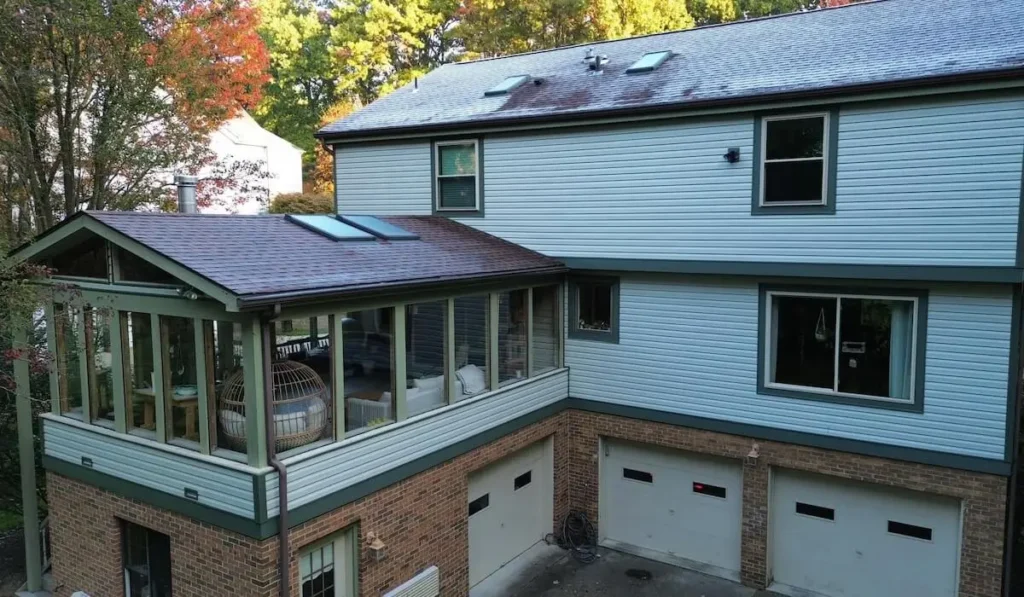
A useful estimate should identify the specific cause of the problem, not just the symptom, and spell out what is included: materials, labor, disposal, and how unforeseen deck damage will be handled. Ask what is not included. Ask whether the roofer has inspected the attic side as well as the exterior, plenty of leaks are diagnosed from underneath.
Get more than one number if you have time, and be cautious with any estimate given without someone actually getting on or into the roof.
FAQ
Can I get a price over the phone?
For most repairs, no. Roofers can sometimes give a general sense of scale, but an accurate number requires seeing the roof, the pitch, the access, and ideally the attic.
Does homeowners insurance cover roof repair?
It depends on cause. Sudden damage from a storm or falling tree is often covered; gradual wear and deferred maintenance typically is not. Your policy and your adjuster decide. Document everything with photos before any work begins.
How long does a typical repair take?
Many straightforward repairs are same-day. Jobs involving deck replacement, slate matching, or difficult access run longer.
Is it worth repairing a roof that is near the end of its life?
Sometimes, a targeted repair can buy you a planned replacement on your own schedule rather than an emergency one in February. A roofer should be willing to tell you honestly which situation you are in.
Get an Answer on Your Roof
Guessing at roof repair cost from the ground does not get you very far. If you are seeing stains, missing shingles, or anything that showed up after the last storm, have someone look at it while the problem is still small.
Malick Brothers Exteriors works with homeowners across Pittsburgh and Western Pennsylvania. Reach out to talk through what you are seeing on your roof. Malick Brothers Exteriors offers roofing, gutters, siding, and more across Pittsburgh and Southwest PA. Explore our services to get started.
Malick Brothers Exteriors
Phone: (412) 866-1646
Contact: malickbrothersexteriors.com/contact