Commercial siding replacement in Pittsburgh rarely fits into a neat number of days, and any contractor who quotes one before walking the building is guessing. The schedule for a commercial siding project depends on the size and shape of the building, what the crew finds under the old cladding, the material you choose, the time of year, and whether the municipality needs to sign off before anyone touches a wall. This guide walks through each phase of a commercial siding replacement, explains what stretches or shortens the schedule, and shows how we plan siding installation in Pittsburgh so a property manager can keep tenants informed and the business open.
We are Malick Brothers Exteriors, a family owned exterior contractor based at 500 Perry Highway in West View. We install James Hardie fiber cement and Mastic vinyl siding on commercial buildings, multi unit properties, and homes across the North Hills and the City of Pittsburgh, and we also handle the soffit and fascia and gutters that usually come off and go back on with a siding job.
The short answer on commercial siding replacement timelines
A small single story commercial building with sound sheathing and a simple footprint can be stripped and resided in a matter of days. A multi unit apartment building, a mixed use property with storefronts below and residences above, or any building with hidden rot behind the old siding can run several weeks. The honest answer is that the first two phases, inspection and tear off, decide the rest of the schedule, and a reputable contractor will give you a written phase by phase plan after the site visit rather than a single number over the phone.
Phase 1: Inspection, measurement, and the written estimate
Every commercial siding project starts with a site visit. We measure every elevation, count windows, doors, penetrations, and corners, note the height of each wall and how we will reach it, and look for soft spots, staining, or gaps that hint at problems behind the siding. On a commercial building we also check where utilities, signage, exterior lighting, and HVAC lines attach to the walls, since every one of those has to be detached and reattached.
From that visit we produce a free written estimate that lists the material, the trim and accessory package, the expected prep work, and a phase schedule. If the building is a multi unit property, the plan also covers how we will sequence elevations so residents keep access to entrances and parking throughout the job.
Phase 2: Material ordering and lead times
This is the phase most owners forget to budget time for. Commercial projects use a lot of material, and the colors and profiles chosen for a storefront or apartment building are not always sitting on a supplier shelf in Pittsburgh. Mastic vinyl in common colors is usually quick to source. James Hardie fiber cement in a ColorPlus factory finish, specialty trim, or a less common lap width can take longer to arrive, and large orders often ship in stages. We do not open a wall until the material to close it is on site or confirmed shipped.
Windows, if included, are ordered at the same point so the crew can set them before trim and siding go on. The multi unit siding and window project we completed in Baden in March 2026 was planned exactly this way, with windows, siding, soffit, fascia, gutters, and downspouts sequenced so each trade followed the one before it.
Phase 3: Permits and property coordination
Whether a commercial siding replacement needs a permit depends on the municipality and the scope. Inside the City of Pittsburgh, exterior work on commercial buildings goes through the Department of Permits, Licenses, and Inspections, and buildings in historic districts can need additional review before the cladding changes. The North Hills boroughs and townships each have their own building office and their own turnaround. We handle the application, but plan review time belongs to the municipality, not to the contractor, so it should sit on the schedule as its own line.
We also notify tenants, arranging dumpster placement and material staging that does not block fire lanes or loading docks, scheduling any lift or scaffold delivery, and agreeing on working hours if the building has retail tenants or residents who work nights.
Phase 4: Tear off and substrate inspection
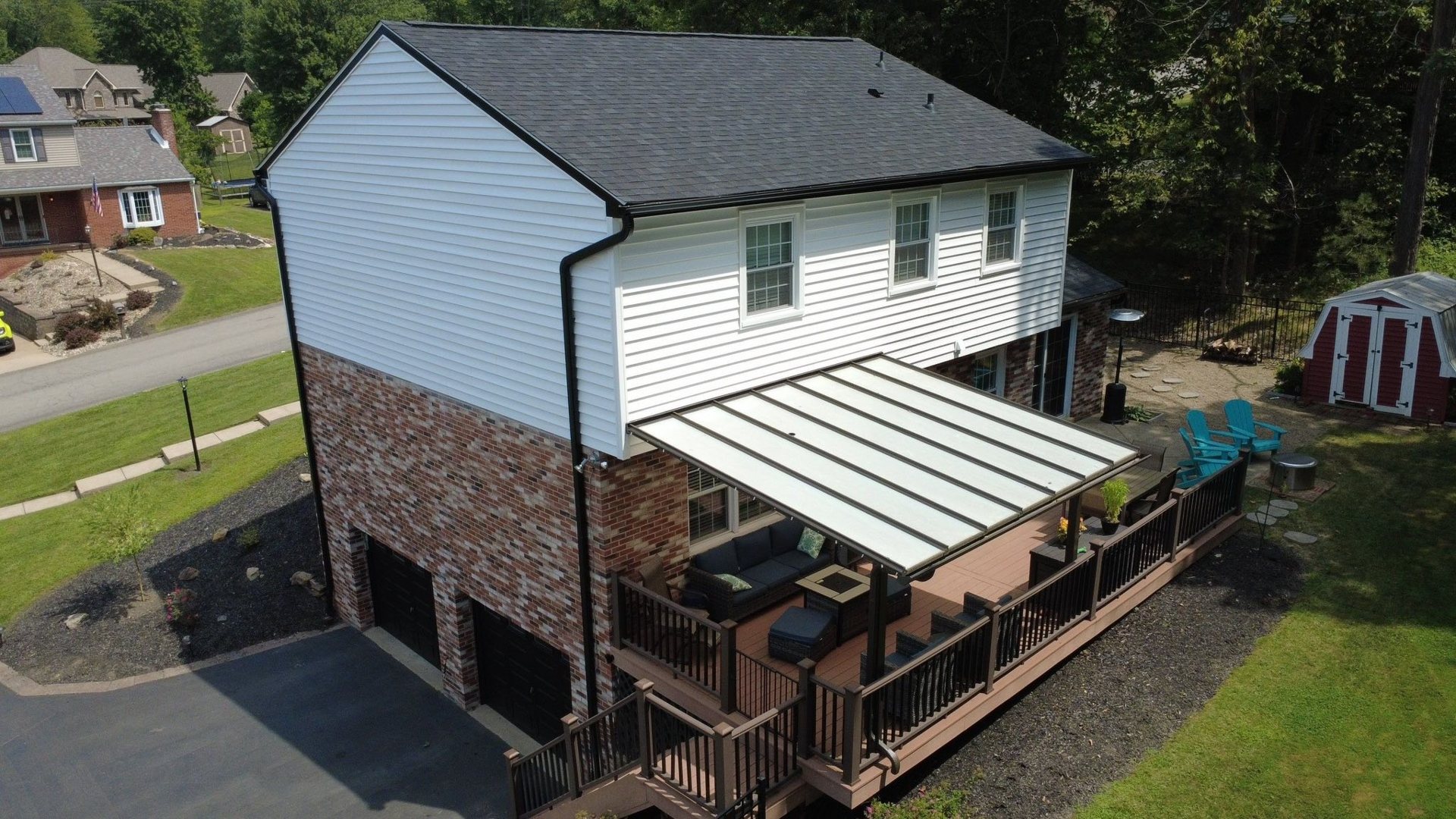
Tear off is where a commercial siding schedule either holds or slips. Removing old vinyl, aluminum, or wood siding is fast. What matters is what the crew finds underneath. On older Pittsburgh commercial buildings we regularly uncover sheathing softened by decades of water intrusion around windows, flashing that was never installed or was installed backward, rotted band boards, and insulation that has fallen out of the wall cavity.
Every one of those is repaired before new siding goes on, because new cladding over a rotten substrate is a short lived fix. We photograph the damage, show the owner, and price the repair as a change order. The amount of substrate repair is the single biggest reason two buildings of the same size can have very different timelines. A building with clean sheathing moves straight to the next phase. A building with rot on two elevations needs carpentry first.
Phase 5: Weather barrier, flashing, and trim
Once the substrate is sound, the crew installs a new weather resistive barrier, flashes every window, door, and penetration, and sets the starter strips, corner posts, and trim. On a James Hardie installation this stage includes the kickout flashing at roof to wall intersections and the required clearances above roofs, decks, and grade that the manufacturer specifies in its installation requirements.
Phase 6: Siding installation
With prep complete, the visible progress is fast. Mastic vinyl panels install quickly because they are light, interlock, and need little cutting beyond the ends and around openings. James Hardie fiber cement is heavier, has to be cut with dust control, and every joint and fastener follows a pattern, so the same wall takes longer in fiber cement than in vinyl. The trade off is a product that does not melt near grills or dumpster fires, does not dent, and carries a long manufacturer warranty, which is why many commercial owners choose it for ground level elevations that take abuse.
Phase 7: Soffit, fascia, gutters, and reconnection
After the siding, the crew finishes the soffit and fascia, hangs new seamless gutters and downspouts, reinstalls signage, lights, vents, and utility attachments, and cleans the site. On a commercial building this step takes longer than people expect because so many items come off the walls at tear off.
What changes a commercial siding replacement schedule
- Building size and height. More wall area means more days, and every story above the first means lift or scaffold time.
- Substrate condition. Hidden rot, failed flashing, and missing sheathing add carpentry days that no estimate can promise away until the old siding is off.
- Material choice. Mastic vinyl installs faster. James Hardie fiber cement takes longer per wall but lasts longer and resists impact and fire.
- Material lead times. Factory finished colors, specialty trim, and large orders can wait on the supplier before work starts.
- Permits and reviews. Municipal plan review and historic district approval add calendar time before the first day on site.
- Weather. Pittsburgh rain, wind, and winter cold all stop or slow exterior work.
- Occupancy. Working around retail hours, residents, deliveries, and parking slows production compared to an empty building.
- Add on work. Windows, soffit and fascia, gutters, and roofing done at the same time extend the overall project even though they save money and disruption compared to separate jobs.
Pittsburgh weather and the best season for commercial siding
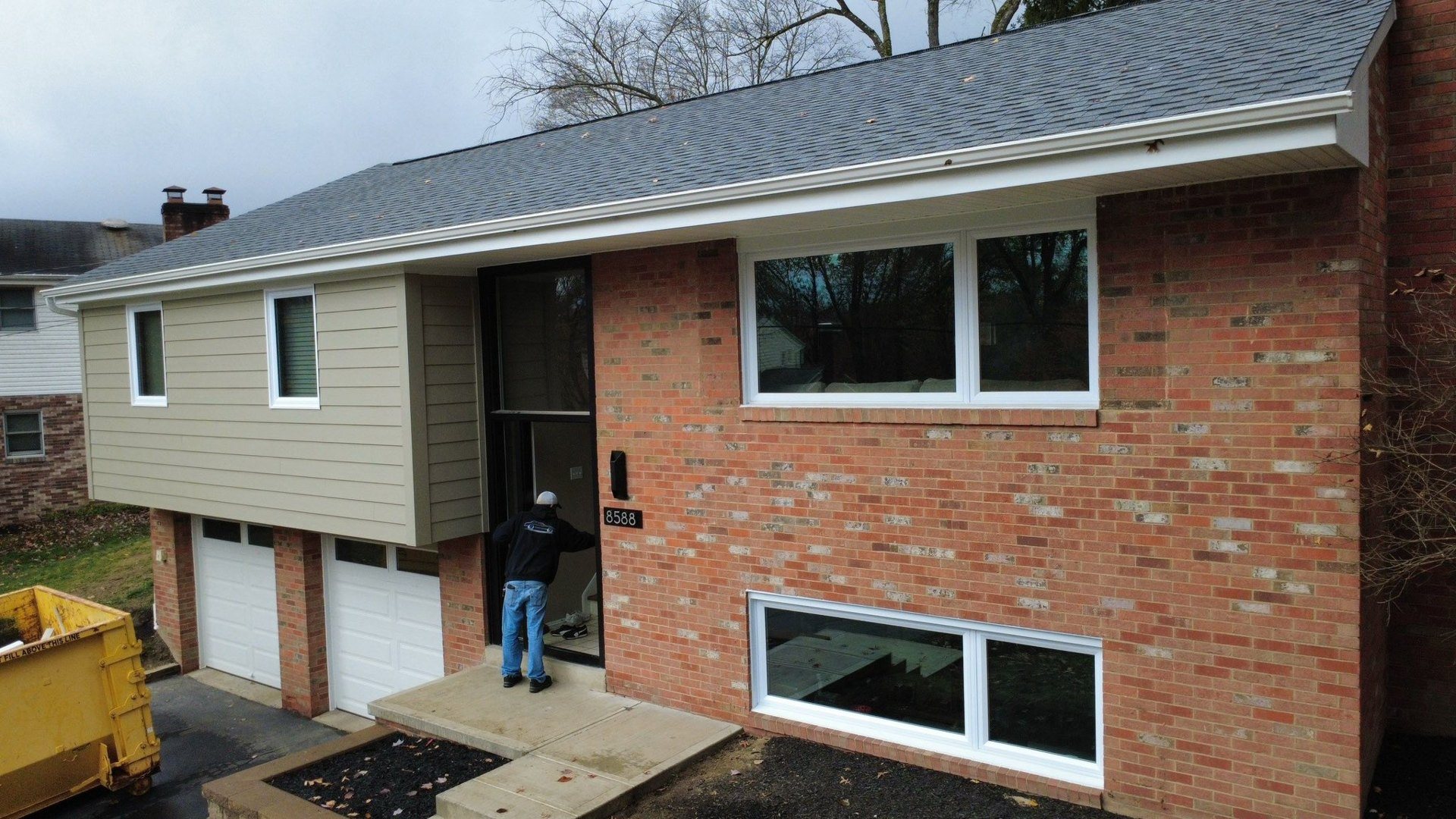
We work all year, but the season affects both the pace and the method. Vinyl siding expands in summer heat and contracts in winter cold, so Mastic panels are hung with the fastener gap the manufacturer calls for and the crew allows for the temperature on the day of installation. Fiber cement is less sensitive to temperature but caulking and paint touch ups have minimum temperature requirements. Spring rain in Pittsburgh is the most common cause of lost days, and a cold snap in January can pause work on an open wall until the barrier is sealed. Late spring through fall gives the most predictable production, so booking the site visit early in the year gets a project on the schedule before the summer rush.
Commercial siding repair versus full replacement
Not every commercial building needs a full replacement. If damage is limited to one elevation, a few storm damaged panels, or the area around a single leaking window, a siding repair is faster and cheaper, and we can usually match existing vinyl profiles or source matching fiber cement. Replacement makes sense when panels are failing across multiple walls, the original siding is a product that is no longer made, water is getting into the wall in more than one place, or the building is due for a visual update that a patch will not deliver. A contractor who inspects the building should tell you plainly which one you need.
Questions to ask a commercial siding contractor
- Is the written estimate broken into phases with the prep work spelled out?
- What happens to the schedule and the price if rot is found under the old siding?
- Who pulls the permit and how long does plan review usually take in this municipality?
- Are the installers trained on the product, and does the manufacturer warranty survive the installation?
- How will the crew keep entrances, parking, and deliveries open during the job?
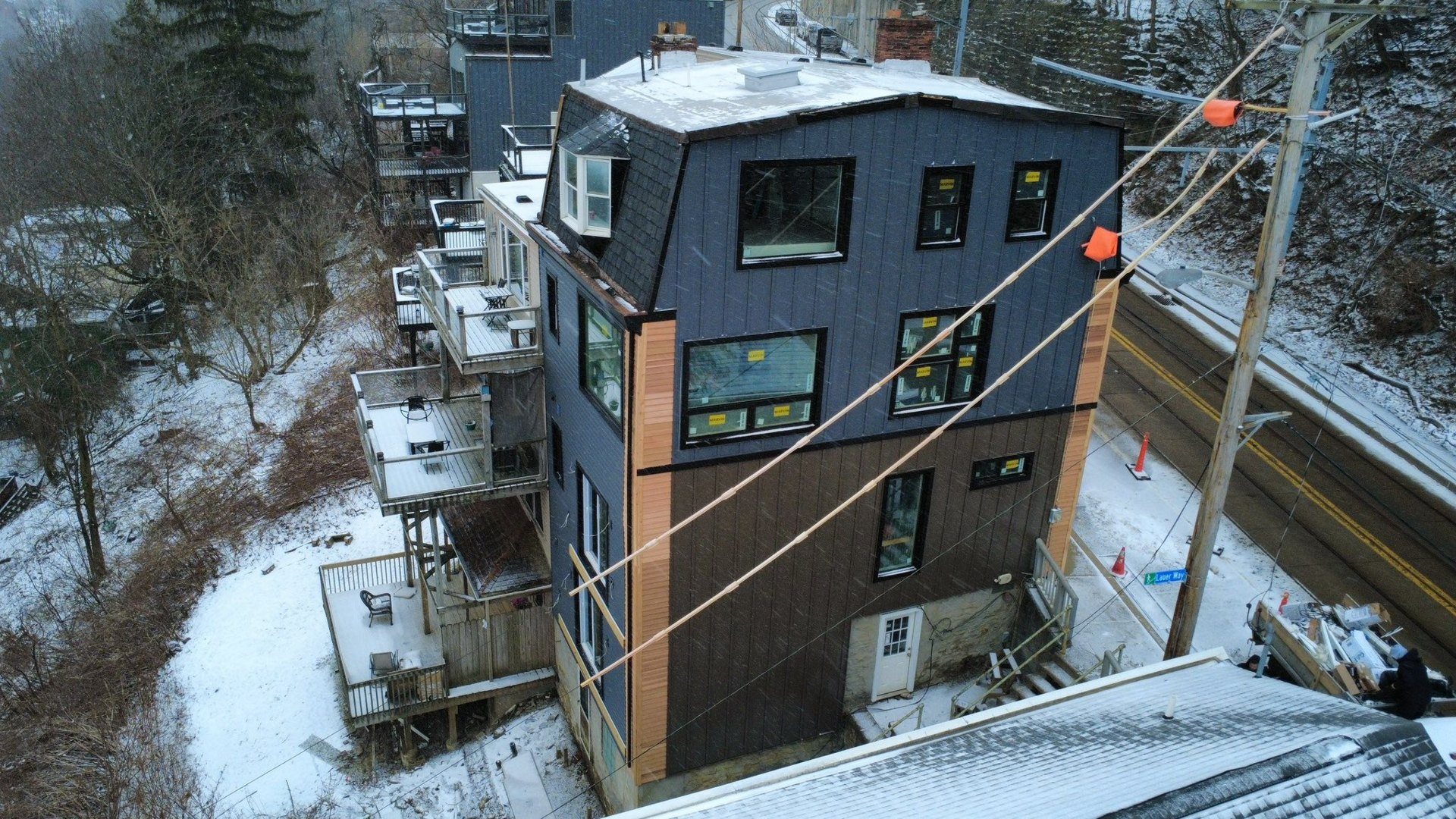
Malick Brothers Exteriors is registered as PA HIC PA174918, BBB accredited with an A+ rating, and we photograph and document every project so owners who cannot be on site can see the substrate before it is covered. If the building also needs a low slope roof, our commercial roofing division installs MuleHide EPDM and silicone systems and can combine the roof and siding into one schedule. Financing is available for qualified projects.
Frequently asked questions
How long does commercial siding installation take in Pittsburgh?
It depends on wall area, building height, the condition of the sheathing, the material, permits, and weather. A small simple building can be finished in days, while a multi unit or multi story property can take weeks. The honest schedule comes after the site visit, in a written estimate that lists each phase and explains what would change it.
What types of siding are used on commercial buildings?
Fiber cement, vinyl, metal panel, engineered wood, stucco, and masonry all appear on commercial buildings. We install James Hardie fiber cement and Mastic vinyl. Fiber cement is the usual choice where impact resistance, fire resistance, and a long warranty matter, and vinyl is the choice where speed and budget drive the decision on a lower traffic elevation.
Can you replace just a section of commercial siding?
Yes. Storm damage, a leaking window, or wear on one elevation can often be repaired without touching the rest of the building. The limits are color matching on faded siding and finding a matching profile when the original product has been discontinued. During the inspection we tell you whether a repair will blend in or whether a full elevation is the better fix.
What is the longest lasting commercial siding?
Among the products we install, James Hardie fiber cement carries the longest manufacturer warranty and holds up best against impact, fire, insects, and Pittsburgh freeze and thaw cycles. Quality vinyl such as Mastic also lasts for decades when it is installed with the correct fastening and expansion gaps, which is why the installer matters as much as the material.
Does commercial siding replacement need a permit in Pittsburgh?
Often yes, especially inside the City of Pittsburgh and for buildings in historic districts, and the rules differ in each North Hills borough and township. Your contractor should handle the application. Plan review time is set by the municipality, so it belongs on the project schedule as a separate step before work begins.
Can tenants stay open during the work?
In most cases yes. We sequence elevations so entrances and parking stay open, stage materials away from fire lanes and loading areas, and agree on working hours with the owner before the first day. Tenants should expect noise and some parking changes, and we notify them first.
Get a phase by phase schedule for your building
If you manage a commercial or multi unit property in Pittsburgh and need a realistic siding schedule rather than a guess, we will walk the building, inspect the walls, and put the phases and the material options in writing at no cost. Contact Malick Brothers Exteriors to book a site visit.