Most roofing problems start at the kitchen table, when a homeowner signs with the wrong contractor. The red flags when hiring a roofer are not subtle once you know them, and the questions that expose a bad roofer take about ten minutes to ask. This guide puts both in one place: the warning signs that a roofer is lying or cutting corners, the questions we think every Pittsburgh homeowner should ask before signing, and the Pennsylvania rules that protect you once you do.
We are Malick Brothers Exteriors, a family owned roofing company founded in 2022 by Ryan Malick and based at 500 Perry Highway in West View. We have met plenty of homeowners who were burned by the last contractor, and most say the same thing afterward: the signs were there. If you are comparing the best roofers in Pittsburgh right now, use this as your checklist.
The biggest red flags when hiring a roofer
A dishonest roofer rarely lies outright. The lie is usually in what gets left out: the certificate that never arrives, the contract that stays verbal, the inspection that never happens.
They quote your roof without getting on it
A real estimate requires a real inspection. The contractor should walk the roof, check flashing, valleys, pipe boots, vents and chimney counterflashing, and look inside your attic for staining, daylight and ventilation problems. A number over the phone or a quote built from satellite imagery alone is a guess, and the guess is usually corrected later with a change order.
They exaggerate the damage
Claiming you need a full replacement when a repair would do, or inventing structural problems you cannot see, is the oldest trick in the trade. Ask for photos of every problem the roofer describes. A legitimate contractor documents damage with dated photos or drone footage and walks you through them. If the roofer cannot show you, assume it is not there. If a second opinion disagrees, our roof inspection service will tell you honestly whether you are looking at a repair or a replacement.
They create urgency
"This price is only good today" and "I can only fit you in if you sign now" are pressure tactics designed to keep you from calling anyone else. Outside of active water coming into the house, nothing about a roof requires a same day signature. A contractor who is confident in the estimate will let you sleep on it.
The bait and switch price
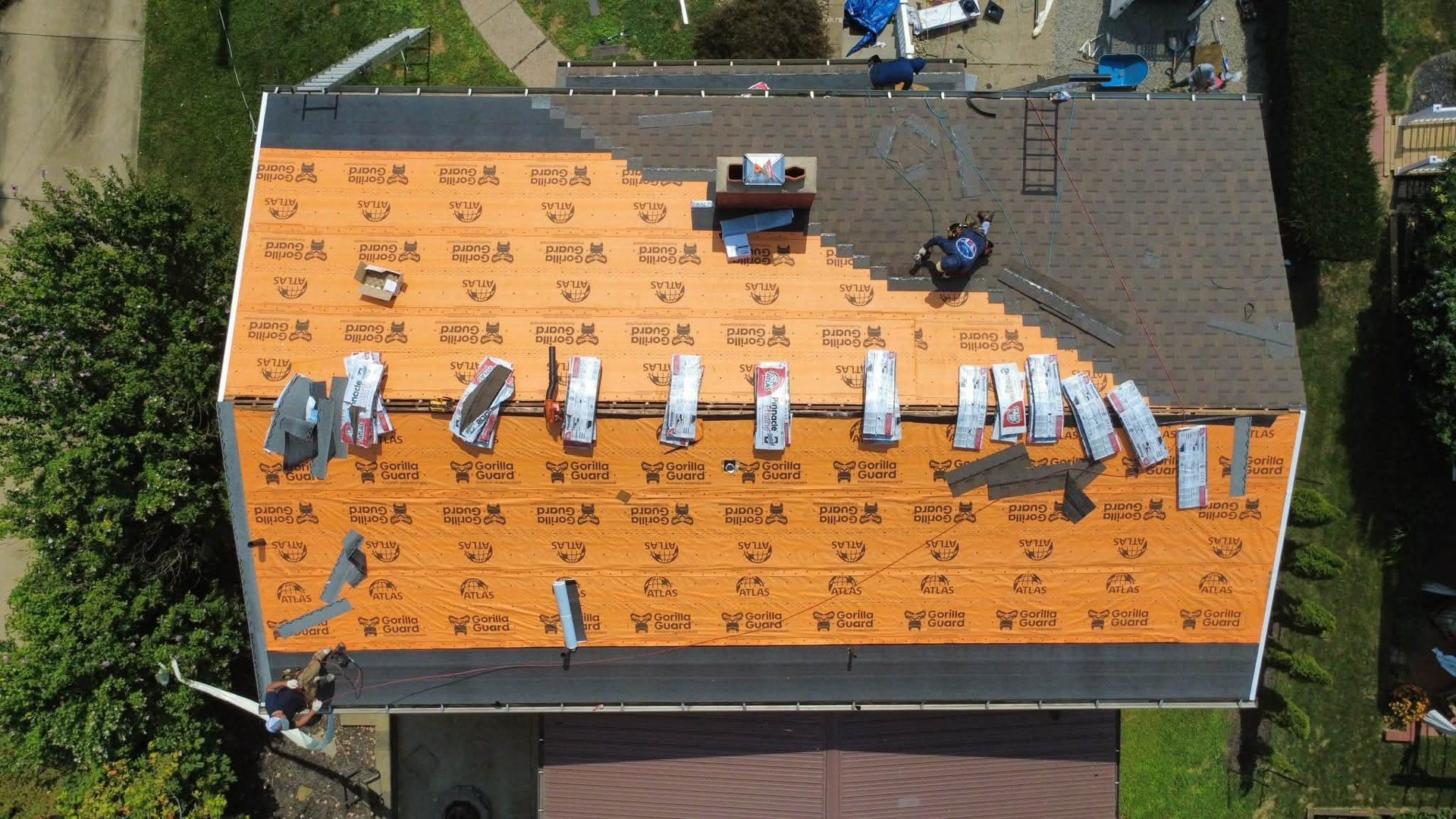
Some contractors lowball the first number just to win the job, then "discover" problems once the old shingles are off and the homeowner has no way back. Protect yourself by asking, before you sign, exactly what happens if rotten decking or other hidden damage is found. A reputable roofer will tell you the unit price for replacement decking in writing, photograph the damage before replacing it and get your approval before proceeding.
Signs of a bad roofing contractor before you sign
These are the business level warning signs. Any one of them is a reason to pause. Two or more is a reason to walk away.
| Warning sign | What it usually means |
|---|---|
| No physical business address, only a cell phone | The company may not exist next year when you need warranty service |
| No PA Home Improvement Contractor registration number on the truck, estimate or website | They are not registered to do home improvement work in Pennsylvania |
| Cannot produce an insurance certificate from the carrier | You could be liable if a worker is injured on your property |
| Wants a large deposit or full payment up front | Classic pattern for contractors who take money and disappear |
| Cash only, no written contract | No paper trail if something goes wrong |
| Will not pull permits or asks you to pull them | Work may not meet code and the roofer wants their name off the record |
| Knocks on your door after a storm with an out of state plate | Storm chaser, covered below |
| Estimate is one line with a total | No way to compare bids or hold them to a scope |
How to verify a roofer in Pennsylvania
You do not have to take anyone's word for it. Pennsylvania gives you two things to check, and both take minutes.
PA HIC registration
Under the Pennsylvania Home Improvement Consumer Protection Act, any contractor doing more than a small amount of home improvement work each year must register with the Office of Attorney General and display the registration number on contracts, estimates and advertising. You can look up any contractor by name or number at the Attorney General's HIC search page. The search shows active registrations only, so an expired registration simply will not appear. Our number is PA174918, and you are welcome to check it.
Insurance certificates

Ask for a certificate of insurance showing general liability and workers' compensation, and ask that it come directly from the insurance agent or carrier rather than as a photocopy from the contractor. Agents will send a certificate naming you as the certificate holder on request. Check the policy dates and make sure the company name matches the one on your contract. Without workers' compensation, an injured worker's claim can land on your homeowner's policy.
Questions to ask a roofer before hiring
Treat the estimate appointment like a job interview. These are the questions that separate real roofing companies from sales operations, in the order we would ask them.
Credentials and track record
- What is your PA HIC registration number, and where is your office?
- Can your insurance agent send me a certificate showing liability and workers' compensation?
- How long has the company been operating under this name, and who owns it?
- Are you certified by the manufacturer of the shingles you are proposing, and what does that certification let you offer on warranty?
- Can I have three recent local references, and can I see finished jobs nearby?
The inspection and the scope
- Did you get on the roof and into the attic? Can I see the photos?
- Is this a full tear off or a layover? (In our experience a layover hides deck problems and shortens the life of the new roof.)
- Will you replace all flashing, pipe boots and drip edge, or reuse any of it?
- Where will ice and water shield go, and how far up from the eaves? Pennsylvania winters make this one matter.
- What ventilation will the finished roof have, and does it match the attic size?
- How do you price and approve replacement decking if you find rot?
The crew and the job site
- Who will be on my roof, employees or subcontractors, and who is the on site supervisor I can call?
- How many days will the job take, and how many crews are running that week?
- How will you protect landscaping, siding, gutters and the driveway?
- How is cleanup handled, and will you run a magnet for nails?
- Who pulls the permit and schedules the inspection?
Money and warranty
- Can I have an itemized written estimate showing materials by brand and product, labor, permits, disposal and the change order process?
- What is the payment schedule, and what is due before work starts?
- What is your workmanship warranty, in writing, and what does the manufacturer warranty cover?
- Is the warranty transferable if I sell the house?
- Do you offer financing? (We do. See our financing page for how it works.)
Watch how the roofer answers. Evasion or irritation on any of these is itself an answer.
What a written contract should include in Pennsylvania
The Home Improvement Consumer Protection Act does more than require registration. For home improvement work above a modest size, it requires a written contract signed by both parties, and it spells out what that contract has to contain. In general terms, the contract should include:
- The contractor's name, address, phone number and HIC registration number
- The full agreed price and a description of the work and materials
- Approximate start and completion dates
- Your right to cancel the contract within a short window after signing
- The contractor's insurance information
- Any down payment, with limits on how much can be collected before work begins
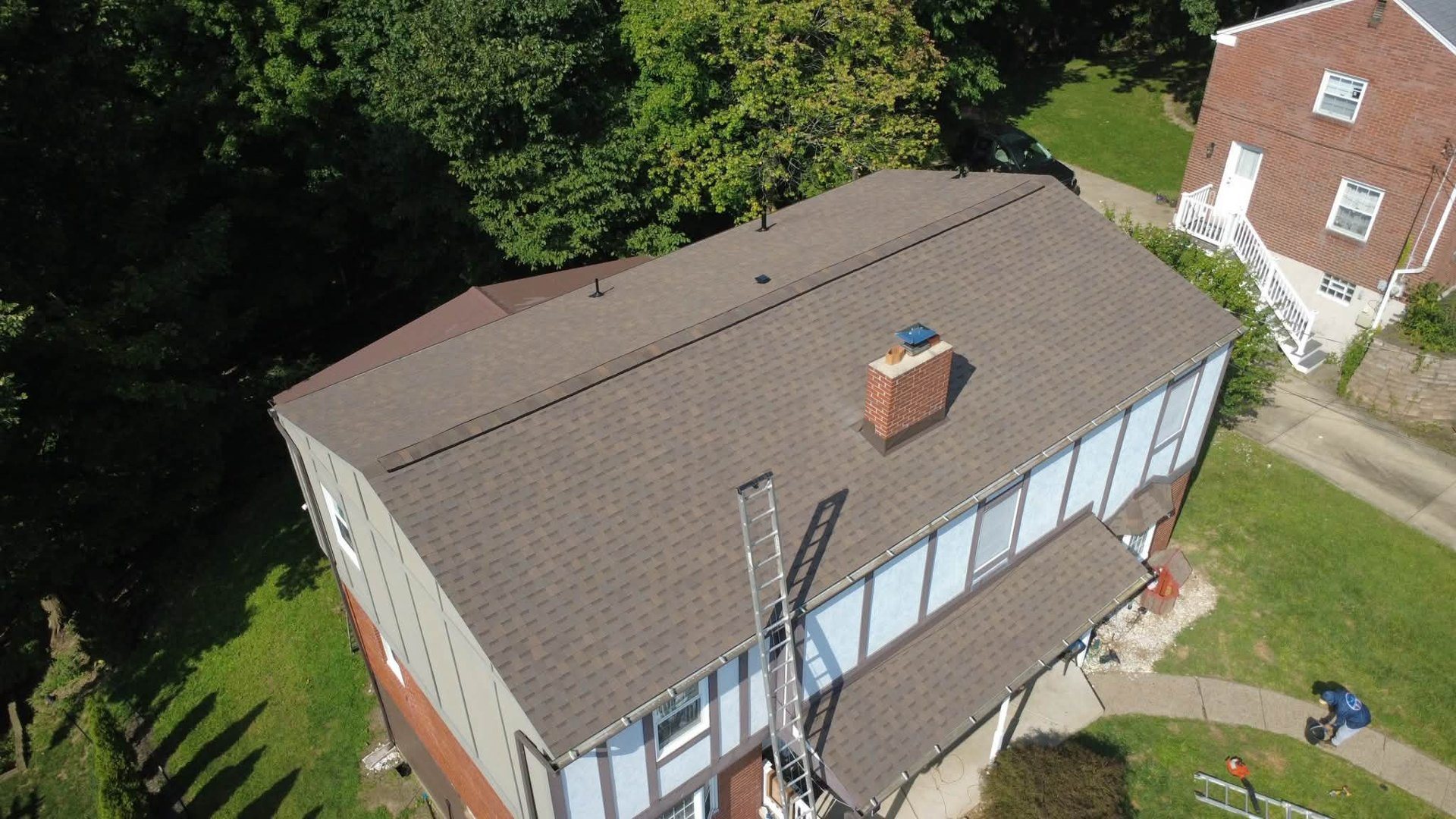
We are summarizing in general terms. The Pennsylvania Office of Attorney General publishes the specifics and runs a consumer helpline. The practical point is simple: a roofer who refuses to put the job in writing is refusing to follow state law, and that is a red flag on its own.
Storm chasers: the Pittsburgh version
Western Pennsylvania wind, hail and spring storms each bring a wave of contractors who were not here last month. Someone knocks, says they are "already working in the neighborhood," offers a free inspection, finds damage, and pushes you to sign an agreement that lets them deal with your insurance company directly. Months later the roof leaks and the number is disconnected.
How to spot one:
- Out of state plates or magnetic signs on the truck
- No local office you can drive to
- No PA HIC registration, or one issued in the last few weeks
- Pressure to sign an "assignment of benefits" or a contingency agreement before you have seen an estimate
- Offers to "waive your deductible," which is insurance fraud
If you have storm damage, call a local contractor with a permanent address, get the inspection photographed, and involve your insurance company yourself. Our team regularly meets insurance adjusters on site for homeowners across the North Hills and greater Pittsburgh.
How to tell if a roofer is lying about your roof's condition
Beyond the business checks, a few technical tells will help you judge whether the diagnosis is honest.
- "The whole roof needs replaced" after a five minute look. Shingle roofs fail in predictable places first: south and west facing slopes, around chimneys, at valleys and pipe penetrations. A roofer who has not checked those spots cannot know.
- Hail damage with no hail. Hail leaves random, round bruises with soft spots. Blistering from heat and manufacturing defects look different, and a roofer should be able to tell you which you have.
- "Your attic is fine" without going in it. Ventilation and moisture problems in Pittsburgh's older housing stock are common, and the attic is the only place to see them.
If a diagnosis sounds dramatic, get a second opinion before you sign anything. A repair is often the honest answer, and a replacement is the honest answer when it is. The right roofer will tell you which without a sales pitch.
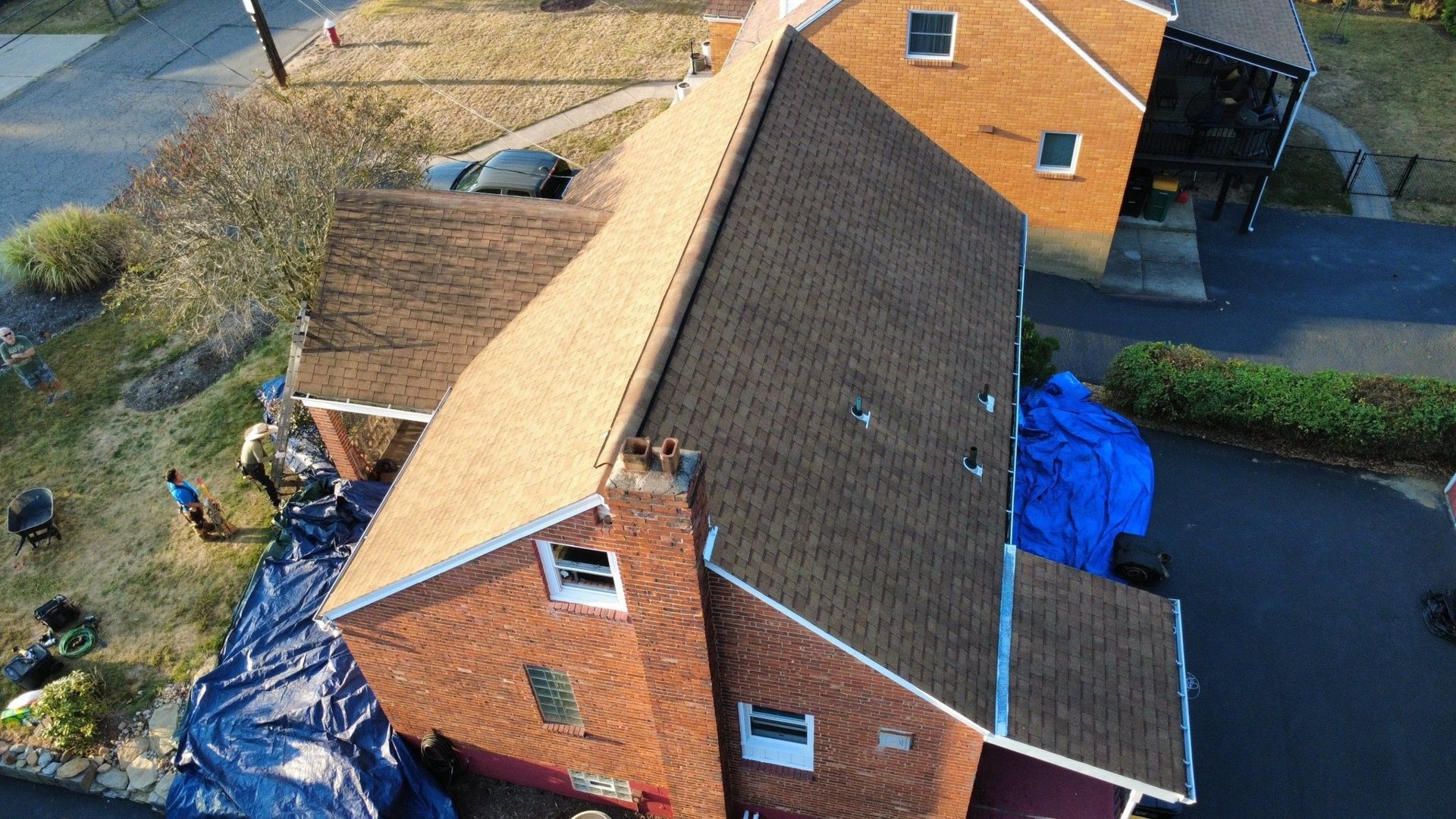
The warranty question most homeowners forget to ask
A warranty is only as good as the company behind it. The manufacturer's material warranty does not cover installation mistakes. That is what the contractor's workmanship warranty is for, and it is only worth anything if the roofer is still in business.
Manufacturer certification changes the math. As an Atlas PRO+ Platinum contractor, we can register complete Atlas roofing systems for the Atlas 50 year warranty, which is backed by the manufacturer rather than by us alone. Ask any roofer which manufacturer programs they are enrolled in and what that enrollment actually adds to your coverage. Then ask for the warranty terms in writing before you sign, not after.
Frequently asked questions
How do you know if a roofer is reliable?
A reliable roofer has a physical office you can visit, an active PA HIC registration you can look up, an insurance certificate that comes from the agent, recent local references, and a written itemized estimate produced after a real inspection. They answer questions without pressure and give you time to compare bids. Reliability shows up in the paperwork before it shows up on the roof.
What are red flags when hiring a contractor of any kind?
The same ones that apply to roofers: no registration number, no insurance certificate, large deposits demanded up front, no written contract, pressure to sign the same day, no permits, and no permanent local address. Pennsylvania's Home Improvement Consumer Protection Act covers all home improvement contractors, not only roofers, so the registration lookup works for siding, gutter and window contractors too.
What legal protections do I have when hiring a roofer in Pennsylvania?
The Home Improvement Consumer Protection Act requires contractor registration, a written contract with specific required terms, a limit on down payments and a short cancellation window after signing. Violations can be pursued by the Office of Attorney General, which also runs a consumer helpline. Keep every estimate, contract, photo and email in one folder in case you ever need them.
What are the signs of a bad roofing job after the fact?
Shingles that do not lie flat or do not line up, visible nail heads, missing or reused flashing, no drip edge at the eaves, exposed underlayment at the edges, debris and nails left in the yard, and attic ventilation that was not addressed. Many of these are only visible from the roof or attic, which is why a post job inspection from a second contractor is reasonable if something feels off.
Should I hire the roofer who knocked on my door after the storm?
Almost never. Take the card, then do the same checks you would do for anyone else: HIC lookup, insurance certificate from the agent, local address, local references and a written estimate after an inspection you watched happen. A legitimate local contractor will pass all of those. A storm chaser usually will not get past the first one.
Get a straight answer on your roof
If you want an honest look at your roof from a local, PA registered, BBB A+ accredited contractor, we will get on the roof, show you the photos and put everything in writing. No pressure and no same day signing. Contact Malick Brothers Exteriors to schedule a free inspection and written estimate anywhere in the North Hills or greater Pittsburgh.