
Table of Contents
Overview: TPO vs EPDM – Which is Better for Commercial Buildings in Pittsburgh?
Choosing the right membrane for a flat or low‑slope roof in Pittsburgh isn’t just about picking a material off a shelf. It involves weighing energy efficiency, durability and the conditions your building faces every day. Our city’s freeze‑thaw cycles, bright summer sun and frequent rain can make any roof work hard. This overview sets the stage for a deep dive into the two primary single‑ply materials: TPO and EPDM. Throughout this article you’ll notice references to TPO vs EPDM, commercial roofing Pittsburgh, and flat roof comparison—each link directs you to local experts who can help you navigate decisions specific to our area.
What is the best material for a commercial flat roof?
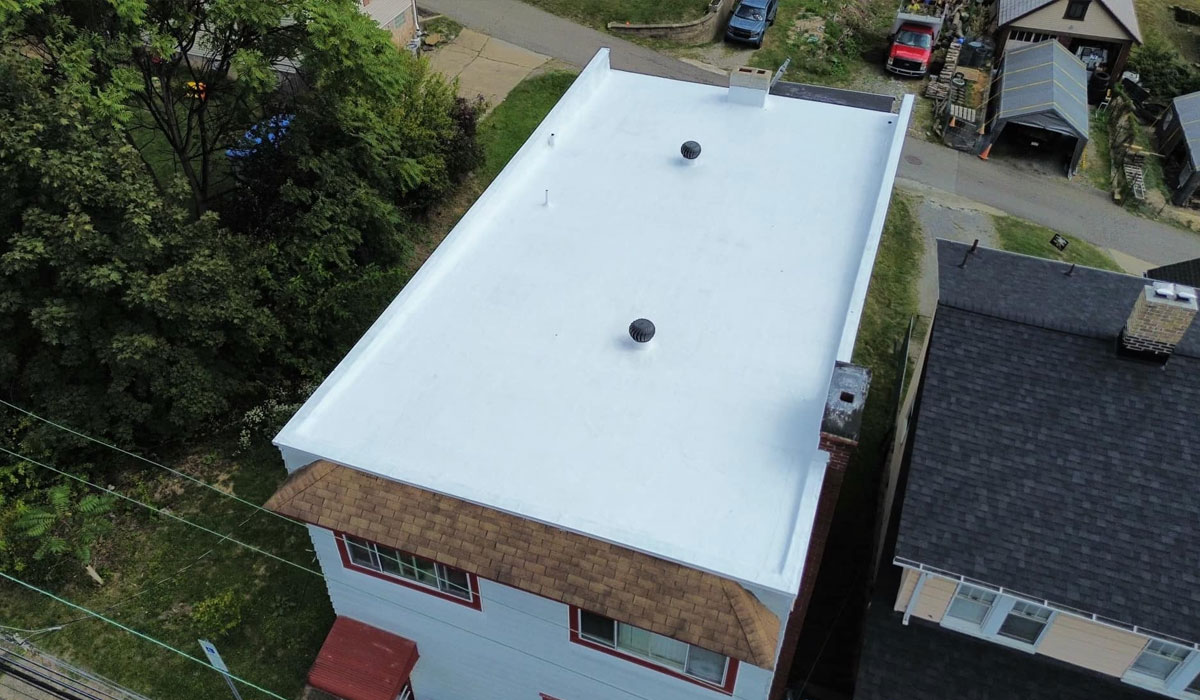
Before choosing between TPO and EPDM, it’s important to understand how single‑ply membranes work. These materials are installed in one layer and come in wide rolls, meaning fewer seams and quicker installation than multi‑ply systems. TPO (thermoplastic polyolefin) is a plastic‑based sheet, usually white or light grey, that reflects sunlight and is heat‑welded at the seams. EPDM (ethylene propylene diene monomer) is rubber‑based and typically black, though white versions exist; it’s secured with adhesive or ballast. The best material for your commercial flat roof depends on what you value most—superior sun reflection and seamless waterproofing, or flexibility and proven longevity.
Comparing TPO vs EPDM: Which Is Better for Commercial Buildings in Pittsburgh?
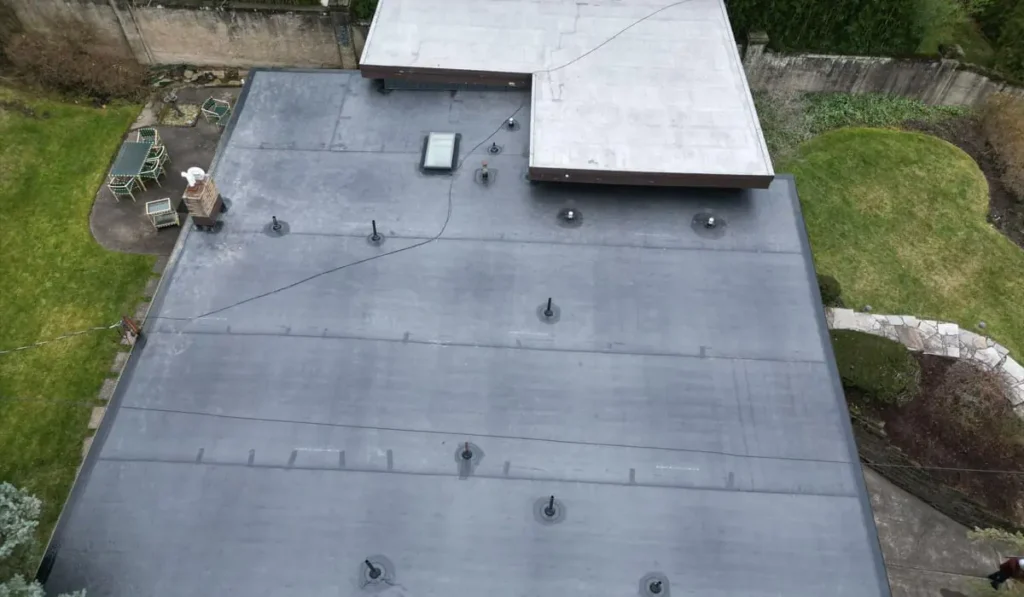
If you’re seeking maximum energy savings during Pittsburgh’s hot summers, TPO’s reflective surface might tip the scales. According to industry sources, TPO membranes can reduce cooling loads because they bounce sunlight away rather than absorbing it. The material also resists mold and chemical exposure, making it a durable choice for buildings with rooftop equipment. EPDM, on the other hand, is praised for its flexibility and ability to withstand extreme temperatures without cracking. Its long‑term track record means building owners know what to expect after decades in service. For many older buildings or roofs with structural movement, EPDM provides peace of mind because it stretches rather than splits when the structure shifts.
Is TPO better than EPDM?
The answer depends on what you prioritize. TPO is generally lighter and easier to install, with heat‑welded seams that create a highly watertight surface. Its reflective properties lower cooling bills, which appeals to owners of large warehouses or office complexes. However, TPO’s longevity is still catching up to EPDM; many installations last 15–20 years, although high‑quality membranes can reach 25 years or more with proper maintenance. Quality variability is another concern—cheaper TPO products may not deliver the same durability. EPDM is the veteran in the field, offering proven durability and the ability to handle Pittsburgh’s freeze‑thaw cycles. Its seams are joined with tapes or adhesives instead of welding, making installation more forgiving in cold weather. Still, those adhesives can degrade over time, so regular inspections are vital.
Which lasts longer, a TPO or EPDM roof?
EPDM is known for longevity; reliable sources report that properly maintained EPDM membranes often exceed 25 years in service and can sometimes approach 30 years. The synthetic rubber resists ultraviolet radiation, ozone and weathering. TPO has improved over the years, with many modern membranes designed to last 20–25 years. While some early TPO products experienced premature failures, reputable manufacturers have addressed those issues, and more recent systems perform better. As with any roof, proper installation and routine maintenance directly influence lifespan.
What are the disadvantages of TPO roofing?
TPO’s reflective surface is great for energy savings, but it isn’t perfect. Because the seams are heat‑welded, installation requires skilled technicians and specialized equipment. Poor welding can lead to seam failures that compromise waterproofing. The product’s relative youth means it doesn’t have the decades‑long track record EPDM enjoys. Finally, not all TPO membranes are created equal; lower‑grade materials may degrade faster and lose their reflective qualities sooner. It’s wise to ask for a warranty and confirm that your contractor uses a reputable brand.
Cost, Installation, and Maintenance Comparison: TPO vs EPDM
Cost is often a decisive factor. EPDM typically has a lower upfront price, making it attractive for smaller roofs or budget‑sensitive projects. Its installation uses adhesive, tape or ballast, which can be performed in colder conditions and is less labor‑intensive. TPO may cost more initially because of the heat‑welding equipment and warm‑weather requirements, yet its energy savings can offset the higher installation cost over time. When it comes to maintenance, EPDM is generally easier to repair; patches and adhesives can mend small punctures quickly. TPO repairs often require re‑welding seams, so it’s best to hire a professional. Regular inspections—regardless of membrane type—extend the life of your roof and help catch small issues before they become expensive problems.
Environmental Impact and Energy Efficiency
Sustainability is a growing priority for building owners. Both TPO and EPDM are recyclable and can contribute to green building certifications. EPDM’s black surface absorbs heat, which can be an advantage in winter by reducing heating costs but may raise cooling expenses in summer. White EPDM options are available for those who want a balance of reflective benefits without giving up rubber’s flexibility. TPO inherently reflects sunlight; this quality helps maintain cooler interior temperatures and reduces the building’s carbon footprint. If your goal is maximum energy efficiency, especially in buildings with high air‑conditioning loads, TPO usually wins. However, if you’re focused on long‑term durability and easy repairs, EPDM remains a strong contender.
Final Thoughts: Choosing the Right Roof for Pittsburgh’s Climate

Ultimately, there is no one‑size‑fits‑all answer. Pittsburgh’s mix of hot summers, cold winters and varied building styles means either membrane could be the right choice. As you explore a flat roof comparison, think about your building’s size, exposure to sunlight and future renovation plans. Older structures and roofs with significant movement often benefit from EPDM’s flexibility. Large commercial facilities with extensive HVAC equipment might prefer TPO’s welded seams and reflective surface. Whatever you decide, work with experienced local professionals; their understanding of commercial roofing Pittsburgh conditions and building codes ensures your investment pays off. For deeper details about repairs and installation best practices, you can read the Comparison of EPDM and TPO Roofing for Pittsburgh Businesses article by Malick Brothers Exteriors.
Table: Key Differences Between TPO and EPDM
| Feature | TPO Roofing | EPDM Roofing |
|---|---|---|
| Typical Color | White/gray/tan (highly reflective) | Black (white versions available) |
| Composition | Thermoplastic polyolefin (plastic‑based) | Synthetic rubber (ethylene propylene diene monomer) |
| Seam Type | Heat‑welded seams for strong waterproofing | Adhered or taped seams; easier to install in cold weather |
| Lifespan | 20–25 years (quality dependent) | 25–30+ years |
| Energy Efficiency | High; reflects sunlight, reducing cooling costs | Moderate; absorbs heat (better for heating), white variants improve reflectivity |
| Repair Ease | Requires heat‑welding equipment; professional work recommended | Patches and adhesives make repairs simple |
| Best Suited For | Large roofs with high sun exposure and multiple penetrations | Roofs prone to movement, older structures, cold climates |
| Upfront Cost | Typically higher; energy savings can offset over time | Usually lower, especially for small projects |

