Big Picture Overview
Roofing is not just the shingle layer you see from the street. It is a complete building system that protects people, assets, and structures from water, wind, heat, and cold. When we talk about a roofing definition, we are really talking about a coordinated set of components that must work together every day. For homeowners and property managers, understanding what roofing means makes the difference between reactive emergency fixes and proactive planning. The better you know your roof, the easier it is to manage budgets, risk, and long term performance.
What is the definition of roofing?
In practical terms, the roofing definition covers everything that keeps weather out at the top of a structure. That includes the structural frame, deck, underlayment, flashing, ventilation, insulation, and the outer surface such as shingles, metal panels, or membrane. When you hear people talk about what roofing means, they may focus on the visible material, but the underlying layers are just as important. If even one part fails, the system is compromised. That is why serious contractors talk about systems, not just shingles.
Roof anatomy and roofing system explained
Every roof starts with framing - rafters or trusses that carry weight to the walls. On top of that sits the roof deck, usually OSB or plywood, which forms the base for everything else. The underlayment, ice barriers, and flashing form the hidden waterproofing that separates weather from the structure, an essential part of any roofing system explained. Ventilation and insulation then control temperature and moisture in the attic or roof cavity. Finally, the outer surface handles direct sun, rain, hail, and wind.
Common materials and basic lifespans
A quick look at materials is helpful for both homeowners and property managers:
| Roofing type | Typical use | Approximate lifespan* |
|---|---|---|
| Asphalt shingles | Most homes | 20 - 30 years |
| Metal panels | Residential, commercial | 40 - 70 years |
| Single ply (TPO, EPDM) | Flat commercial roofs | 20 - 30 years |
| Tile or slate | High end properties | 50 - 100+ years |
*Actual life depends on climate, installation quality, and maintenance.
Roof materials, lifespans, and commercial roofing basics
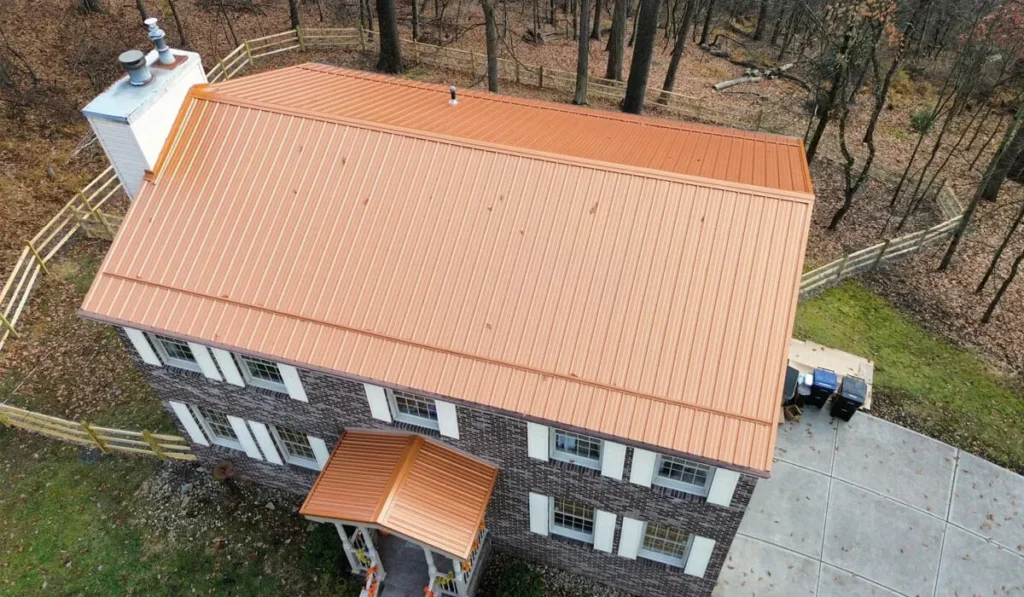
For most single family homes, asphalt shingles are still the default because they balance cost and performance. In commercial settings, flat or low slope roofs rely more on membranes like TPO or EPDM, which are central to commercial roofing basics. Metal roofing is increasingly popular on both homes and mixed use properties for its long life and energy benefits. Tile and slate stay attractive where owners want premium aesthetics and can support the extra weight. Whatever you choose, thinking of the system as a whole is more important than focusing only on the visible layer.
What Is Roofing? (Explained for Homeowners & Property Managers) in Different Climates
The meaning of roofing changes slightly when you put it in a real world climate. In cold regions, ice dam protection, attic ventilation, and snow load become critical design points. In hot or sunny climates, reflectivity, insulation, and heat resistance matter more than snow shedding. This is where roofing system explained becomes more than theory, because each climate demands a different balance of materials and details. If you want a deeper dive into how materials compare, Malick Brothers has an in depth resource at Guide to Choosing the Best Roofing Material for Home Replacement. You can also explore national guidance on efficient roof design in the Department of Energy’s overview of cool roofing at Energy.gov for additional context on performance and material options.
What is the 25% rule for roofing?
Many owners hear about the “25 percent rule” and are not sure how it applies. In simple terms, some codes and insurance guidelines say that if more than roughly a quarter of the roof surface is damaged or needs repair, it is more appropriate to replace that section or the entire roof. The idea is that beyond that point, patching becomes less reliable and less cost effective over time. While local rules vary, this is a useful planning threshold for both residential and commercial portfolios. If inspections show repeated issues in multiple areas, treating it as a partial or full replacement project is usually the smarter long game.
How do you describe roofing on a resume?
If you manage properties or construction and need to describe roofing experience on a resume, focus on systems and outcomes rather than just tasks. Instead of simply writing “oversaw roof replacement,” you might say you coordinated full commercial roofing basics projects across multiple buildings, including budgeting, contractor selection, and warranty management. Mention the types of roofs you have handled, such as asphalt, metal, or TPO, and the scale in square footage. If you routinely evaluate a roofing definition during due diligence, call that out as part of your risk management skill set. Hiring managers want to see that you understand life cycle costs, not just how to call a roofer.
How to tell if a roofer is lying?
Unfortunately, not every contractor is transparent, and both homeowners and property managers need basic red flags. Be cautious if a roofer refuses to show proof of licensing and insurance, pressures you to sign on the spot, or cannot clearly explain what roofing means in terms of system components and warranty coverage. Vague or constantly changing answers about scope, materials, or pricing are another bad sign. A trustworthy professional can walk you through a roofing system explained in plain language, provide a written scope, and answer detailed questions about ventilation, flashing, and underlayment. When in doubt, get a second opinion and compare written estimates line by line.
Maintenance, inspections, and what roofing means over time

No roofing definition is complete without talking about maintenance. Even the best system will fail early if gutters stay clogged, debris piles up, or minor leaks are ignored. Annual or post storm inspections help catch missing shingles, membrane blisters, failed sealant, or moss before they become expensive structural issues. For larger portfolios, regular roof reports can be built into capital planning so replacements are scheduled, not surprises. Over time, this is really what roofing means in practice: a managed asset, not a mystery overhead.
Overall takeaway for owners and managers
When you step back, What Is Roofing? (Explained for Homeowners & Property Managers) is really about understanding a critical building system so you can manage risk, comfort, and cost. If you treat your roof as a disposable surface, you will likely overspend on emergency work and deal with more interior damage. If you treat it as a coordinated system, you can apply commercial roofing basics to any property you oversee, from a single family rental to a multi building campus. Clear inspections, well scoped projects, and reputable contractors help ensure your investment performs for decades. That is the real value of learning a solid roofing system explained in plain language.