Table of Contents
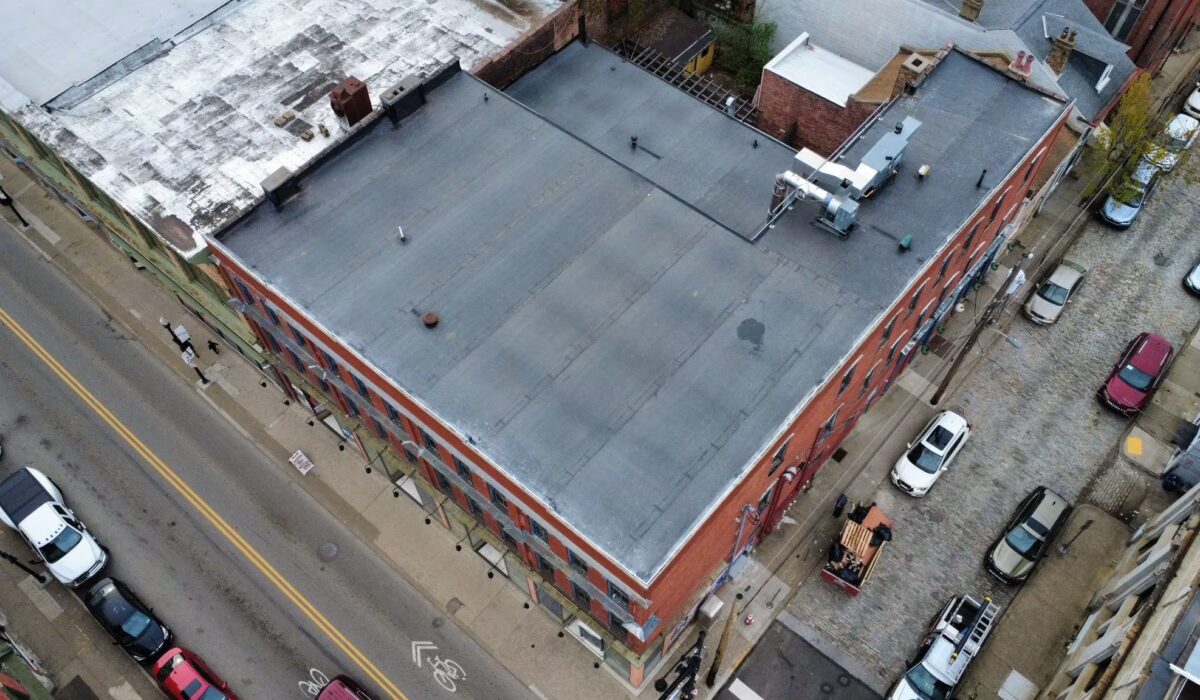
Flat roofs are ubiquitous in modern commercial architecture because they maximize interior space and often allow for rooftop equipment or usable outdoor areas. However, selecting the best material for a commercial flat roof isn’t a matter of grabbing the cheapest membrane off a shelf. Different materials deliver different lifespans, energy performance, durability and maintenance profiles. Having managed building projects myself, I know the cost of cutting corners on a roof only to face leaks or premature failure a few years later. This guide explores the pros and cons of major roofing systems and helps you decide which option makes sense for your building, budget and climate.
Understanding the Main Material Categories
Today’s flat roofs fall into several broad categories. Single‑ply membranes like TPO (thermoplastic polyolefin), EPDM (ethylene propylene diene monomer) and PVC (polyvinyl chloride) dominate the market because they are lightweight, installed in large sheets and come with factory‑controlled quality. Multi‑layer systems such as built‑up roofing (BUR) and modified bitumen (Mod Bit) rely on layers of asphalt and felt for waterproofing. You’ll also encounter coatings (acrylic, silicone or polyurethane) that extend the life of an existing roof and spray foam systems that provide both insulation and waterproofing.
Material Comparison Table
| Material | Typical Lifespan | Key Benefits |
|---|---|---|
| TPO | 20–30 years | Reflective, energy‑efficient, moderately priced |
| EPDM | 25–30+ years | Proven durability, budget‑friendly, puncture‑resistant |
| PVC | 30–40 years | Longest lifespan, excellent chemical/fire resistance |
| Built‑Up (BUR) | 10–20 years | Multi‑layer redundancy, good UV protection, cost‑effective |
| Modified Bitumen | 12–20 years | Seamless cover, handles temperature extremes well |
| Spray Foam (SPF) | Up to 50 years | Provides insulation, energy savings and soundproofing |
These categories illustrate that a commercial flat roof has more options than many building owners realize. From here we dive deeper into performance and application.
What is the best roofing material for a commercial flat roof?
“Best” is subjective because every building has unique requirements. However, industry consensus often points toward TPO as the most balanced option. According to Weather Shield Roofing, TPO offers an excellent blend of affordability ($4–$8 per square foot), durability (20–30 years) and energy efficiency thanks to its white reflective surface. Heat‑welded seams create bonds stronger than the membrane itself, giving TPO impressive leak resistance.
Yet TPO isn’t the only good choice. EPDM has a longer track record (more than 50 years of use) and remains extremely cost‑effective. EPDM membranes are thick rubber sheets with minimal seams; they handle foot traffic well and offer superior puncture resistance. PVC is the premium option. Its hot‑air‑welded seams and chemical formulation provide the longest service life (up to 40 years) and the best resistance to grease, chemicals and fire. For rooftop restaurants or industrial applications where chemical spills are a risk, PVC may be the best despite its higher cost.
Ultimately, the best system is the one that fits your budget, building use and climate. To explore specific products from Malick Brothers Exteriors, check out their commercial flat roof material page which covers several options.
What is the most durable flat roof material?
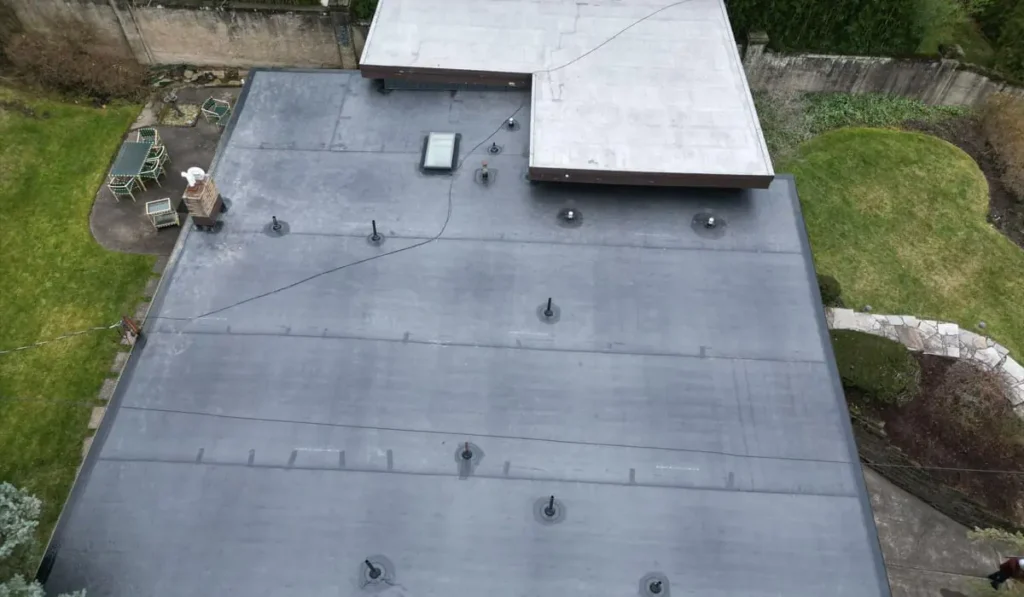
Durability often means how long a roof lasts before it needs replacement and how well it resists punctures, tears and weather extremes. EPDM shines in this category: its thick rubber composition withstands hail, falling branches and work boots better than thinner membranes. With proper installation and maintenance, EPDM roofs easily reach 25–30 years and sometimes beyond.
PVC also earns a durability crown thanks to its hot‑air‑welded seams and chemical resistance. It resists moisture, wind and fire better than most systems and can last 30–40 years. TPO has strong seams but is slightly more prone to punctures. Built‑up roofing has a shorter lifespan (10–20 years) but gains durability through redundancy: multiple layers mean one damaged layer doesn’t immediately cause a leak. Modified bitumen offers seamless coverage and handles temperature swings well.
If maximum durability is your priority and budget allows, PVC or EPDM are top contenders. To understand installation nuances, read the TPO EPDM PVC roofing guide from Malick Brothers Exteriors.
What is the most common for commercial roofing?
Single‑ply membranes dominate the commercial roofing landscape. According to industry surveys, TPO represents roughly 40 % of new flat roof installations, while EPDM accounts for about 22 %. Modified bitumen and built‑up systems collectively hold around 12–14 %. The popularity of TPO stems from its cost‑performance balance; EPDM remains widely used because of its proven longevity and low price. PVC is less common due to cost but remains standard for chemical‑exposure environments.
The prevalence of single‑ply membranes doesn’t mean multi‑layer systems are obsolete. In historic buildings or where redundancy is valued, BUR still provides reliable waterproofing at a reasonable cost. Green or vegetative roofs, while a niche category, are gaining interest in urban areas where rooftop gardens add usable space and manage storm water.
What is a commercial flat roof called?
You might hear professionals refer to a commercial flat roof as a low‑slope roof. Building codes define flat roofs as having a pitch under 3:12, meaning they are not perfectly flat but have slight slopes for drainage. The term membrane roof is commonly used for single‑ply systems like TPO, EPDM and PVC because these materials form a single continuous waterproof layer. Multi‑layer roofs are often called built‑up roofs (“tar and gravel”) or modified bitumen roofs, referencing their asphalt layers. Spray foam and coating systems are sometimes categorized as fluid‑applied roofs. All of these fall under the broad umbrella of commercial flat roofing.
Evaluating Costs and Lifespans of Flat Roof Materials
Cost is often the first question facility managers ask, but specific prices can vary widely based on region, labor rates and the complexity of the job. Instead of listing dollar amounts, it helps to think in terms of value relative to lifespan and performance.
- TPO: A moderately priced membrane with a lifespan around 20–30 years; it balances installation cost with strong energy efficiency and low maintenance needs.
- EPDM: Typically one of the most budget‑friendly membranes, yet it can last 25–30+ years and withstand heavy foot traffic and impacts.
- PVC: A premium option that commands a higher initial investment; in return it delivers the longest service life (30–40 years) and excellent resistance to chemicals and fire.
- BUR: A cost‑effective multi‑layer system with a lifespan of 10–20 years; it offers redundancy but tends to be heavier and shorter‑lived than single‑ply membranes.
- Modified Bitumen: Another economical choice that can last 12–20 years; it provides a seamless cover and performs well in varied climates.
- Spray Foam: Often involves a higher upfront investment but can last up to 50 years; it also adds insulation and reduces energy consumption.
When calculating the “best” choice, remember that a lower initial bid may cost more over time if the roof fails early or leads to higher energy bills. Your commercial roofing budget should account for installation quality, maintenance schedules and potential energy savings—topics covered in depth on Malick Brothers Exteriors’ commercial roofing page.
Factors to Consider When Choosing Commercial Roofing Materials
Beyond cost and lifespan, several factors influence the ideal commercial flat roof material:
- Climate and Energy Efficiency: White TPO and PVC membranes reflect sunlight, reducing cooling costs by 20–30 %. Black EPDM absorbs heat but can be coated or ballasted for improved efficiency. In cold climates, EPDM’s flexibility at low temperatures may be advantageous.
- Building Usage: Restaurants or chemical plants need membranes that resist grease and chemicals. PVC is ideal in these cases. Warehouses with heavy foot traffic might prefer EPDM or modified bitumen for puncture resistance.
- Structural Weight: Lightweight single‑ply membranes reduce structural load. BUR and gravel roofs are heavier and may require additional support.
- Installation Method: TPO and PVC seams are heat‑welded, requiring skilled installers but yielding strong bonds. EPDM seams rely on adhesive or tape, making repairs simpler but potentially weaker if not installed correctly.
- Environmental Impact: TPO is 100 % recyclable and considered eco‑friendly. PVC requires special handling but can be recycled. Spray foam adds insulation, reducing energy consumption, while green roofs offer habitat and stormwater management.
- Building Codes and Warranties: Always check local codes for fire ratings and insulation requirements. Manufacturer warranties typically cover defects for 10–20 years, while contractor warranties cover workmanship and may range from one to two years.
Considering these factors holistically will lead to a roof that performs as expected for decades.
Maintaining and Repairing Flat Roof Systems
Proper maintenance is critical regardless of material. Flat roofs should be inspected at least twice a year and after major weather events. Regular maintenance includes clearing debris, checking seams and flashings, ensuring drains are unclogged and repairing punctures promptly. For single‑ply membranes, minor repairs often involve patching with compatible materials. For built‑up and modified bitumen roofs, repairs might require hot mopping or cold adhesive application.
Because installation quality affects lifespan more than material alone, hire licensed contractors and ensure work complies with manufacturer guidelines. Many leaks result from poor drainage or improper flashing rather than membrane failure. Investing in preventative maintenance programs, like the RoofCare maintenance plans described by Nations Roof, helps catch issues early.
For a deeper dive into choosing and caring for specific systems, refer to Malick Brothers Exteriors’ article How to Choose the Right Commercial Roofing System for Your Business, which outlines step‑by‑step guidance on material selection and maintenance.
Sustainability and Energy Efficiency in Flat Roofing
Energy efficiency is no longer an optional consideration. White reflective membranes like TPO and PVC meet Energy Star standards and significantly lower cooling loads. EPDM’s black surface absorbs heat, but adding a white coating or using light‑colored ballast can improve its reflectivity. Spray foam roofs act as both insulation and waterproofing, reducing heating and cooling costs and providing a high R‑value. Green roofs, though more expensive, create natural insulation and stormwater management while offering aesthetic and ecological benefits.
Sustainability also involves end‑of‑life considerations. TPO membranes are fully recyclable, and many manufacturers offer recycling programs. PVC and EPDM can be recycled into other building products when properly separated. Built‑up and modified bitumen systems require special disposal due to asphalt content. When planning a roof replacement, ask contractors about recycling and waste diversion to reduce environmental impact.
Conclusion: Choosing the Best Material for Your Building
Determining what is the best material for commercial flat roof projects means balancing durability, cost, energy efficiency and how the building will be used. TPO stands out as a strong all‑around choice for its cost‑performance ratio and reflective properties. EPDM offers a time‑tested, budget‑friendly solution for buildings that don’t require a white roof. PVC delivers superior longevity and chemical resistance when budgets allow. Multi‑layer systems like BUR and modified bitumen provide redundancy and remain viable for specific applications.
As you evaluate options, factor in climate, maintenance resources and your long‑term plans for the property. Consult with professionals, compare warranties and ensure proper installation. A carefully chosen roof can lower operating costs, enhance occupant comfort and protect your investment for decades.
For more insights into the selection process or to explore specific commercial roofing solutions, don’t hesitate to reach out to experienced contractors. Your roof is your building’s first line of defense—choosing wisely today will pay dividends for years to come.