- By Malick Brothers Exteriors
- Residential Roofing, Roof Ventilation
- 0 Comment
Explore how proper attic ventilation extends your roof’s lifespan, improves energy efficiency, and protects your home from Pittsburgh’s unique weather challenges.
When you think about maintaining your roof, your mind likely jumps to shingles, gutters, or storm damage. But there’s a crucial component that often gets overlooked: ventilation. For Pittsburgh homeowners, roof ventilation is more than just a technical detail. It’s a key factor in preserving your home’s integrity, lowering your energy bills, and avoiding costly repairs.
In this article, we’ll break down what roof ventilation is, why it matters specifically in the Pittsburgh climate, how to tell if your home is properly ventilated, and what you can do if it’s not.
What Is Roof Ventilation?
Roof ventilation is a system of intake and exhaust vents that allow air to circulate through the attic space. The goal is to create a continuous flow of air that moves hot, moist air out and brings fresh air in. This helps regulate temperature and humidity levels under your roof.
There are generally two types of vents:
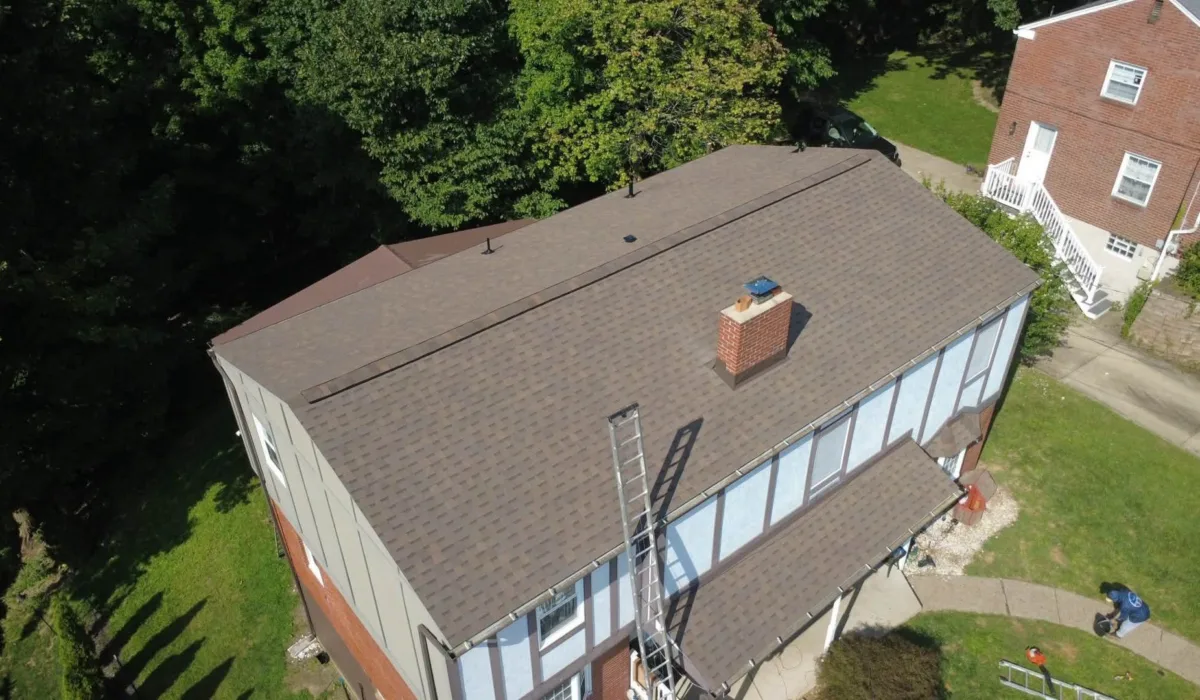
Exhaust vents (like ridge vents or roof turbines) push hot or humid air out.
Intake vents (such as soffit vents) pull fresh air into the attic.
When these two systems work together, your attic stays dry, your roof materials last longer, and your heating and cooling systems don’t have to work overtime.
Why Roof Ventilation Matters in Pittsburgh
Pittsburgh’s four-season climate makes roof ventilation especially important. With humid summers, freezing winters, and everything in between, homes in this region are constantly exposed to changing conditions.
Here’s why ventilation plays a critical role:
-
- Moisture control: In the winter, warm air from your living spaces rises into the attic, where it meets cold surfaces. Without proper ventilation, this can lead to condensation, which promotes mold growth and wood rot. In a city like Pittsburgh, where snowfall and cold snaps are common, this is a real risk.
-
- Ice dam prevention: Pittsburgh homeowners are no strangers to icy rooftops. Poor ventilation can cause uneven roof temperatures that lead to ice dams, which are ridges of ice that block water from draining off the roof. This water can back up under shingles and leak into the home.
-
- Summer heat relief: In warmer months, a poorly ventilated attic can trap heat, making your air conditioning system work harder and driving up energy bills. Proper ventilation helps regulate attic temperatures and reduce cooling costs.
-
- Extending roof life: Heat and moisture are two of the biggest enemies of roofing materials. When ventilation keeps them in check, shingles and underlayment last longer, saving you thousands in early roof replacements.
Signs Your Roof May Not Be Properly Ventilated
Not sure if your roof is breathing correctly? Here are a few common signs of poor ventilation:
-
- Your attic feels extremely hot in the summer or overly damp in the winter.
-
- You notice condensation or frost in the attic.
-
- Mold or mildew appears on wood framing or insulation.
-
- Ice dams form regularly on the roof’s edge.
-
- Your HVAC bills are higher than expected.
-
- Shingles appear to age or curl prematurely.
If any of these sound familiar, it’s worth having a roofing professional assess your attic ventilation.
What Can Be Done?
Fortunately, upgrading or correcting roof ventilation is often a manageable project, especially when you work with an experienced roofing contractor. Here’s how to approach it:
1. Schedule a Professional Roof Inspection
An inspection will help determine whether your current system has the right balance of intake and exhaust vents and whether those vents are functioning properly.
2. Balance Intake and Exhaust
Even if you have vents, they won’t be effective if they’re not properly balanced. A general rule of thumb is to aim for a 50/50 split between intake and exhaust.
3. Check for Blocked Vents
Sometimes, insulation or debris can block vents from working as intended. Simply clearing obstructions can improve airflow dramatically.
4. Upgrade Ventilation Systems
If your home is older or was built before today’s ventilation standards, your contractor might recommend adding ridge vents, installing baffles in the attic, or replacing older exhaust fans.
How Malick Brothers Exteriors Can Help
At Malick Brothers Exteriors, we understand the challenges Pittsburgh weather brings to your home. Our team has helped countless homeowners diagnose and fix attic ventilation issues to protect their investment for the long term.
Whether you need a roof inspection, new vents installed, or a full roof replacement, we provide personalized service and expert craftsmanship every step of the way.
Plus, we can help you determine if any work might be covered by your home insurance, especially if poor ventilation has led to visible damage.
Final Thoughts
Proper roof ventilation might not be the flashiest home improvement project, but it’s one of the most important, especially in Pittsburgh. From preventing ice dams and mold to lowering your energy bills, the benefits speak for themselves.
If you're not sure where your roof stands, don’t wait until damage appears. Contact Malick Brothers Exteriors today for a consultation and let us help your home breathe easier, season after season.
Call us at 412-616-0191