Roofing warranties explained in plain language: a new roof comes with two separate promises, one from the shingle manufacturer and one from the contractor who installed it, and most Pittsburgh homeowners only find out which one applies after a leak shows up. The paperwork decides whether that leak is a covered repair or a surprise bill. We install roofs across the North Hills and the city from our shop at 500 Perry Highway in West View, and the warranty conversation is part of every roof replacement in Pittsburgh we quote. This guide covers the types of roofing warranties available in Pennsylvania, what each one actually pays for, what voids coverage, how transfers work when you sell, and how the Atlas warranty we offer on complete Atlas systems fits in.
Roofing Warranties Explained: The Two Promises Behind Every Roof
Every residential roof carries a manufacturer warranty on the materials. Most reputable contractors add a workmanship warranty on the installation. Some manufacturers also offer an upgraded system warranty that is only available when a certified contractor installs the full product line. Each one covers a different failure, and none of them is an insurance policy.
- Manufacturer warranty: covers defects in the shingles, underlayment or other components. Granules shedding early, shingles cracking or curling for no weather reason, or seal strips that never bond are manufacturer problems.
- Workmanship warranty: covers installation mistakes. Flashing cut short at a chimney, nails driven high or crooked, a valley sealed the wrong way, or a pipe boot that was never caulked are contractor problems.
- Extended or system warranty: a manufacturer backed warranty that bundles stronger material coverage, usually with some labor, when the contractor holds a certification and installs the complete system.
The reason this matters is simple. If a roof leaks because it was installed wrong, the manufacturer will not pay. If a roof leaks because the shingle itself failed, the contractor will not pay. You want both promises in writing before the first bundle goes on the roof.
What a Manufacturer Warranty Really Covers
Manufacturer warranties on architectural asphalt shingles are typically written as limited lifetime or a set term such as 30 or 50 years. The word that matters most is prorated. Most standard shingle warranties pay the full replacement value of defective material only for an early period, then step down each year after that. By year 20 the payout on a standard prorated warranty may be a fraction of what the shingles cost.
Three details to check on any manufacturer warranty:
- Non prorated period. How many years does the manufacturer cover materials at full value? Longer is better, and upgraded system warranties usually extend it.
- Labor. Standard material warranties often pay for the shingles and nothing else. Tear off, disposal and the labor to install the replacement are usually excluded unless the warranty is an upgraded system tier.
- Registration. Many upgraded warranties must be registered with the manufacturer within a set window after installation. The contractor normally handles this. Ask for the confirmation.
Metal, slate and low slope membranes carry their own manufacturer terms. Metal panel finish warranties against fading are a different promise than a leak warranty, and MuleHide EPDM and silicone systems, which we are certified to install, require a certified installer for system coverage. You can read more about each material on our roof materials page.
What a Workmanship Warranty Covers, and How Long It Should Be
A workmanship warranty is the contractor saying that if the roof leaks because of how it was put on, they will come back and fix it at no charge. Across the roofing industry these range from one year to 25 years or more. A contractor who offers a very short term is telling you something about their confidence in the crew.
What a good workmanship warranty should spell out:
- The term in years and the start date.
- That it covers labor and materials to fix the installation defect, not just a service call.
- Whether it survives a sale of the home.
- What the homeowner must do to keep it valid, such as not hiring another company to cut into the roof.
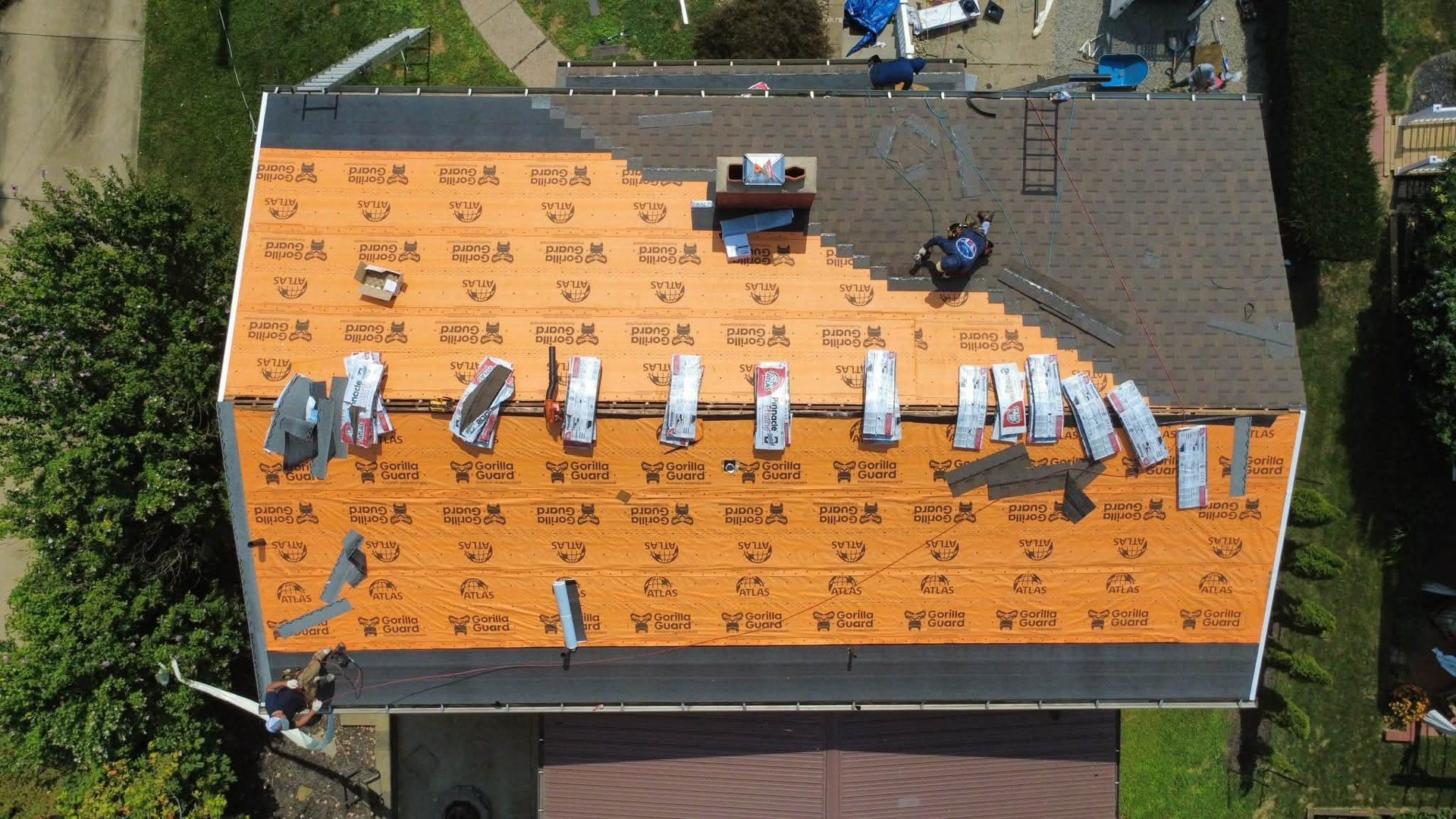
The most common workmanship failures we see on service calls in Pittsburgh are not dramatic. They are step flashing that was never woven into the siding, counter flashing surface caulked to brick instead of cut in, nails that missed the nail line on a steep North Hills roof, and bath fans vented into the attic instead of through the roof. None of those are manufacturer problems, and all of them should be the installing contractor's responsibility. If your contractor has disappeared, our residential roof repair team handles these every week.
The Atlas Warranty on Complete Atlas Roof Systems
We are an AtlasPro+ Platinum Select contractor. That certification lets us offer the Atlas 50 year limited warranty on complete Atlas roof systems: Atlas shingles installed together with Atlas underlayment and Atlas ventilation components, by our crew, as one system. Roofs we have installed this way include jobs in Ross Township, Allison Park, Emsworth and Squirrel Hill.
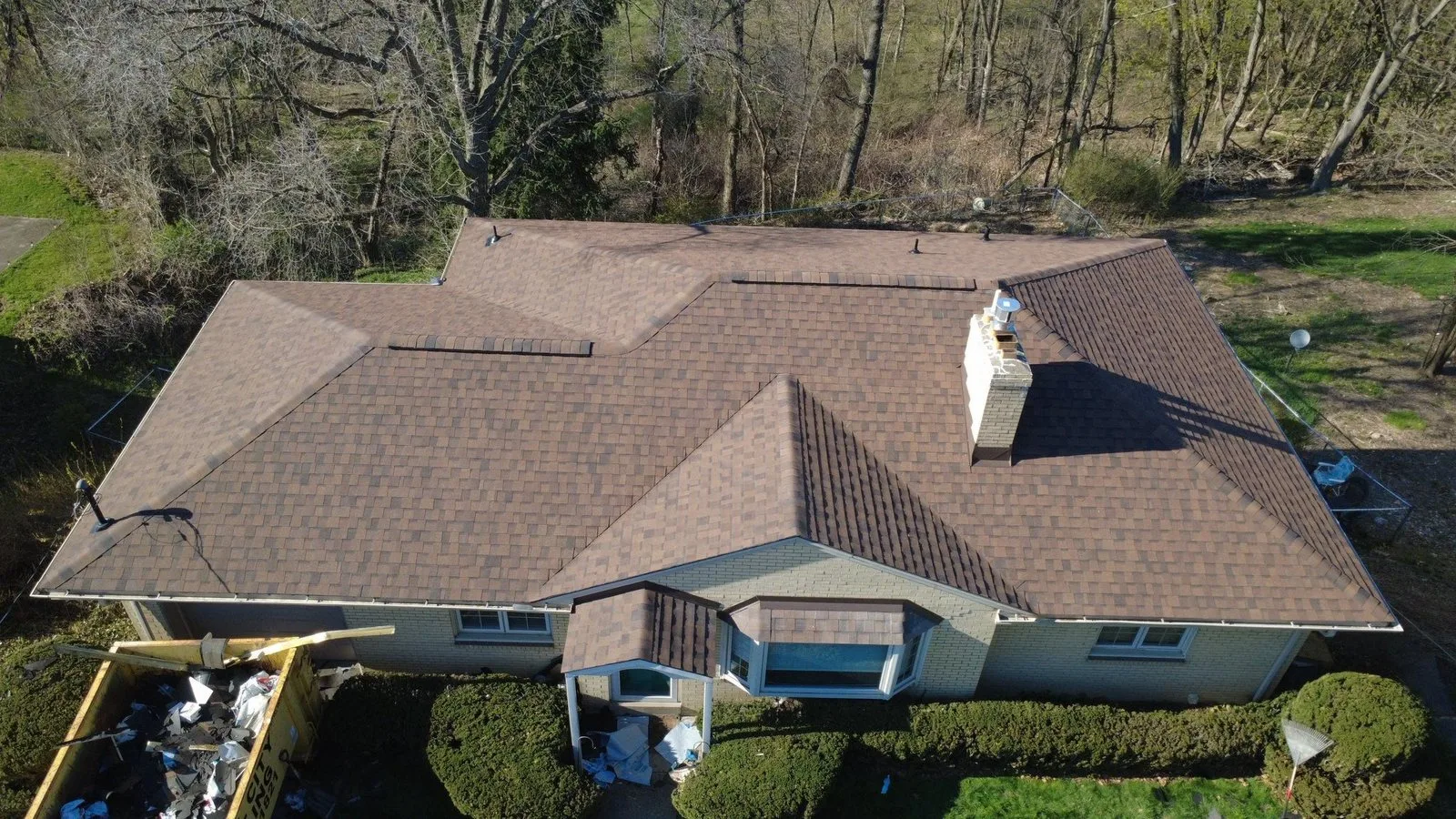
Why the complete system matters: a manufacturer will only stand behind the whole roof when every layer is its own tested product and the installer is trained on it. Mixing an Atlas shingle over a generic underlayment with a different brand of ridge vent drops you back to the standard material warranty. When we quote an Atlas roof, the written estimate lists each system component so there is no question later about what tier of coverage applies.
We also install Owens Corning on some jobs, and for low slope sections we use MuleHide .060 EPDM, the MuleHide two ply system or MuleHide silicone coatings under their certified installer terms. Whatever the manufacturer, the exact warranty document and its registration are part of your closing paperwork. Our asphalt shingle page covers the Atlas lines we install most.
What Voids a Roof Warranty
Most voided warranties are voided by accident. These are the situations that come up most often, for both manufacturer and workmanship coverage:
- Shingles installed over an old layer. Many manufacturer warranties reduce or exclude coverage for layover installations. Full tear off is the safe path and is what we do.
- Poor attic ventilation. Manufacturers require balanced intake and exhaust. A hot, wet attic cooks shingles from below, and the manufacturer will point to the ventilation before it pays a claim. This is a real issue in older Pittsburgh homes with no soffit intake.
- Another contractor cutting into the roof. A satellite installer, a chimney mason or a handyman who flashes a new skylight can void the workmanship warranty on that area and sometimes the system warranty. Call the installing roofer first.
- Pressure washing or harsh cleaners. Power washing strips granules and is specifically excluded by most shingle manufacturers.
- Unregistered upgraded warranties. If the system warranty was never registered, you may only hold the standard prorated coverage.
- Weather and impact damage. Hail, wind above the shingle's rating, fallen trees and ice dams are not warranty items. They are homeowners insurance claims. We can document the damage for your adjuster.
- Neglected maintenance. Clogged gutters that back water under the eave, moss left to grow, or a known small leak left for a year can all give a warranty provider a reason to deny.
Keep a simple file: the contract, the warranty certificates, the registration confirmation and photos from any inspection or repair. A periodic roof inspection creates the record that proves the roof was cared for.
Are Roof Warranties Transferable?
Many are, within limits. Manufacturer system warranties often allow one transfer to the next owner if the manufacturer is notified within a set window after the sale, and the transferred coverage may be shorter or revert to prorated terms. Workmanship warranties vary by contractor; some are tied to the original homeowner and some follow the house.
For a seller, a transferable warranty on a recent roof is a genuine selling point in a market like Pittsburgh where buyers are often looking at 80 to 120 year old housing stock. For a buyer, ask the seller for the roofing contract and the warranty certificate before closing, confirm the installer is still in business, and check whether the transfer requires a form and a deadline.
Warranties on Siding, Gutters, Soffit and Fascia in Pennsylvania
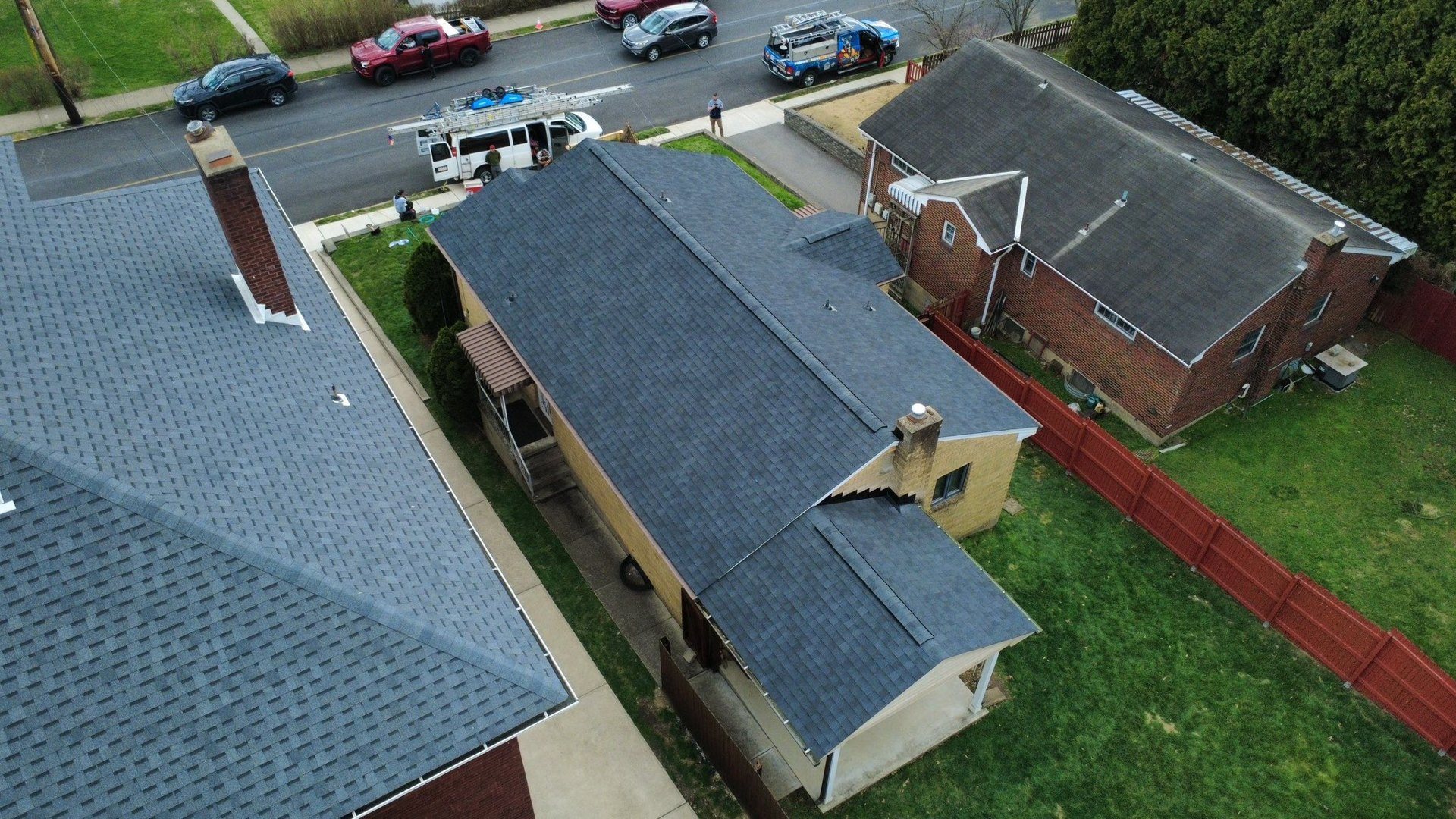
The same two promise structure applies to the rest of the exterior. James Hardie fiber cement and Mastic vinyl siding each carry a manufacturer warranty on the product and, for Hardie, a separate finish warranty on factory color. Seamless aluminum gutters carry a finish warranty from the coil manufacturer. In every case the installation itself is only covered by the contractor's workmanship warranty, so the questions you ask about a roof apply to siding installation and gutters too.
Pennsylvania adds one legal layer. Under the Home Improvement Consumer Protection Act, contractors doing residential work above a small threshold must be registered with the state Attorney General and must give you a written contract. Our registration is PA174918, and you can confirm any contractor at the Pennsylvania Attorney General HIC search. Registration is not a quality rating, but a contractor who is not registered has no business offering you a warranty.
Questions to Ask Before You Sign
- Which manufacturer warranty tier does this estimate include, and is it registered by you or by me?
- How many years is the non prorated period?
- Does the manufacturer warranty cover labor, tear off and disposal, or materials only?
- What is your workmanship warranty term, and is it in writing on the contract?
- Is either warranty transferable, and what does the transfer require?
- Is the attic ventilation on this estimate enough to meet the manufacturer's requirement?
- Will you tear off the old roof completely?
- Are you registered with the Pennsylvania Attorney General, and can I see proof of insurance?
How to File a Roof Warranty Claim
Start with the installing contractor, even if you believe the problem is a material defect. The contractor can inspect, photograph the failure, identify whether it is workmanship or product, and open the manufacturer claim with the batch and registration information on file. Manufacturers generally want dated photos, proof of purchase and sometimes a sample of the failed shingle. Do not patch or pressure wash the area before the claim is documented. If the original contractor is gone, a certified contractor for that manufacturer can usually still help.
Frequently Asked Questions
Are roofing warranties worth it?
Yes, with a caveat. The standard manufacturer warranty comes with the shingles whether you ask for it or not. The value is in the upgraded system warranty and a long written workmanship warranty, because those are the ones that pay for labor and cover the installation errors that cause most early leaks. Read the terms rather than the headline number of years.
What voids a roof warranty?
The common causes are installing over an old layer, inadequate attic ventilation, repairs or penetrations made by another contractor, pressure washing, failing to register an upgraded warranty, and neglected maintenance. Storm damage is not a warranty matter at all; it belongs to your homeowners insurance. Keeping records and calling the installing roofer first protects you in most of these cases.
What is the 25 percent rule in roofing?
It refers to a building code provision, adopted in Pennsylvania through the Uniform Construction Code, that when a roof repair or recover exceeds a quarter of the roof area within a twelve month period, the affected roof generally has to be brought up to current code rather than patched. Your municipality's building department applies it. It is a code rule, not a warranty rule, but a patch job that triggers it can also complicate warranty coverage.
Does a home warranty cover a roof?
Usually not for replacement. Home warranty plans sold with a house sometimes include limited roof leak repair as an add on, but they are a service contract, not a manufacturer or workmanship warranty. Read the plan carefully and keep your roofer's warranty paperwork separate from it.
What warranties are available for roofing and siding work in PA?
Manufacturer product warranties on shingles, metal, membranes, siding and gutter coil; upgraded manufacturer system warranties when a certified contractor installs the complete system; and the contractor's own workmanship warranty. Pennsylvania law requires a written contract from a registered contractor, which is where the workmanship terms should appear.
Can I transfer my roof warranty when I sell my house?
Often once, if the manufacturer is notified within its deadline after the sale, and sometimes with reduced terms. Workmanship transfer depends on the contractor. Gather the contract, warranty certificate and registration confirmation before listing so the buyer's agent can see them.
Get the Warranty in Writing Before the Roof Goes On
If you are comparing estimates or trying to make sense of a warranty on a roof you already own, we are glad to walk through the documents with you. Malick Brothers Exteriors is family owned, BBB A+ accredited, registered as PA174918, and an AtlasPro+ Platinum Select contractor based in West View. Request a free written estimate or a warranty review at malickbrothersexteriors.com/contact or call (412) 616-0191.