The Importance of Proper Roof Ventilation for Pennsylvania Homes
Do You Really Need Roof Ventilation?
If your attic feels like a sauna in the summer and a freezer in the winter, you’re not alone. According to the U.S. Department of Energy, proper attic airflow can reduce cooling costs by up to 10%. That’s not just comfort—it’s money back in your pocket.
Understanding Roof Ventilation: Why It’s Crucial for Pennsylvania Homes in 2025 isn’t just a technical conversation. It’s about protecting your roof, reducing utility costs, and ensuring long-term home health. Whether you’re in urban Pittsburgh, the suburbs of Montgomery County, or somewhere in between, ventilation matters.
What Happens If a Roof Is Not Vented?
Without roof ventilation, you’re inviting a host of problems: condensation, mold, wood rot, premature shingle aging, and sky-high energy bills. And in cold climates like Pennsylvania, lack of airflow means you’re also risking serious structural issues like ice dams.
Ice dams occur when heat from inside your home rises into the attic, melts the snow on your roof, and causes water to refreeze at the eaves. That frozen water backs up under shingles and can leak into your home. Proper ice dam prevention depends heavily on ventilation.
Regional Impacts: Pittsburgh vs. Montgomery County
- Pittsburgh: The city’s humid summers and icy winters make attic moisture control and ice dam prevention essential. You’ll find more about this in What Pittsburgh Homeowners Should Know About Roof Ventilation.
- Montgomery County: With high precipitation and seasonal humidity swings, proper roof ventilation prevents mold buildup and extends the life of roofing materials.
Is Roof Ventilation Required?
While not always required by law, roof ventilation is typically mandated by building codes for a reason. It helps meet energy efficiency standards and prevents long-term damage. The International Residential Code (IRC) recommends at least 1 square foot of ventilation for every 150 square feet of attic floor space.
But the real answer? Yes, if you care about your home’s long-term health, ventilation is essential.
Understanding Roof Ventilation: Why It’s Crucial for Pennsylvania Homes in 2025
Let’s break it down. A good ventilation system consists of two parts:
- Intake vents (often located in soffits) pull cool, fresh air into the attic.
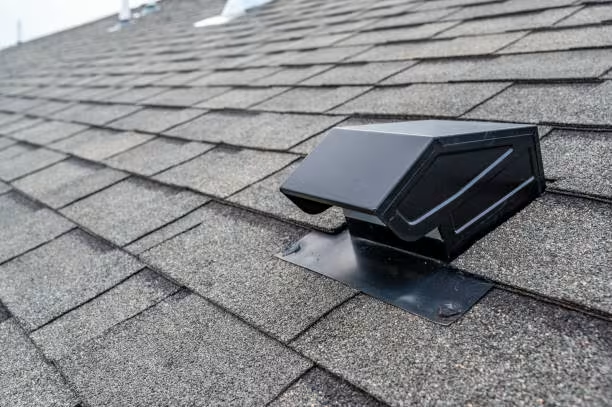
- Exhaust vents (like ridge vents or gables) release warm, moist air out.
When working together, these components create a continuous flow. That flow regulates temperature and moisture, prevents shingle decay, and helps your HVAC run more efficiently.
Poor ventilation is like holding your breath in the middle of a workout—eventually, something gives. The same applies to your home. If your attic can’t breathe, you’ll see the signs:
- Condensation on framing or insulation
- Mold or mildew growth
- Curling or cracking shingles
- High HVAC bills
Want proof? The U.S. Department of Energy outlines how attic airflow directly affects both energy consumption and roof durability.
What Is the Roof Ventilation Rule?
Professionals typically follow a 1:150 or 1:300 rule—this means one square foot of ventilation per 150 (or 300, with a vapor barrier) square feet of attic floor. But balance is key. Intake and exhaust must be equally matched, or airflow stalls.
Think of it like a chimney. If the opening at the top isn’t wide enough to match the air being pushed in, smoke builds up. The same goes for roof ventilation: imbalance means inefficiency.
Understanding Roof Ventilation: Why It’s Crucial for Pennsylvania Homes in 2025
Let’s revisit the benefits with this keyword because they matter more than ever in 2025:
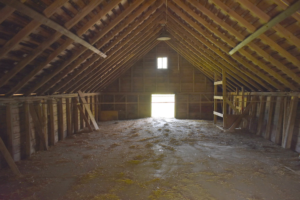
- Attic airflow reduces cooling and heating costs
- Roof ventilation prevents mold, mildew, and structural damage
- Ice dam prevention protects roof edges from water intrusion
- Shingle lifespan is extended
- Indoor air quality improves, especially in older homes
And these benefits aren’t hypothetical. They’re documented across climates and case studies. Even in older homes, ventilation can be retrofitted cost-effectively by professionals.
Solutions and Professional Help
If you’re unsure where your attic stands, don’t leave it to guesswork. A licensed roofing contractor can assess vent types, placement, and blockages. They may recommend:
- Adding ridge or gable vents
- Installing baffles for airflow
- Replacing outdated fans
- Unblocking or cleaning soffit vents
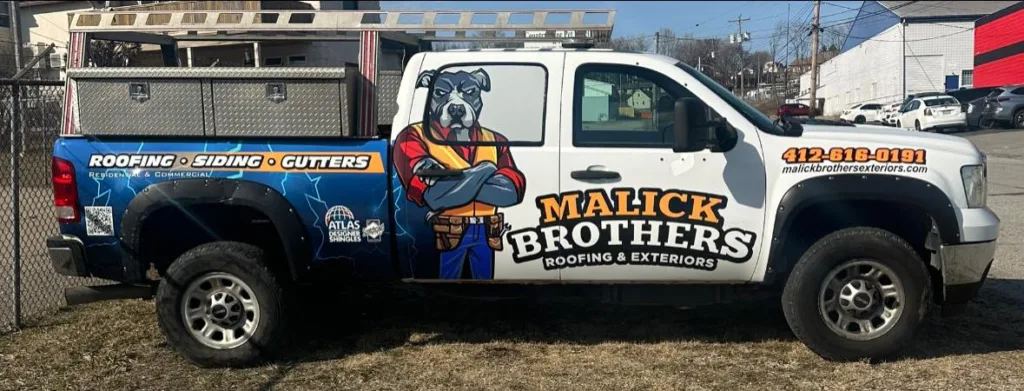
Companies like Malick Brothers Exteriors offer inspections and customized plans for Pennsylvania homeowners. Whether you’re facing extreme winter conditions in Pittsburgh or seasonal swings in Montgomery County, local pros can tailor solutions to your roof’s design and your region’s climate.
Conclusion
Understanding Roof Ventilation: Why It’s Crucial for Pennsylvania Homes in 2025 isn’t just about attic mechanics. It’s about smarter energy use, healthier indoor air, and protecting the structure you call home. From avoiding winter roof leaks to shaving dollars off your energy bill, ventilation is one of the highest-impact, lowest-cost improvements you can make.
Don’t wait for mold or ice dams to show you what’s wrong. Take a proactive approach.
Call Malick Brothers Exteriors at 412-616-0191 today to schedule a ventilation assessment and make sure your home breathes as it should.