Your commercial roof takes a beating every single year. Between Pennsylvania’s brutal freeze-thaw cycles, heavy snowfall, and summer heat, it’s not a matter of if damage will happen — it’s a matter of when you catch it. Most business owners don’t think about their roof until there’s a problem they can’t ignore. By that point, a manageable repair has often turned into a far more expensive fix.
Knowing what to look for early is the difference between a quick patch job and a full roof replacement. This guide covers the most important warning signs, what they mean, and when to call in a professional.
How Do I Know If My Roof Needs Repair?
A lot of roof damage starts subtly. You might notice something feels “off” before you can name what it is, like a stuffy smell on upper floors or a slightly higher energy bill. Other times, the signs are obvious — water dripping from a ceiling tile after a heavy rain. Either way, ignoring early indicators almost always leads to structural issues down the line.
Some of the clearest signals that you need commercial roof repair in Harmar include ponding water, visible membrane damage, and unexplained spikes in heating or cooling costs. We’ll break each of these down in detail below. If you’re seeing any combination of these, scheduling a professional inspection should be your next step.
Ponding Water and Drainage Problems
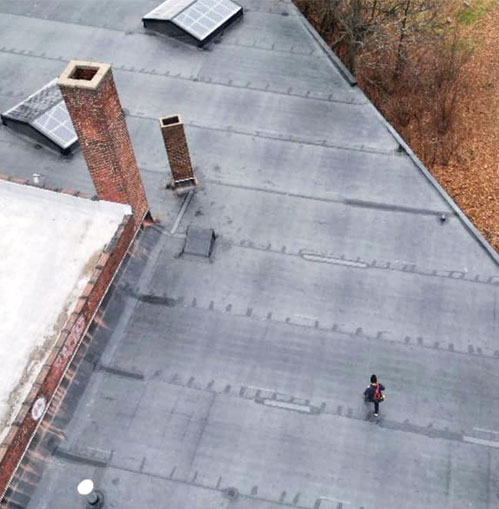
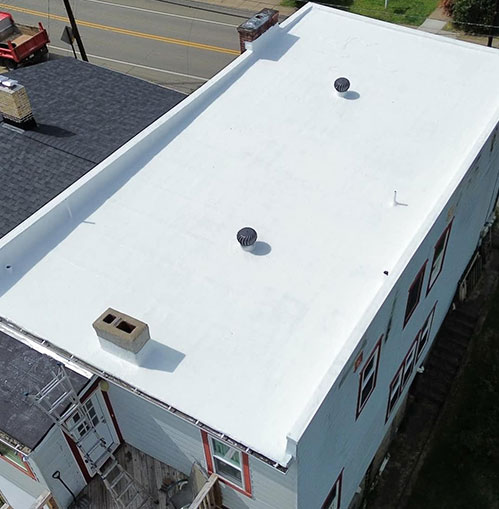
Flat and low-slope commercial roofs are common in Harmar, and they come with one inherent vulnerability: water doesn’t always drain the way it should. If you’re seeing water pooling on your roof for longer than 48 hours after rain, that’s a red flag. Ponding water puts constant weight and pressure on the roofing membrane, accelerating deterioration and inviting leaks.
The root cause is usually clogged drains, poor slope design, or structural sagging. Left unaddressed, it leads to membrane failure and potential interior water damage. A qualified roofing contractor in Harmar can assess drainage and identify whether you’re dealing with a simple blockage or something more structural.
Damaged Flashing and Open Seams
Flashing is the metal or membrane material that seals the transitions around rooftop features like HVAC units, vents, chimneys, and skylights. It’s also one of the first places a commercial roof begins to fail. Rust, separation, or missing sections of flashing create direct pathways for water to enter the building envelope.
Open seams in the roofing membrane are equally serious. When seams start to pull apart, water works its way underneath and can cause widespread damage before you ever see a single drip inside. If you’ve noticed bubbling or blistering on the roof surface, that’s often trapped moisture — a sign the membrane integrity is already compromised.
Interior Warning Signs You Shouldn’t Overlook
Not all roof damage shows up outside first. Water stains on ceilings, peeling paint near the roofline, or a musty smell in upper-level spaces are all signs that moisture has already made its way in. Mold growth is especially concerning. It moves fast, affects air quality, and signals that water has been present long enough to create a hospitable environment.
If you’re dealing with unexplained energy cost increases, that’s another interior signal worth taking seriously. A damaged or deteriorating roof loses insulating efficiency quickly. Roof leak repair in Harmar addressed early almost always costs a fraction of what it would after the insulation is compromised.
What Is the Average Life of a Commercial Roof?
This depends heavily on the roofing system and how well it’s maintained. Here’s a general breakdown:
| Roof Type | Average Lifespan |
|---|---|
| TPO / PVC Membrane | 20–30 years |
| EPDM (Rubber) | 15–25 years |
| Built-Up Roofing (BUR) | 15–30 years |
| Metal Roofing | 30–45 years |
| Modified Bitumen | 20–30 years |
Pennsylvania’s climate can shorten these lifespans considerably. Freeze-thaw cycles put constant stress on seams and flashing. Harsh UV exposure in summer degrades membranes faster than in more moderate climates. Regular inspections — ideally twice a year and after major weather events — are how you stretch a roof to the top of its expected lifespan, not the bottom.
How Can You Tell If a Roofing Job Is Bad?
If you’ve had recent work done and something still seems off, there are a few things to look for. Poor installations often show up as lifted or wrinkled membrane sections, improperly sealed flashing, or uneven drainage. You might also notice new leaks appearing shortly after repairs were completed.
Another red flag is a contractor who didn’t pull permits or provide documentation. According to the National Roofing Contractors Association, quality commercial roofing work should always include written warranties for both materials and labor. If you’re questioning the quality of a recent install or repair, it’s worth having an independent inspection done before problems compound.
Signs Your Commercial Roof Needs Repair in Harmar, PA After Storm Season
Severe weather has a way of revealing vulnerabilities that weren’t obvious before. High winds can lift flashing, shift membrane sections, and deposit debris that blocks drainage. Hail causes surface damage that weakens UV resistance over time, even if it doesn’t cause an immediate leak. After any major storm, a visual inspection from the ground is a reasonable first step.
Look for granule loss in the gutters, visible tears or punctures, and anything that’s been displaced on the rooftop. Commercial roof repair in Harmar following storm events should be addressed quickly. Insurance claims also tend to favor documentation done closer to the event, so don’t wait several months and then try to connect damage to a storm from the previous season.
Signs Your Commercial Roof Needs Repair in Harmar, PA: When to Call a Professional
Some situations are clearly urgent. Sagging roof decks, active interior leaks, and widespread membrane damage all require immediate professional attention. But even when the signs seem minor, it’s worth erring on the side of having a qualified roofing contractor in Harmar take a look. What appears to be a small blister or a minor stain often points to something more significant underneath.
For a deeper look at red flags that require immediate action, this resource covers it well: Urgent Signs Your Commercial Roof Needs Repair (Before Costly Damage). Catching problems at the right moment is what separates a $500 repair from a $50,000 replacement.
The Bottom Line
Commercial roofs don’t fail overnight. They send warnings first — subtle ones, then louder ones. The business owners who avoid major repair bills are the ones who pay attention to early signals and act on them. Whether it’s ponding water, damaged flashing, interior staining, or a roof that’s simply aging out, staying ahead of these issues is always the smarter financial decision.
If you’re in the Harmar area and any of these signs feel familiar, don’t put it off. A professional inspection is the clearest way to know exactly where things stand.