What Siding Type Adds the Most Home Value?

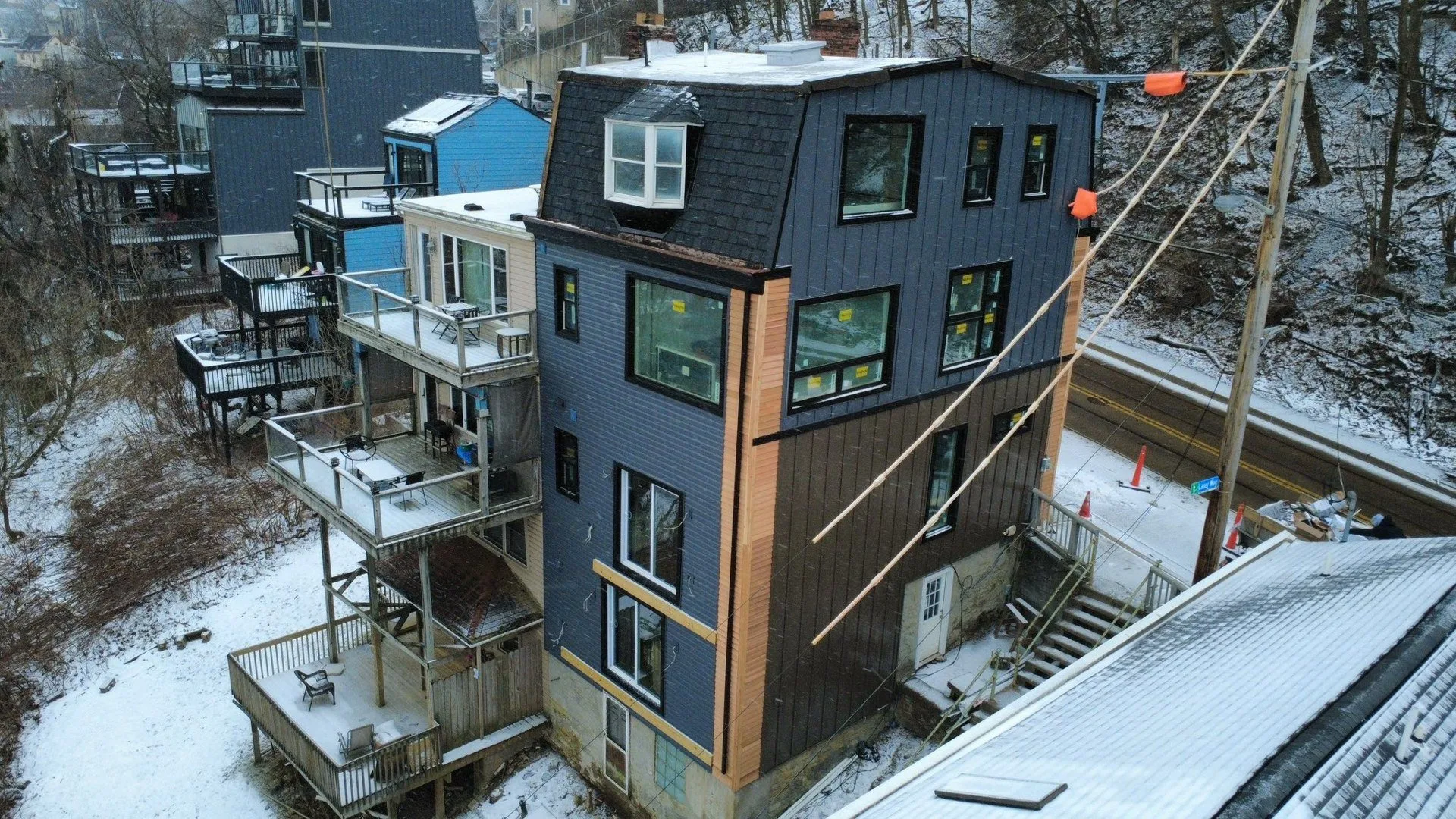
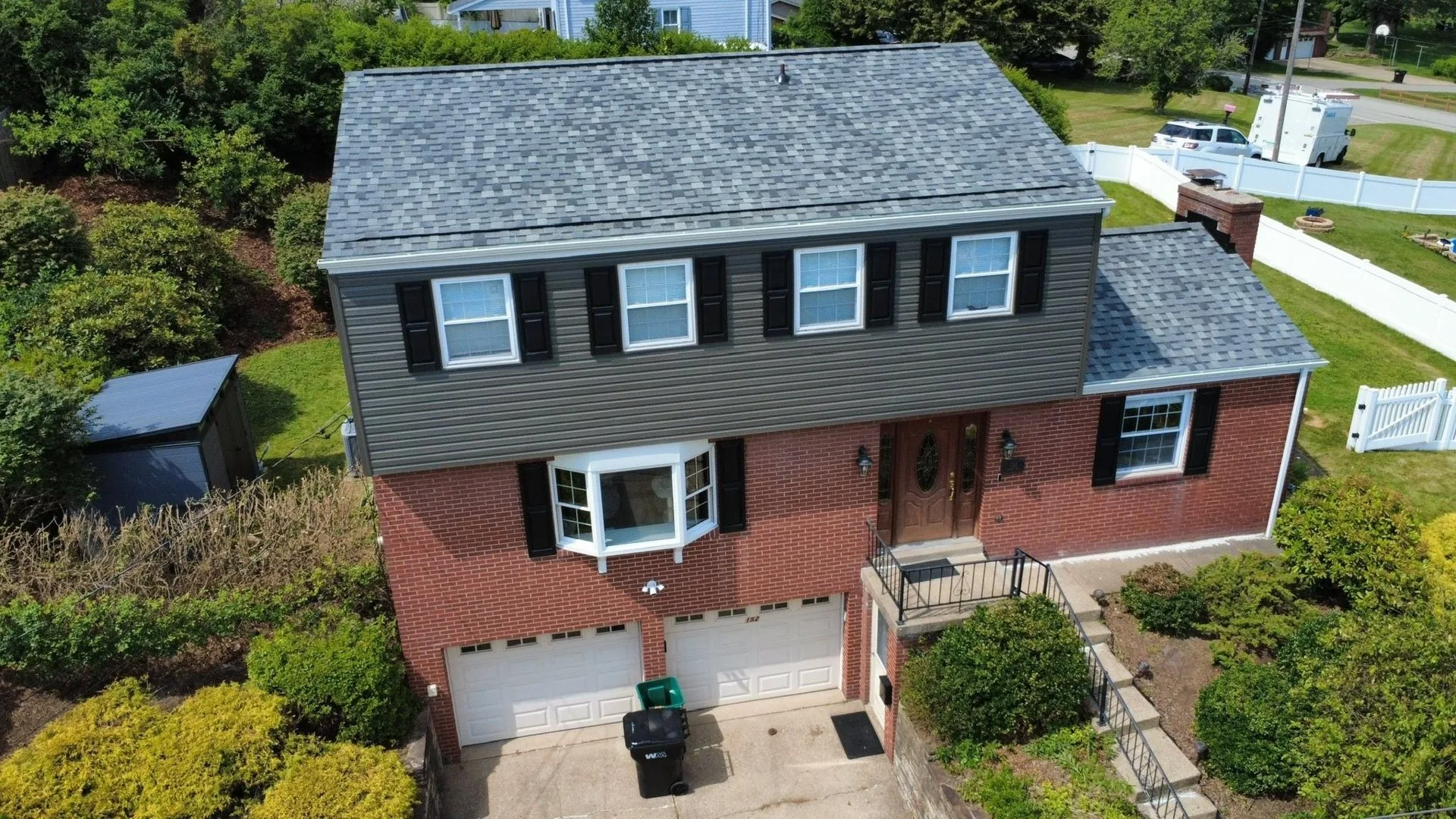
Residential house with gray siding and burgundy shutters, featured in Malick Brothers Exteriors roofing solutions.
May 29, 2026

Choosing siding feels like one of those decisions that sneaks up on homeowners. You think about it once every few decades, maybe twice if you’re unlucky, and suddenly you’re staring down a project that wraps your entire house in something you’ll live with for years. The material you pick shapes curb appeal, weather protection, and yes, what your home is worth when it’s time to sell. So let’s get into it.

I’ve spent a fair amount of time looking at what actually moves the needle on resale, and the answers are clearer than most people expect. Some materials carry their weight beautifully. Others, not so much. Here’s the honest breakdown.

Why Siding Is One of the Smartest Exterior Upgrades

Siding is the first thing a buyer sees. Before they walk through the door, before they count bedrooms, before they ask about the roof, they’re already forming an opinion based on what’s wrapping the house. That visual hit matters more than most sellers realize.

Beyond aesthetics, good siding protects everything behind it. Moisture, pests, wind, sun damage, those are the silent value killers. Replacing tired siding with something modern doesn’t just look better, it tells buyers the house has been cared for, and that perception alone can shift offers. If you’re researching siding ROI seriously, this is where the math starts making sense.

What Siding Type Adds the Most Home Value?

Fiber cement consistently lands at the top of the list. Made from a blend of cement, sand, and cellulose fibers, it mimics the look of natural wood while standing up to fire, rot, and pests in ways wood simply cannot. Industry remodeling reports have placed its return on investment at over 100 percent in some markets, which is rare for any home improvement project.

James Hardie is the name most people recognize in this category, though several other manufacturers produce excellent fiber cement products. Buyers see it and immediately register quality. That recognition translates into stronger offers and faster sales.

What Siding Increases House Value the Most?

Here’s a quick comparison of the materials that tend to perform best when it comes to the best siding for home value:

Siding TypeTypical ROIStandout Quality
Fiber CementUp to 113%Fire-resistant, wood-like look
Manufactured Stone VeneerAround 92%High-impact curb appeal
Engineered WoodHighNatural look, lower upkeep
Steel SidingStrongModern aesthetic, very durable
Insulated VinylSolidEnergy efficiency, affordability

Manufactured stone veneer deserves a closer look. It’s often used as an accent rather than a full-house wrap, and that’s exactly what makes it powerful. A stone-clad entryway or a partial front facade can transform a plain elevation into something memorable. Buyers respond to that kind of detail.

What Siding to Avoid in a House Exterior

Not every material ages gracefully. Original cedar shake siding, while charming when new, becomes a maintenance burden quickly. Without consistent staining and sealing, it warps, splits, and invites pests. Buyers can spot neglected wood siding from the curb, and they price their offers accordingly.

T1-11 plywood siding is another one I’d steer clear of. It was popular decades ago, but it absorbs moisture, swells, and rots if even one seam fails. Asbestos siding, which still exists on plenty of older homes, is a separate category of concern entirely and usually needs professional remediation rather than a simple replacement.

Cheap, builder-grade vinyl from older installations can also drag down value. It fades unevenly, cracks in cold snaps, and looks dated in a way that’s hard to disguise. Modern insulated vinyl is a different animal, but the thin stuff from twenty years ago doesn’t do anyone favors.

What Decreases Property Value the Most?

Siding problems rank surprisingly high on the list of value killers. Visible damage, mismatched repairs, mildew streaks, and sagging panels all signal deeper issues to a buyer. They start wondering what’s behind the siding, and that question rarely ends well for a seller.

Beyond siding itself, deferred maintenance in general drags property value down faster than almost anything. Overgrown landscaping, peeling paint, a roof past its prime, those are the things appraisers and buyers notice immediately. According to Remodeling Magazine’s Cost vs. Value Report, exterior projects consistently outperform interior renovations when it comes to recouping investment.

Person installing insulated siding on a home, showcasing energy-efficient exterior solutions for Pittsburgh residences.

What Siding Offers the Best Resale Value for Different Home Styles

Architectural style matters here, and ignoring it is a common mistake. A craftsman bungalow looks wrong wrapped in sleek steel panels. A modern farmhouse loses its identity behind brick veneer. Matching material to style protects the home’s character, and character protects price.

For traditional homes, fiber cement and engineered wood do the heavy lifting. Both deliver that classic lap siding profile without the upkeep of real wood. For contemporary builds, smooth fiber cement panels or steel siding sharpen the look. For colonials and capes, simple horizontal siding in a neutral tone almost always wins.

How Color Choices Influence the Best Siding for Resale Value

Color is where homeowners get creative and sometimes get into trouble. Neutral palettes sell. Charcoal gray, soft white, warm beige, sage green, those tones consistently perform across markets. Bold reds, bright yellows, and aggressive blues narrow your buyer pool significantly.

Charcoal and deep gray have been trending strongly in recent years. They feel current without feeling trendy, which is the sweet spot for resale. If you’re chasing the best siding for resale value, pair a quality material with a thoughtful neutral and you’ve already done most of the work.

The Role of Professional Installation in Long-Term Value

The best material in the world fails with poor installation. Gaps, improper flashing, missed nailing patterns, those issues don’t show up immediately. They show up three years later, when moisture has worked its way behind the panels and the damage is already done.

Residential building corner with pink vinyl siding, white window frames, and a tree in the foreground, illustrating siding installation options.

This is where I’ll be straight with you. Hiring a contractor with a track record matters more than picking the perfect product. Local experience, manufacturer certifications, and warranty support all factor in. For homeowners in our region, The Impact of Siding on Home Value in Pittsburgh’s Competitive Market breaks down what works in this specific climate and market.

Why Malick Brothers Exteriors Is the Right Call

You can hire any siding contractor, but the difference between a good install and a great one shows up in the details. At Malick Brothers Exteriors, we’ve built our reputation on doing siding the right way the first time, with materials that protect your home and your investment. We work with fiber cement, engineered wood, premium vinyl, and stone veneer, helping homeowners pick what fits their house, their budget, and their long-term plans.

Whether you’re replacing tired panels or planning a full exterior refresh, we walk you through every option without the pressure. Your home deserves siding that earns its keep, and we’d be glad to help you get there.

Final Thoughts on the Best Siding for Home Value

Fiber cement leads the pack, manufactured stone veneer adds punch as an accent, and engineered wood gives you that natural look without the headaches. Avoid old plywood and untreated cedar unless you genuinely love maintenance. Match the material to your home’s style, pick a neutral color, and hire someone who knows what they’re doing.

Siding is one of those investments that pays you back twice, once in protection and once in resale. Choose wisely, and your home will reward the decision for decades.

Leave a Reply

Your email address will not be published. Required fields are marked *